Wildlife Diseases Michigan Hunters Watch
Chronic Wasting Disease symptoms, spread, and Michigan hunting regulations explained for deer hunters and wildlife stewards.
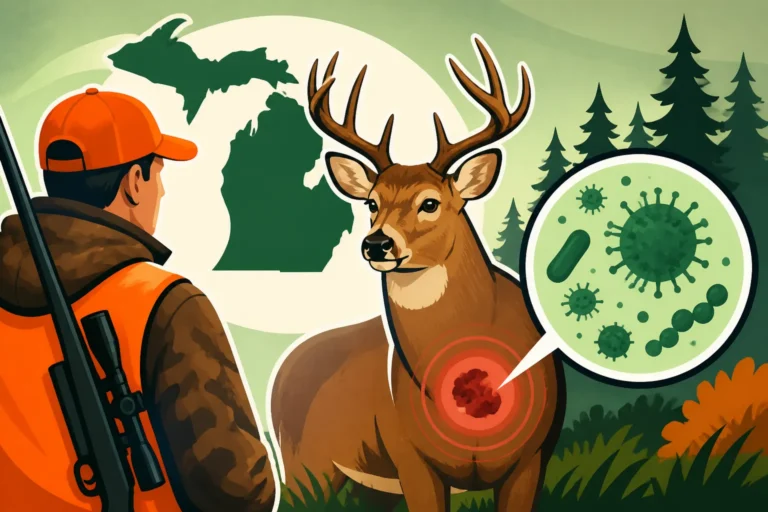
Chronic Wasting Disease symptoms, spread, and Michigan hunting regulations explained for deer hunters and wildlife stewards.
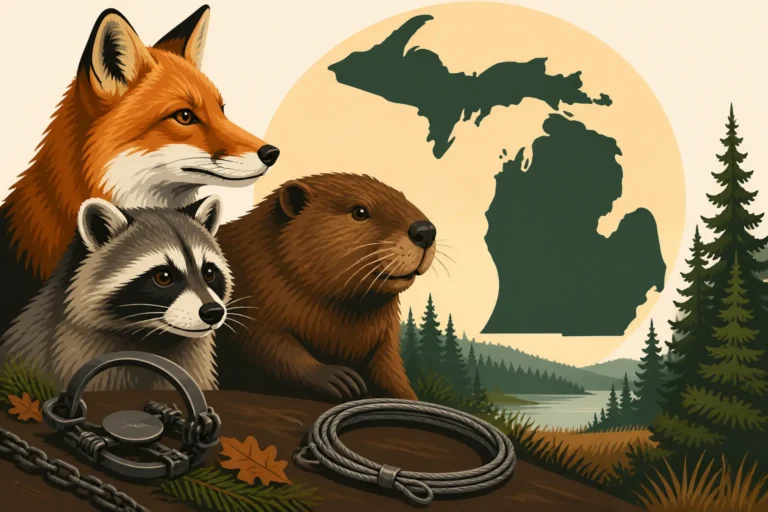
Michigan furbearers and regulated trapping help maintain healthy wildlife ecosystems and control rodent populations across the state.
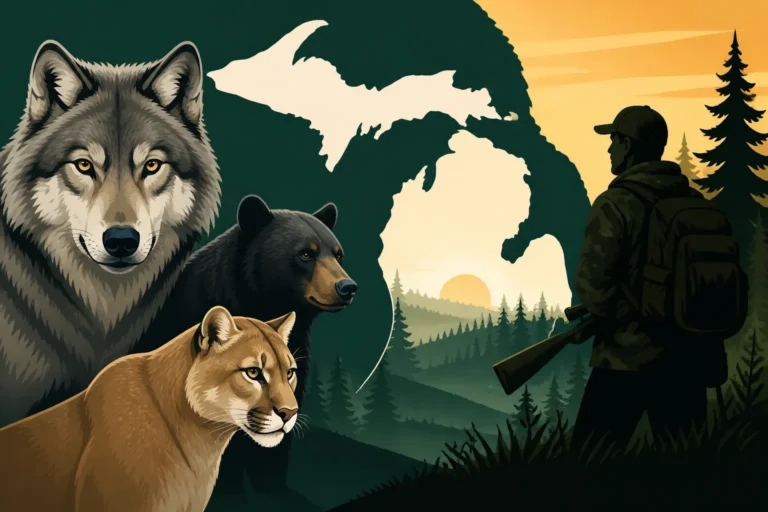
Michigan wolves and predators details population status, habitat recovery, and management debates across the Upper Peninsula.
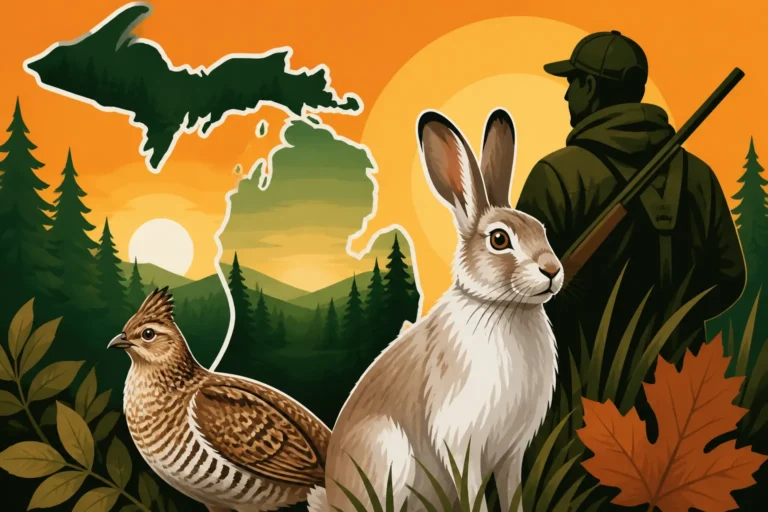
Michigan small game hunting provides long seasons, flexible opportunities, and accessible habitats for rabbits and squirrels.
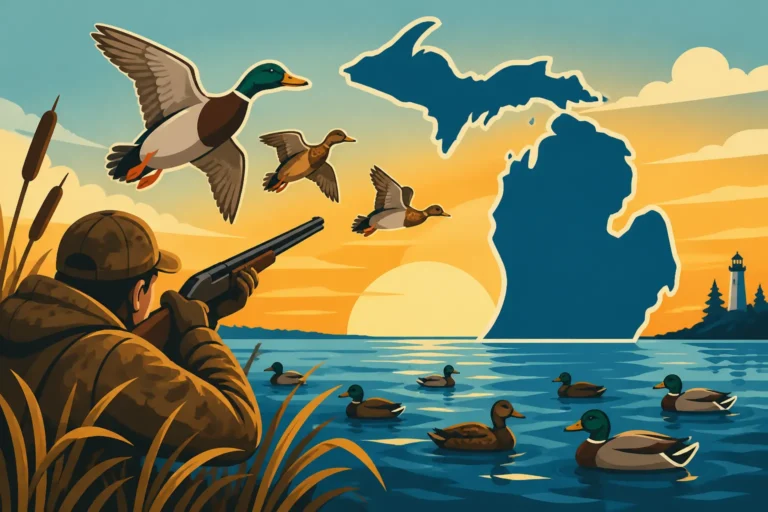
Michigan waterfowl hunting on the Great Lakes requires specific strategies for shorelines, habitats, and changing water levels.
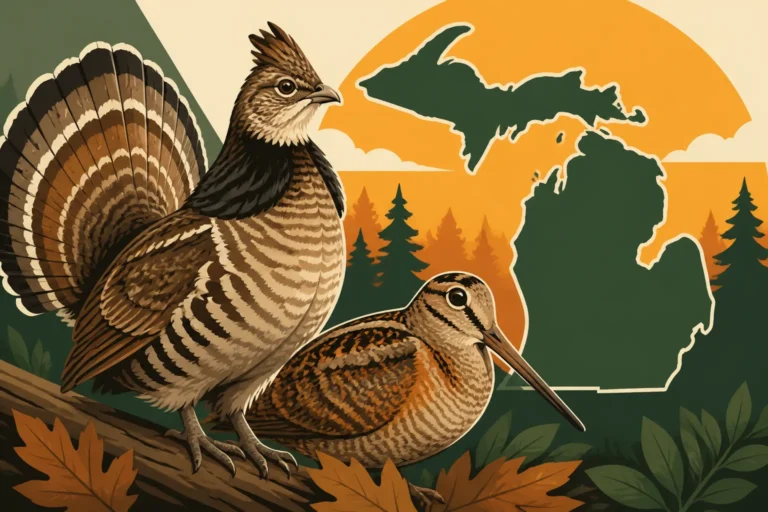
Michigan ruffed grouse population cycles, woodcock migration patterns, and autumn hunting locations in the Upper Peninsula and northern Lower Peninsula.
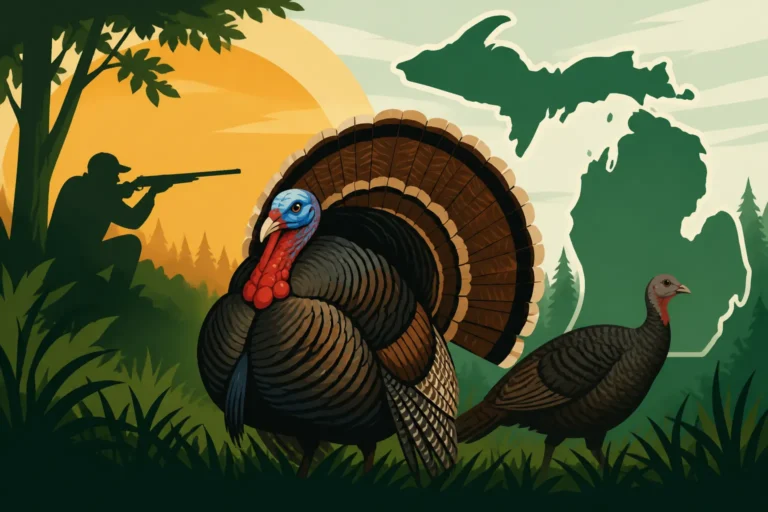
Michigan wild turkeys returned from near extinction through conservation, and now over 200,000 birds inhabit 83 counties.
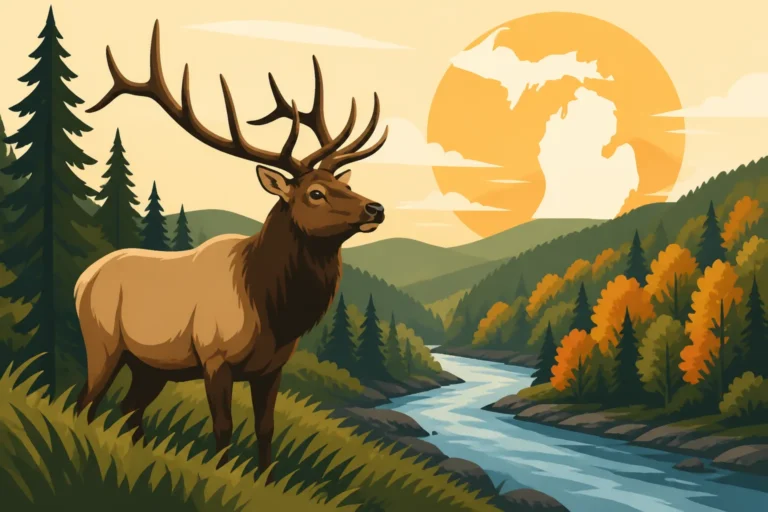
Michigan elk in the Pigeon River Country State Forest reveal a reintroduction history, habitat needs, and Department of Natural Resources management.
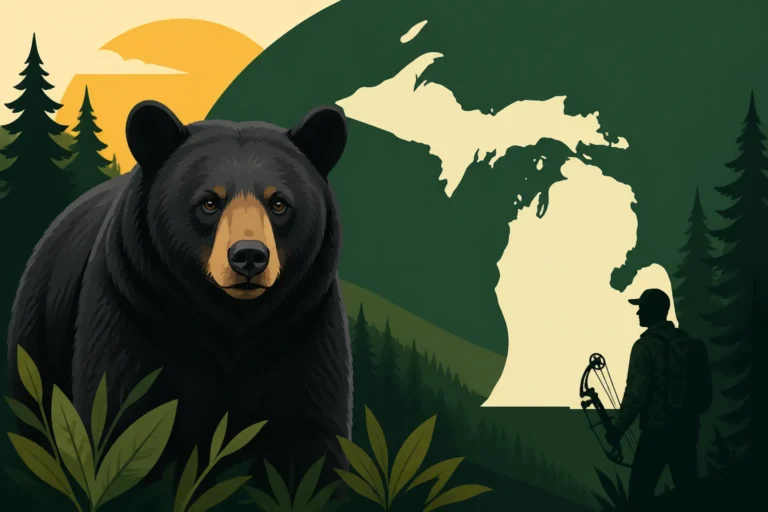
Michigan black bear population estimates exceed ten thousand animals, with the Upper Peninsula holding ninety percent of the state total.
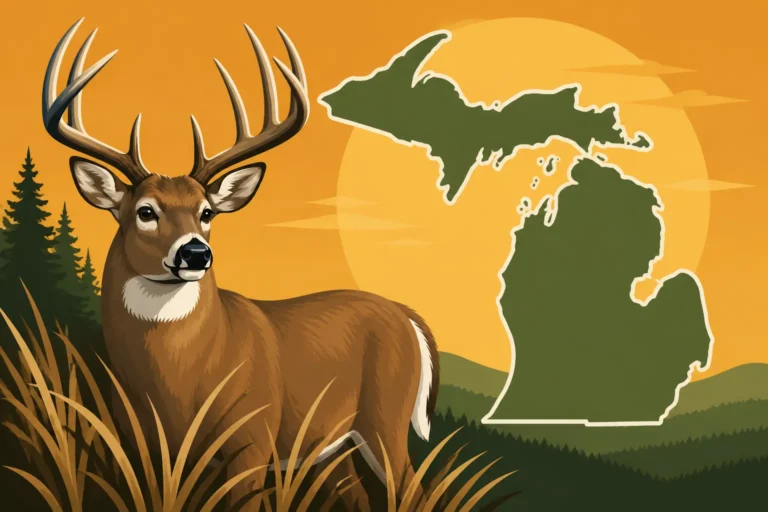
Michigan white-tailed deer populations, regional habitats, and management challenges explained for hunters navigating state regulations.