When Michigan Gobblers Go Quiet
Michigan turkey hunters learn why gobblers go silent during spring weather fronts and discover methods to hunt quiet birds.

Michigan turkey hunters learn why gobblers go silent during spring weather fronts and discover methods to hunt quiet birds.
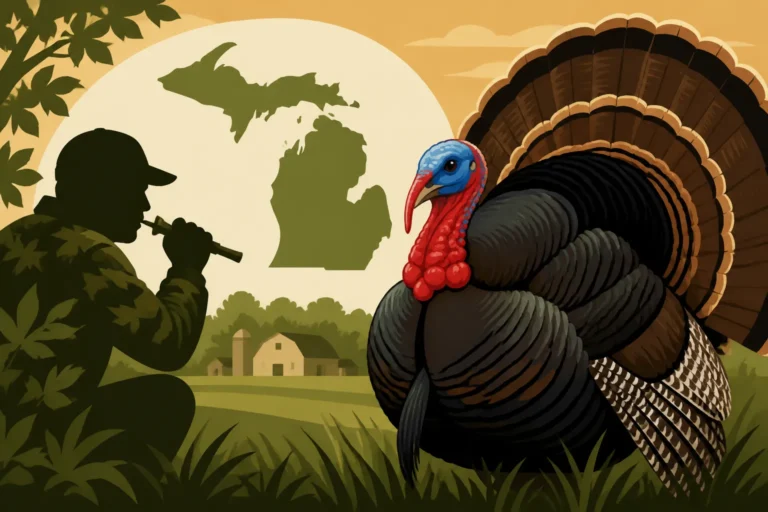
Wild turkey hunting tactics for Southern Michigan farms help hunters navigate agricultural landscapes and heavy hunting pressure.
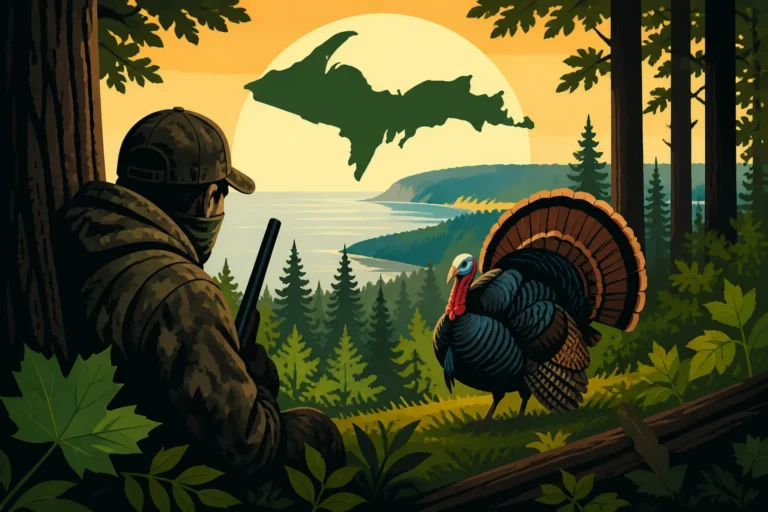
Upper Peninsula gobblers roost in pines, hemlocks or big hardwoods, but the vast timber has countless sites and a quiet fly-down, so hunters set up close early.

The run-and-gun hunting method helps Michigan state land hunters cover ground, escape crowds, and find unpressured deer.

White and red oak acorn drop timings help Michigan hunters track white-tailed deer feeding patterns and seasonal behavior.

Michigan turkey hunting strategies explain how to locate roosts, approach silently before dawn, and call gobblers successfully.

Michigan deer camp traditions unite families and friends through rustic cabins, shared stories, and generational hunting rituals.

Retrieving a harvested deer from a Michigan cedar swamp requires chest waders, fifty feet of rope, and proper quartering tools.

Recovering a Michigan whitetail from a cedar swamp or tag alder thicket requires navigating treacherous terrain, deep water, and dense vegetation.

Michigan deer hunters facing quick decisions under antler point restrictions learn strategies to evaluate legal rack requirements safely.