Michigan CWD Prevalence Rates
Michigan chronic wasting disease prevalence rates explain deer infection statistics and regional hotspots for hunters.
Know what you’re after.
Big game, small game, upland birds, and waterfowl — identification, behavior, rut and migration timing, and how each species moves through the season.
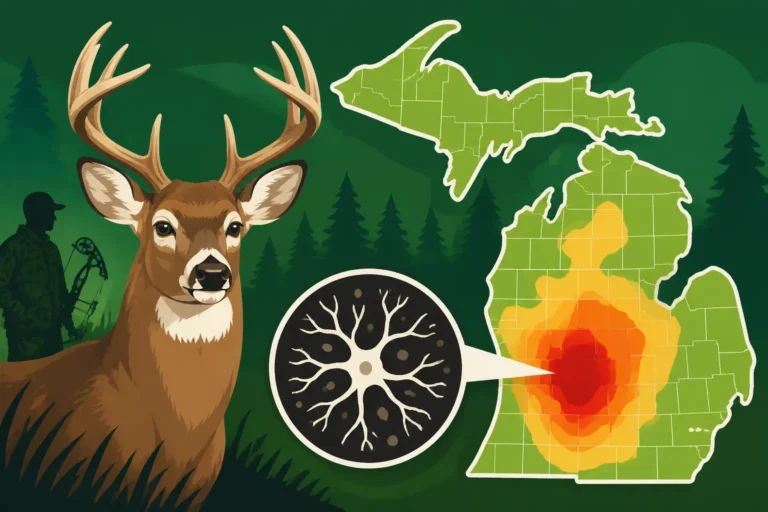
Michigan chronic wasting disease prevalence rates explain deer infection statistics and regional hotspots for hunters.
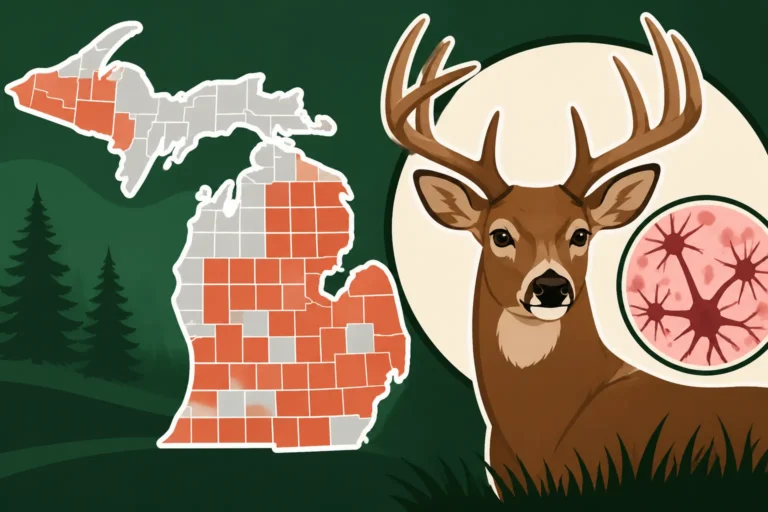
Chronic Wasting Disease in Michigan affects white-tailed deer herds, detailing its geographic spread, initial discovery, and management zones.
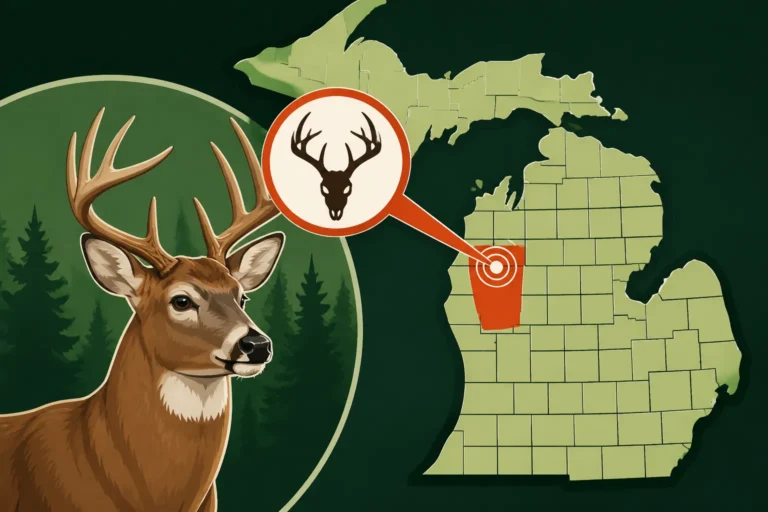
Chronic Wasting Disease in Michigan began in Ingham County when a free-ranging six-year-old doe tested positive in May 2015.
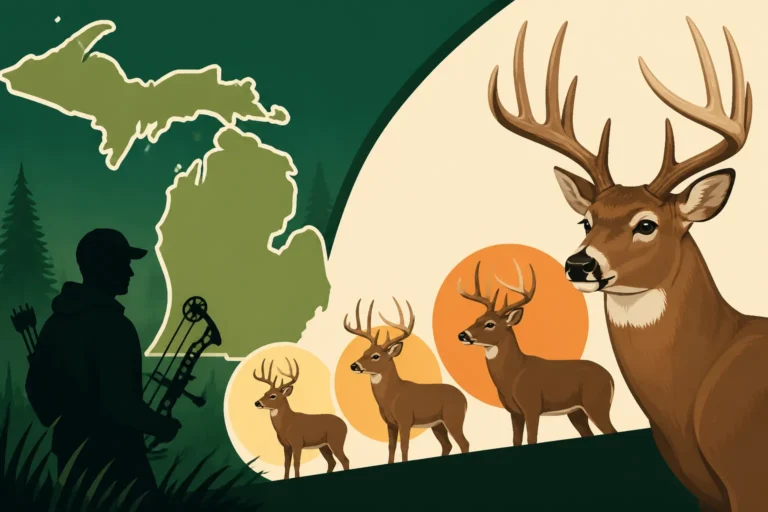
Michigan antler point restrictions protect yearling bucks from harvest to influence deer herd age structures across management units.
The Michigan deer rut timing driven by daylight hours and photoperiod creates a stable biological breeding peak for bucks and does.
The Michigan Deer Record Book officially documents trophy whitetail bucks harvested using Boone and Crockett and Pope and Young systems.
Michigan Boone and Crockett whitetails require understanding the scoring system, typical and non-typical classifications, and entry score minimums.
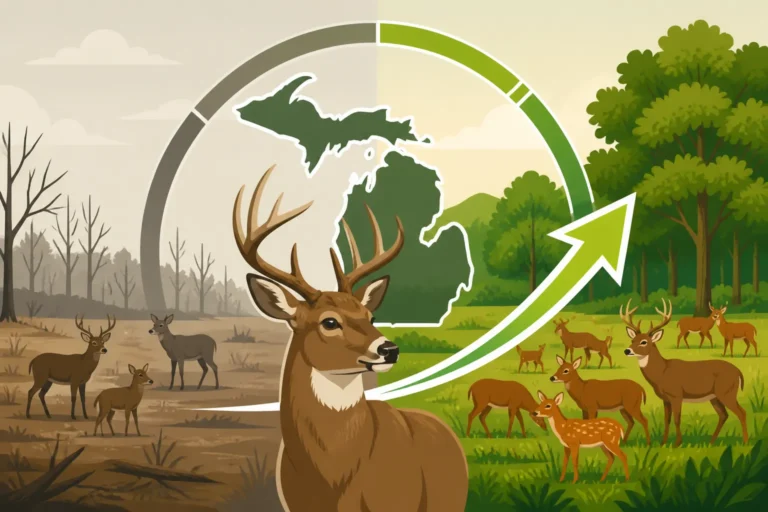
Michigan deer herd recovery timelines and the environmental factors, severe winters, and diseases affecting population numbers.
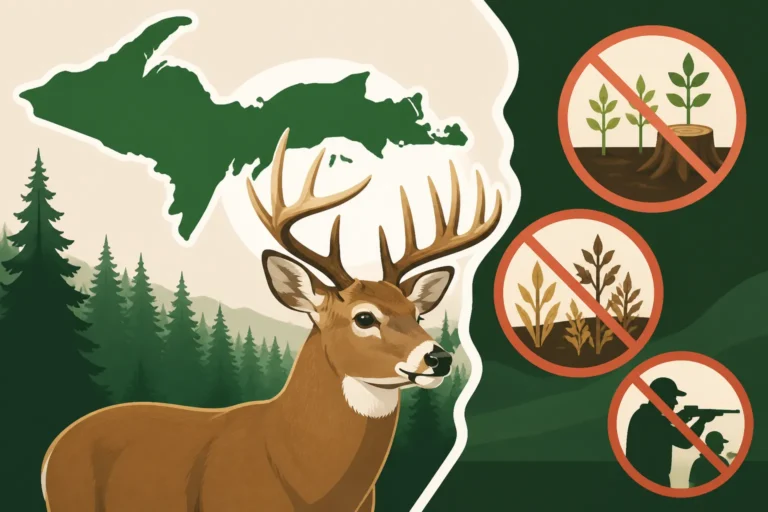
Michigan Upper Peninsula whitetail deer populations face primary survival limits from severe winter snow depth and food scarcity.
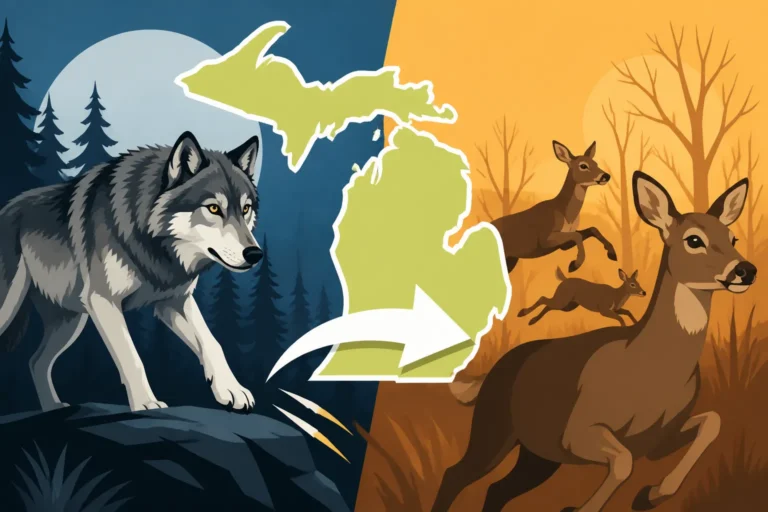
Michigan gray wolf recovery and harsh winter conditions shape deer herd size and populations across the Upper Peninsula.