Feral Swine in Michigan
Feral swine in Michigan threaten local ecosystems and agriculture by spreading diseases and destroying natural habitats.
Know what you’re after.
Big game, small game, upland birds, and waterfowl — identification, behavior, rut and migration timing, and how each species moves through the season.
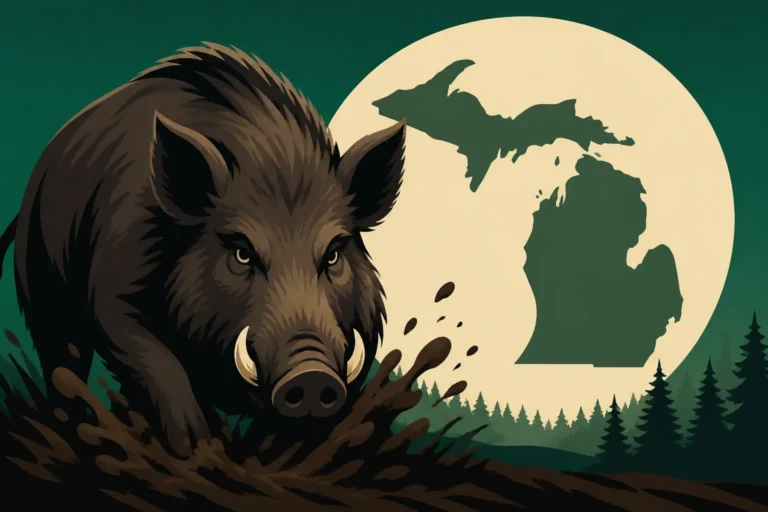
Feral swine in Michigan threaten local ecosystems and agriculture by spreading diseases and destroying natural habitats.
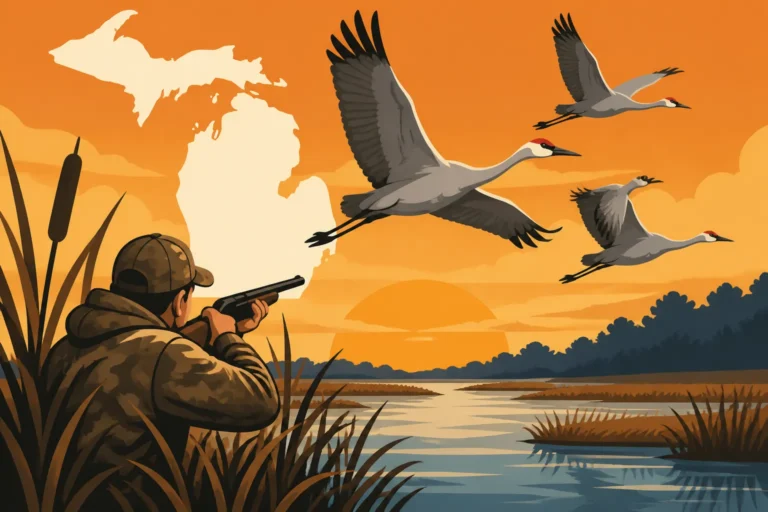
Michigan sandhill cranes recovered from near extinction through conservation, and now thrive across local wetlands and agricultural fields.
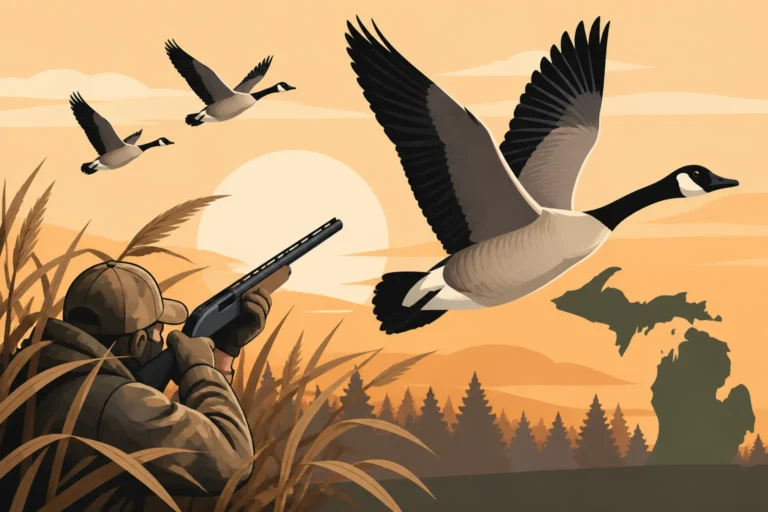
Canada geese biology, population trends, and hunting strategies in Southern Michigan explain resident and migratory flock behaviors.
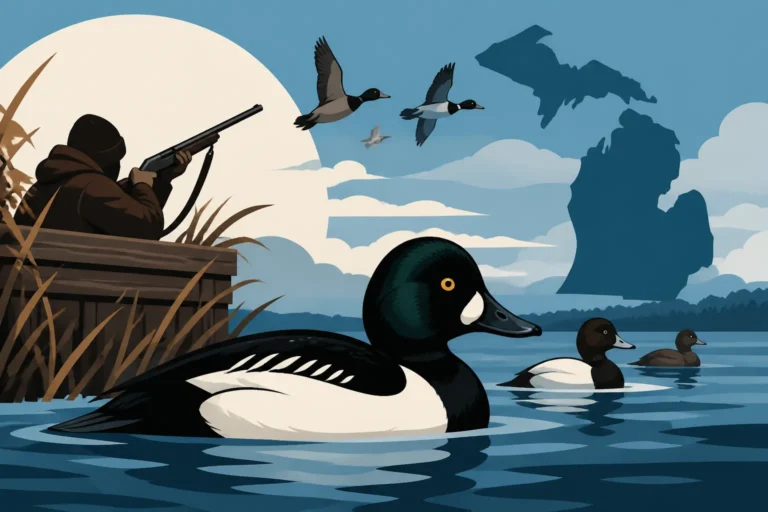
Michigan diver duck hunting on the Great Lakes explains species identification, migration patterns, and safe big water setups.
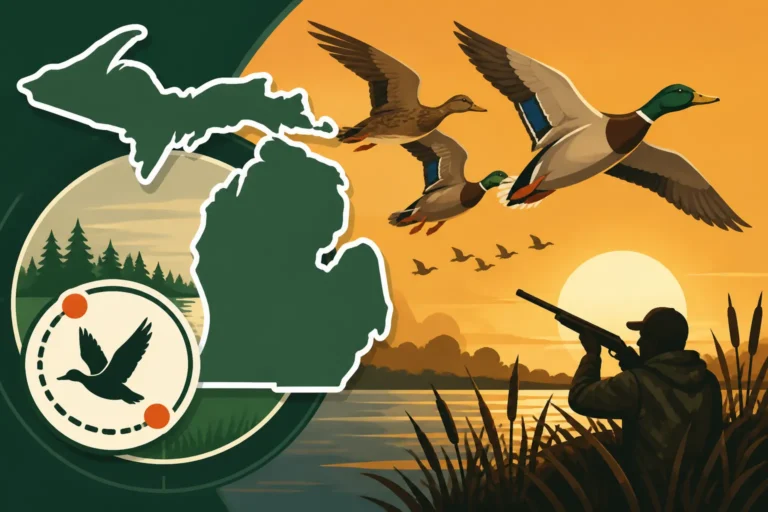
Michigan waterfowl migration timing depends on weather fronts, food availability, and three distinct regional hunting zones.
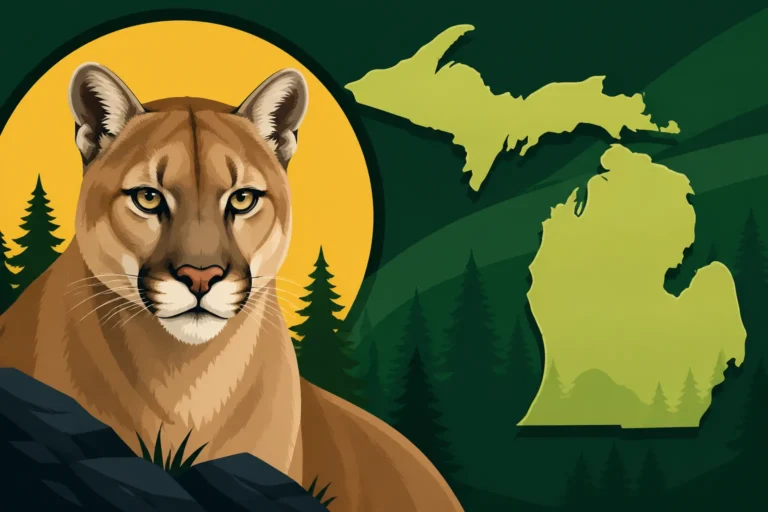
Confirmed cougar sightings in Michigan verified by Department of Natural Resources data prove mountain lions are present today.
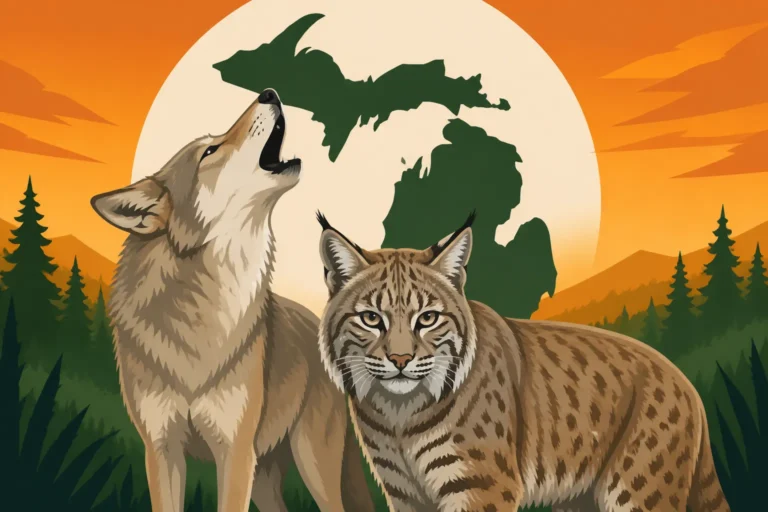
Michigan coyotes and elusive bobcats, their ecological roles, hunting regulations, and impact on deer populations across the state.
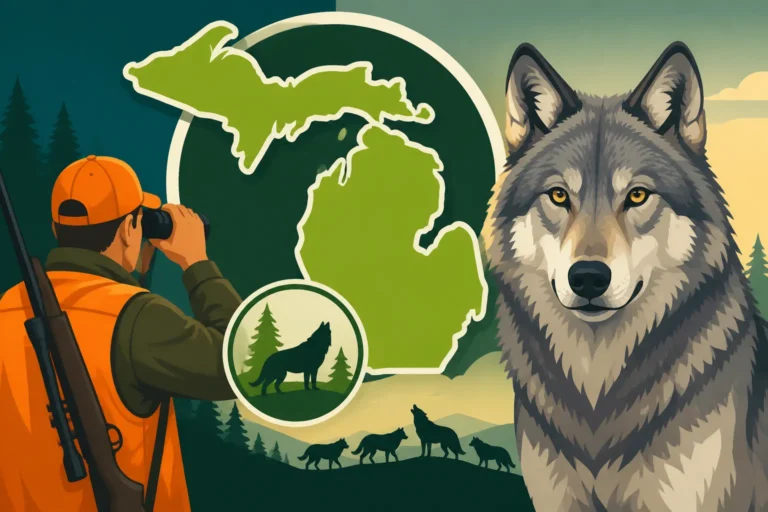
Michigan wolf management balances ecology, economics, and emotion, tracking population growth and historical return in the Upper Peninsula.
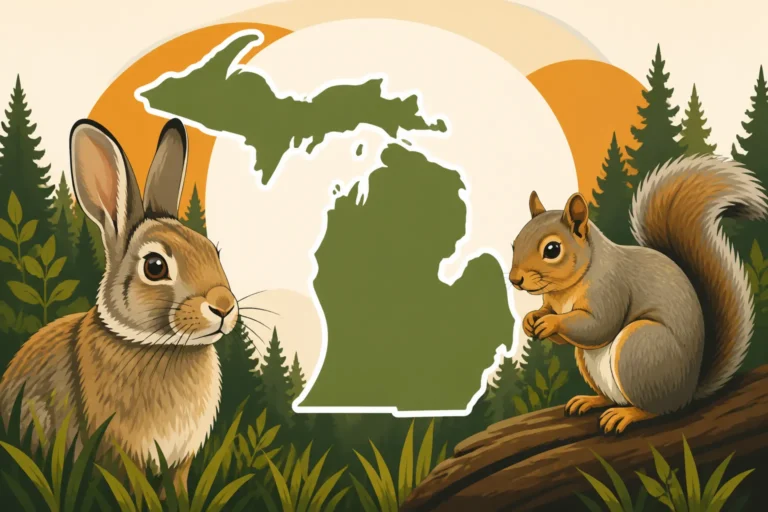
Michigan rabbit and squirrel populations indicate ecosystem health and offer traditional hunting opportunities across the state.
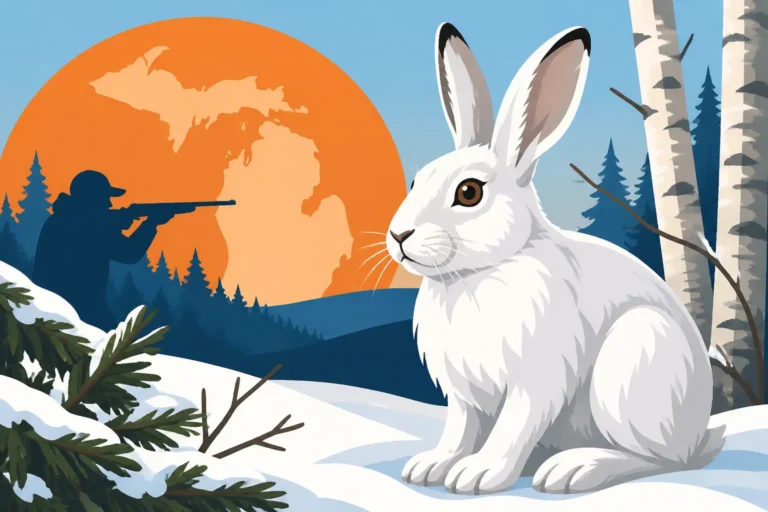
Snowshoe hare hunting strategies, nocturnal behavior, and dense conifer swamp habitats across the northern Michigan wilderness.