Finding Access Near Michigan Cities
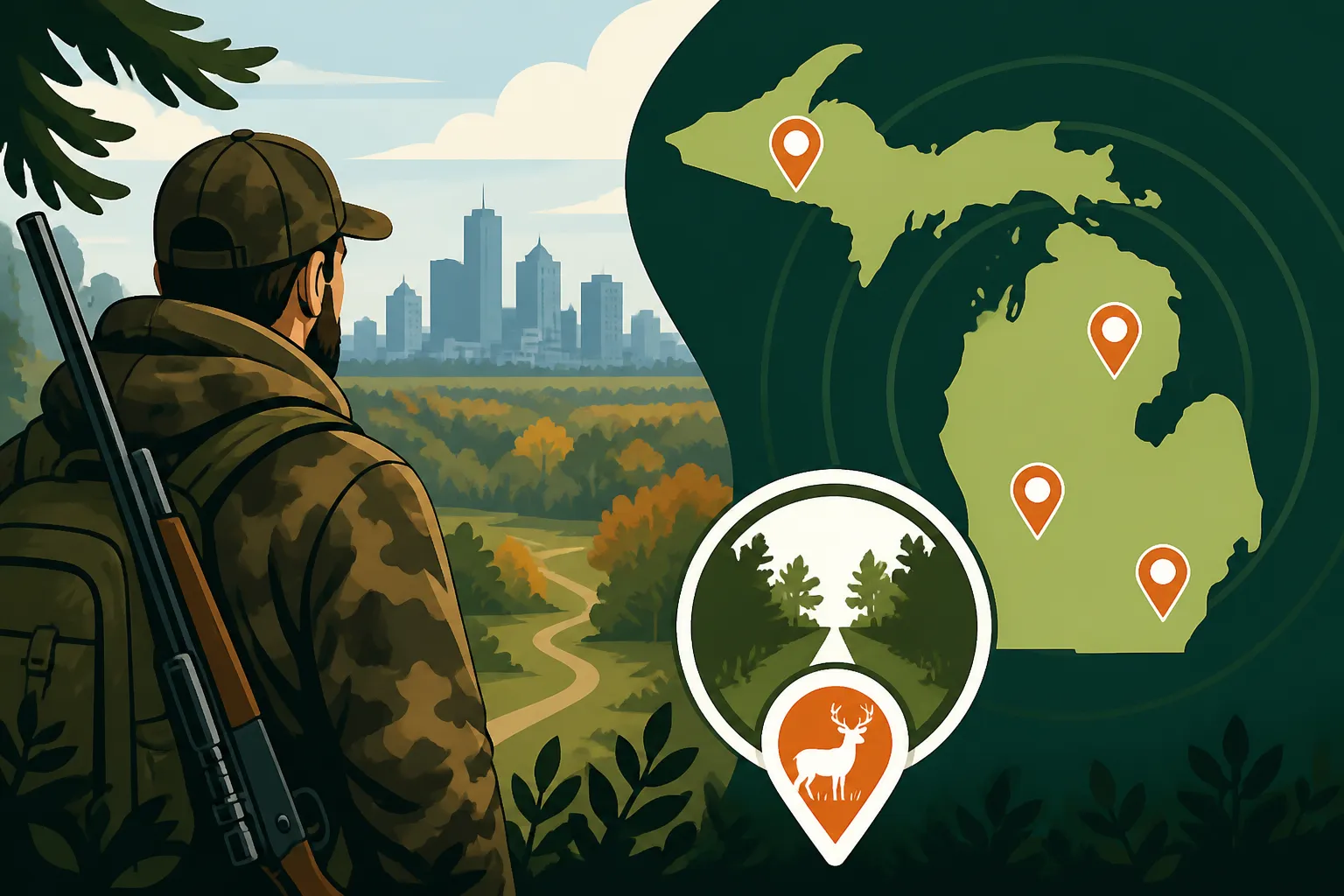
Many of us who live close to Michigan's bustling cities know the familiar pang of wanting to escape the concrete jungle and immerse ourselves in the quiet of the woods, shotgun or bow in hand. Yet, the thought of actually finding good hunting land without driving for hours can feel like a pipe dream, leaving us to believe the best spots are always "up north" or on private, locked-up acreage. This guide is designed to dismantle that frustration, showing you that quality hunting access, both public and private, can indeed be found surprisingly close to our urban centers, offering realistic strategies for hunters who aren't ready to spend half their day in traffic.
The Unique Challenges of Hunting Near Michigan Cities
Hunting close to home, especially when home is near a major metropolitan area like Detroit, Grand Rapids, or Lansing, comes with its own distinct set of hurdles. It's not the vast, uninterrupted wilderness you might find in the Upper Peninsula, but rather a patchwork of opportunities that require a different approach and mindset.
The Density Dilemma: Pressure and Competition
One of the most immediate challenges is simply the sheer number of people. More people often means more hunters, and more hunters can translate to increased competition for finite resources. Public lands near cities, while a blessing in terms of accessibility, can sometimes feel like a well-traveled thoroughfare on opening day or during peak weekends. You might find parking lots full before dawn, popular trails humming with activity, and sign-in sheets quickly filling up for managed hunts. This isn't to say it's impossible to find solitude or success; it just means you need to be smarter, more adaptable, and perhaps willing to work a little harder or walk a little further than others. The deer, turkey, or small game in these areas are often highly pressured, making them warier and more challenging to pattern. You're often hunting smarter, not necessarily harder, by understanding how game reacts to constant human presence.
Safety Zones and Restricted Areas
Another significant consideration when hunting near cities is the prevalence of safety zones and restricted areas. Michigan law dictates a "safety zone" of 150 yards around occupied buildings, which includes homes, barns, and other structures. Within this zone, it is illegal to discharge a firearm or bow. Near cities, these zones pop up everywhere. A promising woodlot might be completely unhuntable because it's bordered by houses on all sides, leaving no legal shooting lanes. This patchwork of legal and illegal areas can make scouting a head-scratching exercise, forcing you to meticulously check property lines and building locations. Furthermore, many parks, nature preserves, and even some municipal lands may have outright bans on hunting, or specific regulations regarding when and how hunting can occur. It’s crucial to know the specific rules for the area you're interested in, as they can vary greatly from one township or county to the next. Michigan Safety Zone Distance Rules are something every hunter should understand intimately, especially near development.
Understanding Local Ordinances
Beyond state-mandated safety zones, many cities, townships, and even homeowner associations have their own local ordinances that can impact hunting. These might include restrictions on discharging firearms or bows within city limits, bans on specific hunting methods, or even rules about transporting harvested game. While state law generally supersedes local ordinances in many aspects of hunting, it's always best practice to be aware of any local rules that could affect your outing. Imagine setting up for a morning hunt, only to find out a specific parcel of public land you're on has a noise ordinance that restricts early morning shooting, or that a new housing development has shifted the boundaries of what's considered a "safe" area to hunt. A quick call to the local sheriff's department or township office can save a lot of headaches, ensuring you're not inadvertently breaking any rules, which also helps maintain a positive image for hunters in general.
Unearthing Public Land Gems Near Urban Centers
While the thought of sprawling, unpressured wilderness might be limited near major cities, Michigan boasts an impressive amount of public land, much of which is surprisingly accessible even on the urban fringe. You just need to know where to look and how to approach these opportunities.
State Game Areas as Accessible Sanctuaries
Michigan's State Game Areas (SGAs) are often the unsung heroes for hunters living close to metropolitan areas. These lands are specifically managed for wildlife and public recreation, including hunting. While they might not be as vast as national forests, many SGAs are strategically located within reasonable driving distance of cities like Detroit, Grand Rapids, Lansing, and Kalamazoo. They offer diverse habitats, from marshlands perfect for waterfowl to dense timber for deer and turkey, and thick cover for rabbits and pheasants. Because they are often segmented and can be smaller, they can be overlooked by hunters seeking huge tracts of land, making them prime candidates for Finding Ground Others Walk Past. These areas are often intensively managed by the DNR, sometimes with food plots, timber cuts, and prescribed burns to enhance wildlife habitat. While they do see pressure, especially on weekends, those willing to scout midweek, arrive early, or walk a little further away from parking areas can often find productive, quieter pockets. For example, areas like the Sharonville State Game Area near Jackson or the Port Huron State Game Area offer varied terrain and opportunities just a stone's throw from more populated zones.
Exploring State Forests and Recreation Areas
Beyond dedicated SGAs, Michigan's extensive state forest system also offers hunting opportunities, even in the southern half of the Lower Peninsula where urbanization is highest. While the largest tracts of state forest are "up north," smaller, fragmented pieces can be found closer to cities. These might be part of larger state recreation areas or isolated parcels. These lands typically have fewer active management programs specifically for game than SGAs, but they still hold deer, turkey, and small game. The key here is diligent scouting. Look for areas with diverse habitat – patches of mature timber, brushy edges, small wetlands, or even overlooked creek bottoms. The more irregular the terrain or the thicker the cover, the more likely you are to find an undisturbed spot. Digital mapping tools are invaluable here for identifying these smaller, often less-trafficked parcels. Additionally, some state recreation areas, while primarily known for camping or hiking, do permit hunting in designated sections, so always check the specific rules for each park.
Managed Waterfowl Areas for the Bird Hunter
For those who chase ducks and geese, Michigan offers several managed waterfowl areas that can provide fantastic hunting opportunities surprisingly close to cities. Locations like Pointe Mouillee State Game Area near Detroit, Nayanquing Point Wildlife Area on Saginaw Bay, or the Fennville Farm Unit near Allegan are renowned waterfowl destinations. While these areas often operate on a draw system, requiring applications or early morning registration, they concentrate birds and offer high-quality hunting experiences. These managed areas are a prime example of accessible, productive hunting ground for a specialized pursuit. They draw dedicated bird hunters, but for those willing to learn the ropes of the draw system and commit to scouting and early mornings, the rewards can be incredible. These spots represent some of the Michigan Waterfowl on the Great Lakes and offer a unique chance to hunt species that might otherwise require long journeys. Public Ground Near Detroit and Public Ground Near Grand Rapids specifically have options that cater to waterfowl enthusiasts who reside in those urban areas.
| Access Type | Pros | Cons | Best Suited For |
|---|---|---|---|
| State Game Areas | Managed for wildlife, diverse habitat, often close to cities. | Can be crowded, intense pressure, smaller tracts. | Deer, turkey, small game, waterfowl (check specific rules). |
| State Forests/Rec. Areas | Less crowded than SGAs (sometimes), varied habitat. | Less intensive game management, may require more scouting. | Deer, small game, some turkey. |
| Managed Waterfowl Areas | Concentrated birds, high success rates (if drawn/registered). | Draw system/early registration, specialized gear required. | Ducks, geese. |
| Michigan HAP Lands | Guaranteed private land access, often agricultural areas. | Limited availability, specific rules, small tracts. | Deer, turkey, small game (permission varies). |
| Private Land (permission) | Unpressured game, close to home, potential for QDM. | Requires networking/asking, may be rejected, limited options. | Any game, depending on habitat and landowner's permission. |
Navigating Private Land Opportunities and Permissions
While public lands are a fantastic resource, private land often holds less pressured game and can be incredibly rewarding. The challenge is, of course, gaining access. However, for hunters near cities, small woodlots, creek bottoms, and agricultural fields often exist as pockets of prime habitat, and local landowners might be more open to granting permission than you think.
The Art of the Knock: Respectful Solicitation
The most direct, yet often intimidating, way to gain private land access is to simply ask. "Cold knocking" on doors requires courage, but it's often the best way to secure permission on smaller tracts of land that might not be part of formal hunting leases or programs. The key is respect, politeness, and timing. Approach landowners well before the season, during daylight hours, dressed neatly and without hunting gear. Start by introducing yourself and stating your intentions clearly. Offer to help with chores, share some of your harvest, or assist with nuisance wildlife problems like deer eating their garden. Be prepared for rejection, but don't let it deter you. Every "no" brings you closer to a "yes." Emphasize your commitment to safety, adherence to rules, and respect for their property. Asking a Michigan Farmer for Permission is a skill, and it’s one that can open up incredible opportunities. Remember, many landowners are simply tired of being asked by disrespectful individuals, so setting yourself apart with professionalism and sincerity goes a long way.
Michigan's Hunting Access Program (HAP)
For hunters daunted by cold calls, Michigan's Hunting Access Program (HAP) is an absolute game-changer, especially for finding close-to-city options. HAP leases private land from farmers and other landowners, opening it up to public hunting. The DNR handles the agreements, and hunters can access these parcels for free. These lands are primarily located in the southern Lower Peninsula, where private land dominates the landscape, making them incredibly valuable for hunters near cities like Battle Creek, Lansing, or Flint. HAP lands are marked with distinctive signs, and hunters simply need to follow the rules posted on the property, which often include specific parking areas, allowed species, and reporting requirements. This program takes the guesswork and awkwardness out of asking for permission, providing legal, vetted hunting opportunities. It’s important to check the HAP website regularly, as properties can change from year to year. Michigan Hunting Access Program Farms are a fantastic resource, particularly for deer and small game, offering a unique blend of private land quality with public accessibility.
Building and Maintaining Landowner Relationships
Once you gain permission on private land, whether through HAP or direct contact, the real work begins in building and maintaining that relationship. This isn't just about securing a spot for one season; it's about fostering a long-term partnership. Always follow through on any promises you made, whether it's helping with chores, sharing venison, or simply sending a thank-you note. Respect the landowner's property as if it were your own, and then some. This means packing out all trash, closing gates, avoiding driving on wet fields, and being mindful of their farming operations or daily routines. If you see something amiss on their property, like trespassers or downed fences, let them know. A little communication goes a long way. Checking in with them periodically, even outside of hunting season, can reinforce your appreciation. Remember, a good hunting spot on private land is a privilege, not a right, and a respectful, reliable hunter is a treasure to a landowner. This stewardship helps not only your own hunting opportunities but also the perception of all hunters in the community. Hunting Small Private Tracts in Michigan can be immensely rewarding if these relationships are cultivated.
Tools and Tactics for Locating Prime Spots
In today's hunting world, finding good ground, especially near populated areas, often comes down to leveraging modern technology and smart scouting strategies. Gone are the days of just wandering aimlessly; precision and efficiency are key.
Digital Mapping and Satellite Imagery
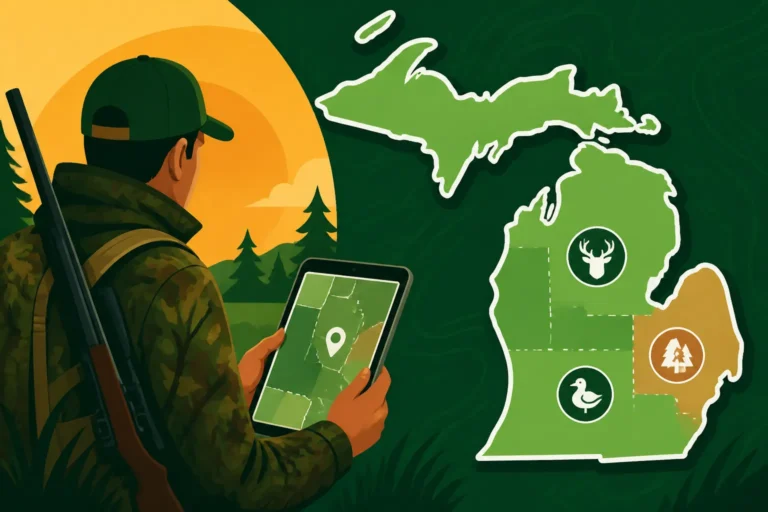
Without a doubt, digital mapping applications like onX Hunt and GoHunt have revolutionized the way hunters find and navigate land. For those hunting near Michigan cities, these tools are indispensable. They allow you to view detailed satellite imagery, overlay property lines (crucial for distinguishing between public and private land, especially in fragmented areas), identify public land parcels, and mark potential hunting spots from your couch. You can instantly see onX Layers for Michigan Land Status, which clearly differentiates between state game areas, state forests, and private parcels. You can identify potential access points, dense cover, water sources, and pinch points that might concentrate game movement. Before even setting foot in the woods, you can scout hundreds of acres virtually, saving valuable time and fuel. These apps also function offline, meaning you can navigate confidently even in areas with no cell service, a common occurrence even surprisingly close to some Michigan cities. They're invaluable for identifying Public Ground Near Lansing or other urban centers that might not be obvious from the road. Using Mi-HUNT on a Phone is another excellent, free resource provided by the DNR that offers similar, though sometimes less detailed, mapping capabilities for state-managed lands.
Scouting Beyond the Obvious
Even with the best mapping tools, nothing replaces boots-on-the-ground scouting. However, when hunting near cities, you need to scout smarter. Don't just look for the obvious deer trails or rubs. Think about how human pressure influences game movement. Deer in urban-adjacent areas often become almost entirely nocturnal, and they seek out the thickest, nastiest cover during daylight hours. This might be a small, overgrown creek bottom, a forgotten corner of a woodlot that's too swampy for most people to enter, or a dense thicket right on the edge of a subdivision that provides an immediate escape route. Look for less accessible areas, even on public land. Is there a back entrance that requires a longer walk? A swampy section that deters most hunters? These are often the places where deer will bed during the day. Consider the edges of development as well – game animals often thrive on the "edge effect" where different habitats meet, and urban-wildland interfaces provide unique forage and cover opportunities. Focus on areas that offer sanctuary from human intrusion, even if that sanctuary is surprisingly small.
Leveraging Local Knowledge and DNR Resources
Don't underestimate the power of local knowledge. Visit small-town diners, bait shops, or even local hardware stores. Strike up conversations with locals (respectfully, of course). While no one will give away their secret spot, you might pick up clues about general deer movement patterns, areas with consistent turkey activity, or even an introduction to a landowner. The Michigan Department of Natural Resources (DNR) website and local DNR offices are also goldmines of information. They often provide maps of specific State Game Areas, details on HAP lands, and updates on wildlife populations and regulations. Biologists and wildlife technicians can sometimes offer general advice on productive areas or how certain species are faring in specific regions. Joining local hunting clubs or online forums can also connect you with experienced hunters who can offer guidance, provided you contribute to the community rather than just asking for handouts.
Responsible Hunting and Community Relations in Populated Areas
Hunting near cities isn't just about finding game; it's also about being an exemplary ambassador for hunting itself. The closer you are to non-hunting residents, the more visible your actions become, and the greater the potential impact on public perception.
Adhering to Safety Zones and Ethical Practices
As discussed, Michigan's 150-yard safety zone is non-negotiable around occupied buildings. But "legal" doesn't always mean "best practice." When hunting near residential areas, consider going beyond the minimum legal distance if possible. Your goal should be to ensure complete safety and minimize any perceived risk or disturbance to residents. Always have a clear understanding of your target and what lies beyond it. This means knowing your backstop thoroughly, even if it's just a rise in the terrain or a dense stand of trees. In urban-adjacent areas, stray bullets or arrows are not just a legal issue, but a profound public relations nightmare for the entire hunting community. Ethical shot placement, minimizing animal suffering, and quick, efficient recovery are paramount. If you must track a wounded animal onto private property where you don't have permission, it's crucial to Retrieving Game From Private Land properly by contacting the landowner before entering, or involving local law enforcement if permission cannot be obtained.
Minimizing Impact and Maintaining a Positive Image
Beyond safety, consider the optics of your actions. Parking your vehicle conspicuously on a busy road, especially if it's loaded with game, might draw unwanted attention or complaints. Try to be discreet. When field dressing an animal, move it to a less visible location if possible. If you're on private land, ensure you leave no trace behind – pack out all your trash, shell casings, and anything else you brought in. Always treat landowners and local residents with courtesy and respect, even if they aren't directly involved in your hunt. A simple wave or friendly greeting can go a long way. Being a quiet, respectful presence can prevent complaints and foster a more positive view of hunting in the community. Remember, every hunter's actions, especially those close to residential areas, reflect on the entire hunting community. Our privilege to hunt is often dependent on positive public perception.
Understanding the Public Perception of Hunting
It’s an undeniable fact that many people living in or near cities may not understand hunting, or might even hold negative views. While you don't need to justify your passion to everyone, being mindful of this perception is important. Avoid any behavior that could be misconstrued or alarm non-hunters. This means handling firearms responsibly and discreetly, especially in public view. It means avoiding any signs of disrespect for harvested game. In essence, conduct yourself as a professional and a conservationist. By consistently demonstrating ethical behavior, respect for the land, wildlife, and fellow citizens, you help build a stronger, more positive image for hunting in Michigan. This ensures that future generations will continue to have access to these invaluable outdoor pursuits, even as urban areas continue to expand.
Disclaimer
This article is for general informational purposes only and does not constitute professional advice. Laws, prices and regulations vary by location and change over time. Consult a qualified professional for guidance on your specific situation.