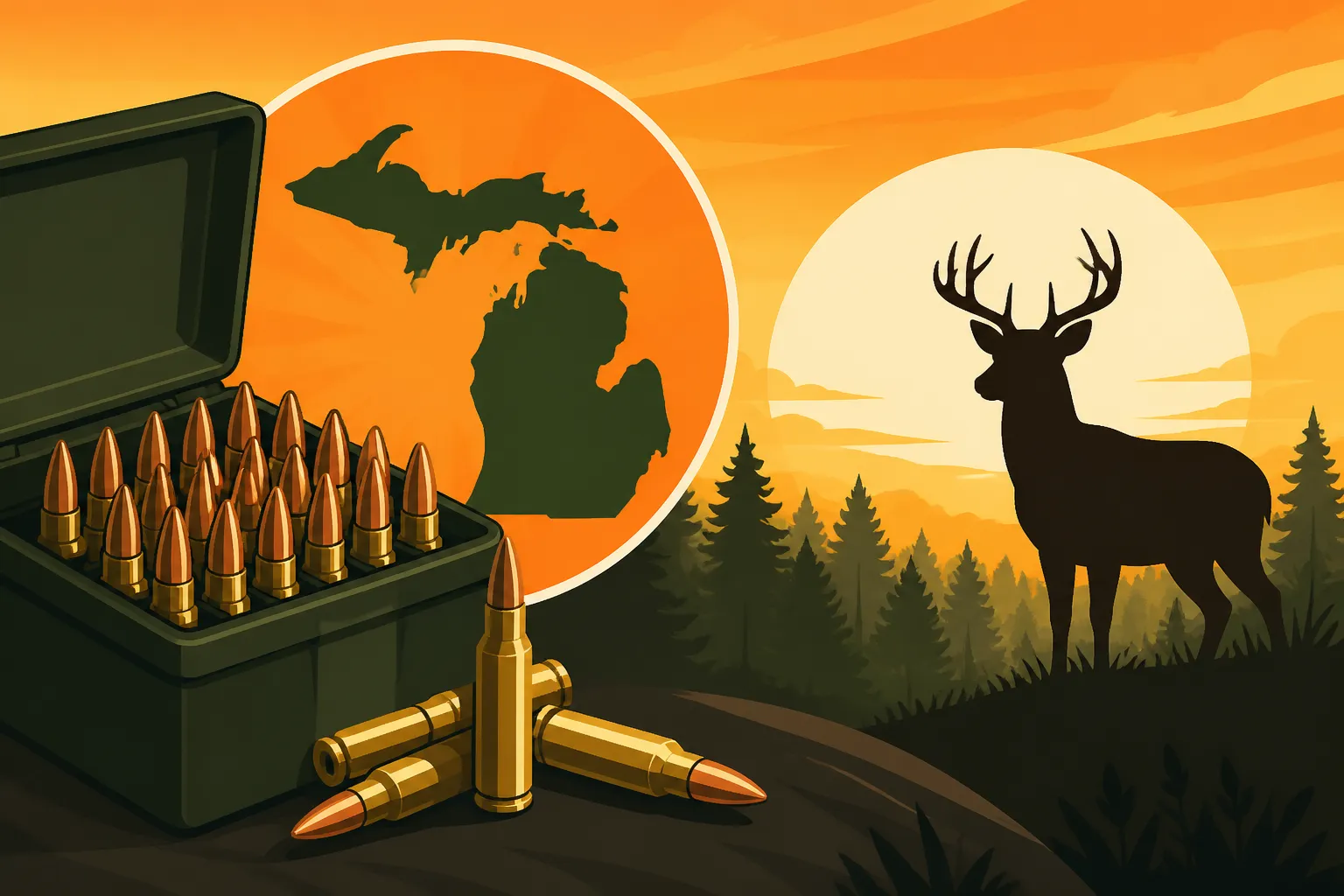
Ammunition Availability Before Opening Day
That sinking feeling in your gut when you realize opening day is just a couple of weeks away, and your trusty sporting goods store is completely out of your preferred deer slugs or rifle ammunition? It's a common, incredibly frustrating scenario for Michigan hunters, especially with all the unpredictable ups and downs in supply chains. You've got your stand hung, your scent control locked down, and your vacation time approved, only to hit a brick wall on the most fundamental piece of your setup: your bullets. This guide is all about helping you understand why ammunition availability can be so volatile, and more importantly, how you can proactively ensure you're never left scrambling for rounds as hunting season closes in.
The Unpredictable Nature of Ammunition Supply
Let's be real, the world of ammunition isn't always stable. It feels like one minute shelves are full, and the next, your favorite box of slugs is nowhere to be found, leaving you in a panic right before you head out into the Michigan hardwoods. This isn't just bad luck; there are some genuine forces at play that create these frustrating droughts.
Demand Spikes and Manufacturing Realities
One of the biggest culprits behind empty ammo shelves is the sheer unpredictability of demand. When there's a big election, new regulations proposed, or even just a general sense of unease, hunters and sport shooters tend to stock up. And I mean really stock up. This surge in buying empties out inventories far faster than manufacturers can possibly replenish them. Imagine a rush on toilet paper, but for bullets – it’s that kind of intense, often irrational, buying spree. Manufacturers operate on certain production cycles, and they can't just flip a switch and double their output overnight. It takes time, raw materials, specialized machinery, and skilled labor to produce quality ammunition safely.
What often happens is that major manufacturers prioritize popular calibers and loads that move quickly off shelves year-round. If you're shooting a slightly more niche caliber, or a specific brand and grain weight of slug that's known for its accuracy in your shotgun, you might find yourself out of luck during these high-demand periods. They simply can't make everything for everyone all the time when their capacity is maxed out. This means if you wait until October to look for that particular .450 Bushmaster round, you might be met with disappointment, especially in areas Where Michigan Restricts Rifles for Deer makes straight-wall cartridges incredibly popular.
Impact of Economic Factors and Raw Material Costs
Ammunition isn't just lead and brass; it's a complex product influenced by global economics. The cost and availability of raw materials like copper, lead, and gunpowder can fluctuate dramatically. Geopolitical events, trade policies, and even the price of oil can all ripple down to the cost and accessibility of your hunting rounds. When these raw material costs go up, manufacturers might slow production or raise prices, making it harder for distributors and retailers to keep a steady supply on hand.
Furthermore, economic downturns or uncertainties can affect consumer spending habits, causing people to hold onto their money more tightly, which then impacts how retailers stock their shelves. If they're unsure if a particular type of ammo will sell at a higher price, they might order less, creating localized shortages. It's a delicate balance, and Michigan hunters often feel the brunt of these larger economic forces when they're simply trying to buy a box of shells for Michigan Deer Seasons and Tags.
Regional and Localized Shortages
Even when national supplies seem stable, you can still run into localized shortages right here in Michigan. This can be due to a variety of factors. Perhaps a specific distributor had an issue, or a large retailer bought out a significant portion of a particular load to supply their own chain, leaving independent shops high and dry. I've seen it happen in my own neck of the woods where one county's stores are bare, but a county over, shelves are reasonably stocked.
Hunting pressure and popularity of certain game species also play a role. If a particular area of Michigan is known for excellent deer hunting, or if Michigan Black Bear Hunting season is approaching, expect higher demand for common deer and bear calibers in those regions. This is where being prepared early, well before the buzz of hunting season starts, becomes absolutely critical.
Proactive Strategies for Securing Your Hunting Rounds
Given the unpredictable landscape of ammunition availability, waiting until the last minute is a recipe for stress and potential disappointment. The best offense is a good defense, and that means being proactive about your ammunition supply.
Early Bird Gets the Bullet: Purchase Well in Advance
This might sound like common sense, but you'd be surprised how many hunters push off buying their ammo until they're making their last-minute scouting trips. The single most effective strategy is to purchase your hunting ammunition months, if not an entire year, before you plan to use it. Think about buying next year's deer rifle ammo right after this year's season closes, or picking up your turkey loads in the fall.
By doing this, you avoid the seasonal rush and the frantic searches when everyone else is trying to do the same thing. Stores are usually better stocked in the off-season, and you'll have a wider selection of brands, bullet weights, and types. This also gives you time to test different loads at the range, ensuring your chosen ammunition groups well with your specific Rifle Setups for Michigan Deer or shotgun. There's nothing worse than finding a box of ammo only to discover it shoots like a pattern of buckshot out of your firearm.
Knowing Your Caliber and Its Commonality
Are you shooting a widely available caliber like a .30-06, .270, or 12-gauge slug? Or do you prefer something a bit more unique, like a 6.5 Creedmoor or a specific straight-wall cartridge like the .350 Legend or .450 Bushmaster, which are incredibly popular in Michigan's Limited Firearm Zone? The commonality of your chosen caliber directly impacts its availability. While popular calibers can still face shortages during peak demand, they are generally produced in much larger quantities and are restocked more frequently.
If you shoot a less common caliber, it becomes even more vital to stock up when you see it. Don't assume it will be there next month. Keep a mental note of how often you see it on shelves and if possible, buy a few boxes more than you think you need. For example, if you hunt in an area that allows Straight-Wall Cartridges Legal in Michigan, understand that demand for those specific rounds will be incredibly high throughout the firearm season. Using online tools or apps can help you track inventory in larger stores, and even a quick call to your local gun shop might save you a wasted trip.
Building Relationships with Local Retailers
In an age of online shopping, don't underestimate the power of your local, independent gun store. These small businesses often have their finger on the pulse of the local supply chain and can sometimes get their hands on harder-to-find items before the big box stores. Building a relationship with the staff means they might remember your preferred caliber or even give you a heads-up when a new shipment arrives.
Think of it as fostering a community. These are often hunters and shooters themselves, and they understand the frustration. They might even have a small stock they hold for their regulars, or know when to expect a truck. While major online retailers can offer convenience, they often lack that personal touch and local knowledge that can be a lifesaver when you're looking for that last box of slugs for Michigan's November Firearm Deer Season.
When Your Go-To Ammo Vanishes: Contingency Plans
Despite your best efforts, sometimes the shelves are just bare. It happens to the best of us. But don't despair! Having a backup plan (or two) can save your hunting season. This is where being adaptable and open to alternatives really pays off.
Considering Alternative Loads or Brands
Your first choice might be gone, but that doesn't mean all ammunition for your firearm is unavailable. If your usual 150-grain soft point for your .30-06 isn't there, check for a 165-grain or even a different brand. While consistent accuracy often comes from sticking with one load, a different bullet weight or brand might still deliver acceptable accuracy for hunting distances, especially in the thick Michigan cover where shots are often less than 100 yards.
It's crucial, however, that you do not just grab any box and head to the woods. Any change in ammunition requires a trip to the shooting range to re-zero your rifle or pattern your shotgun. Different loads will shoot to different points of impact, and what might be a perfect shot with one type of ammo could be a clean miss with another. This is also a good time to double-check that your Rifle Scopes for Low-Light Swamps are still perfectly dialed in. Take the time, even if it's just a quick check, to confirm accuracy. It's an ethical responsibility to ensure a clean kill.
Exploring Different Retail Channels
If your usual store is empty, don't just give up. Expand your search. This might mean checking:
- Smaller, independent gun shops: As mentioned, they sometimes have different supply lines or smaller, less picked-over stock.
- Farm and fleet stores: Places like Tractor Supply or Rural King often carry a surprising amount of ammunition, sometimes flying under the radar of the mainstream hunting crowd.
- Online retailers: While shipping times can be a factor closer to season, many reputable online vendors have much larger inventories than brick-and-mortar stores. Just be sure to factor in shipping costs and verify state and local regulations for ammunition purchases.
- Gun shows: These can be a treasure trove, though prices might be higher. They offer a chance to haggle and find specialty items.
- Neighboring towns/counties: Sometimes just crossing a county line makes all the difference.
Many hunters use resources like GoHunt to plan their hunts, and a good planning strategy extends to your gear, including ammunition. While GoHunt primarily focuses on hunting analytics and mapping, the principle of thorough preparation applies. Checking online forums or using community features on platforms like GoHunt might give you leads on local stores with stock, or at least let you know if a shortage is widespread.
The Reloading Option
For some Michigan hunters, reloading isn't just a hobby; it's a necessity, especially when factory ammunition becomes scarce or prohibitively expensive. Reloading allows you to produce custom ammunition tailored to your specific firearm, often with superior accuracy, and at a fraction of the cost of factory new rounds. This option provides immense self-sufficiency and control over your ammo supply.
However, reloading requires a significant upfront investment in equipment (press, dies, powder scale, primers, powder, bullets, cases) and a commitment to learning proper, safe techniques. It's not something you can pick up a week before opening day. It's a long-term strategy for those serious about their shooting and hunting. But for those who embrace it, it virtually eliminates the stress of ammunition availability before opening day, ensuring you always have rounds for Muzzleloader Deer Hunting in Michigan or even that special custom load for Hunting Southern Michigan Farm Country Deer Hunting.
Here’s a quick comparison of common ammunition sources:
| Source Type | Pros | Cons | Best For |
|---|---|---|---|
| Local Gun Shops | Personalized service, local knowledge | Limited stock, potentially higher prices | Niche calibers, building relationships, urgent needs |
| Big Box Stores | Wider selection (when stocked), competitive pricing | Frequent shortages during peak season, less personalized | Common calibers, everyday purchases |
| Online Retailers | Vast inventory, often good prices | Shipping delays, regulatory checks, no immediate need | Stocking up off-season, hard-to-find items |
| Farm & Fleet Stores | Unexpected finds, less competition | Smaller selection, inconsistent stock | Last-minute checks, less common hunting-specific items |
| Gun Shows | Opportunity to find unique items, haggle | Potentially higher prices, specific dates, large crowds | Specialty items, networking, finding older or surplus ammo |
| Reloading (DIY) | Ultimate control, cost-effective long-term | High upfront cost, time-consuming, requires skill/safety | Self-sufficiency, precision shooting, niche calibers, long-term supply assurance |
Building a Resilient Ammunition Stockpile for Future Seasons
The best way to combat future ammunition availability issues is to learn from past shortages and build a smart, resilient stockpile. This isn't about hoarding; it's about being prepared and ensuring you can pursue your passion for hunting without unnecessary stress.
The "Buy One, Shoot One" Mentality
A simple but effective rule of thumb is the "buy one, shoot one" or "two is one, one is none" approach. For every box of ammunition you open and use, try to replace it with a new box as soon as possible, ideally shortly after your hunt is over, not right before the next one starts. This way, your supply never dips critically low. If you shoot 20 rounds testing your Bow Setups for Michigan Whitetails or confirming your zero with your rifle, buy another box of 20 or 50 rounds to put back on the shelf.
This consistent replacement strategy prevents you from being caught flat-footed when a sudden shortage hits. It also spreads out the financial cost, making it less of a burden than buying several boxes all at once. Even if you typically rely on platforms like GoHunt for harvest data or public land maps, remember that brick-and-mortar stores are still crucial for specific purchases. Make that extra trip for ammo an integral part of your post-hunt routine.
Safe and Proper Ammunition Storage
Building a stockpile is only effective if your ammunition remains viable. Proper storage is paramount. Ammunition should be stored in a cool, dry place, away from direct sunlight, extreme temperature fluctuations, and moisture. A climate-controlled environment, like a closet inside your home, is far better than a damp basement or an uninsulated garage that gets scorching hot in summer and freezing in winter.
Ammunition cans, often military surplus, are excellent for long-term storage as they are typically airtight and waterproof, protecting your rounds from environmental degradation. Label your cans clearly with the caliber, bullet type, and purchase date. While modern ammunition has a very long shelf life when stored correctly (decades, typically), rotating your stock (using older ammo first) can be a good practice. Always ensure it's stored securely and out of reach of children or unauthorized individuals.
Diversifying Your Firearm Calibers
This might sound extreme, but having multiple hunting firearms chambered in different, commonly available calibers can add another layer of security. If your primary deer rifle chambered in .308 suddenly can't find ammo, perhaps you have a 12-gauge slug gun for Shotguns and Slugs in Michigan's Restricted Zone, or even a muzzleloader for Muzzleloader Tactics in December Cold. This diversification isn't about replacing your favorite; it's about having options when your first choice isn't available.
It ensures that even if one specific type of ammunition disappears from shelves, you still have a viable hunting option. This strategy requires more investment in firearms and optics, but for serious Michigan hunters who can't bear the thought of missing a season due to ammo shortages, it's a worthwhile consideration. Tools and resources from services like GoHunt can aid in comprehensive hunt planning, ensuring every detail, right down to your ammunition, is considered, but personal preparedness is always king.
Ultimately, navigating ammunition availability before opening day in Michigan requires foresight, flexibility, and a commitment to proactive preparation. Don't let a lack of bullets derail your hunting season. Plan ahead, stock wisely, and always confirm your zero!
Disclaimer
This article is for general informational purposes only and does not constitute professional advice. Laws, prices and regulations vary by location and change over time. Consult a qualified professional for guidance on your specific situation.