Waterfowl Loads for Michigan Divers
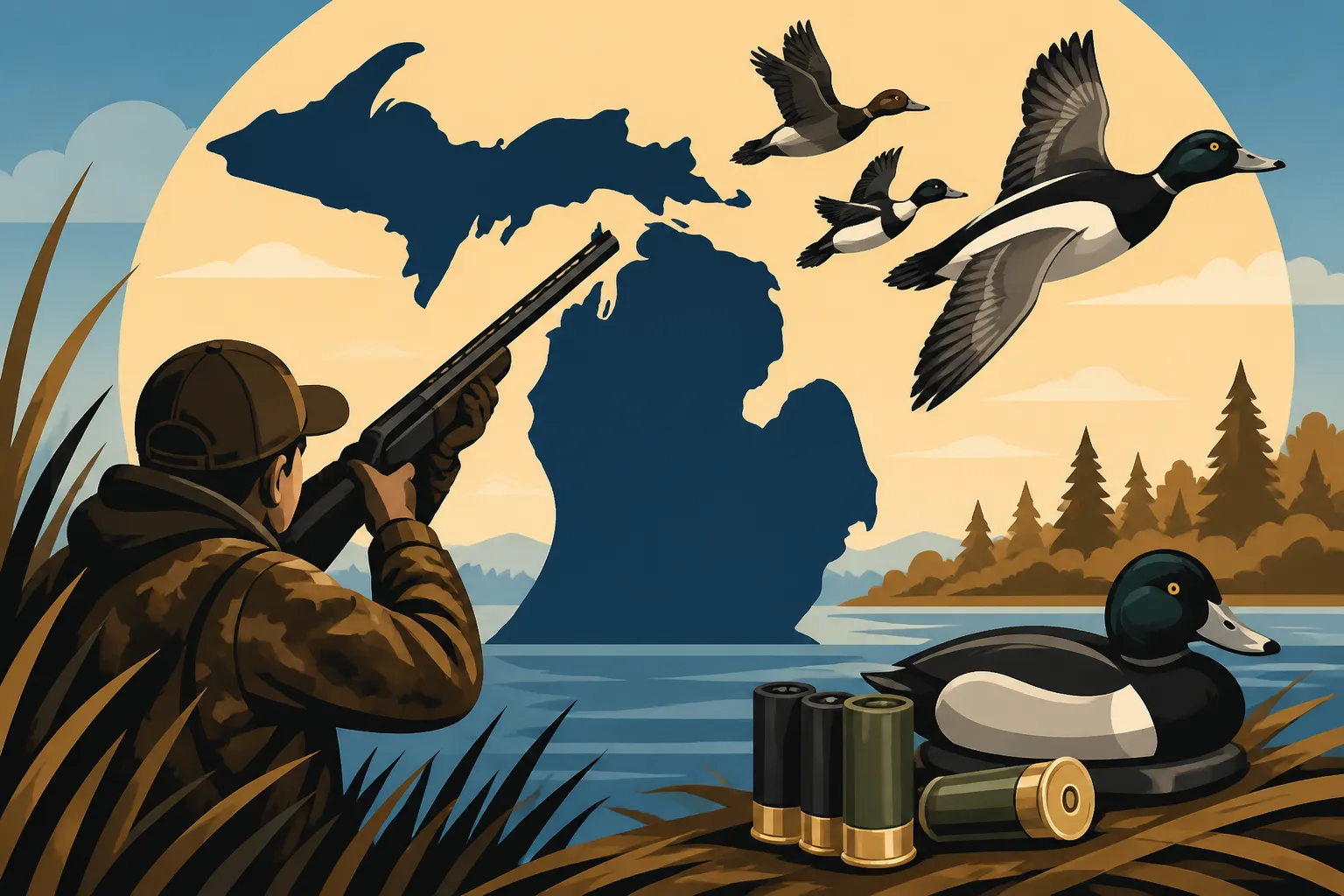
Michigan's Great Lakes and vast inland waters offer some truly exhilarating diver duck hunting, but let's be honest, it's not for the faint of heart, nor is it forgiving on your gear. Trying to knock down a fast-flying canvasback or a tough goldeneye over big, open water with the wrong load can lead to nothing but frustration, wasted shells, and worst of all, crippled birds. This guide is all about cutting through the confusion of waterfowl loads, specifically for those hardy Michigan divers, so you can make informed choices that put more birds in the boat and fewer cripples on the water.
The Unique Demands of Michigan Diver Hunting
Hunting diver ducks in Michigan isn't like jump-shooting wood ducks in a quiet creek or field hunting geese over cut corn. These birds are built for speed and cold, often rough water, and the conditions you hunt them in are equally challenging. You need a load that can reach out, hit hard, and perform reliably when the weather turns nasty.
Understanding Michigan's Diver Species and Habitats
Michigan is a prime destination for a variety of diver species. You'll encounter everything from the iconic Canvasbacks and Redheads, known for their incredible speed and wariness, to the feisty Lesser and Greater Scaup (Bluebills), quick Goldeneyes, and the unique Buffleheads and Ring-necked Ducks. Each species has its own flight characteristics, but one thing they all share is a dense feathering and often thick fat layers, especially as the season progresses and they build up reserves for migration. This means they can take a hit and keep going if your load isn't up to snuff.
These birds typically congregate on large bodies of water like Lake St. Clair, Saginaw Bay, and the various Great Lakes shorelines, as well as many of our larger inland lakes. Hunting these areas means dealing with open water, wind, waves, and often long shots as birds skirt the decoys. You're rarely shooting over calm, sheltered water. When you're Diver Ducks on the Great Lakes, you quickly learn that these birds are tough customers.
The Challenge of Big Water and Weather
Hunting divers often means braving the elements. Cold temperatures, whipping winds, driving rain, and even snow are common occurrences during Michigan's waterfowl seasons. Your gear, including your ammunition, needs to be able to handle it all. A shell that performs well on a sunny, calm October day might let you down when a November gale is blowing across Lake Erie.
The distances involved are also a critical factor. While ethical hunting dictates shooting at ranges where you can consistently harvest birds cleanly, divers often present shots in the 30- to 45-yard range, and sometimes a bit further if conditions are tough and birds are wary. This is where your load truly earns its keep. You need enough energy and a dense enough pattern to ensure a clean kill, not just a feather-ruffling hit. Many hunters find that Layout Hunting Michigan Big Water specifically requires thinking about the extended ranges these birds will present.
Navigating Non-Toxic Shot Regulations in Michigan
Before we even talk about specific loads, it's absolutely crucial to understand the rules. In Michigan, as with all waterfowl hunting across the United States, you must use non-toxic shot. This isn't just a suggestion; it's the law, and violating it can lead to serious penalties.
Federal Mandates and State Law
The requirement for non-toxic shot for all waterfowl hunting in the United States, including Michigan, stems from federal regulations put in place by the U.S. Fish and Wildlife Service. This rule has been in effect for decades, primarily to protect waterfowl and other birds from lead poisoning. When lead shot is deposited in wetlands, ducks and geese can ingest it while feeding, leading to illness and death. Predators and scavengers can also be affected by eating contaminated carcasses.
Michigan's state hunting regulations fully align with this federal mandate. This means that if you're targeting any species classified as waterfowl – ducks, geese, mergansers, or coots – your shotgun shells must contain shot made from a non-toxic material. There's no gray area here, no specific zones where it's allowed versus not. If it's waterfowl, it's non-toxic. The Michigan DNR clearly outlines Where Nontoxic Shot Is Required in Michigan, leaving no doubt for hunters.
Why Non-Toxic Shot is Non-Negotiable
Beyond the legal ramifications, using non-toxic shot is simply the responsible choice for conservation. As hunters, we are stewards of the land and its wildlife. The shift from lead to non-toxic shot has had a significant positive impact on waterfowl populations and the health of wetland ecosystems. Modern non-toxic loads have come a long, long way since the early days of steel, offering performance that rivals, and in some cases surpasses, lead.
So, when you're gearing up for Michigan Waterfowl Seasons and Zones, remember that selecting a non-toxic load isn't just about avoiding a ticket; it's about doing your part to ensure healthy populations for future generations of hunters. It's a testament to our commitment to ethical hunting and conservation, ensuring that the legacy of waterfowl hunting continues for many years to come.
A Deep Dive into Non-Toxic Shot Materials
The world of non-toxic shot has expanded dramatically over the past couple of decades. Gone are the days when "non-toxic" automatically meant "inferior steel." Today, hunters have a fantastic array of options, each with its own characteristics, advantages, and price points. Understanding these differences is key to making the right choice for Michigan divers.
Steel Shot: The Workhorse of Waterfowl
Steel shot is by far the most common and often the most affordable non-toxic option available. It's what most hunters start with and what many stick with for the majority of their waterfowl hunting.
-
Pros:
- Cost-Effective: Generally the cheapest option, making it accessible for hunters who shoot a lot or are on a budget.
- Widely Available: You'll find steel loads from virtually every ammunition manufacturer, like Federal, Winchester, and Remington, at almost any sporting goods store.
- High Velocity: Steel loads are often loaded to very high velocities, which helps with a flat trajectory, especially important on longer shots over open water.
-
Cons:
- Lower Density: This is steel's main drawback. It's significantly lighter than lead, meaning individual pellets carry less energy. To compensate, you typically need to go up one or two shot sizes compared to lead (e.g., if you'd use #4 lead, you might need #2 or #1 steel).
- Patterning: Steel doesn't deform, which can lead to tighter patterns, but it can also string out more, leading to gaps. It's also harder on older shotgun barrels not rated for steel.
- Energy Retention: Due to its lighter weight, steel loses energy more quickly downrange than denser materials, which means less knockdown power on those longer shots.
For most diver hunting scenarios on Michigan's open water, many hunters opt for larger steel shot sizes like #2, #1, or even BB. This helps ensure enough pellet energy on target.
Bismuth: A Denser, Softer Alternative
Bismuth came on the scene as an early alternative to steel, aiming to bridge the gap between steel's affordability and lead's performance. It's a great choice for many Michigan waterfowl hunters, especially those with older shotguns.
-
Pros:
- Denser than Steel: Bismuth is about 20-25% denser than steel, meaning a bismuth pellet of the same size carries more energy. You can often drop down a shot size compared to steel (e.g., #3 bismuth performs similarly to #1 steel).
- Softer than Steel: Unlike steel, bismuth is soft enough that it won't harm older shotgun barrels (like those on vintage side-by-sides) not rated for steel shot. This is a huge benefit for classic gun enthusiasts.
- Better Energy Retention: Its increased density allows bismuth to retain energy better downrange, delivering more knockdown power, especially on those 35-45 yard shots at robust divers.
-
Cons:
- More Expensive than Steel: Bismuth loads are noticeably pricier than steel, though generally less expensive than the super-dense tungsten options.
- More Brittle: Early bismuth loads had issues with brittleness, causing pellets to shatter upon impact or in the barrel, leading to poor patterns. Modern bismuth alloys, like those from Boss Shotshells or Kent, have largely overcome this, offering reliable performance.
Bismuth is an excellent "middle ground" option for Michigan diver hunters looking for a performance upgrade over steel without the top-tier price tag of tungsten.
Tungsten Alloys: Premium Performance for Tough Birds
When maximum performance and knockdown power are the absolute priority, tungsten-based loads are the answer. These are the densest non-toxic materials available and represent the pinnacle of waterfowl ammunition technology. Brands like Hevi-Shot (various tungsten blends) and TSS (Tungsten Super Shot) fall into this category.
-
Pros:
- Extremely Dense: Tungsten is incredibly dense – some alloys are 50% to 80% denser than lead! This means you can use much smaller shot sizes (e.g., #4 or #5 tungsten) to achieve or exceed the energy of much larger steel or even bismuth pellets.
- Superior Energy and Penetration: The extreme density translates to incredible energy retention and penetration. Smaller tungsten pellets can penetrate deeper and break bones more effectively than larger pellets of less dense materials.
- Tighter Patterns: Because the pellets are so dense and small, you can fit more of them into a shell, leading to incredibly dense and consistent patterns. This is a huge advantage for hitting fast-moving birds at range.
-
Cons:
- Very Expensive: This is the major hurdle for many hunters. Tungsten loads are significantly more expensive per shell than steel or bismuth, often by a factor of several times.
- Availability: While becoming more common, high-end tungsten loads might not be as readily available as steel, especially in smaller shops. You might need to order them online or check specialized retailers.
- Choke Compatibility: While generally safe, always check the manufacturer's recommendations for choke tubes, especially with the hardest tungsten alloys.
For those dedicated Michigan diver hunters who demand the absolute best performance and want to minimize crippling birds on challenging hunts, tungsten loads are hard to beat. They allow for clean kills at ranges that would be iffy with other materials.
Here's a quick comparison of the common non-toxic shot types:
| Shot Material | Relative Density (vs. Lead) | Relative Cost | Performance Notes | Ideal Uses for Michigan Divers |
|---|---|---|---|---|
| Steel | ~68% | Low | Fast, good patterns, lighter energy, requires larger shot | General diver hunting, closer shots, high-volume shooting. Good for most Bluebills, Buffleheads. |
| Bismuth | ~88-92% | Medium | Denser, softer, good energy, safe for older guns | Performance upgrade over steel, longer shots, older shotguns, when ethical kills are paramount. Good for Redheads, Goldeneyes. |
| Tungsten | ~150-180% | High | Extremely dense, superior energy & penetration, small shot sizes | Extreme range, challenging conditions, wary Canvasbacks and Goldeneyes. When absolute performance is needed. |
Choosing Your Michigan Diver Load: Practical Considerations
Selecting the right load isn't just about picking a material; it's about matching that material with the right shot size, velocity, and patterning for your specific shotgun and hunting style. This is where the rubber meets the road and where proper preparation truly pays off.
Shot Size, Velocity, and Choke Selection
When you're dealing with Michigan divers, these three elements work together to determine your success.
- Shot Size: For steel, common choices for divers are #2, #1, or BB. These larger pellets carry more energy to ensure penetration. If you're using bismuth, you can typically drop down one size to #3 or #2. With tungsten, you can go even smaller, often to #4, #5, or even #6 for some species, because of its extreme density. The key is to have enough energy per pellet to penetrate vital organs and enough pellets in the pattern to ensure multiple hits.
- Velocity: High velocity is generally desirable for diver hunting. Faster loads reach the target quicker, reducing lead errors on fast-moving birds, and maintain a flatter trajectory over open water. Many premium waterfowl loads are designed for velocities ranging from 1,450 to 1,600 feet per second. However, extremely high velocity can sometimes lead to pattern degradation with certain shot types and chokes.
- Choke Selection: This is critical. For steel shot, it's generally recommended to stick to Modified or Light Modified chokes. Steel doesn't compress like lead, so tighter chokes (like Full or Extra Full) can actually blow out your pattern or even damage older barrels. For bismuth and tungsten, which are softer or harder but less prone to deforming in the barrel, you can often use tighter chokes (Modified, Improved Modified, or even Full) to achieve denser patterns, assuming your barrel is rated for it. Always check your shotgun's manual and the choke manufacturer's recommendations. Many hunters find that a tighter choke is beneficial for Diver Decoy Spreads and Long Lines where birds might be wary.
The Importance of Patterning Your Shotgun
You can buy the most expensive, highest-performance waterfowl loads on the market, but if you don't pattern your shotgun with them, you're just guessing. Patterning is the single most important thing you can do to prepare for the season.
- What is Patterning?: It's the process of shooting your chosen ammunition at a large paper target (typically 30 or 40 inches in diameter) at the range you expect to shoot most birds (e.g., 40 yards). You then analyze the pattern to see how evenly distributed the shot is and how many pellets are within the kill zone.
- Why it Matters for Divers: Divers are tough, and they're often flying fast. You need a dense, uniform pattern to ensure multiple pellets hit vital areas. A patchy pattern, even with powerful shot, can result in crippling birds.
- The Process:
- Get a large sheet of paper (e.g., butcher paper or specific patterning targets).
- Set it up at a measured distance, typically 40 yards.
- Shoot at the center of the target with your chosen load and choke combination.
- Examine the pattern. Look for:
- Density: Is there a sufficient number of pellets within a 30-inch circle? A good rule of thumb for divers might be 100-120 pellets of effective shot size in that circle for consistent kills.
- Uniformity: Are there large gaps in the pattern that a bird could fly through? You want an even spread.
- Point of Impact: Does the pattern shoot where you're aiming, or does it print high, low, left, or right? This can be adjusted with shims on some shotguns.
- Experimentation: Try different choke tubes with the same load, or different loads with the same choke. Every shotgun is a unique system, and what works perfectly in one gun might be mediocre in another. Don't be afraid to try various brands or shot sizes to find the ideal combination. GoHunt and other online resources often have ballistic data that can help narrow down choices before you hit the range, saving you time and money.
Matching the Load to the Hunt and the Bird
Ultimately, your choice of waterfowl load should be a reflection of the specific hunting conditions and the species you're pursuing in Michigan.
- For Close-Range, High-Volume Shooting: If you're on a hot bite and birds are consistently working tight to the decoys (say, within 30 yards), a good quality steel load in #2 or #1 will often be perfectly adequate and cost-effective.
- For Longer Shots and Wary Birds: When birds are hanging up at the edges of your Diver Decoy Spreads and Long Lines or you're specifically targeting those super-tough Canvasbacks and Goldeneyes, investing in bismuth or even tungsten (like Hevi-Shot or TSS) can dramatically increase your success rate and reduce cripples. These denser materials retain energy better and offer more forgiveness on those 40-yard-plus shots.
- For Mixed Bag Hunts: Sometimes you're set up for divers but might get a shot at a puddle duck like a mallard. Most good diver loads will be perfectly effective on puddle ducks too. Just be aware of the Michigan Duck Daily Bag Limit for different species.
- Consider the Gear: Remember that the shells are just one part of the equation. Ensure your shotgun is in good working order, your Layout Boats and Big Water Safety equipment is secure, and you're wearing appropriate Blind Bags and Cold-Weather Gear for those punishing Michigan weather conditions. Even Waders and Boats for Michigan Marshes can be important if you're retrieving birds in shallower areas along the big lakes.
By carefully considering your options, patterning your shotgun, and understanding the demands of Michigan's diver hunting, you'll be well on your way to more successful and ethical hunts.
Disclaimer
This article is for general informational purposes only and does not constitute professional advice. Laws, prices and regulations vary by location and change over time. Consult a qualified professional for guidance on your specific situation.