Waders for Michigan Marsh Hunting
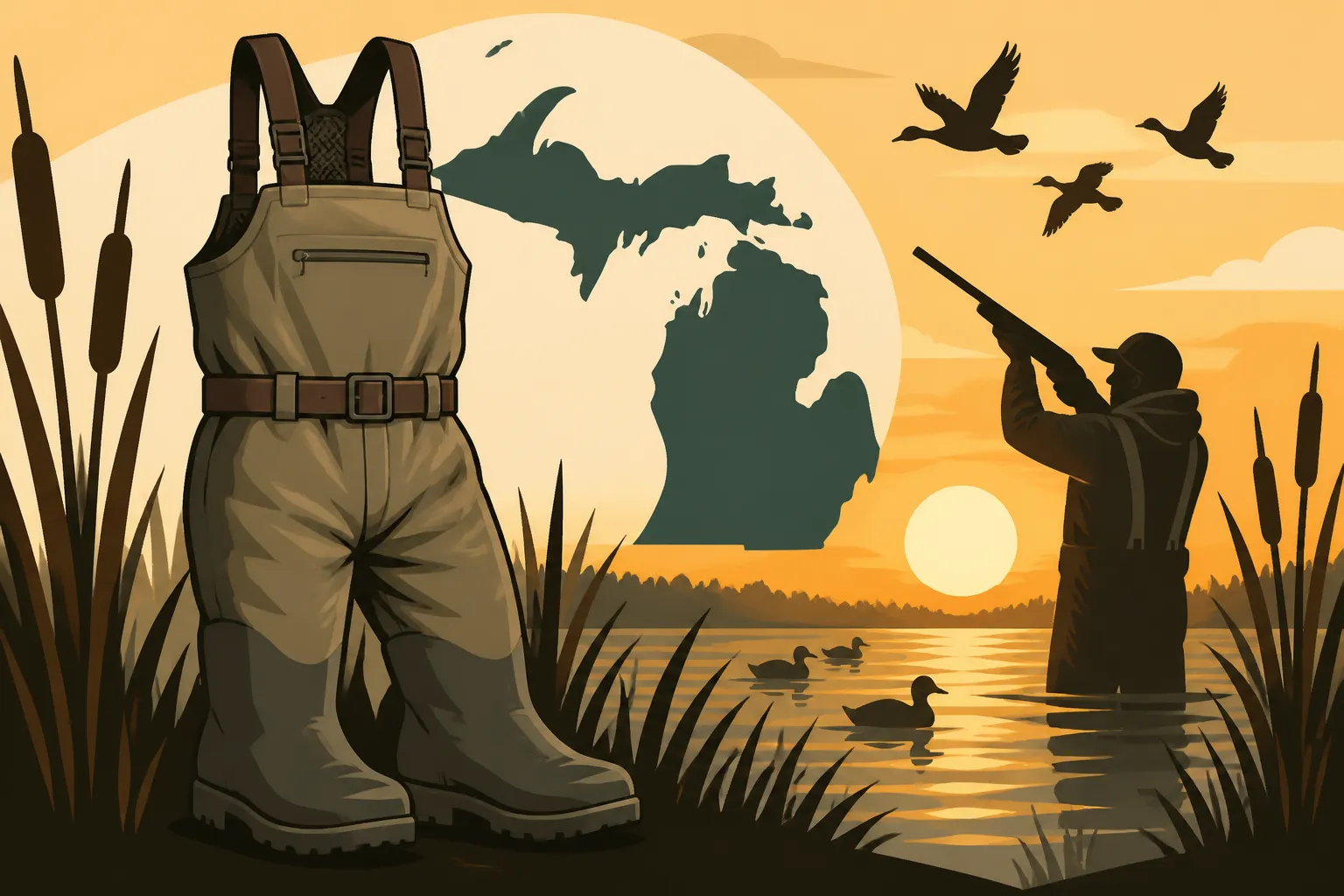
There's nothing quite like the chill that seeps into your bones when you're standing in a cold Michigan marsh, waiting for the sunrise, only to realize your waders aren't up to the task. That slow, creeping dampness quickly turns a promising morning into an exercise in misery, and nobody wants to be thinking about hypothermia when they should be focused on ducks cupping their wings. This guide is dedicated to helping you pick the right waders for Michigan marsh hunting, so you can stay warm, dry, and in the game, no matter how nasty the weather gets.
Why Waders Are Your Most Critical Piece of Gear for Michigan Marshes
Hunting Michigan's marshes is a truly unique experience, offering some incredible waterfowl action, but it's also incredibly demanding on your gear. These aren't just puddles; they're often expansive, mucky, and can hold ice-cold water that's quick to steal your body heat. Trying to navigate these environments without reliable waders is not only uncomfortable but genuinely unsafe. You're not just crossing a stream; you might be wading through chest-deep muck, battling submerged obstacles, and then sitting motionless for hours in freezing temperatures.
The Realities of Michigan Marsh Conditions
Imagine this scenario: it's late October, a biting northwest wind is pushing off Lake Huron, and you're making your way through the knee-deep water and sticky mud of a state game area to get to your favorite cattail point. The water temperature is probably in the low 40s, and every step is a wrestling match with the marsh floor. Your waders need to stand up to not just the cold water, but also the constant abrasion from submerged logs, sharp cattail stalks, and maybe even a stray piece of old fence wire that found its way into the wetland. One tiny leak, and your hunt is effectively over, replaced by a miserable trek back to the truck. This is why investing in quality waders isn't a luxury; it's a necessity for any serious Michigan waterfowler.
It's not just the cold, either. Many Michigan marshes, especially the managed waterfowl areas like Pointe Mouillee or Nayanquing Point, can have deceptively deep pockets or soft, silty bottoms that can suck your boots right off if your waders aren't securely fitting. The heavy mud can also tear at seams and puncture weaker materials. You need gear that can take a beating and keep you dry through it all. Hunting a Marsh After the Morning Draw often involves a lot of movement, even after you've set up, whether you're retrieving a bird or adjusting decoys, and wet gear can make these tasks exponentially harder and colder.
Choosing the Right Type of Wader: Neoprene Versus Breathable
When it comes to waders, the primary decision boils down to two main material types: neoprene or breathable. Each has its distinct advantages and disadvantages, and the best choice for you will depend heavily on the specific conditions you anticipate facing during your Michigan waterfowl season. It's not a one-size-fits-all answer, so let's break down what each offers.
Neoprene Waders: Warmth in the Coldest Waters
Neoprene waders are the traditional workhorses of duck hunting, and for good reason. Made from the same material as wetsuits, neoprene provides excellent insulation, trapping a layer of warm water against your skin (or rather, against your base layers) to keep you warm. They come in various thicknesses, typically ranging from 3mm to 7mm, with 5mm being a popular choice for Michigan's late-season hunts. This material is incredibly durable and resistant to punctures, which is a huge plus when you're slogging through brush and over submerged debris.
The downside to neoprene, however, is its breathability – or lack thereof. When you're working hard, setting decoys, or walking a long way to your spot, you'll sweat. That sweat has nowhere to go, leading to a clammy feeling inside the waders. While it keeps you warm when standing still, that trapped moisture can actually make you colder once you stop moving, as your body tries to cool down. They are also bulkier and can feel a bit restrictive compared to breathable options. For those early season hunts, neoprene can be downright stifling.
Breathable Waders: Comfort for Active Hunters
Breathable waders, usually made from multi-layered fabrics like Gore-Tex or similar proprietary materials, are the modern alternative. Their main advantage is their ability to allow moisture vapor (sweat) to escape while preventing liquid water from entering. This keeps you much drier and more comfortable, especially when you're on the move or hunting during milder temperatures. Many hunters prefer breathable waders for early season hunts, when the air and water aren't yet frigid, or for hunts that involve a lot of walking or packing gear.
While breathable waders offer superior comfort and mobility, they generally don't provide the same level of inherent warmth as neoprene. You'll need to rely heavily on a good layering system underneath them to stay warm in cold water. They can also be more susceptible to punctures and tears from sharp objects compared to the thicker neoprene, though manufacturers have made significant strides in improving their durability. When looking at your options, consider how much movement your typical hunt involves and whether layering is something you're comfortable managing.
| Wader Type | Pros | Cons | Ideal Michigan Conditions |
|---|---|---|---|
| Neoprene | Superior warmth and insulation; Excellent durability and puncture resistance; Generally more affordable. | Poor breathability, can lead to sweating and clamminess; Bulkier and more restrictive; Less versatile for varying temps. | Late season, bitter cold, stationary hunting, icy conditions. |
| Breathable | Excellent breathability and comfort; Lighter weight and better mobility; Highly versatile with layering. | Less inherent warmth (requires good layering); Can be more expensive; Potentially less puncture resistant (depends on material). | Early season, active hunting, long walks, fluctuating temperatures. |
Essential Features to Look for in Michigan Marsh Waders
Beyond the basic material, there are several key features that can significantly impact your comfort, safety, and overall success when hunting Michigan marshes. Thinking through these details will help you narrow down your choices and ensure your waders are truly fit for purpose.
Durability and Reinforcements
Michigan marshes are tough on gear. Think about the abrasive cattails, submerged woody debris, and sharp ice shards you might encounter. Look for waders with reinforced knees and seat areas, as these are common high-wear points. Many quality waders will feature extra layers of durable fabric, like Cordura, in these critical zones. Welded seams, rather than stitched and taped seams, offer superior waterproof integrity and longevity, reducing the chances of leaks. Some brands also offer repair kits for minor punctures, which can be a lifesaver when you're miles from home. Having strong, well-constructed waders means less worry about snags and more focus on the birds.
It's also worth considering the boot attachment. Bootfoot waders, where the boots are permanently attached, often have a more robust connection than stockingfoot waders where you wear separate wading boots. However, the connection point is still a critical area for stress and potential leaks. Check the quality of the glue or welding used at these junctures. Even small details, like heavy-duty zippers on pockets or strong buckle systems on shoulder straps, contribute to the overall durability and lifespan of your waders.
Insulation and Layering Systems
If you opt for breathable waders, a robust layering system underneath is absolutely crucial. You'll want moisture-wicking base layers to pull sweat away from your skin, insulating mid-layers like fleece or down to provide warmth, and then your waders as the outer waterproof shell. For serious cold, you might even consider an extra insulating pant. Neoprene waders, while warm, can still benefit from a good base layer to manage any sweat and add a touch more warmth. Cold Weather Sitting Strategy is all about preventing heat loss, and your waders are a huge part of that equation.
When looking at waders, especially bootfoot models, pay attention to the insulation in the boots themselves. Many come with Thinsulate or similar insulation, often rated in grams (e.g., 800g, 1200g). Higher gram ratings mean more insulation, which is vital for keeping your toes from freezing in frigid water. Consider your typical hunting temperatures. If you're consistently hunting in freezing conditions, don't skimp on boot insulation. You can always add thicker socks, but built-in insulation makes a big difference.
Fit, Comfort, and Mobility
You'll be spending hours in these waders, so fit and comfort are paramount. Make sure they allow for a full range of motion without binding or chafing, especially when bending, kneeling, or raising your arms to shoot. Adjustable suspenders are a must, and some waders feature a waist belt that can be cinched down to prevent water from rushing in if you happen to take a tumble, as well as providing support. When trying on waders, wear the layers you'd typically hunt in to get an accurate feel for the fit.
The boots on bootfoot waders are another critical fit point. They should be comfortable, not too tight, and offer good ankle support, especially important when navigating uneven marsh bottoms. Traction on the sole is also crucial to prevent slips on muddy banks or icy patches. While you'll wear separate wading boots with stockingfoot waders, ensure the neoprene socks fit snugly without being restrictive. Brands like GoHunt often have great reviews of various wader models, offering insights into real-world comfort and fit from other hunters.
Important Considerations for Michigan Waterfowlers
Beyond the waders themselves, there are a few other aspects of Michigan marsh hunting that influence your gear choices and overall experience. Thinking holistically about your hunt will ensure you're as prepared as possible.
Wader Accessories and Maintenance
Even the best waders can benefit from a few key accessories. A good wader belt is essential for safety, keeping water out in case of a fall, and providing support for a heavy load. Having a reliable repair kit on hand, even for minor leaks, can save a hunt. Many hunters carry a small bottle of Aquaseal or similar sealant for quick field repairs. Don't forget a dry bag for your essentials like your phone, keys, and extra layers, as even waterproof pockets can sometimes fail.
Proper care and maintenance will drastically extend the life of your waders. After each hunt, especially if you've been in muddy or salty conditions, rinse them thoroughly with fresh water. Hang them upside down to dry completely, both inside and out, to prevent mildew and odors. Store them in a cool, dry place away from direct sunlight. Never store them crumpled in a heap; this can create permanent creases that lead to material fatigue and leaks over time. Regular inspection for small holes or weak seams can catch issues before they become major problems.
Navigating Specific Michigan Waterfowl Areas
Michigan boasts an impressive array of waterfowl hunting opportunities, from the expansive state game areas like Nayanquing Point Waterfowl Draws and Fish Point Waterfowl Area Hunting on Saginaw Bay, to the unique dynamics of Harsens Island and St. Clair Flats. Each location can present slightly different challenges, influencing your wader choice. Some areas might have shallower, more navigable water, making lighter breathable waders a good fit. Others, particularly late in the season, might be slushy with thin ice, demanding the robust insulation of neoprene.
The length of your walk-in also plays a role. If you're hiking a mile or more to your blind, breathable waders with good layering will keep you more comfortable during the trek. If your setup is a quick jump from the truck into a layout boat, then the sheer warmth of neoprene might be your priority. Always check the specific rules and conditions for the area you plan to hunt. Using mapping tools, such as those often discussed on platforms like GoHunt, can help you visualize the terrain and potential water depths before you even leave home. This pre-scouting can inform your gear choices significantly.
Safety First in Cold Water
Hunting in cold water presents inherent risks, and your waders are your first line of defense. Always hunt with a buddy, especially when wading in deep or swift water. Let someone know where you're going and when you expect to return. If you do take a fall and your waders fill with water, try to stay calm. The air trapped in your waders can actually provide buoyancy for a short time, giving you a chance to right yourself or swim to shallower water. Never underestimate the speed at which hypothermia can set in, even on days that don't feel that cold.
Consider carrying a personal flotation device (PFD), especially if you're venturing into deeper water or using a small boat to access your hunting spot. While cumbersome, a PFD can be a lifesaver. Ensure your phone is in a truly waterproof case and accessible for emergencies. Being prepared for the worst, while hoping for the best, is a hallmark of safe and responsible hunting, especially in challenging environments like Michigan's marshes. For more information on season dates and zones, checking out resources like Michigan Duck Season Dates by Zone can help plan your hunts.
Disclaimer
This article is for general informational purposes only and does not constitute professional advice. Laws, prices and regulations vary by location and change over time. Consult a qualified professional for guidance on your specific situation.