The Three Michigan Turkey Units
Navigating Michigan's wild turkey hunting landscape can feel like trying to find a needle in a haystack, especially with the shifting regulations and the sheer diversity of habitats across our beautiful state. Many hunters, new and seasoned alike, get tripped up trying to understand which unit offers the best chance or how the new consolidated system even works. This guide is designed to cut through that confusion, giving you a crystal-clear picture of Michigan's three primary turkey units and how to maximize your spring hunting opportunities in each one.
Understanding Michigan's Simplified Turkey Units
For years, Michigan turkey hunters faced a dizzying array of tiny management units, each with its own quotas and application intricacies. It was enough to make your head spin, trying to figure out if you were better off in Unit 330 or 445. The good news is, the Michigan Department of Natural Resources (DNR) recognized this complexity and made a significant change to streamline the process.
The Shift from Numerous Units to Three
In the past, Michigan’s spring turkey season was divided into dozens of small management units, some no bigger than a single county or a portion thereof. This created a highly fragmented system where hunters had to make very specific choices, often without a clear understanding of the broader turkey population dynamics or habitat consistency across these smaller zones. It was a management approach that, while perhaps well-intentioned, often left hunters scratching their heads and making educated guesses about where to apply. The administrative burden on the DNR was also considerable, managing permits and quotas for so many discrete areas.
The primary driver behind the consolidation to just three large units – M, NN, and ZZ – was to simplify the application process for hunters and to allow for more holistic, landscape-level management of the wild turkey population. Instead of micro-managing small pockets, the DNR can now view the state's turkey populations in three distinct, geographically relevant regions, making it easier to assess health, set quotas, and respond to environmental factors like severe winters or habitat changes. This change was welcomed by many as it removed a layer of unnecessary complication, allowing hunters to focus more on scouting and strategy rather than deciphering complex unit maps. The idea was to create broader management zones that align with significant ecological differences, providing a more intuitive system for everyone involved.
General Overview of the Three Units
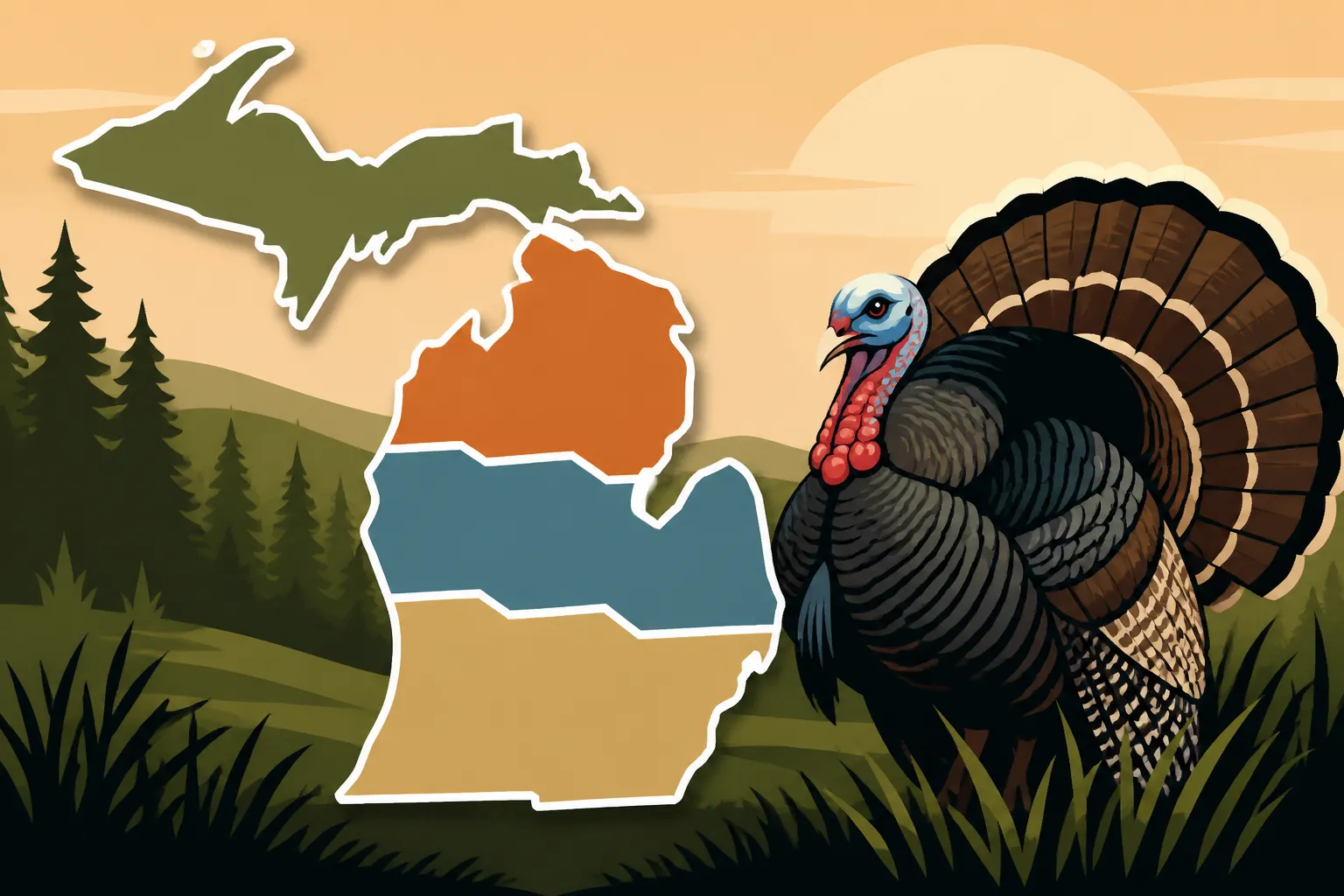
With the simplified system, Michigan is now divided into three major turkey units, each offering a unique hunting experience shaped by its distinct geography, habitat, and turkey population characteristics. These units cover vast swaths of the state, ensuring that regardless of where you prefer to hunt, there's a specific unit designed to manage turkeys in that region.
Unit M encompasses the entire Upper Peninsula. This is Michigan's northernmost and wildest region, characterized by extensive forests, rugged terrain, and harsh winter conditions. Turkey populations here tend to be less dense than in the Lower Peninsula, making for a challenging but incredibly rewarding big-woods hunting experience. The birds are often more spread out, and the sheer scale of the landscape means hunters need to be prepared to cover serious ground.
Unit NN covers the vast majority of the Northern Lower Peninsula. This unit is a transitional zone, blending the dense forests reminiscent of the U.P. with increasing agricultural influence as you move south. It offers a diverse mix of hardwoods, pine plantations, swamps, and some scattered farmlands. Turkey densities here are generally higher than in the U.P., but so is hunter pressure, especially on popular public land tracts. Hunters in Unit NN might encounter birds roosting in towering oaks near a river bottom or strutting in a pine plantation edge.
Finally, Unit ZZ blankets the entire Southern Lower Peninsula. This is Michigan's agricultural heartland, characterized by extensive farmlands interspersed with woodlots, river corridors, and suburban development. Unit ZZ boasts the highest turkey densities in the state, thanks to abundant food sources and milder winters. However, access can be a significant challenge here, as most land is privately owned. Hunters in this unit often rely on securing permission from landowners or focusing on smaller, often pressured, public land parcels.
Unit M – The Upper Peninsula Challenge
Hunting wild turkeys in Michigan's Upper Peninsula is an experience unlike any other in the state. Unit M demands a certain grit, a willingness to hike, and an appreciation for vast, wild landscapes. It's not for the faint of heart, but the rewards—a gobbler earned in Michigan's true wilderness—are immense.
Geography, Habitat, and Turkey Population Dynamics
The Upper Peninsula, entirely designated as Unit M, is a land of sprawling forests, rugged hills, and extensive wetlands. Think towering hardwoods, dense cedar swamps, and large blocks of conifer plantations broken up by small, remote clearings and logging roads. This isn't the manicured farmland of the south; this is big timber. The sheer scale of the landscape means turkeys often have vast areas to roam, and their distribution can be patchy. They'll gravitate towards areas with good mast crops (acorns, beech nuts) in the hardwoods, or seek thermal cover in conifer stands during colder weather. Food sources like wild berries and insects are abundant, but finding a consistent, concentrated food supply that holds birds can be a real puzzle.
Turkey populations in the U.P. are generally lower in density compared to the Lower Peninsula, primarily due to the intense winter weather. Deep snow and prolonged cold can take a significant toll on birds, especially young poults that haven't fully matured. It's not uncommon for a harsh winter to impact several consecutive hatches, making population recovery a slow process. The DNR monitors these fluctuations closely, often looking at factors like winter severity indices and reproductive success, such as the vital information gleaned from "Poult-to-Hen Ratios and What They Mean." These ratios help biologists understand how well turkeys are reproducing and surviving, which in turn influences future hunting opportunities and regulations. Hunters in Unit M need to understand that finding birds might require extensive scouting and adapting to conditions that can change rapidly, often driven by the previous winter's impact on the flock.
Hunting Strategies and Considerations for Unit M
Hunting Unit M means embracing the wilderness. Expect to encounter vast tracts of public land, including state forests and large portions of national forests like the Hiawatha National Forest and the Ottawa National Forest. These areas offer incredible solitude but also demand self-reliance. Road systems can be limited, and the terrain often involves significant elevation changes, wet areas, and thick underbrush, meaning a good pair of boots and a willingness to walk are paramount.
The typical "run-and-gun" turkey hunting strategy often shines here. Instead of sitting in one spot for hours hoping a bird will wander by, hunters often employ a more mobile approach: moving, calling, listening, and then moving again. Covering ground allows you to locate scattered gobblers that might be unwilling to travel far. Effective "Scouting Michigan Public Land Before Season" is absolutely critical in Unit M. This means poring over maps, identifying potential roosting areas (tall timber along ridges or near water), feeding areas (openings with mast trees), and travel corridors long before the season opens. When you do locate a bird, patience and precise calling are key. A U.P. gobbler might not be as eager to charge in as a field bird in the south, often circling or hanging up, making a well-placed decoy and a carefully chosen setup vital. Be prepared for unpredictable weather; a warm spring day can quickly turn into cold rain or even snow, so layering your clothing is a must.
Unit NN – Northern Lower Peninsula's Diverse Landscape
Unit NN, covering the Northern Lower Peninsula, offers a middle ground for Michigan turkey hunters. It's a region where the sprawling forests of the U.P. begin to transition into the more agricultural mosaic of the south, creating a rich tapestry of habitats and varied hunting experiences.
Diverse Habitats and Turkey Hotbeds
The Northern Lower Peninsula is a fascinating mix of Michigan's iconic landscapes. Here, you'll find vast expanses of mature hardwoods, particularly oak and maple forests that offer prime roosting and feeding opportunities. Interspersed with these are significant pine plantations, often owned by timber companies, which provide excellent thermal cover and loafing areas for turkeys. As you move further south or into river valleys, you'll start to see more agricultural fringes – smaller crop fields, old orchards, and pastureland that turkeys will readily utilize for feeding. River bottoms, with their mix of hardwoods and often thicker undergrowth, also serve as critical corridors and prime habitat for birds.
This diverse blend of habitats makes Unit NN a turkey hotbed in many areas, often boasting higher turkey densities than the U.P. counties. The birds here benefit from a wider range of food sources and generally less severe winters, allowing populations to thrive. Counties known for robust turkey numbers often feature this optimal mix of timber, water, and agriculture. For example, areas around the Huron-Manistee National Forest or state game areas that border farmlands can be particularly productive. Hunters might find birds strutting in open hardwoods in the morning, moving into pine cover during the midday, and then hitting a crop field edge in the afternoon. The key to success in Unit NN often lies in understanding how turkeys utilize these varied habitats throughout the day and adapting your approach accordingly.
Balancing Public Land Pressure and Private Land Opportunity
Unit NN provides a significant amount of public hunting land, including vast state forests (see "Michigan State Forest Hunting"), portions of the Huron-Manistee National Forest, and numerous state game areas. However, with higher turkey densities and easier access than the U.P., these public lands often experience considerable hunter pressure, especially during the early hunt periods. It's not uncommon to find multiple vehicles parked at a two-track on opening morning, or to hear multiple calls echoing through the woods.
To succeed on public land in Unit NN, strategies revolve around getting away from the crowds. This often means walking further, finding obscure access points, or focusing on areas with less obvious turkey sign that others might overlook. Utilizing online mapping tools, like those offered by GoHunt, can be invaluable for identifying potential pockets of overlooked public land, steep terrain that deters other hunters, or dense cover that birds might use as a refuge. Don't be afraid to experiment with different entry routes or to hunt midday when many other hunters have gone back to camp. Beyond public land, Unit NN also offers significant private land opportunity. Many landowners are open to granting permission for turkey hunting, especially if approached respectfully and well in advance of the season. "Knocking on Doors in Michigan Farm Country" can be a highly effective way to secure exclusive access to prime habitat. Remember, a courteous request and an offer to share some of your harvest can go a long way in building a relationship with a landowner. For those targeting the "Hunting the Michigan Rut in November" for deer, establishing good relationships with landowners during turkey season can sometimes open doors for fall hunting as well.
Unit ZZ – Southern Michigan's Farm Country Turkeys
Unit ZZ is where Michigan's turkey hunting becomes a game of precision and patience, often played out on smaller, more fragmented landscapes. While the U.P. is about big woods, and the Northern Lower is a mix, Unit ZZ is predominantly about hunting turkeys in and around agricultural areas.
Agriculture, Woodlots, and High Turkey Densities
The Southern Lower Peninsula, making up Unit ZZ, is Michigan's agricultural powerhouse. Miles of corn, soybeans, wheat, and hayfields dominate the landscape, providing an incredibly rich and reliable food source for wild turkeys. Interspersed among these fields are vital pockets of habitat: small woodlots, often only a few acres, river and creek bottoms, and hedgerows that provide crucial roosting cover, nesting sites, and travel corridors. This combination of abundant food and scattered cover leads to the highest turkey densities in the state. If you want to see a lot of turkeys, Unit ZZ is often your best bet, with the "Michigan Turkey Population Estimate" consistently showing robust numbers here.
These high densities, however, come with their own set of challenges. Turkeys in Unit ZZ are often highly patterned to agricultural cycles. They’ll roost in specific woodlots, fly down to feed in particular fields, and move along predictable travel routes. Understanding these patterns is key. For example, birds might spend mornings foraging in a recently cut cornfield, retreat to a dense woodlot during midday, and then stage in an alfalfa field before heading back to roost. While the "Michigan Turkey Harvest Numbers" show a strong success rate in this unit, it's often due to hunters meticulously scouting and understanding these local movements rather than simply relying on broad calling techniques. The fragmented nature of the habitat means that even if birds are numerous, they might be highly concentrated in specific areas, requiring a refined approach to locate and approach them effectively.
Navigating Private Land and Pressured Birds
Given the overwhelming prevalence of private land in Unit ZZ, securing permission is not just an advantage—it's often a necessity. While there are some scattered "Southern Michigan State Game Areas" and river corridor access points, these public lands can be extremely crowded and the birds exceptionally wary. The key to success on private land is often through direct communication and building rapport with landowners. This means taking the time to "Getting Private Land Permission in Michigan" by knocking on doors, introducing yourself, and demonstrating respect for their property and wishes. Remember, many farmers appreciate someone willing to help manage turkey populations that might be impacting their crops.
Hunting tactics in Unit ZZ need to account for heavily pressured birds and often tight quarters. Loud, aggressive calling might scare off birds that have heard it all before. More subtle yelps, clucks, and purrs, combined with patience and strategic decoy placement, often yield better results. When hunting small woodlots, understanding wind direction and entry/exit routes is paramount to avoid spooking birds before you even set up. Decoy placement for pressed birds is a specific skill to develop. Turkeys in farm country are often highly visible and can spot unnatural elements from a distance. Utilizing natural cover to hide your blind or yourself, and positioning decoys to draw birds into a specific, close-range shooting lane, are crucial. Additionally, for hunters looking for further opportunities, learning "Michigan's November Firearm Deer Season" strategies might also be useful for finding opportunities on these same farm properties in the fall.
Applying for and Maximizing Your Michigan Turkey Tag
Once you've decided which Michigan turkey unit (or units) best suits your hunting style and available access, the next step is navigating the application process. Michigan's system is designed to distribute opportunities fairly, and understanding its nuances can greatly improve your chances of drawing a tag for your desired hunt.
The Application Process and Quotas for Each Unit
Michigan uses a lottery system for its spring turkey hunts, allowing hunters to apply for specific units and hunt periods. The process begins with the "Michigan Spring Turkey Applications and Units" period, typically in January. Hunters can apply for a first, second, and third choice of hunt unit and period. It's crucial to understand the "Michigan Turkey Licence Quotas" for each unit, as these vary significantly based on turkey population estimates and historical hunter demand. Unit ZZ, with its highest turkey densities, generally has the highest quotas and often the best draw odds for a first-choice tag, though certain popular hunt periods can still be competitive. Unit NN often has moderate quotas, while Unit M in the U.P. typically has the lowest quotas, reflecting its sparser turkey populations.
To increase your odds, research past draw statistics, which are often available on the Michigan DNR website. Consider applying for less popular hunt periods, especially later in the season, if your primary goal is simply to secure a tag. For hunters who miss the initial drawing or want additional opportunities, Michigan often offers "Leftover Turkey Licences in Michigan" on a first-come, first-served basis after the lottery results are announced. These leftover tags can include "Michigan Unlimited Turkey Hunt Options," which are generally for later hunt periods or specific areas, providing a chance for anyone to get a tag without going through the lottery. Utilizing resources like GoHunt can be incredibly helpful for tracking "Michigan Spring Turkey Application Deadline" dates and analyzing draw odds, ensuring you don't miss out on your chance to apply.
Understanding Hunt Periods and Maximizing Success
Michigan's spring turkey season is divided into several hunt periods, typically designated by letters (A, B, C, D, E, etc.), each lasting for a specific duration. The earliest periods (A and B) generally take place in late April and early May, while later periods extend into late May. Each period presents unique challenges and opportunities based on weather, foliage development, and turkey breeding behavior.
| Unit | Primary Habitat | Typical Turkey Density | Hunting Pressure | Key Challenges |
|---|---|---|---|---|
| M (U.P.) | Vast Forests, Conifer Swamps | Lower | Moderate to Low | Finding birds, rugged terrain, weather |
| NN (N. LP) | Mixed Hardwoods, Pine, Agriculture | Moderate to High | Moderate to High | Public land pressure, diverse terrain |
| ZZ (S. LP) | Agriculture, Fragmented Woodlots | Highest | High | Private land access, pressured birds |
Early periods, often characterized by colder weather and sparse foliage, can be excellent for locating birds as gobblers are highly vocal and visible, but success can be hampered by unpredictable spring snow or rain. These birds are often still flocked, and calling them away from hens can be tough. Mid-season periods (C and D) often coincide with peak breeding activity, leading to some of the most exciting hunting as gobblers are actively seeking hens. Later periods (E and beyond) typically see full foliage, making visibility tougher, and gobblers might become more call-shy after weeks of hunter pressure. However, these late-season birds are often lonely and more responsive to persistent calling, making "Run-and-Gun Turkey Tactics on State Land" particularly effective as you move to find those un-pressured gobblers. Understanding these dynamics and aligning your hunt period choice with your preferred hunting style and availability is crucial for maximizing your chances. For example, a hunter with access to private land and a desire for high-volume calling might prefer an early period in Unit ZZ, while a public land hunter seeking solitude and a challenge might opt for a later period in Unit M.
Key Regulations and Best Practices
Beyond understanding the units and application process, every Michigan turkey hunter has a responsibility to know and abide by the state's hunting regulations and to practice ethical, safe hunting. This not only ensures your own safety and legal compliance but also contributes to the positive perception and future of hunting in Michigan.
Essential Rules and Safety for Michigan Turkey Hunters
Michigan has specific regulations to ensure a safe and ethical turkey season. While actively hunting turkeys, you are generally not required to wear hunter orange, but it is highly recommended to wear "Michigan Hunter Orange Rules" when walking to and from your hunting location, especially during firearm seasons or in areas where other hunters might be present. This is a crucial safety measure to make yourself visible to others. Legal shooting hours are another non-negotiable rule, typically from half an hour before sunrise until half an hour after sunset. Knowing and adhering to "Michigan Legal Shooting Hours" is critical for ethical hunting and legal compliance.
Once you harvest a turkey, immediate validation of your tag is required, and you must "Michigan Turkey Harvest Reporting Rules" within 72 hours of harvest. This data is vital for the DNR to manage turkey populations effectively. Always carry your hunting license, turkey license, and any necessary endorsements (like a federal duck stamp if you're hunting migratory birds, though not typically required for turkeys). Familiarize yourself with local ordinances, especially if hunting near urban areas, and always be aware of safety zones around occupied dwellings. Safe firearm handling, knowing your target and what's beyond it, and making clean, ethical shots are paramount. Always strive for a head or neck shot when possible, as this is typically the most humane and effective way to dispatch a turkey.
Respecting the Resource and Other Hunters
Ethical conduct extends beyond just following the law; it's about respecting the game, the land, and your fellow hunters. On public land, especially in popular units like NN and ZZ, hunter etiquette is crucial. Be aware of other hunters, try not to "crowd" anyone, and avoid making excessive noise that might disturb their hunt. If you encounter another hunter already set up in an area you intended to hunt, graciously move on and find another spot. Communication, when appropriate, can go a long way in preventing conflicts.
When it comes to the resource itself, always prioritize a clean kill. "Turkey Tactics for Southern Michigan Farms" often emphasizes precise shot placement due to the open terrain. If you wound a bird, make every reasonable effort to recover it. This demonstrates respect for the animal and ensures that your harvest contributes to the data used for management. Beyond the hunt, practice Leave No Trace principles: pack out everything you pack in, including spent shotgun shells. If you're on private land, leave the property cleaner than you found it, show gratitude to the landowner, and respect all their specific rules. By upholding these best practices, you help maintain a positive image for hunters and ensure that Michigan's vibrant turkey hunting tradition can be enjoyed by future generations.
Disclaimer
The information provided in this guide is for general informational purposes only and is subject to change. While we strive to provide accurate and up-to-date content, hunting regulations, seasons, and licensing requirements can change rapidly. Always consult the official Michigan Department of Natural Resources (DNR) website and current year's hunting digests for the most precise and legally binding information before planning any hunting trip. Compliance with all state and federal laws is the hunter's sole responsibility.