Michigan Firearm Deer Season Dates
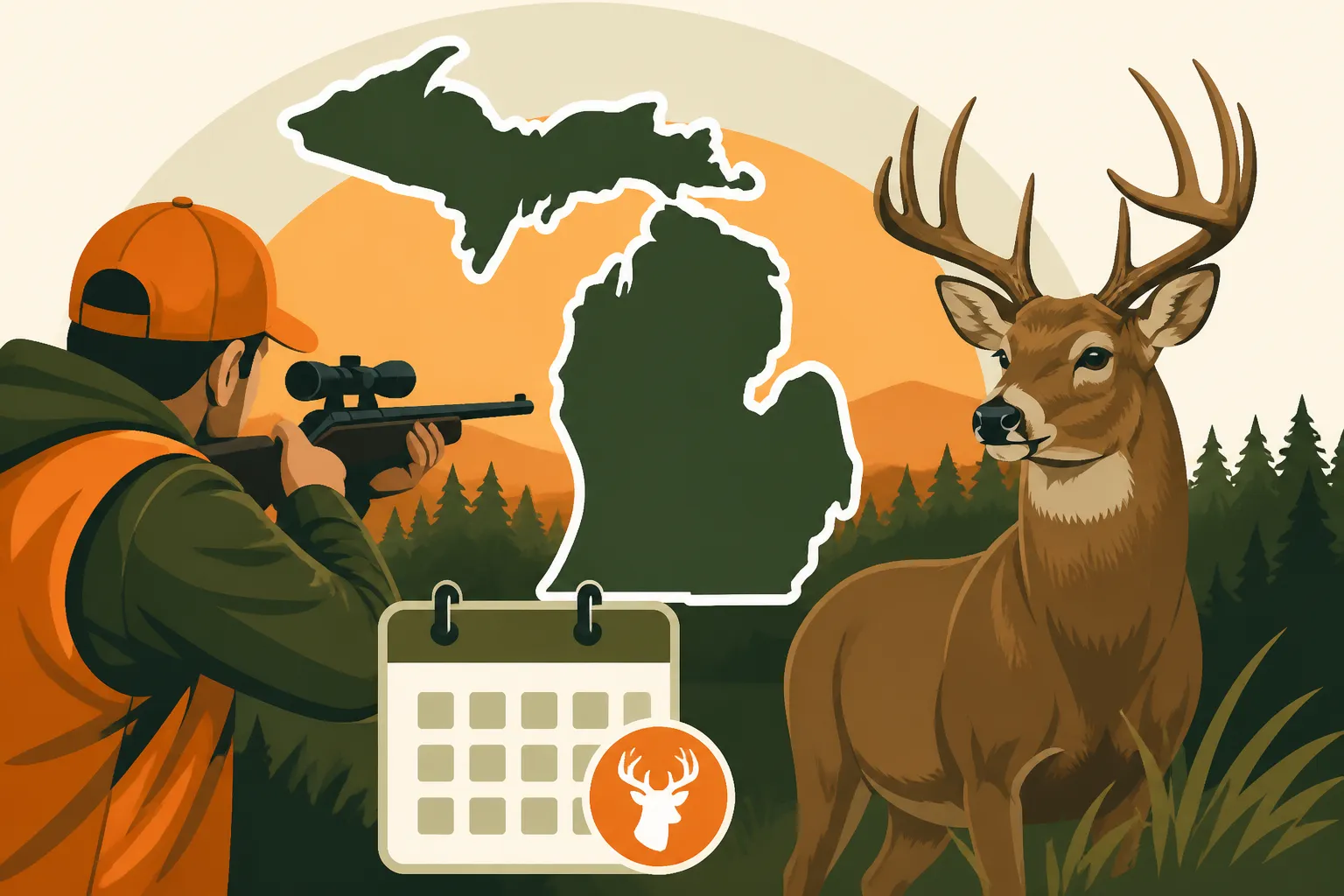
For many Michigan deer hunters, the firearm season is the absolute highlight of the year, a deeply ingrained tradition that often brings families and friends together. But trying to figure out the exact Michigan firearm deer season dates can feel like navigating a complex web of regulations, especially with early and late antlerless opportunities, and specific zone rules. It's incredibly frustrating when you just want to know when you can legally be in the woods with your firearm. This guide will meticulously break down the various Michigan firearm deer season dates, explain the different hunt periods, and cover critical regulations so you can plan your deer season with complete clarity and confidence.
The Iconic Main Michigan Firearm Deer Season
When most Michiganders talk about "deer season," they're almost always referring to the main firearm season. This is the period steeped in tradition, often marked by deer camp gatherings, crisp autumn air, and the anticipation of chasing whitetails through hardwood forests and cedar swamps. Understanding this primary window is crucial for any deer hunter in the state.
The Significance of November 15th
Ah, November 15th. It's more than just a date on the calendar; it's practically a holiday in Michigan. For generations, this day has marked the opening of the regular firearm deer season across the entire state, from the dense forests of the Upper Peninsula down to the agricultural fields of the southern Lower Peninsula. This consistency is a blessing for hunters, providing a fixed point around which all other hunting plans revolve. While many other states have variable openers, Michigan's steadfast November 15th is a cornerstone of our hunting heritage. It’s a day characterized by early morning drives to the blind, the smell of woodsmoke, and the shared excitement of a new season. This is often when the peak of the rut is still happening, making it an incredibly exciting time to be in the woods, hoping to catch a big buck cruising for does.
Main Firearm Season Structure
The regular Michigan firearm deer season runs for just over two weeks, typically from November 15th through November 30th. This 16-day window is the primary opportunity for most hunters to pursue antlered deer with a firearm. While it might seem short compared to other states, these two weeks are incredibly intense and productive. The weather during this period can range from mild, late-fall days to bitter cold with early snow, adding to the challenge and adventure. Hunters use this time to target bucks that are often still recovering from the frenzy of the rut or looking for late-season breeding opportunities. It’s also the season when many hunters engage in traditional deer drives, especially on state land, to push deer out of thick cover. If you’re planning your trip, remember that understanding Michigan's November Firearm Deer Season is key to making the most of this prime window.
Antler Point Restrictions in Play
It’s important to remember that during the regular firearm season, antler point restrictions (APRs) are often in effect, depending on the specific Deer Management Unit (DMU) you are hunting in. These restrictions dictate the minimum number of antler points a buck must have on one side (usually three or four points) to be legally harvested. This is a management tool designed to allow younger bucks to survive and mature, leading to an older age structure in the deer herd and, hopefully, more opportunities for hunters to encounter mature bucks. Before heading afield, always check the current year’s regulations for your chosen DMU. A helpful tool like GoHunt can provide detailed maps and overlays showing DMU boundaries and specific APRs, helping you avoid accidental violations. You can learn more about how these rules work by reviewing Michigan Antler Point Restrictions by DMU.
Understanding the Different Firearm Seasons
Michigan's firearm deer hunting isn't just a single event; it's a series of distinct seasons, each with its own rules, objectives, and opportunities. Knowing the nuances of each can significantly expand your hunting possibilities and help you fill those freezer tags.
Regular Firearm Season
As we just discussed, the regular firearm season from November 15th to November 30th is the bedrock of Michigan deer hunting. During this period, both resident and non-resident hunters can pursue antlered deer (subject to APRs) with a valid deer license. Antlerless deer can also be harvested during this season, but only if you possess a specific antlerless deer license valid for the DMU and land type (public or private) you are hunting. This often means applying for antlerless tags well in advance of the season, as quotas can be limited, especially on public land in popular DMUs. The season is a blend of intense hunting, camaraderie at deer camps, and dealing with potentially changing weather conditions that can significantly impact deer movement.
Early Antlerless Firearm Hunt
Before the main event of November 15th, Michigan offers an "Early Antlerless Firearm Weekend." This hunt typically takes place in early October, usually over a Saturday and Sunday. It's specifically designed to increase antlerless harvest opportunities in DMUs that need herd reduction or where Chronic Wasting Disease (CWD) is a concern. This is a fantastic opportunity for hunters looking to put venison in the freezer early, especially if they prefer warmer weather hunting or want to avoid the crowds of the main firearm season. It's also a great chance to introduce new hunters to the sport, as the focus is less on trophy bucks and more on ethical harvest and deer management. Hunters must possess a valid antlerless deer license for the specific DMU and land type, and all other firearm regulations (like hunter orange) apply. For more detailed information, check out The Early Antlerless Firearm Weekend.
Late Antlerless Firearm Season
After the hustle and bustle of the main firearm season, Michigan provides another chance to harvest antlerless deer with a firearm during the "Late Antlerless Firearm Season." This hunt typically runs through much of December, sometimes even into early January in select areas. It's often confined to specific DMUs, usually in the southern Lower Peninsula, where deer populations are high or CWD management is critical. This season is entirely about herd control and managing deer impacts on agriculture and natural resources. Hunting during this time can be challenging, as deer have often been pressured for months and the weather can be severely cold and snowy. However, deer are also concentrated on specific food sources, making it a strategic time for savvy hunters. A hunting app like GoHunt can really help here, showing current land ownership and recent harvest data to help you pinpoint areas with high deer density. Planning for this opportunity can be very rewarding, and you can learn more about it in Late Antlerless Hunting in Michigan.
Liberty and Independence Hunts
Michigan also offers two special firearm deer hunts for specific groups: the "Liberty Hunt" and the "Independence Hunt." These hunts are generally held in September and October, respectively, before the main firearm season, and are tailored for hunters with disabilities and youth hunters.
The Liberty Hunt is open to youth hunters (16 years of age and younger) and hunters with disabilities. It allows them an early opportunity to hunt deer with a firearm during a typically milder weather period, often making the experience more accessible and enjoyable. This is a wonderful initiative to foster new generations of hunters and ensure that hunting remains accessible to everyone. If you’re planning on participating, it’s worth reading Hunting the Michigan Liberty Hunt Weekend for all the specific rules.
The Independence Hunt is specifically for hunters with disabilities. Similar to the Liberty Hunt, it provides an earlier season with special considerations to accommodate the needs of hunters with disabilities, allowing them to enjoy the outdoors and participate in Michigan's deer hunting tradition. Both hunts require specific licenses and adherence to their unique regulations, so always consult the current Michigan Hunting Digest.
Regional Differences and DMUs
Michigan is a diverse state, and its deer herd and hunting regulations reflect that. What applies in the Upper Peninsula might be entirely different from the rules in the southern Lower Peninsula. Understanding these regional variations and the role of Deer Management Units (DMUs) is paramount for staying compliant and planning effective hunts.
Upper Peninsula Specifics
Hunting in the Upper Peninsula (U.P.) is a truly unique experience. The vast wilderness, severe winters, and the presence of predators like wolves mean the deer herd dynamics are quite different from the Lower Peninsula. While the regular firearm season (November 15-30) is consistent, antlerless opportunities in the U.P. are often much more restricted. Many U.P. DMUs have very limited or no antlerless firearm tags available, especially on public land, due to a focus on herd recovery and management after harsh winters. The goal is often to allow the does to replenish the population. Hunters in the U.P. must pay very close attention to their specific DMU regulations, as they can change based on winter severity and population assessments. The deer here are hardy, often larger-bodied, and the hunting pressure can be intense around popular areas, but also very light in the deeper woods. This makes scouting and understanding deer movement patterns even more critical, possibly with mapping services from GoHunt.
Lower Peninsula Regulations
The Lower Peninsula is divided into two general hunting zones: the Northern Lower Peninsula (NLP) and the Southern Lower Peninsula (SLP).
- Northern Lower Peninsula (NLP): This region, north of the Bay City-Muskegon line, consists of a mix of state forests, national forests, and private lands. Deer populations here are generally healthy, and antlerless opportunities are more common than in the U.P., but still managed through DMU quotas. APRs are also prevalent in many NLP DMUs. The hunting experience often blends elements of big woods hunting with some agricultural influence, especially as you move south. Many traditional deer camps are found here.
- Southern Lower Peninsula (SLP): South of the Bay City-Muskegon line, the SLP is characterized by extensive agriculture, fragmented forests, and higher human population density. Deer populations are typically very high, leading to more generous antlerless tag availability. CWD management is a significant factor in many SLP DMUs, often leading to specific regulations aimed at reducing herd density. The legal firearms for Michigan deer also vary significantly here, as much of the SLP falls within the "Limited Firearm Deer Zone," which restricts the use of rifles. Instead, hunters typically use shotguns with slugs, muzzleloaders, or specific straight-wall cartridge rifles like the .450 Bushmaster. Knowing Where Michigan Restricts Rifles for Deer is vital before you head out.
DMU Variations for Antlerless Tags
Deer Management Units (DMUs) are the backbone of deer management in Michigan. These are specific geographical areas where the Michigan Department of Natural Resources (DNR) sets localized regulations, particularly for antlerless deer harvest. The availability of antlerless tags can vary drastically from one DMU to another, based on population estimates, habitat conditions, agricultural damage, and disease prevalence (like CWD). For instance, a DMU with high deer numbers might have a generous quota of antlerless tags, while a neighboring DMU might have very few or none. Hunters often need to apply for these tags via a lottery system, and leftover tags are then sold on a first-come, first-served basis. Always check the Michigan DNR website or the current hunting digest for the most up-to-date DMU maps and tag availability well before the season. For a deeper dive into these management units, see Michigan Deer Management Units.
Key Regulations and Considerations for Firearm Season
Beyond just knowing the dates, there are several crucial regulations and considerations that every firearm deer hunter in Michigan needs to be aware of. Overlooking any of these could lead to serious consequences and spoil your hunting experience.
Hunter Orange Requirements
Safety is always paramount, and in Michigan, that means wearing hunter orange during the firearm deer seasons. Michigan law requires hunters afield during any firearm deer season (including the regular firearm, early antlerless, late antlerless, Liberty, and Independence hunts) to wear a hat, cap, vest, jacket, or rain gear that is blaze orange. The requirement is that at least 50% of the outer clothing above the waist must be hunter orange. This isn't just a suggestion; it's a legal requirement designed to make hunters highly visible to other hunters, significantly reducing the risk of accidental shootings. Even if you're deep in the woods, far from other hunters, you must comply. It’s a simple, effective safety measure that protects everyone. For all the details, make sure you understand Michigan Hunter Orange Rules.
Legal Firearms and Ammunition
The type of firearm you can use for deer hunting in Michigan depends heavily on your location within the state.
- Rifle Zone (Upper Peninsula and Northern Lower Peninsula): In the U.P. and much of the NLP, traditional centerfire rifles are legal for deer hunting. This includes popular calibers like .270, .30-06, .308, and the increasingly popular 6.5 Creedmoor.
- Limited Firearm Deer Zone (Southern Lower Peninsula): This zone, generally south of the "rifle line" running roughly from Muskegon to Bay City, has restrictions. Here, hunters are limited to shotguns with slugs, muzzleloading firearms, or straight-walled cartridge rifles. The .450 Bushmaster has become incredibly popular in this zone due to its effectiveness and legal status. Other straight-walled cartridges like the .350 Legend and .44 Magnum (in a rifle) are also legal. Handguns that fire straight-walled cartridges are also allowed, provided they meet specific barrel length and caliber requirements. Always double-check the current regulations to ensure your chosen firearm and ammunition are legal for your specific hunting location. Reviewing Legal Firearms for Michigan Deer can help clarify this.
Harvest Reporting and CWD
After you've successfully harvested a deer during Michigan's firearm season, your responsibilities aren't over. One of the most critical steps is legally validating your tag and reporting your harvest. Michigan requires all deer harvests to be reported within 72 hours of taking the animal. This can typically be done online through the DNR’s e-license system or via the Michigan DNR Hunt Fish App. Accurate harvest data is vital for wildlife biologists to monitor deer populations, assess management strategies, and make informed decisions about future seasons.
Furthermore, Michigan is actively monitoring and managing Chronic Wasting Disease (CWD) in its deer herd. If you harvest a deer in a CWD Management Zone, there may be specific carcass transport restrictions and mandatory or voluntary CWD testing requirements. These measures are critical to prevent the spread of the disease. Always check the current regulations for your hunting area regarding CWD, including carcass movement restrictions and where to take your deer for testing if required. Using resources like Michigan CWD Rules and Test Sites will help you stay informed and compliant, ensuring you do your part to help manage this serious wildlife disease.
Summary of Michigan Firearm Deer Seasons
To help keep all these dates and specific rules straight, here's a quick overview of the primary firearm deer hunting seasons in Michigan:
| Season Name | Typical Dates | Weapon Type(s) | Target Species | Key Considerations |
|---|---|---|---|---|
| Early Antlerless Firearm | Early October (weekend) | Shotgun, Muzzleloader, Straight-wall Rifle, Handgun | Antlerless Deer | Specific DMUs only, good for early freezer fill, CWD management. |
| Regular Firearm Deer Season | November 15 – November 30 | Rifle (UP/NLP), Shotgun, Muzzleloader, Straight-wall Rifle, Handgun (SLP) | Antlered Deer (APRs apply), Antlerless (with tag) | The traditional deer season, high hunter participation, rut activity. |
| Liberty Hunt | Mid-September (weekend) | Shotgun, Muzzleloader, Straight-wall Rifle, Handgun | Antlered/Antlerless Deer (specific tags) | For youth (16 & under) and hunters with disabilities. Early season opportunity. |
| Independence Hunt | Mid-October (weekend) | Shotgun, Muzzleloader, Straight-wall Rifle, Handgun | Antlered/Antlerless Deer (specific tags) | For hunters with disabilities. Special accommodations. |
| Late Antlerless Firearm | December 1 – January 1 (specific DMUs) | Shotgun, Muzzleloader, Straight-wall Rifle, Handgun | Antlerless Deer | Limited to specific DMUs, often in SLP, cold weather hunting, herd control. |
This table provides a snapshot, but always remember to consult the Michigan DNR's current hunting digest for the precise dates and regulations for the year you plan to hunt, as rules can occasionally shift. Planning ahead, understanding your DMU, and adhering to all regulations will ensure a safe and successful Michigan firearm deer season.
Disclaimer
Please note that hunting regulations, season dates, and license requirements are subject to change by the Michigan Department of Natural Resources (DNR). Always consult the most current Michigan Hunting Digest or the official Michigan DNR website before planning your hunt to ensure you have the most accurate and up-to-date information. This guide provides general information and should not be considered a substitute for official DNR publications.