Michigan Bear Application Dates
It's incredibly frustrating to get geared up for a Michigan bear hunt, spend hours researching, and then realize you've missed a crucial deadline for applying for a license. Many hopeful hunters find themselves in this exact predicament year after year, feeling lost in the maze of dates and regulations. This comprehensive guide is here to untangle the Michigan bear application process, ensuring you have all the essential dates and information to successfully throw your hat in the ring for a coveted bear tag.
Understanding the Michigan Bear Lottery System
Hunting black bears in Michigan is a highly sought-after experience, and rightly so. These incredible animals are challenging to pursue, offering a true big-game adventure right here in our home state. However, because bear populations are carefully managed to ensure their long-term health and sustainability, the number of available hunting licenses is limited. This means the Michigan Department of Natural Resources (DNR) uses a lottery system to allocate bear tags, making it a game of strategy, patience, and understanding the rules.
Preference Points and How They Work
The backbone of Michigan's bear drawing system is the preference point. Think of a preference point as a cumulative advantage you build over time. Each year you apply for a bear license and are unsuccessful in drawing one, you earn one preference point. Alternatively, if you know you can't hunt this year but want to increase your odds for the future, you can simply purchase a preference point during the application period without actually applying for a hunt. This is a savvy move for those playing the long game.
The more preference points you accumulate, the better your chances of drawing a tag in subsequent years. It’s not a guarantee, mind you, but it significantly tips the scales in your favor. Once you successfully draw a bear license, all of your accumulated preference points are reset to zero, regardless of whether you actually harvest a bear or even hunt. This system ensures that while dedicated applicants eventually get a tag, it also cycles opportunities so others can eventually draw as well. For a deeper dive into how this system impacts your chances, you might want to look into Michigan Bear Preference Points. It’s a critical component that every serious Michigan bear hunter needs to understand.
Bear Management Units and Quotas
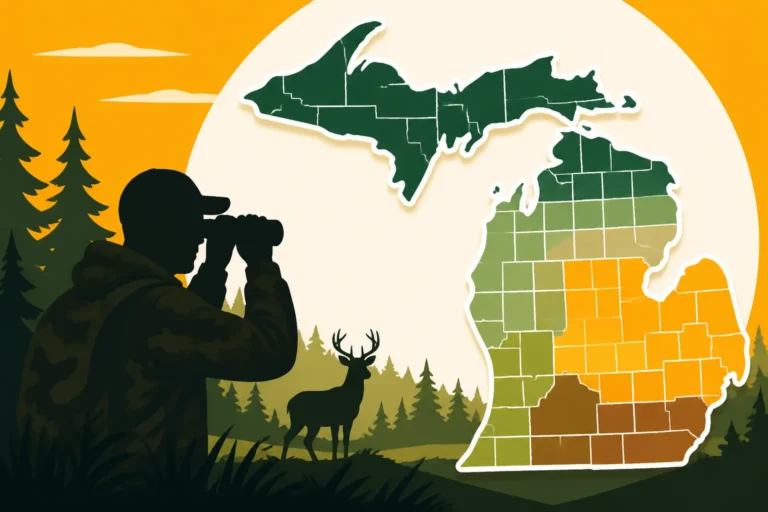
Michigan's bear range is divided into specific areas known as Bear Management Units (BMUs). These units, such as the Red Oak, Baraga, or Newberry units in the Upper and Northern Lower Peninsulas, each have their own population goals and therefore, specific quotas for the number of bear licenses issued. The DNR biologists meticulously monitor bear populations within each BMU, considering factors like cub production, habitat quality, and harvest data to determine how many licenses can be issued responsibly each year.
These quotas directly impact your drawing odds. Units with healthy, growing bear populations and larger quotas might be easier to draw, especially if they're in less accessible areas or require more effort to hunt. Conversely, highly popular units with smaller quotas, often known for producing larger bears or offering specific habitat types, can be incredibly difficult to draw, sometimes requiring many years of preference points. Understanding these units and their historical draw odds is paramount. You can find detailed information on these specific zones by exploring Michigan Bear Management Units. Knowing the characteristics and success rates of different BMUs is key to making an informed application choice.
Key Dates for Michigan Bear Applications
Missing the application window is arguably the biggest mistake a hopeful Michigan bear hunter can make. The Michigan DNR sets a very specific period each year during which applications for bear licenses are accepted. Being aware of these crucial dates is your first step toward a successful hunt.
Application Period Opening and Closing
For Michigan's black bear hunting season, the application period typically opens on April 1st and closes on May 1st. This is a hard deadline, and the DNR strictly adheres to it. You cannot apply for a bear license outside of this one-month window, even if you just missed it by a day or two. There are no exceptions, which is why marking these dates on your calendar, setting phone reminders, or even tying a string around your finger is so vital.
Many hunters choose to apply online through the Michigan DNR's eLicense system, which is convenient and generally straightforward. You can also apply at any authorized license retailer. It’s always a good idea to apply well before the May 1st deadline to avoid any last-minute technical glitches or unforeseen issues. Imagine having connectivity problems on April 30th and missing out for another year – the thought alone is enough to encourage early action! This period is also when you can opt to purchase a preference point if you don't plan to hunt this year but want to build points for the future.
Drawing Results and Leftover Licenses
Once the application period closes, the waiting game begins. The Michigan DNR usually conducts the bear license drawing in early to mid-June. The exact date can vary slightly year to year, but you can typically expect to hear back around the second or third week of June. This is when countless hunters across the state eagerly log into their eLicense accounts or check the DNR website to see if their patience and preference points have paid off. For specific information on when to expect the results, make sure to check Michigan Bear Drawing Results Date as the time approaches.
If you are one of the fortunate hunters to draw a license, you’ll typically receive an email notification, and your eLicense account will update to show you've drawn a tag for your chosen BMU. You then have a limited window to purchase your actual bear license – usually until early July. Missing this purchasing deadline, even after drawing, will result in forfeiture of your license and your preference points.
For those who don't draw a license, all is not lost, though your options become more limited. In some years, there may be a small number of leftover bear licenses, particularly in BMUs that are harder to access or have lower hunter demand. These leftover licenses, if available, are typically sold on a first-come, first-served basis, often starting in early July after the initial draw results and purchase deadlines have passed. These are rare and usually go incredibly fast, so it requires being exceptionally quick to grab one if they appear.
| Event | Typical Dates | Notes |
|---|---|---|
| Application Period | April 1st – May 1st | Apply for a license or purchase a preference point. |
| Drawing Results | Early to Mid-June | Check DNR eLicense or website for status. |
| License Purchase | Mid-June to Early July | Deadline to buy your drawn license. |
| Leftover License Sales | Early July (if available) | First-come, first-served, often sell out immediately. |
Tips for Increasing Your Bear Drawing Odds
While the bear lottery is indeed a game of chance, there are strategic approaches you can take to significantly improve your drawing odds over time. It's not just about applying; it's about applying smart.
Strategic Unit Selection
One of the most impactful decisions you'll make is which Bear Management Unit (BMU) to apply for. Many hunters automatically gravitate towards the most popular or well-known units, which often have the highest demand and thus, the lowest draw odds. While these units might indeed hold more bears or bigger bears, your chances of actually hunting there are slim without a substantial number of preference points.
A more strategic approach, especially if you're relatively new to the bear point system, is to research BMUs with slightly lower demand. Websites like GoHunt offer valuable insights and data on past draw odds, success rates, and even hunter pressure for different units. This kind of platform can be invaluable for analyzing your options. For example, some units in the Upper Peninsula generally have higher draw odds than those in the Northern Lower Peninsula due to larger quotas and sometimes more challenging terrain, even if the overall population of How Many Michigan Black Bears There Are is robust across the state. It might mean a more rugged hunt, but it drastically improves your chances of getting a tag. Don't overlook these units; a bear tag in hand is worth two in the bush, so to speak!
Consider factors beyond just the number of bears. Think about access, terrain, and the type of hunting experience you're looking for. Are you prepared to Baiting Bears in the Upper Peninsula if it's legal in your chosen unit, or are you hoping to Hunting Bear Without Bait or Dogs? Your hunting style might influence which units you find appealing, and cross-referencing that with draw odds can lead to a more successful strategy.
Consistency and Patience
This is perhaps the simplest yet most challenging tip: be consistent and patient. As we discussed with preference points, the system heavily favors those who apply year after year. If you skip a year, you don't earn a preference point, essentially hitting the pause button on your progress toward a tag. For many hunters, drawing a bear license in Michigan is a multi-year endeavor. It's not uncommon for hunters to take 5, 10, or even 15+ years to accumulate enough points for their dream unit, especially in high-demand areas.
This means committing to applying every single year during the April 1st – May 1st window, even if your hunting schedule for the upcoming season looks tight. If you truly can't commit to a hunt, at least apply for just the preference point. This keeps your momentum going, ensuring that when the time is right, you'll have a competitive edge in the drawing. Think of it as investing in your future hunting adventures. It’s a long game, but the reward of a Michigan bear hunt is absolutely worth the wait.
What Happens After You Apply for a Michigan Bear Tag
The period between applying and the drawing results can feel like an eternity. But once those results are in, what are your next steps, whether you drew a tag or not? Understanding the post-application process is just as important as knowing the application dates.
Checking Your Application Status
After you've submitted your bear license application, you'll naturally be anxious to know the outcome. The most reliable way to check your application status and drawing results is directly through the Michigan DNR's eLicense system. You'll log in with your credentials, and under your license history or application status, it will clearly indicate whether you were successful in the draw for your chosen BMU. While the DNR may send out email notifications, sometimes these can get caught in spam filters or be delayed, so actively checking your account is the best practice.
It's also a good idea to keep your contact information updated with the DNR, especially your email and mailing address. This ensures that any critical communications, such as drawing notifications or information regarding your Michigan Bear Licence Cost and purchase deadlines, reach you promptly.
If You Draw a Tag: Next Steps
Congratulations! If you're one of the lucky hunters to draw a Michigan bear tag, the real work (and excitement) begins. Your first and most critical step is to purchase your license before the specified deadline, which is typically in early July. Do not miss this deadline, as your drawn tag will be forfeited, and you'll lose all your accumulated preference points.
Once your license is in hand, it's time to dive into preparation. This includes:
- Scouting: If possible, spend time in your drawn BMU to scout for sign, identify potential hunting areas, and understand the terrain. This is crucial whether you plan on Baiting Bears in the Upper Peninsula or Spot-and-Stalk Bear in the Upper Peninsula.
- Regulations Review: Familiarize yourself with the specific regulations for your BMU, including season dates, legal shooting hours, and any baiting restrictions. Each BMU has its own specific Michigan Bear Season Dates by Unit.
- Gear Preparation: Ensure your weapon is sighted in, your hunting clothes are ready, and you have all necessary safety equipment.
- Connecting with Resources: Talk to other bear hunters, local DNR staff, or guides who are familiar with your unit. Their insights can be invaluable.
If You Don't Draw: Planning for Next Year
While it can be disappointing not to draw a bear tag, remember that this is part of the preference point system. The good news is that if you applied for a license and were unsuccessful, you automatically earned another preference point, moving you one step closer to drawing in the future.
This is the perfect time to start planning for next year. Revisit your strategy:
- Review Draw Odds: Look at the latest draw odds for all BMUs, especially considering any changes in quotas or hunter demand. GoHunt, for instance, updates its data regularly and can help you re-evaluate your target units.
- Consider Alternative Units: Are there other BMUs that might offer better odds but still provide a quality hunting experience? Sometimes moving to a less pressured unit can be the key.
- Commit to Consistency: Reinforce your commitment to applying every year, even if it's just for a preference point, to ensure your position in the drawing pool continues to improve. More information on the long game of points can be found at Michigan Bear Preference Points.
The journey to a Michigan bear tag is often a multi-year adventure, but with diligent application and strategic planning, your turn will come.
Disclaimer
Please note: The information provided in this guide is for informational purposes only and is subject to change. Always consult the official Michigan Department of Natural Resources (DNR) website and current hunting regulations for the most accurate and up-to-date information regarding application dates, season dates, and all hunting laws.