Michigan Elk Hunt Period Dates
It's a dream for many Michigan hunters, a truly once-in-a-lifetime opportunity: drawing an elk tag. But let's be real, navigating the intricate details of Michigan's elk hunt, especially understanding the specific hunt period dates, can feel like trying to track a phantom bull through a blizzard. This guide aims to demystify those crucial dates, helping you understand when these coveted hunts occur and how the system works, so you're prepared if your name ever gets drawn.
Understanding Michigan's Rare Elk Hunt Opportunity
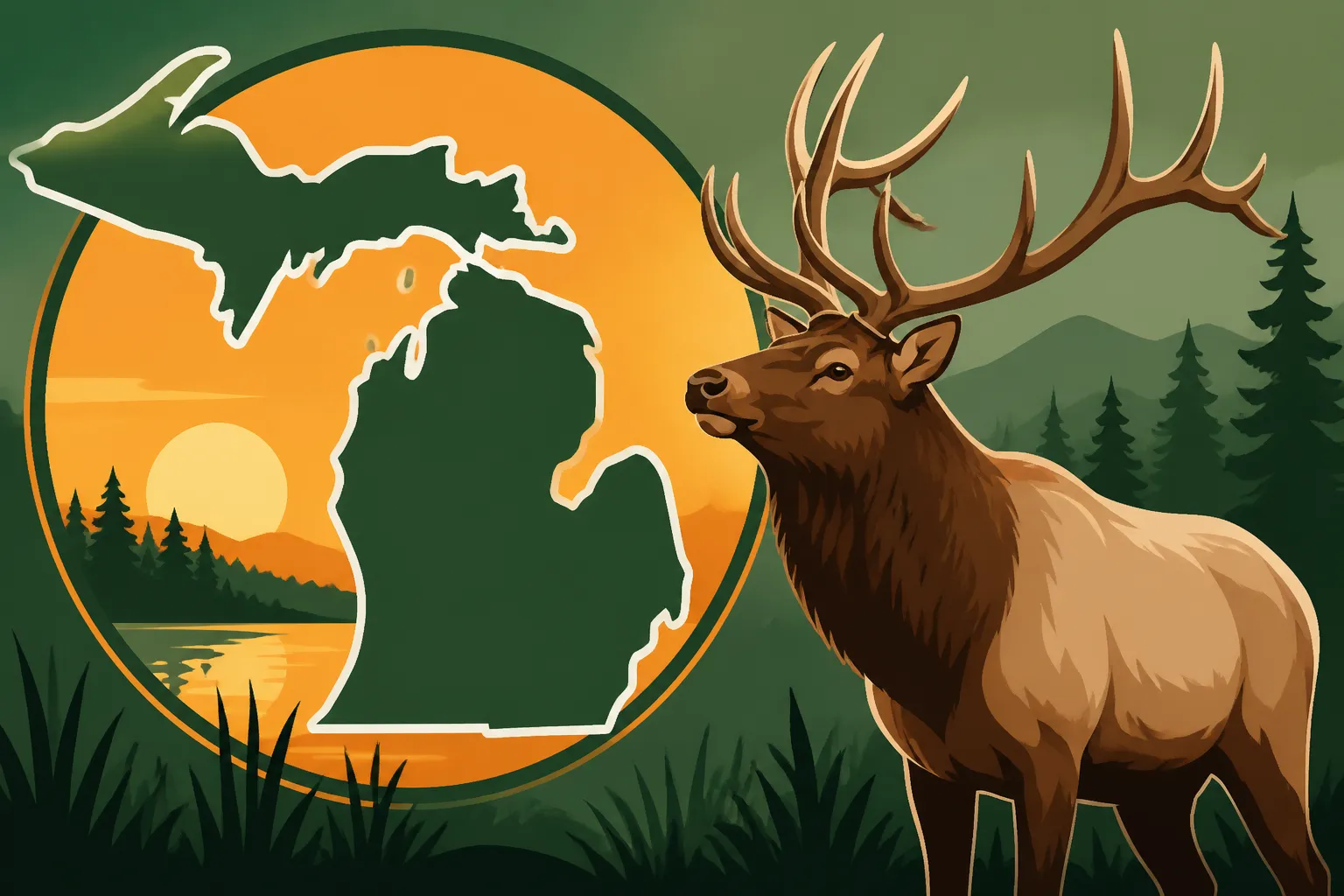
Michigan's elk herd is a testament to conservation efforts, thriving primarily in the northern Lower Peninsula. Unlike deer or bear, elk hunting here isn't an annual rite for most; it's a highly regulated, lottery-based system designed to manage the herd size and provide a unique challenge to a very limited number of hunters each year. The sheer difficulty of drawing a tag makes every detail surrounding the hunt incredibly important, and knowing the hunt periods is step one in preparing for what could be an unforgettable experience.
The Exclusivity of Michigan's Elk Tags
The Michigan Department of Natural Resources (DNR) issues a very small number of elk licenses each year, often cutting them down to around 200 total, which makes the draw odds incredibly slim. This scarcity means that if you're lucky enough to draw, you're joining an elite group of hunters. This isn't just about bagging an animal; it's about participating in a unique management program and experiencing a piece of Michigan's wild heritage that few ever get to see up close. Understanding the limited nature of this hunt really underscores why being prepared for those specific hunt periods is so vital.
Why Specific Hunt Periods Exist
The DNR designs specific hunt periods for several reasons, all centered around responsible wildlife management. These periods help distribute hunting pressure, target specific segments of the herd (like mature bulls or antlerless animals), and minimize conflicts with other outdoor recreationists or private landowners. For hunters, these different periods offer distinct advantages and challenges, influencing everything from elk behavior to weather conditions. It's not just a random schedule; it's a carefully crafted system to balance opportunity with conservation.
Deconstructing Michigan's Elk Hunt Periods
Michigan's elk season is typically broken down into distinct periods, each with its own set of dates and specific tag types (any-elk or antlerless-only). It’s absolutely critical to remember that while these periods generally follow a pattern, the exact dates can shift slightly from year to year. Always, always, always refer to the most current Michigan Hunting Digest published by the DNR once you've applied or drawn a tag.
The Early "Any-Elk" and Antlerless Periods
The first set of elk hunting periods usually kicks off in late August and sometimes extends into early September. These periods are often split, meaning hunters might have a few days at the end of August, followed by another segment in early September. These are primarily for "any-elk" tags, which allow a hunter to take either a bull or a cow, but also include the first opportunities for antlerless-only tags. The weather can be warm and beautiful, but also quite challenging for meat care. The elk are typically still in their summer patterns, often in larger groups, and the famous bugling rut is either just beginning or still a little ways off.
Hunters often find elk in open fields or clear-cuts during these times, feeding heavily before the cooler weather arrives. It's a time for stealth and careful scouting, as the dense summer foliage can make spotting a challenge. Accessing prime habitat like the Pigeon River Country State Forest during these early periods requires forethought, as many other recreational users might still be out and about. If you draw an "any-elk" tag during these dates, you're getting a unique chance to hunt before the intense rutting activity, which means focusing on feeding patterns rather than calling.
The Mid-Season "Any-Elk" Period
Following the early hunts, there’s typically a mid-season "any-elk" period that usually falls in mid to late September. This is often when the elk rut is really starting to heat up, making it a highly sought-after time for many hunters. The crisp autumn air, the changing leaves, and the spine-tingling sound of a bull elk bugling through the woods—it's the stuff of legends. This period is often considered prime time for those hoping to call in a trophy bull.
During this period, elk behavior shifts dramatically from the earlier hunts. Bulls become much more vocal and aggressive, constantly checking cows and challenging rivals. This is when calling tactics like bugling and cow calling can be incredibly effective. However, it also means the elk are more focused on breeding than feeding, making their movements less predictable. Hunters pursuing elk during this time need to be prepared for the fast-paced, sometimes chaotic nature of the rut. Checking the specific Michigan Elk Hunt Periods can provide details on how the draw is structured for these exciting dates.
The Late-Season "Any-Elk" and Antlerless Periods
As winter approaches, Michigan's elk hunt periods typically include a final push, usually in mid-December. This late season offers another chance for both "any-elk" and antlerless-only hunters. By this time, the rut is long over, and elk have transitioned into their winter survival mode. They often congregate in larger herds, seeking out consistent food sources and sheltered areas like cedar swamps to escape the cold and snow.
Hunting during the late season presents a completely different set of challenges and rewards. The colder weather makes meat care much easier, but it also demands more rugged gear and a higher tolerance for challenging conditions. Snow on the ground can make tracking much simpler, but it can also make getting around in the extensive elk range, especially within the confines of the Michigan Elk Management Unit Boundaries, a real chore. This period often sees elk concentrated, which can be a boon for hunters who put in the effort to find their wintering grounds. Successfully hunting in December often means focusing on how deer winter in deep snow, as elk share similar strategies for survival.
Here’s a quick overview of the typical hunt periods, but remember to always consult the current year's DNR Hunting Digest for exact dates:
| Hunt Period | Typical Timing | Tag Types Issued | Primary Behavior Focus |
|---|---|---|---|
| Period 1 | Late August / Early September | Any-Elk, Antlerless-Only | Summer feeding patterns, pre-rut, larger groups |
| Period 2 | Mid-Late September | Any-Elk | Peak rut activity, bugling, aggressive bull behavior |
| Period 3 | Mid-Late December | Any-Elk, Antlerless-Only | Winter survival, congregating on food/cover, tracking |
Navigating the Elk Application and Drawing Process
The thought of an elk hunt is exciting, but securing a tag is a challenge in itself. Understanding the application process, key deadlines, and how preference points work is paramount for anyone dreaming of a Michigan elk hunt. It's a system designed to give everyone a chance, but patience and persistence are key.
Application Deadlines and Key Dates
The application period for a Michigan elk license typically runs from May 1st through June 1st each year. Missing this window means waiting an entire year for your next chance, which can be incredibly frustrating given how long it takes to accumulate preference points. It's a non-refundable application fee, but it's a small price to pay for the chance at a truly remarkable hunt. Setting a reminder on your calendar for the Michigan Elk Application Dates is a must, perhaps even before you think about which Michigan Deer Seasons and Tags you'll apply for.
After the application closes, the DNR conducts a lottery drawing. The Michigan Elk Drawing Results Date is usually announced in late July or early August, so prepare yourself for some anxious waiting during those summer months! You can often check your application status online through the DNR's website or their Michigan DNR Hunt Fish App.
The Role of Preference Points
Michigan uses a preference point system for its limited draw elk hunt. For every year you apply for an elk license and are unsuccessful, you earn one preference point. These points don't guarantee you a tag, but they increase your odds in subsequent drawings. The more points you have, the better your chances, though it can still take many, many years to draw, sometimes even a lifetime for some unlucky hunters. This system allows the DNR to prioritize those who have been consistently applying. Learning How Michigan Bear Preference Points Work can give you a similar understanding of how this system functions for other big game draws.
There's no shortcut to accumulating points, it's simply a matter of applying every year. Hunters often use tools from brands like GoHunt to analyze draw odds and strategize their applications, though for Michigan elk, it's usually just about accumulating as many points as possible. For detailed insights into the point system and strategies, it's worth reviewing the Michigan elk preference points information available from the DNR.
Understanding the Different License Types
When you apply, you're not just applying for "an elk tag." You'll typically have options: an "any-elk" license, which allows you to harvest a bull or an antlerless elk, and an "antlerless-only" license, which is restricted to female elk. The draw odds for antlerless-only tags are usually slightly better, but the desire for a bull often drives most hunters to apply for the "any-elk" option.
It's important to consider your hunting goals and the realities of the draw. If your primary goal is simply to hunt an elk in Michigan, an antlerless-only tag might offer a quicker path to a draw. However, if you're dreaming of a bugling bull during the rut, you'll need to apply for the "any-elk" option and be prepared for a longer wait in the preference point system. These considerations are part of what makes the Michigan Elk Application Rules so critical to understand.
Preparing for Your Michigan Elk Hunt
If you're one of the incredibly fortunate few to draw a Michigan elk tag, the real work and excitement begin. It's not just about showing up; it's about meticulous planning, extensive scouting, and being physically and mentally ready for a challenging hunt in some of Michigan's most rugged terrain.
Scouting the Elk Range
The moment you draw a tag, especially if you know your hunt period, your focus should immediately shift to scouting. Michigan's elk herd is concentrated primarily in a few counties in the northern Lower Peninsula, especially around the Pigeon River Country State Forest. This area, often referred to as Michigan's "elk capital," is a vast expanse of mixed hardwoods, conifer swamps, and open clear-cuts. Depending on your hunt period, you'll need to scout for different things. Early season might mean focusing on food sources in open areas, while late season demands finding wintering yards and sheltered cover.
You'll want to spend time on the ground, but also utilize mapping tools like the DNR's Mi-HUNT map or those from companies like GoHunt or onX to identify potential hot spots, access points, and escape cover. Remember, Michigan's elk are wild and roam over large areas. Understanding their movement patterns within the Michigan Elk Management Unit Boundaries is crucial, and it’s a lot of work. Scouting early and often will give you the best chance at success, allowing you to narrow down potential hunting areas once your specific hunt period arrives.
Gear and Logistics for Elk Hunting
Michigan elk hunting often takes place in remote, rugged terrain, regardless of the hunt period. Your gear needs to be up to the task. This means durable boots, appropriate layering for fluctuating Michigan weather, and reliable optics. For a mid-September rut hunt, you might prioritize calling gear and lightweight setups for covering ground. For a December hunt, warm, waterproof layers and a heavy pack for hauling meat are essential. Ensure your rifle or bow is sighted in perfectly and you are proficient with it, as shot opportunities can be fleeting.
Logistics also play a huge role. Consider where you’ll stay—whether it’s camping on state land or a cabin rental—and how you’ll get your elk out of the woods. A downed elk is a massive animal, much larger than a deer, and extracting one from a remote area requires a plan, and often, extra hands. Thinking through how to Field Dressing a Deer in Cold Weather provides a useful parallel for handling an elk in similar conditions. Don't forget to review Michigan Legal Shooting Hours and all other regulations unique to elk hunting before you even step foot in the woods.
What to Do After the Harvest
Drawing an elk tag is hard enough, but successfully harvesting one is an even greater accomplishment. However, the work isn't over once the animal is on the ground. Michigan has specific regulations regarding reporting your harvest. You generally have a certain timeframe, typically 72 hours, to report your harvest to the DNR, similar to Reporting a Michigan Harvest in 72 Hours for deer. This is critical for data collection and proper management of the herd.
Additionally, transporting an elk carcass in Michigan, especially out of specific CWD management zones, might have its own set of rules. Always check the current hunting digest for these important details. The sheer volume of meat from an elk also requires proper care. Have a plan for butchering, cooling, and freezing the meat quickly to prevent spoilage, especially during warmer early season hunts. This isn't just a regulatory requirement; it's about respecting the animal and ensuring that you get to enjoy the incredible table fare an elk provides. For more general licensing information, be sure to look into Michigan Hunter Safety Requirement as well.
Conclusion: Patience and Preparation for the Dream Hunt
The pursuit of Michigan elk is a unique journey, defined by patience in the application process and intense preparation should your name finally be drawn. While the hunt period dates provide the crucial framework, success truly hinges on understanding the specific challenges and opportunities each period presents. From the early season's focus on feeding patterns to the exhilarating bugles of the mid-season rut and the strategic tracking of the late season, each timeframe offers a distinct experience. By diligently accumulating preference points, staying informed on the ever-important dates, and meticulously preparing for the hunt of a lifetime, you'll be ready to embrace this incredible Michigan adventure when it finally arrives.
Disclaimer
This guide is intended for informational purposes only and is based on general hunting regulations and practices in Michigan. Hunting regulations, season dates, and application procedures are subject to change by the Michigan Department of Natural Resources (DNR). It is the hunter's responsibility to consult the most current official Michigan Hunting Digest and any applicable legal statutes before participating in any hunting activity.