Michigan Duck Daily Bag Limit
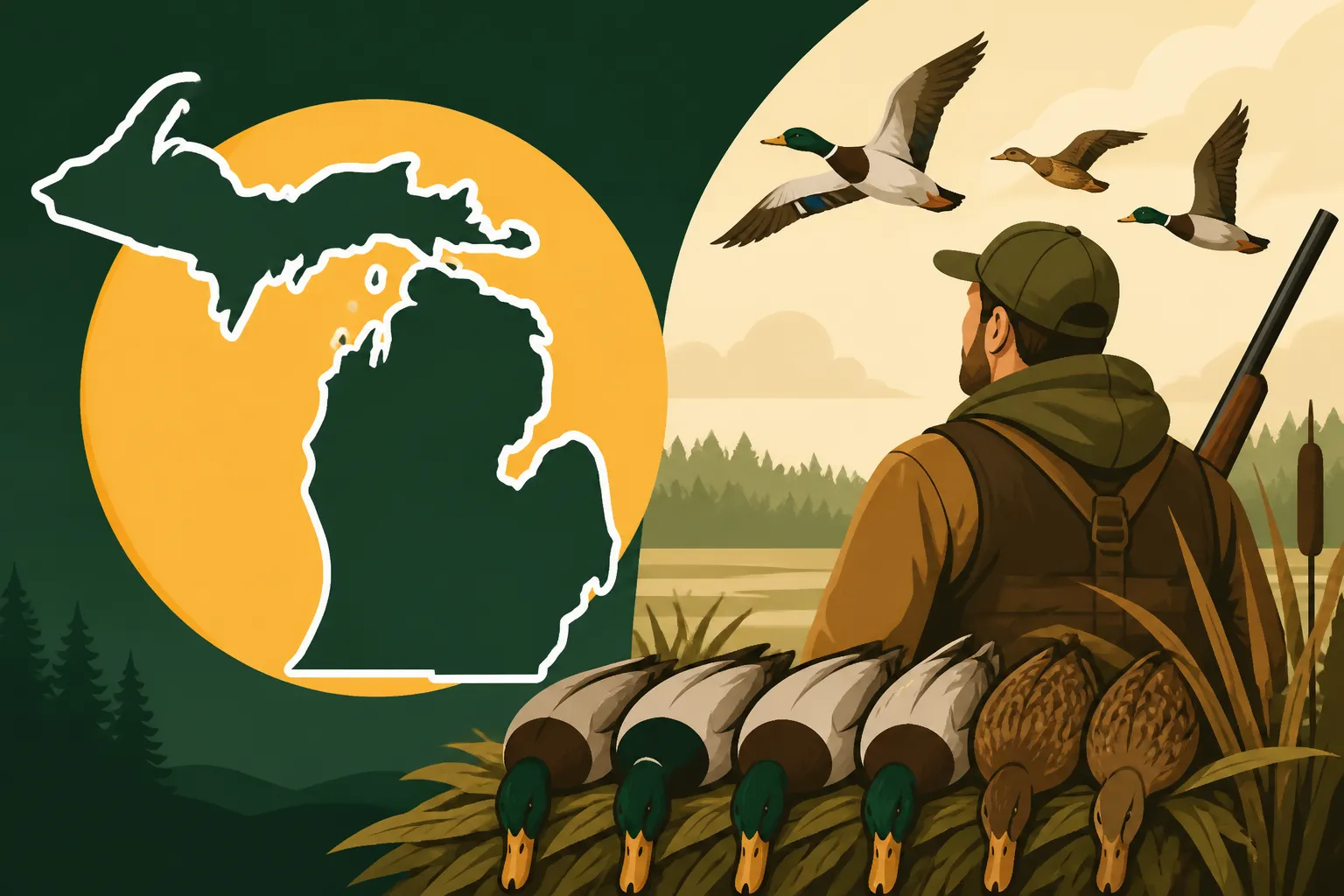
You've been up since before dawn, the decoys are set just right, and that first flight of mallards is cupped and committed, wings set, heading straight for your spread. Your heart pounds, the moment you live for! But as they drop, a quick thought flashes: "How many can I actually take today?" It’s a common moment of confusion, a quick, unsettling doubt that can really mess with your focus. Navigating Michigan's duck daily bag limits can feel like trying to decipher a secret code sometimes, especially with different rules for various species and potential zone-specific regulations. This comprehensive guide is here to untangle all that, ensuring you know exactly what you can legally harvest to enjoy your hunt without a worry.
Understanding the Foundation of Duck Limits
Hunting ducks in Michigan, like anywhere else in the United States, operates under a dual system of regulations: federal frameworks set by the U.S. Fish and Wildlife Service, and state-specific rules enforced by the Michigan Department of Natural Resources (DNR). These limits aren't just arbitrary numbers; they are carefully calculated by wildlife biologists to ensure the long-term health and sustainability of duck populations. This scientific management is vital for us hunters, guaranteeing there will be ducks to pursue for generations to come.
The Role of Federal and State Regulations
The federal government sets the broad strokes for waterfowl seasons and bag limits, often dividing the country into flyways. Michigan falls within the Mississippi Flyway, a massive migratory corridor that ducks and geese use to travel between their breeding grounds in the north and wintering areas down south. Within this federal framework, states like Michigan then fine-tune the rules, taking into account local population data, habitat conditions, and hunter participation. This means that while a species might have a federal limit, Michigan can impose a more restrictive limit if local conditions warrant it. It's why staying updated on Michigan's specific rules, usually published in the annual Waterfowl Hunting Digest, is absolutely crucial. You can't just assume what's legal in Ohio is legal here.
Daily Bag vs. Possession Limits
This is where a lot of hunters, especially newer ones, sometimes get tripped up, and it's completely understandable. The difference between a daily bag limit and a possession limit is fundamental. The daily bag limit is the maximum number of a specific species (or aggregate of species) you can legally harvest in one day. Think of it as your daily allowance. The possession limit, on the other hand, is the maximum number of legally harvested migratory game birds you can have in your possession at any given time, including birds at your home, in storage, or in transit. This limit is typically three times the daily bag limit for ducks. For example, if the daily bag limit for mallards is four, your possession limit would be 12. This distinction is incredibly important, especially if you're on a multi-day hunt or saving up birds for a big family meal. Always keep your birds properly separated and identified by species if you're mixing hunts or sharing a freezer with other hunters.
Detailed Breakdown of Species-Specific Duck Limits
Michigan's duck bag limits are not a "one size fits all" deal. Different species have different limits, often reflecting their population status, reproductive rates, and vulnerability to hunting pressure. It can be a real challenge, especially in the low light of dawn or dusk, to identify every duck as it screams over the decoys. But it's our responsibility as ethical hunters to know our birds. Failing to correctly identify a duck can lead to an over-limit violation, even if unintentional.
To help you keep track, here's a general overview of the typical daily bag limits for various duck species in Michigan. Remember, these are subject to change annually, so always consult the latest Michigan Waterfowl Seasons and Zones guide from the DNR before heading out.
| Duck Species | Daily Bag Limit (Typical) | Specific Restrictions / Notes |
|---|---|---|
| Mallard | 4 total | Maximum 2 hen mallards. Hunters must be able to identify hens vs. drakes. |
| Black Duck | 2 total | Often seen mingling with mallards, distinctive dark plumage. |
| Pintail | 1 total | Historically low populations, hence a very restrictive limit. Distinctive long tail. |
| Canvasback | 2 total | Known for diving behavior, often found on larger bodies of water. Male has a reddish head. |
| Redhead | 2 total | Another diver, male has a distinctive reddish head but different profile from a Canvasback. |
| Scaup (Bluebill) | 2-3 total (variable) | Limit can vary by season segment, check current regulations. Often hunt in large rafts. |
| Wood Duck | 3 total | Beautiful plumage, often found in timbered swamps and rivers. Fast, acrobatic flight. |
| Gadwall | 2 total | Gray-brown duck with a white speculum, often overlooked. |
| Wigeon (American) | 3 total | Distinctive white patch on wing and male's white crown. |
| Shoveler (Northern) | 2 total | Large, spoon-shaped bill. |
| Green-winged Teal | 6 total | Small, fast fliers, males have a green stripe on head. |
| Blue-winged Teal | 6 total | Small, fast fliers, males have a white crescent on face and blue patch on wing. |
| Other Ducks | 6 total | This category often covers species like Ring-necked Ducks, Buffleheads, Goldeneyes, Common Mergansers, Hooded Mergansers, etc. |
Important Note on Aggregate Limits: You'll notice that many individual species have their own limits, but there's also an overall daily bag limit for "ducks." Typically, this aggregate limit is six ducks total, meaning even if you could theoretically take six green-winged teal and three wood ducks based on individual species limits, you cannot exceed the overall six-duck daily limit. Always check the Michigan DNR waterfowl guide for the most current and exact wording.
Focusing on Tricky Species: Mallards, Pintails, and Canvasbacks
Let's dive a bit deeper into some species that often cause confusion or have particularly restrictive limits.
-
Mallards: Everyone loves a mallard, and they are abundant in Michigan. The typical limit of four mallards per day is fairly generous, but the critical part is the restriction on hen mallards. You can only take two hen mallards per day. This regulation is in place because hen mallards are vital for population growth; they're the ones laying the eggs! Identifying hens from drakes, especially in the flurry of incoming birds, takes practice. Look for the solid brown head and lack of a distinct green head or white neck ring. Many hunters find that using an app like GoHunt for identifying waterfowl species can be incredibly helpful for learning the nuances of plumage and flight patterns.
-
Pintails: The pintail, with its elegant long neck and distinctive "pin" tail, is a stunning bird. However, their populations have faced challenges, leading to a strict limit of just one pintail per day. It’s a trophy bird for many, but you need to be absolutely certain of your identification before pulling the trigger. Mistaking another duck for a pintail can quickly lead to an over-limit situation.
-
Canvasbacks: These big, powerful diving ducks are often called the "king of ducks" by those who pursue them. With their wedge-shaped profile and reddish head (on drakes), they are beautiful. Their limit is usually two per day. Like pintails, their populations fluctuate, and the limit reflects conservation efforts. They're often found in large open water areas, so if you're engaged in some serious Great Lakes Waterfowl Hunting in Michigan, you might encounter them.
Common Misconceptions and Special Regulations
It's easy to get caught up in the excitement of the hunt and overlook some crucial details, especially when rules seem to shift or special seasons apply.
Youth Hunts and Veteran Opportunities
Michigan often provides special opportunities for youth hunters and veterans or active military personnel, usually outside the regular season dates. For instance, the Michigan Youth Waterfowl Hunt is a fantastic program designed to introduce young hunters to the sport in a less pressured environment. During these hunts, the daily bag limits for ducks often align with the regular season limits but may have specific dates or locations. It's an invaluable chance for new generations to experience the thrill of the marsh. Likewise, special "Independence Hunts" are offered for eligible veterans and active military members, which can also have unique rule sets. Always check the specific regulations for these hunts, as they are tailored to their unique circumstances. Remember, these programs are designed to foster participation and appreciation for the outdoors, and respecting the rules is part of that honorable tradition.
Understanding Duck Zones and Season Splits
Michigan is divided into three duck zones: the North Zone, Middle Zone, and South Zone. Each zone has its own specific season dates, and sometimes, even different bag limits or rules might apply within these zones, particularly for specific species like scaup. These zones are established to account for the varying migration patterns and duck populations across the state, ensuring that hunting pressure is appropriately managed. For example, ducks typically arrive in the North Zone earlier in the fall, so their season usually opens first. Understanding Which Michigan Duck Zone You Are In is critical for knowing when your season opens and what the specific rules are. Sometimes, there are even season splits, where a season might close for a short period and then reopen later, which can also impact your hunting strategy and adherence to limits.
Hunting in Managed Waterfowl Areas
Many dedicated duck hunters in Michigan participate in managed waterfowl draws at places like Pointe Mouillee or Nayanquing Point. These Michigan Managed Waterfowl Area Draws offer incredible hunting opportunities in prime habitat. While the general state bag limits apply, these areas often have additional rules regarding access, blind assignments, and sometimes even specific local regulations or reporting requirements. It's essential to familiarize yourself with the rules of any specific managed area before you go, as they are designed to maximize hunter opportunity while minimizing disturbance to the birds.
Staying Legal and Ethical in the Marsh
Responsible hunting is about more than just knowing the rules; it's about upholding the integrity of the sport and ensuring its future. This includes knowing your ducks, checking the regulations, and being prepared.
Identifying Ducks in Flight
This is arguably the hardest part of respecting bag limits. In the low light of early morning or late evening, or when ducks are pitching into a strong wind, distinguishing between a hen mallard and a black duck, or a pintail and a wigeon, can be incredibly difficult. Take the time to study duck identification guides, watch videos, and spend time observing ducks outside of hunting season. A good pair of binoculars, like those from a brand such as Vortex Optics, can be a game-changer for positively identifying birds before they get into shooting range. Remember, if you’re not 100% sure of the species, it’s always best to err on the side of caution. As hunters, we owe it to the resource to make responsible decisions.
Resources for Current Regulations
The most up-to-date information on Michigan's duck daily bag limits and all other waterfowl regulations will always come directly from the Michigan DNR.
- Michigan Waterfowl Hunting Digest: This is your bible for the season. It's available online as a PDF on the DNR website and usually in print at sporting goods stores and DNR offices. Make sure you get the most current year's digest, as regulations can and do change annually.
- Michigan DNR Website & App: The DNR's website has a dedicated section for waterfowl hunting, and their "Michigan DNR Hunt Fish App" is a fantastic resource to have on your phone for quick reference, even when you're out in the marsh. Many hunters also use mapping applications like GoHunt to mark their spots and verify public land boundaries, which can sometimes influence local rules.
- Federal Duck Stamp & HIP Certification: Don't forget, in addition to your state hunting license and Michigan Waterfowl Licence and Stamps, all migratory bird hunters 16 years of age and older must purchase a Federal Migratory Bird Hunting and Conservation Stamp (Federal Duck Stamp). You also need to be HIP (Harvest Information Program) certified, which is free and just involves answering a few questions about your previous year's harvest. These requirements are essential for legal waterfowl hunting and help fund conservation efforts.
Ethical Considerations and Future Generations
Beyond the letter of the law, ethical hunting practices reinforce our commitment to conservation. This means making every effort to recover every downed bird, even if it means a long slog through the cattails or a frigid swim. It means knowing your effective range and not taking Hail Mary shots that are likely to wound birds. It means understanding Waterfowl Loads for Michigan Divers and choosing the right shot size and choke combination for the type of hunting you're doing. Every duck brought to hand is a testament to your skill and respect for the resource. By adhering to bag limits, honing your identification skills, and practicing ethical hunting, we ensure that the thrilling experience of a Michigan duck hunt remains a cherished tradition for our children and grandchildren.
Disclaimer
Please remember that hunting regulations, including daily bag limits, can change annually. While this guide provides comprehensive and accurate information based on typical Michigan regulations, it is imperative that all hunters consult the current year's Michigan DNR Waterfowl Hunting Digest or visit the official Michigan DNR website before participating in any hunting activities. This article is for informational purposes only and does not constitute legal advice.