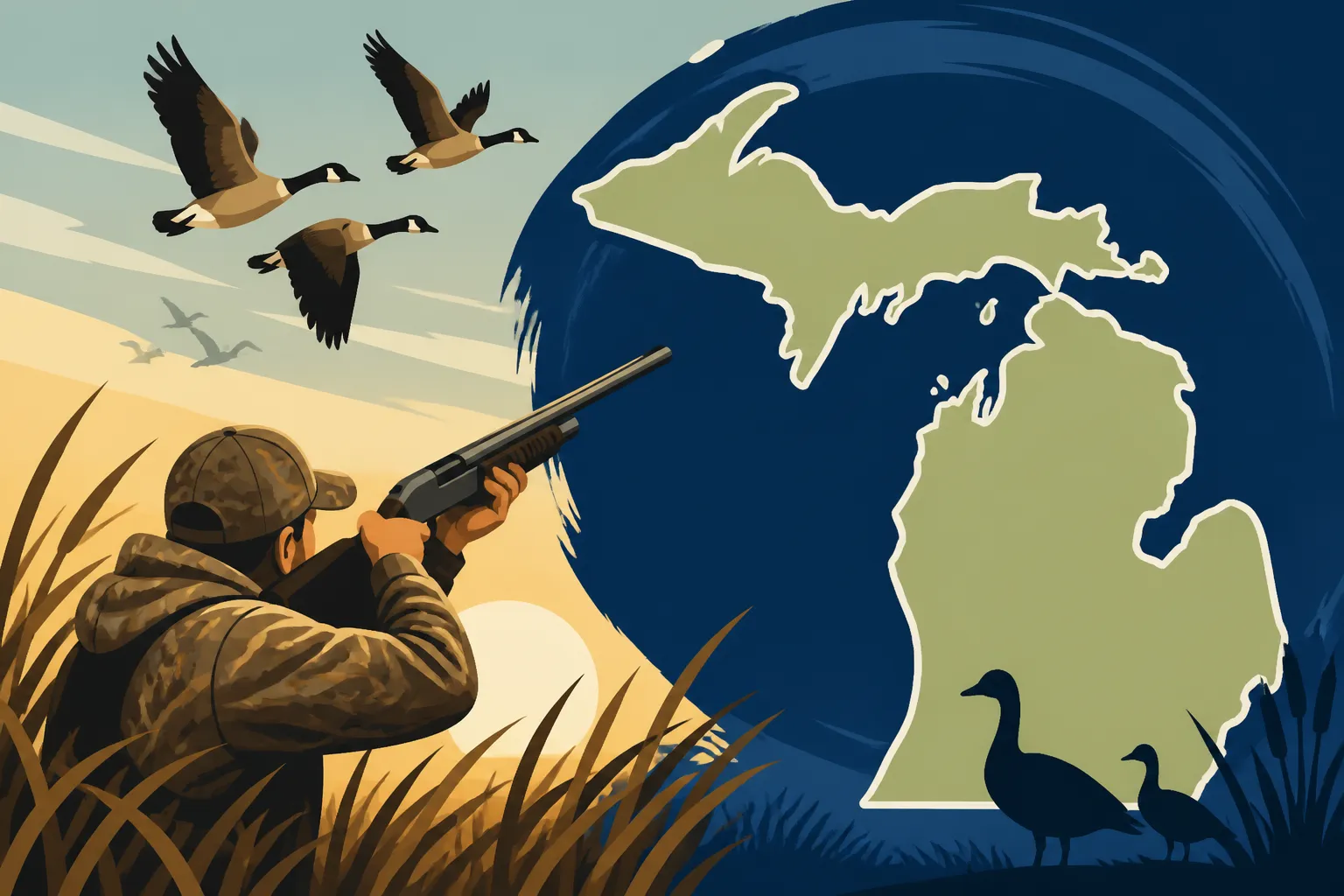
Michigan Early Goose Season Dates
Trying to keep track of Michigan's waterfowl seasons can feel like navigating a maze, especially when you're eager to get out for early geese. The dates and regulations shift, making it tough to plan your hunts effectively and avoid any missteps. This guide is here to clear up all that confusion, giving you the definitive Michigan early goose season dates and the essential details you need to be successful on the water or in the field, ensuring you're fully prepared when September rolls around.
Understanding Michigan's Early Goose Season
Michigan's early goose season is a highly anticipated time for many waterfowl hunters, offering a unique opportunity to target resident Canada geese before the main migratory push begins. This specific season serves several important purposes from a wildlife management perspective and requires hunters to be aware of particular rules and strategies.
Why an Early Season Exists
The Michigan Department of Natural Resources (DNR) implements an early Canada goose season primarily to manage the state's abundant resident goose population. Unlike their migratory cousins who breed in the far north, resident Canada geese largely breed within Michigan and often spend their entire lives here. Their numbers have grown significantly over the decades, leading to potential conflicts with human activities, especially in agricultural and urbanized areas.
These early hunts help to control goose numbers, mitigate crop damage on Michigan farms, and reduce nuisance issues in parks and suburban settings where geese can become overpopulated. By targeting these non-migratory birds, the DNR aims to reduce impacts without significantly affecting the overall continental migratory goose populations that arrive later in the fall. It's a strategic move to address local issues while providing a valuable hunting opportunity. This early season also provides a much-needed outlet for hunters eager to get into the field after a long summer, offering a taste of the waterfowl action to come.
The Statewide Early Season Dates
For most hunters across Michigan, the early Canada goose season typically kicks off on September 1st and runs for a specific, shorter period. While the exact closing date can sometimes see minor adjustments from year to year, hunters can generally expect this season to last through the first ten days of September. For example, in recent years, including the 2023 season, the early goose season ran statewide from September 1st through September 10th.
It is absolutely crucial for hunters to always confirm the exact dates for the current year by consulting the latest Michigan Waterfowl Hunting Digest, which is published annually by the DNR. While the September 1st opener is a strong tradition, state regulations can change, and staying up-to-date is paramount for legal hunting. Tools like the Michigan DNR's website or reputable hunting apps, such as GoHunt, often provide accessible versions of these regulations, making it easier to check on the fly. Knowing these precise dates allows you to plan your scouting trips, secure permission for private land access, and ensure your gear is ready before the opener. This initial window capitalizes on a time when geese are often in predictable patterns, feeding heavily and less wary than they become once hunting pressure mounts.
Rules and Regulations for Early Goose Hunting
Venturing out for Michigan's early goose season requires more than just knowing the dates; it demands a thorough understanding of the specific rules and regulations. Missteps can lead to fines or loss of hunting privileges, so paying close attention to these details is critical for a responsible and successful hunt.
Daily Bag Limits and Possession Limits
When hunting Canada geese during the early season, Michigan enforces specific bag and possession limits to ensure sustainable harvesting. The daily bag limit for Canada geese during the statewide early season is typically five birds per hunter. This means that within a single day, you cannot harvest more than five Canada geese.
The possession limit, which defines the maximum number of lawfully taken birds a hunter may possess at any given time, including those stored at home or in transit, is generally three times the daily bag limit. For early Canada geese, this typically means a possession limit of fifteen birds. It's important to remember that these limits apply to individual hunters, not groups. If you're hunting with a group, each hunter must adhere to their individual bag limit. Always make sure to count your birds carefully, especially if you're hunting multiple days or storing birds from previous outings. These numbers are a cornerstone of effective wildlife management, designed to allow for recreational harvest while protecting the overall population.
Required Licenses and Stamps
Before you can even think about setting up decoys or calling in geese, you need to ensure all your licensing is in order. Hunting waterfowl in Michigan involves a few specific requirements beyond just a standard hunting license.
First, every hunter, regardless of residency or age (unless specifically exempt, like mentored youth), needs a valid Michigan Base License. This is your foundational hunting credential. On top of that, you'll need a Michigan Waterfowl License. This state-specific license directly funds waterfowl conservation efforts within Michigan. Beyond state requirements, waterfowl hunters are also required by federal law to purchase a Federal Duck Stamp. This stamp, often referred to simply as a "duck stamp," is a physical adhesive stamp that must be signed across its face and carried while hunting. Funds generated from the sale of Federal Duck Stamps go directly to conserving wetlands and wildlife habitat across the United States. For more comprehensive information on these costs, you can always refer to the article on Michigan Hunting Licences and What They Cost.
Finally, every migratory bird hunter, regardless of age, must also be registered with the Harvest Information Program (HIP). This is not a separate license you purchase, but rather a simple survey you complete when you buy your state waterfowl license. It helps the U.S. Fish and Wildlife Service gather data on migratory bird harvests, which is vital for setting future season structures and bag limits. Most license retailers and the Michigan DNR's online GoHunt licensing system will guide you through the HIP registration process automatically when you purchase your waterfowl license. Make sure you’ve completed all these steps well in advance of September 1st; the last thing you want is to be scrambling for a stamp on opening morning.
Legal Shooting Hours and Equipment
Understanding legal shooting hours and permissible equipment is just as critical as knowing the dates and limits. Michigan strictly defines the window during which you can legally hunt waterfowl. For Canada geese during the early season, legal shooting hours commence 30 minutes before sunrise and extend until sunset. It's your responsibility as a hunter to know the exact sunrise and sunset times for your specific location on any given day. Many hunting apps, including those that integrate with tools like GoHunt, provide this information readily, or you can find it in local weather forecasts. Being in the blind and ready 30 minutes before sunrise is a standard practice, giving you enough time to settle in and be alert for the first flights.
When it comes to equipment, there are key regulations. First and foremost, non-toxic shot is absolutely required for all waterfowl hunting in Michigan. This means you cannot use lead shot for geese. Steel shot is the most common and affordable non-toxic alternative, but bismuth, tungsten-iron, or other approved non-toxic loads are also legal. You must use a shotgun that is plugged to hold no more than three shells total (one in the chamber and two in the magazine). This applies to all migratory bird hunting. As for decoys, there are generally no specific restrictions on the number or type of decoys you can use, allowing hunters to set up anything from a small spread of silhouettes to a large spread of full-body decoys to attract birds. Ethical hunting also dictates that you should only shoot at birds within your effective range, ensuring clean kills and minimal crippling.
Tactical Considerations for Early Season Geese
Early goose season hunting, while exciting, often presents unique challenges and opportunities compared to the later, colder months. Resident geese can be predictable, but they also get educated quickly. Employing smart scouting, decoy setups, and being mindful of the conditions can make all the difference.
Scouting and Decoy Strategies
Successful early season goose hunting starts long before you ever step foot in the field with a shotgun. It begins with meticulous scouting. Resident Canada geese in Michigan are often creatures of habit, establishing clear patterns between roosting areas (often large bodies of water like lakes, rivers, or managed waterfowl impoundments) and feeding areas (typically agricultural fields, mowed lawns, or golf courses). Your primary goal during scouting is to identify these travel corridors and feeding locations.
Look for fresh droppings, trampled grass, and muddy edges where geese have been active. Observing flight paths at dawn and dusk will reveal where they're coming from and where they're headed. Pay particular attention to smaller, isolated fields or less pressured spots on larger tracts. Tools like aerial maps, often found in apps like GoHunt, are invaluable for this, helping you identify potential feeding grounds and access points without disturbing the birds. Once you've pinpointed a consistent feeding spot, you can begin to plan your decoy spread. For early season, smaller, realistic spreads often work best. Geese might not be traveling in massive flocks yet, so a family group of 1-2 dozen full-body or shell decoys can be very effective, especially if you add a few motion decoys to simulate active feeding. Positioning your blinds to minimize disturbance and ensure good shooting lanes is also key. For tips on setting up, check out our guide on Field Hunting Geese in Cut Corn, which provides excellent insights into decoy placement and blind concealment.
Common Early Season Challenges
Early goose season in Michigan definitely has its perks, but it's not without its challenges. One of the biggest factors is warm weather. Unlike the chilly, crisp mornings of late fall, early September often brings mild to warm temperatures, sometimes even hot. This means dressing in layers is crucial, so you can shed clothing as the day warms up, or before you even head out. Warm weather also means mosquitoes and other biting insects can be rampant, so good insect repellent is a non-negotiable item for your blind bag.
Another challenge is educated birds. Even resident geese quickly learn to avoid areas with hunting pressure. If a field has been hunted hard on opening day, those birds will often shift their patterns to neighboring fields or become extremely wary of decoy spreads. This reinforces the need for continuous scouting and flexibility in your hunting locations. You might also encounter more competition for prime spots on public land. Learning how to identify and predict Reading Roost-to-Field Flight Lines can help you set up in less obvious, but still productive, areas. Furthermore, water levels can be lower in early September, affecting access to some marsh blinds or making it harder to retrieve birds from certain bodies of water. Always have a plan for retrieving your birds, especially if you're hunting near deeper water.
Hunting Public vs. Private Land
The decision to hunt public or private land for early season geese can significantly impact your strategy and success. Both offer unique opportunities and challenges.
Public land in Michigan, such as State Game Areas or portions of National Forests, provides accessible hunting grounds for everyone. However, this accessibility often means more hunting pressure, especially on popular opening days. If you plan to hunt public land, scouting becomes even more critical to find less-pressured areas or to identify smaller, overlooked pockets where geese might still congregate. Getting there early is essential to claim your spot, and being prepared to walk further than others can often lead to success. Hunters on public land might also consider alternative tactics, like pass shooting flight lines or focusing on smaller ponds and water bodies that receive less attention than large fields. For more information on accessing these areas, understanding Michigan Managed Waterfowl Area Draws might be beneficial, even though early goose season typically doesn't involve drawing for specific spots.
Private land, on the other hand, offers the potential for exclusive access and less competition, but requires securing permission from landowners. This often involves polite conversation, offering to help with chores, or showing respect for their property. Hunting fields where geese are actively feeding on private property can be incredibly productive, as these birds are often less wary than those constantly harassed on public grounds. If you secure private land access, you have more control over your setup and can often manage pressure throughout the season. Sometimes, finding smaller farm ponds or cattle pastures that geese frequent can provide excellent, low-key hunting opportunities. Whether you're on public or private land, always prioritize safety, communicate with fellow hunters, and respect the land you're hunting.
| Early Goose Season Characteristic | Detail | Importance |
|---|---|---|
| Typical Season Dates | September 1 – September 10 (statewide) | Crucial for planning hunts. |
| Daily Bag Limit | 5 Canada Geese | Adherence to conservation limits. |
| Possession Limit | 15 Canada Geese | Max number allowed in possession. |
| Required Licenses | Base, MI Waterfowl, Federal Duck Stamp, HIP Reg. | Legal compliance and funding conservation. |
| Shooting Hours | 30 minutes before sunrise to sunset | Strictly enforced legal hunting times. |
| Shot Requirement | Non-toxic shot only | Environmental protection. |
| Shotgun Capacity | Plugged to 3 shells (1 in chamber, 2 in magazine) | Federal regulation for migratory birds. |
| Target Species | Resident Canada Geese | Population management and early season focus. |
| Primary Challenge | Warm weather, educated birds, high pressure | Requires adaptable strategies and thorough scouting. |
Disclaimer
The information provided in this guide is for general informational purposes only and is subject to change. Hunting regulations, seasons, and licensing requirements in Michigan are set by the Department of Natural Resources (DNR) and can be updated annually or even more frequently. It is the sole responsibility of every hunter to consult the most current Michigan Hunting and Trapping Digest or the Michigan DNR's official website before participating in any hunting activity. Failure to comply with all applicable laws and regulations can result in penalties.