When Michigan Requires Hunter Orange
One of the trickiest things about hunting in Michigan, especially if you're new to the sport or just visiting from out of state, is keeping track of all the rules and regulations. It's not just about what you can hunt or where, but also about what you need to wear to stay safe and legal. Confusion around hunter orange requirements is super common, and nobody wants to risk a fine or, worse, an accident because they weren't properly visible. This guide is going to clear up exactly when you absolutely need to don that bright blaze orange in Michigan, ensuring you're both compliant and, most importantly, safe out in the woods.
The Core Hunter Orange Rule in Michigan
Let's cut right to the chase: Michigan takes hunter safety seriously, and that bright orange isn't just a suggestion, it's a legal requirement during specific seasons. The main idea behind it is simple: make hunters highly visible to one another to prevent tragic mistaken identity accidents. It’s an effective tool, and adhering to it is paramount for everyone's well-being in the field.
General Requirements During Firearm Seasons
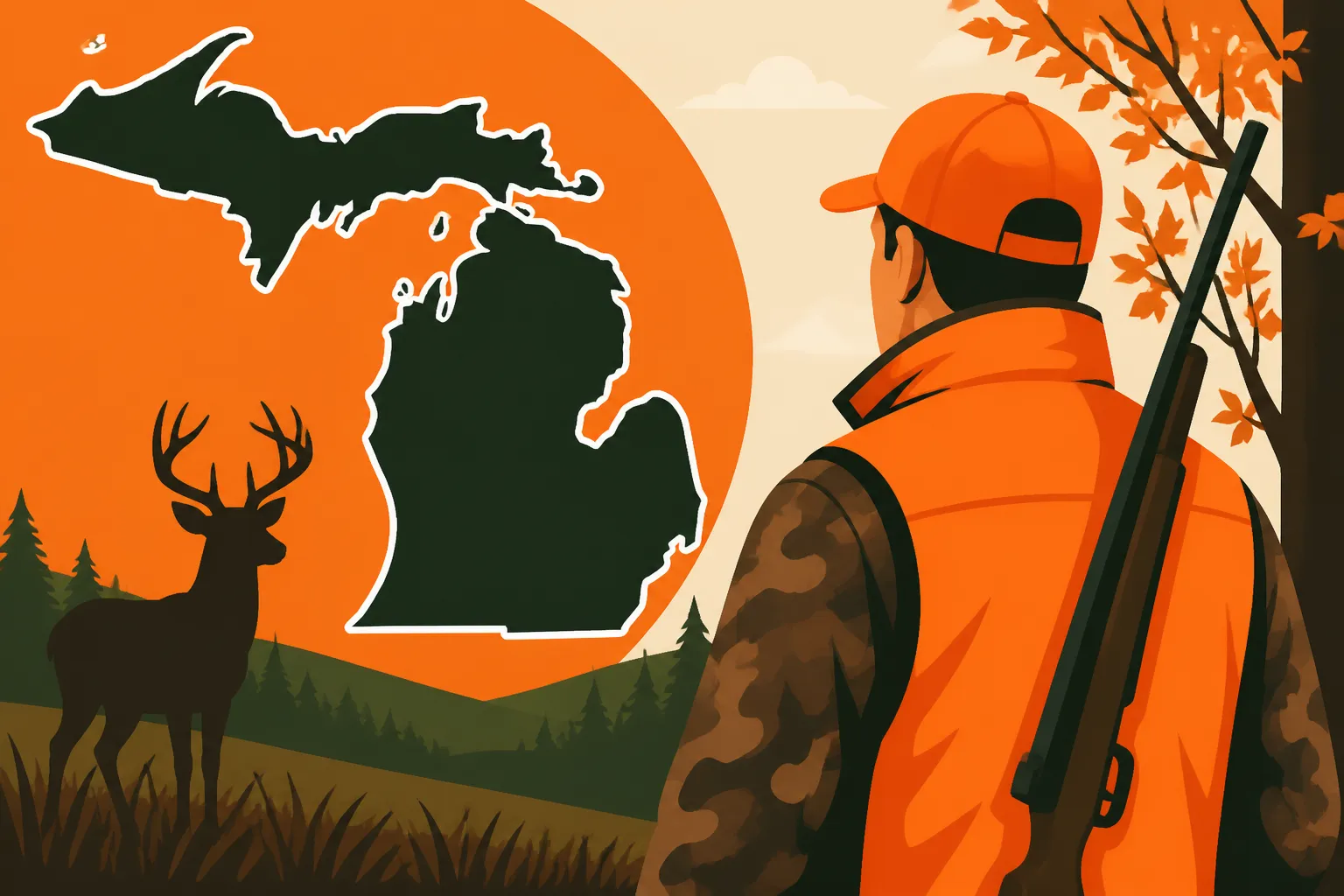
The golden rule for hunter orange in Michigan kicks in during any firearm deer season. This includes the incredibly popular Michigan Firearm Deer Season Dates, as well as the later Michigan Muzzleloader Season Dates. During these periods, if you're out hunting deer, bear, elk, or even certain small game species with a firearm, you are legally required to wear hunter orange. The regulation specifies that at least 50% of the hunter's outer clothing above the waist, including headwear, must be hunter orange. This isn't just a small patch; it needs to be prominently displayed on your back, chest, and head.
Imagine you're deep in the northern hardwoods, and the leaves are down. Without that vibrant splash of orange, it's easy to mistake movement for game, especially during those low-light conditions at dawn and dusk. This 50% rule ensures that no matter which way you're facing, or what angle another hunter sees you from, a significant portion of your body will stand out against the natural landscape. It's a non-negotiable part of ethical and safe hunting during these busy firearm periods. Whether you're still-hunting through a cedar swamp or posted up on a deer drive, being visible to your fellow hunters is critical.
The rule extends beyond just deer. If you're fortunate enough to draw a tag for a Michigan's Black Bear Hunting or Michigan's Limited Elk Hunt and you're hunting with a firearm during the firearm deer season overlap, the hunter orange requirement absolutely applies to you too. Even if your primary target is a different species, if you're in the woods during a firearm deer season, you need to be wearing that orange. This blanket approach helps reduce confusion and enhances overall safety when multiple hunting activities are occurring simultaneously.
Specific Exemptions and Situations
Now, while hunter orange is a cornerstone of firearm season safety, it's not universally required for all hunting activities in Michigan. Understanding these exceptions is just as important as knowing when to wear it. Many hunters get confused, for instance, about archery season or certain small game scenarios.
During Michigan's dedicated archery seasons, such as When Michigan's Archery Season Opens and the late archery season, hunter orange is generally not required. This means if you're exclusively bowhunting for deer and no firearm season for deer, bear, or elk is open in your area, you don't need to wear it. This allows bowhunters to utilize camouflage more effectively, which is often crucial for close-range encounters with deer. However, this is a critical distinction: if you are bowhunting during a concurrent firearm deer season (like the early antlerless firearm weekend or muzzleloader season), then the orange rule does apply to you. Always check the current year's regulations carefully for specific dates and overlaps.
Similarly, specific types of hunting, like Michigan Waterfowl Seasons and Zones and Michigan Spring Turkey Applications and Units, have different rules. Waterfowl hunters are typically camouflaged and hidden in blinds or cover, so hunter orange is not required. The same goes for turkey hunting, where concealment is key to luring in a wary gobbler. Additionally, if you're engaging solely in trapping furbearers or target shooting at an established range, hunter orange isn't mandated. For Michigan Small Game and Furbearer Seasons, if you're pursuing rabbits or squirrels with a firearm outside of any concurrent deer firearm season, you might not need hunter orange. However, if you're out Coyote Calling in Michigan Winter with a firearm during the open firearm deer season, you would still need to wear orange. The key is always to consider if any firearm deer, bear, or elk season is open concurrently.
Understanding the "50% Rule" and Proper Placement
When the Michigan Department of Natural Resources (DNR) says "50% of outer clothing above the waist," they mean it. This isn't a vague guideline; it's a specific instruction designed to maximize your visibility to other hunters. It’s crucial to select the right gear and wear it correctly to comply with the law and ensure your own safety.
What Qualifies as Hunter Orange
The term "hunter orange" specifically refers to a bright, fluorescent orange color, often called "blaze orange." This isn't just any orange; it's a specific shade designed to be highly visible against natural backgrounds, even in varying light conditions. You'll find it on a wide range of hunting apparel: vests, jackets, hats, and even some specialized caps. The important thing is that it meets the color standard and covers enough surface area.
What doesn't count? Think about those camouflage patterns that have some orange in them. While they might incorporate a hint of orange, they typically do not meet the 50% requirement or the intense, solid color needed for maximum visibility. The purpose of hunter orange is to make you not look like game, and camouflage, even with some orange, still aims for concealment. So, leave your camo-orange hat at home during firearm season and opt for a solid blaze orange cap. Reputable brands like Primos or Browning offer excellent options that meet Michigan's legal requirements for hunter orange visibility, focusing on functionality and safety. For instance, a simple blaze orange vest from a brand like Allen or a bright orange baseball cap is usually sufficient to meet the headwear portion of the rule, provided the rest of your upper body is also adequately covered.
Strategic Placement for Maximum Visibility
Meeting the 50% rule isn't just about total surface area; it's also about where that orange is located. The regulation specifies "above the waist, including headwear," which immediately tells you the focus is on your torso and head. Why these areas? Because they are typically the most visible parts of your body, even when partially obscured by brush or terrain. A hunter scanning for movement is most likely to spot an orange vest or hat through a break in the trees.
Think about how a deer's head or back might appear over a rise or through thick cover. By placing hunter orange on your upper body and head, you maximize the chance that another hunter will immediately recognize you as human, preventing those dangerous split-second misidentifications. When you're sitting in a treestand, for example, your orange vest and hat might be the only parts of you clearly visible above the underbrush. Similarly, if you're walking through a dense pine stand, the movement of your orange hat is often the first thing another hunter will notice. It's a proactive measure that places the burden of visibility on the hunter, rather than relying on others to accurately identify every shape in the woods. When scouting potential hunting spots, using mapping tools like those from GoHunt can help you visualize how terrain might impact visibility, reinforcing the need for proper hunter orange placement.
Hunter Orange Beyond Deer Season
While the firearm deer season is the most prominent time for hunter orange requirements, it’s far from the only scenario. Understanding how it applies to other big game and even some small game hunts is crucial for staying safe and legal.
Bear, Elk, and Other Big Game Hunts
If you're one of the lucky few to draw a tag for Michigan Black Bear Hunting or Michigan's Limited Elk Hunt, pay close attention to the season dates and methods of take. If you are hunting bear or elk with a firearm during any open firearm deer season, you must wear hunter orange. This is a common overlap, particularly in the northern Lower Peninsula and the Upper Peninsula, where these magnificent animals reside. The general rule is to assume hunter orange is required if any firearm season for deer, bear, or elk is open in your hunting area.
For example, bear seasons often run concurrently with early archery deer seasons, but also extend into the firearm deer season. If you're bear hunting with a firearm during the firearm deer season, the same 50% hunter orange rule applies. It's not about what species you're personally targeting; it's about what firearm seasons are open to anyone in the woods. This helps prevent incidents where a bear hunter might be mistaken for a deer, or vice versa, especially in areas with high hunter densities. You want to make sure you're as visible as possible, particularly when navigating dense cover that often holds these larger animals.
Small Game, Predators, and Trapping
The rules for small game, predators, and trapping can be a bit more nuanced. For general small game hunting with a firearm, such as rabbits, squirrels, or pheasants, hunter orange is required if a firearm deer, bear, or elk season is open. For example, if you're pursuing Grouse Hunting Michigan Aspen Cover with a shotgun during the November firearm deer season, you need to be wearing hunter orange. However, if you're squirrel hunting with a .22 rifle in October, before the main firearm deer season opens, you would not be required to wear it. The determining factor is always the overlap with the "big game" firearm seasons.
Here’s a helpful breakdown for some common scenarios:
| Hunting Activity | Hunter Orange Required? (During specified times) | Notes |
|---|---|---|
| Firearm Deer Hunting | YES | During any open firearm deer season (general, muzzleloader, early/late antlerless firearm, Liberty/Independence hunts). At least 50% of outer clothing above the waist, including headwear. |
| Archery Deer Hunting | NO (unless concurrent with firearm season) | Not required during dedicated archery-only periods. REQUIRED if bowhunting during any open firearm deer, bear, or elk season in that area. |
| Bear Hunting (Firearm) | YES (if concurrent with firearm deer/elk season) | Required if hunting bear with a firearm when a firearm deer or elk season is open. |
| Elk Hunting (Firearm) | YES | Required if hunting elk with a firearm during any open elk hunt period. |
| Turkey Hunting | NO | Not required for spring or fall turkey hunting, as concealment is key. |
| Waterfowl Hunting | NO | Not required for ducks, geese, or other migratory birds, as hunters are typically camouflaged in blinds. |
| Small Game (Firearm – e.g., rabbits, squirrels) | YES (if concurrent with firearm deer/bear/elk season) | Required if hunting small game with a firearm when a firearm deer, bear, or elk season is open. Not required during dedicated small game seasons if no big game firearm season is open. |
| Coyote Hunting (Firearm) | YES (if concurrent with firearm deer/bear/elk season) | Required if hunting coyotes with a firearm when a firearm deer, bear, or elk season is open. See Coyote Calling in Michigan Winter for more details, but the general rule for orange applies during overlaps. |
| Furbearer Trapping | NO | Not required for trapping activities. |
This table simplifies things, but remember, the DNR hunting guide is your ultimate resource. It’s a good practice to consult the current year's regulations before heading afield, especially if you plan on multi-species hunts or if you're hunting in areas with complex season overlaps. Many hunters use digital tools like the GoHunt app to quickly access regulations and mapping layers, which can include season date overlays, making it easier to confirm requirements on the go.
Safety and Legal Ramifications of Non-Compliance
Wearing hunter orange isn't just about avoiding a ticket; it's about life and limb. The rules are in place for a very good reason, and understanding the "why" behind them can sometimes be just as impactful as knowing the "what."
Why Hunter Orange is Crucial for Safety
The number one reason for Michigan's hunter orange requirement is safety. Human beings are, by nature, pattern-seeking creatures. In the woods, especially during those busy firearm seasons, hunters are actively looking for movement, shapes, and colors that might indicate game animals. Unfortunately, deer often have a similar coloration to human clothing, especially in muted greens, browns, and grays. Without hunter orange, a hunter moving through brush could easily be mistaken for a deer. This is where the statistics come into play: a significant percentage of hunting accidents involve mistaken identity or a hunter failing to identify their target adequately.
Hunter orange dramatically reduces these risks. Scientific studies have shown that deer are largely red-green colorblind, perceiving the world in shades of yellow, blue, and gray. To a deer, hunter orange appears as a dull gray or brown, blending into the background. To a human eye, however, it's incredibly vibrant and distinct, instantly signaling "human" against the natural palette of the forest. This contrast is what saves lives. It creates an undeniable visual cue that screams "I am a person, not an animal." This basic principle is taught in every Michigan Hunter Safety Requirement course for a very good reason—it's foundational to preventing accidents and ensuring everyone goes home safely at the end of the day.
Penalties for Failing to Wear Hunter Orange
While safety is the primary motivation, there are also legal consequences for failing to adhere to Michigan's hunter orange regulations. These aren't minor infractions; they are taken seriously by conservation officers. If you are caught hunting during a period when hunter orange is required and you're not wearing it, you can face a citation and a fine. The exact amount can vary, but typically, it's not a cheap lesson.
Beyond the immediate financial penalty, there's the broader ethical responsibility. As hunters, we are stewards of the land and the sport. Disregarding safety regulations not only endangers ourselves and others but also casts a negative light on the entire hunting community. It contributes to negative public perception and can make it harder for responsible hunters to preserve our traditions and access to hunting lands. Always err on the side of caution. If there's any doubt about whether hunter orange is required, put it on. It's a small inconvenience for a massive gain in safety and peace of mind. Remember, the DNR keeps meticulous records, so if you're ever involved in an incident or cited, it becomes part of your record, which could impact future hunting privileges or even your ability to apply for certain limited draws. After harvesting a deer, don't forget the requirements for Reporting a Michigan Harvest in 72 Hours to stay compliant with all regulations.
Disclaimer
Please remember that hunting regulations can change. While this guide provides a comprehensive overview based on current Michigan DNR rules, it is essential to always consult the official Michigan DNR Hunting Digest for the most up-to-date and specific regulations before heading out into the field. This information is for educational purposes and should not be considered legal advice.