Where Michigan Elk Live
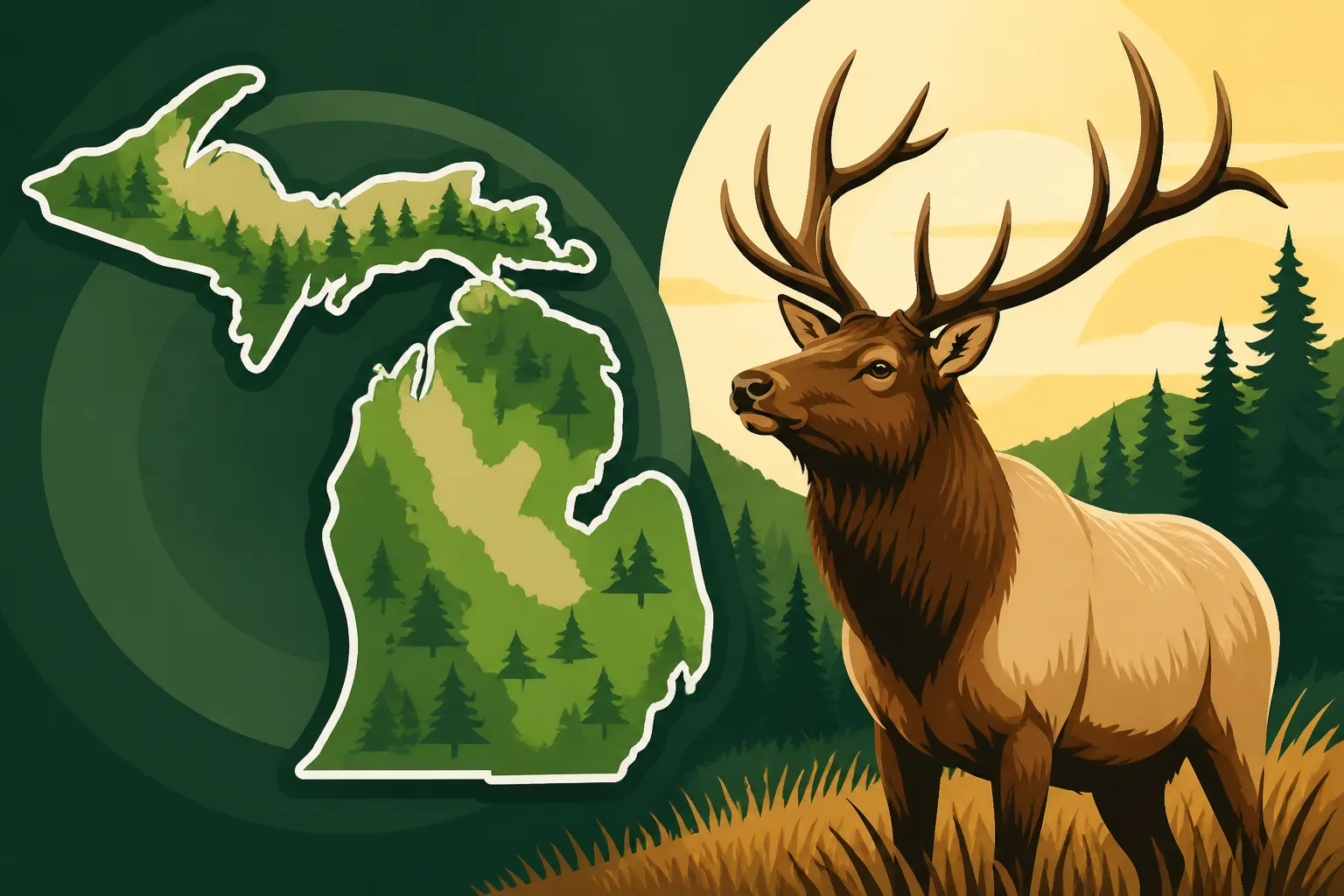
Finding Michigan's elusive elk herd can feel like searching for a needle in a vast, forested haystack. Unlike deer, elk are much more restricted in their range, making it a real challenge for hunters and wildlife enthusiasts alike to pinpoint their whereabouts. This comprehensive guide is dedicated to pulling back the curtain on where Michigan's majestic elk truly live, offering invaluable insights into their preferred habitats, movements, and the unique geography that defines their home.
The Heart of Michigan Elk Country: Pigeon River Country State Forest
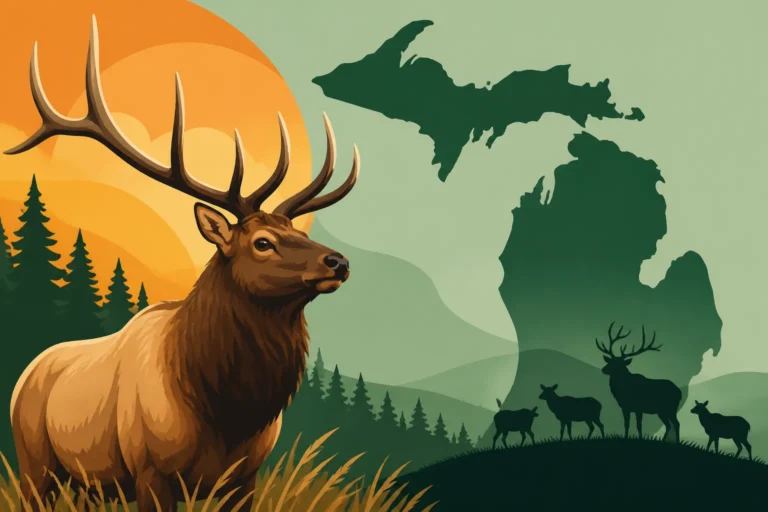
When anyone talks about elk in Michigan, the conversation almost always begins and ends with the Pigeon River Country State Forest. This vast tract of public land, nestled in the northeastern Lower Peninsula, isn't just a place where elk live; it's the epicenter of Michigan's elk population, the very foundation of their existence in our state. It's a truly special place, unique in the Lower Peninsula for its wild, untamed character, and that wildness is exactly what the elk need to thrive.
Historical Context and Restoration Success
It's easy to forget that Michigan's native elk were completely wiped out by the late 1800s due to unregulated hunting and habitat loss. The elk we see today are the result of incredible conservation efforts. The first successful reintroduction began in 1918 when seven elk from Yellowstone National Park were released into Cheboygan County, forming the nucleus of the herd we cherish now. These animals found a haven in the then-developing Pigeon River Country, which offered the perfect blend of dense forests, open meadows, and minimal human disturbance. Over the decades, through careful management and habitat protection, the herd slowly but steadily grew. It’s a testament to what dedicated conservationists, and eventually, regulated hunting, can achieve when focused on a common goal. This initial success story set the stage for the elk's eventual expansion, however limited, across a broader range. For more on this remarkable journey, consider diving into How Elk Were Restored to Michigan.
Prime Elk Habitat Within the Forest
The Pigeon River Country State Forest itself is a mosaic of habitats perfectly suited to elk. It's not just one type of forest; it’s a diverse landscape featuring large blocks of northern hardwoods – maple, beech, and birch – interspersed with stands of aspen, cedar swamps, and areas of red pine. What truly sets it apart are the expansive, open grasslands and old farm fields that were once settled but have since reverted to wildlife habitat. These openings, often maintained by prescribed burns or selective logging, provide critical foraging areas, especially in spring and summer. The dense forest offers thermal cover during harsh winters and security from predators and human activity. Additionally, the network of rivers and streams, notably the Pigeon River itself, ensures a constant supply of water. The combination of dense cover, abundant food sources, and readily available water creates an ideal environment for elk to find everything they need within a relatively contained area. It’s this intricate balance that makes the forest such a consistent draw for these magnificent animals.
Expanding Horizons: Elk Range Beyond Pigeon River
While the Pigeon River Country State Forest remains the core, Michigan's elk herd isn't entirely confined to its boundaries. Over time, as the population grew and individuals dispersed, some elk ventured into adjacent areas, establishing what we often refer to as satellite herds or simply expanding the general elk range. These areas, while not as densely populated as the core, are still vital to the overall health and expansion potential of the herd.
Satellite Herds and Outlying Areas
Elk are wanderers by nature, especially younger bulls seeking new territories or cows establishing new calving grounds. This natural dispersal has led to elk sightings and established smaller groups in counties surrounding the Pigeon River Country. You might find pockets of elk in parts of Cheboygan, Montmorency, Presque Isle, Otsego, and even occasionally Alpena and Oscoda counties. These aren't vast herds like you'd find in the core, but rather smaller, more spread-out groups. These outlying areas often consist of a mix of public and private lands, presenting both opportunities and challenges for management. Sometimes these satellite groups can cause more conflict with landowners due to agricultural damage, leading to specific management strategies by the Michigan Department of Natural Resources (DNR). It's always a good idea to consult the DNR's specific elk management unit maps for the most accurate current boundaries of where these animals are regularly found.
Seasonal Movements and Dispersal Patterns
Elk movements in Michigan are heavily influenced by the seasons and the availability of food and cover. In the spring, cows will seek out secluded, dense cover for calving, often moving into thicker cedar swamps or dense pine stands to protect their young. Summer sees elk spreading out more, utilizing the lush grasses and forbs in forest openings and clearcuts for forage. This is also when bulls are typically in bachelor groups, focused on feeding to grow their antlers. As fall approaches and the rut kicks in, bulls become much more active and vocal, traveling widely in search of cows. This is when you'll hear those incredible bugles echoing through the timber, especially around the core elk range. For insights into this spectacular time of year, check out When Michigan Elk Bugle. Winter, however, brings a more concentrated movement pattern. Elk will yard up in dense conifer stands, particularly cedar swamps, which offer thermal cover from deep snow and biting winds, as well as browse. Their movements become much more limited, focusing on survival and conserving energy. Understanding these seasonal shifts is crucial for anyone hoping to locate elk, whether for observation or hunting. Using tools like GoHunt can help you overlay public land boundaries with known habitat types, giving you a better understanding of potential seasonal elk strongholds.
Understanding Michigan's Elk Management Units
To effectively manage Michigan's elk population, the DNR has divided the elk range into specific Elk Management Units (EMUs). These units are not arbitrary lines on a map; they are carefully drawn boundaries based on elk distribution, habitat quality, land ownership, and historical data. For hunters, knowing these units is absolutely critical, as they dictate where you can apply for a tag and, if successful, where you can legally hunt. But even for those just interested in viewing, understanding these units gives a clearer picture of elk distribution.
Overview of EMUs and Their Purpose
Michigan's EMUs serve as the foundation for the state's elk hunting regulations and conservation efforts. The DNR sets specific quotas for elk licenses within each unit, often differentiating between "any elk" and "antlerless" tags. This allows for precise management, enabling biologists to address local population densities, reduce agricultural damage in certain areas, or promote herd growth in others. The boundaries take into account major roads, rivers, and county lines, making them relatively easy for hunters to identify in the field using resources like the Michigan DNR's Mi-HUNT map or a GPS mapping system from a provider like GoHunt. These units ensure that hunting pressure is distributed appropriately and that the herd remains healthy and balanced. You can find a detailed breakdown of these boundaries in Michigan Elk Management Unit Boundaries.
Key EMUs and Their Elk Concentrations
Currently, Michigan operates with a tiered system of EMUs, often designated by numbers or letters (e.g., EMUs 1, 2, 3, etc., or sometimes A, B, C). Generally, the most consistent elk concentrations are found in the central EMUs, which encompass the core Pigeon River Country State Forest. These units typically have the highest quotas and offer the best chances for encountering elk. Peripheral units might have lower quotas and more dispersed elk populations, often requiring more extensive scouting and permission-seeking on private land if public access is limited. For example, some EMUs might be specifically designed to reduce elk numbers in areas with high agricultural conflicts, leading to higher antlerless quotas. It’s imperative for any aspiring elk hunter to not only know their assigned EMU but to study its specific geography, public land access points, and historical elk activity. The table below provides a simplified overview of some common EMU characteristics, though hunters should always consult the current DNR regulations for precise, up-to-date information.
| EMU Designation (Example) | Primary Counties | General Elk Density | Key Habitat Features | Common Challenges |
|---|---|---|---|---|
| Core Units (e.g., 1 & 2) | Otsego, Cheboygan, Montmorency | High | Extensive State Forest, Aspen Cuts, Cedar Swamps, Openings | High Hunter Pressure (during season), Remote Access |
| Peripheral Units (e.g., 3 & 4) | Presque Isle, Alpena, Oscoda | Moderate to Low | Mixed Public/Private Land, Farmland Edges, Fragmented Forest | Agricultural Damage, Access Issues on Private Land |
| Special Units (e.g., Damage Units) | Varies, localized | Variable, often targeted for reduction | Areas of high crop depredation | Very specific hunt parameters, often limited to landowners |
Habitat Preferences: What Attracts Michigan Elk
Elk aren't just randomly distributed throughout the forest; they have very specific habitat preferences that dictate where they spend their time. Understanding these preferences is key to predicting where you might find them, whether you're hunting or simply trying to catch a glimpse of these magnificent animals. It’s all about meeting their needs for food, water, and cover, throughout the year.
Forests, Openings, and Water Sources
Michigan elk thrive in what's called an "edge habitat" environment, meaning the transition zones between different cover types. They love areas where dense forest meets open clearings. These forest types typically include mature northern hardwoods, which provide acorns and other mast crops, along with valuable thermal and security cover, especially during winter. Young aspen stands are also crucial, offering abundant browse and dense cover for calves. Cedar swamps, common throughout northern Michigan, are absolute magnets for elk in winter, providing shelter from the elements and evergreen forage. However, these dense covers are rarely enough on their own. Elk also need open spaces – natural meadows, old farm fields, or managed clearcuts – for feeding. These openings provide nutritious grasses, forbs, and browse. Water is, of course, essential, and Michigan's elk range is crisscrossed with numerous streams, rivers, and small lakes, providing constant access to fresh water. A prime elk location will often have all three elements in close proximity: dense cover for bedding, open areas for feeding, and a reliable water source.
Food Sources Throughout the Year
An elk's diet shifts dramatically with the seasons, and understanding these changes can help you predict their movements. In spring and early summer, elk are drawn to lush, green growth in openings – tender grasses, clovers, and forbs are highly palatable and nutritious, helping them regain weight lost over winter and supporting lactation for cows. They’ll also browse on the tender shoots of young aspen, maple, and other deciduous trees and shrubs. As summer progresses into fall, their diet diversifies. They'll continue to graze on available green matter but will also start to heavily utilize acorns, beechnuts, and other hard mast when available, which are rich in fats and carbohydrates, critical for building up winter reserves. In agricultural areas, they may feed on corn, alfalfa, or other crops, which can lead to significant landowner conflicts. Winter is the leanest time, and elk rely heavily on woody browse from shrubs and young trees like aspen, cedar, and maple. They will also paw through snow to reach dried grasses and forbs. When scouting for elk, always pay attention to signs of feeding – stripped bark, nipped browse, or fresh droppings – as these telltale clues reveal their current dietary focus.
Challenges and Conservation Efforts
Managing a large, iconic species like elk in a state with diverse land ownership and public interest is a complex undertaking. Michigan's elk herd faces ongoing challenges, but the DNR, in partnership with conservation groups and hunters, is continuously working to address these issues and ensure the long-term health of the population. It's a balancing act that requires constant monitoring and adaptive strategies.
Elk-Human Conflict and Crop Damage
One of the most significant challenges for Michigan's elk management is mitigating elk-human conflict, particularly agricultural damage. As elk populations expand and sometimes venture onto private farmland, they can cause substantial damage to crops like corn, hay, and soybeans. This creates understandable frustration for farmers and landowners, who often bear the brunt of these interactions. The DNR employs various strategies to address this, including specific damage permits and depredation hunts in localized areas to reduce numbers and encourage elk to move away from agricultural fields. Additionally, the department works with landowners on fencing projects and other deterrents, but these solutions are often expensive and not always foolproof. Successfully balancing the needs of a thriving elk herd with the economic well-being of local communities is a constant negotiation and a priority for the DNR, and solutions often involve strong community involvement, as outlined in discussions around Elk Damage to Michigan Farms.
Ongoing Management and Research
The Michigan DNR actively manages the elk herd through a combination of scientific research, habitat improvement, and regulated hunting. Biologists conduct aerial surveys to estimate population numbers and track herd health. They also monitor disease, such as bovine tuberculosis, which can occur in the wild deer and elk population. Habitat improvement projects, often funded through hunting license sales, focus on creating and maintaining the diverse forest openings and healthy forest stands that elk require. This might involve prescribed burns, selective logging to promote young aspen growth, or maintaining food plots on public land. Regulated hunting, facilitated through a limited lottery draw, is a crucial management tool that helps keep the herd within ecological carrying capacity, controls population growth, and minimizes conflicts. Without it, the herd could outgrow its habitat, leading to widespread disease and starvation, as well as exacerbated human conflicts. All these efforts combine to ensure the future of Michigan’s elk.
Scouting and Locating Elk in Michigan
For many, the dream of seeing or hunting a Michigan elk is a powerful draw. While elk are not as widespread as deer, they leave plenty of sign if you know what to look for. Scouting effectively involves understanding their habits, recognizing their sign, and leveraging modern tools to narrow down your search in the vast Michigan wilderness.
Best Practices for Identifying Elk Sign
Elk leave distinctive clues that can help you pinpoint their presence. Look for large tracks, much bigger than deer, with a cloven hoof that measures significantly longer and wider. Droppings are another clear indicator: elk scat is larger and often more rounded than deer pellets, though consistency can vary with diet. Rubs and wallows are perhaps the most exciting signs. Bulls will rub their antlers on saplings and small trees, much like deer, but the rubs are much larger and higher off the ground. During the rut, bulls create wallows – muddy depressions where they roll around to coat themselves in mud and urine, spreading their scent and asserting dominance. These wallows are unmistakable and often located near water sources or in damp areas. Furthermore, pay attention to bugles during the fall rut. Their distinct, high-pitched whistles followed by guttural grunts are unmistakable and can carry for miles. Even if you don't have a tag, finding and observing these majestic creatures is an incredible experience.
Using Technology and Public Resources
Modern technology has revolutionized how hunters and wildlife enthusiasts scout for animals, and elk are no exception. Utilizing online mapping tools is crucial. The Michigan DNR’s Mi-HUNT map is an excellent starting point, allowing you to identify public land boundaries, habitat types, and even specific forest treatments that might favor elk. Overlaying this with satellite imagery helps identify potential openings, dense cover, and water sources. Services like GoHunt offer advanced mapping layers that can further enhance your scouting efforts, showing property lines, topographical features, and even historical satellite imagery, which can reveal past clearcuts or habitat changes. Accessing information on Michigan Elk Application Rules and Michigan Elk Drawing Results Date can also give you insight into where permits are most frequently issued, indirectly highlighting areas of higher elk activity. Additionally, the DNR website and local field offices often provide updates on elk sightings, harvest reports, and management areas. Combining these digital resources with boots-on-the-ground scouting, particularly during the off-season, will dramatically increase your chances of finding Michigan's elusive elk.
Disclaimer
The information provided in this guide is for general informational purposes only and is subject to change. Hunting regulations, seasons, and management unit boundaries are updated regularly by the Michigan Department of Natural Resources. Always consult the most current Michigan Hunting and Trapping Digest or the official DNR website before engaging in any hunting or scouting activities.