Michigan Turkey Harvest Numbers
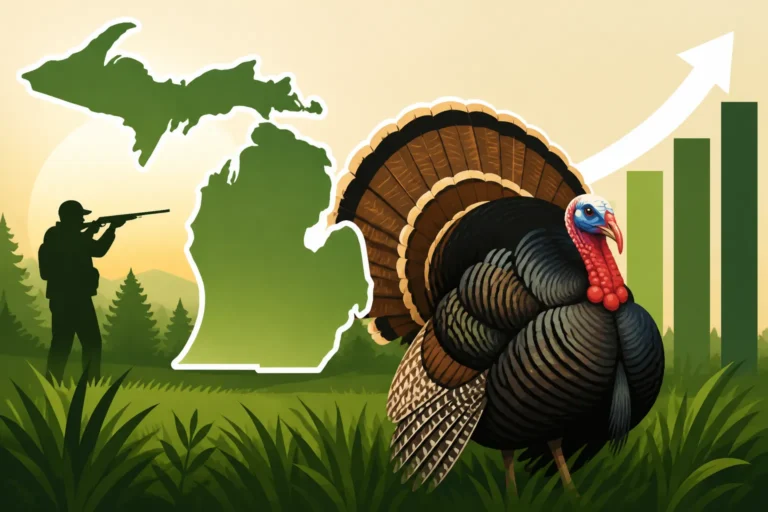
It can be incredibly frustrating to head into a new turkey season feeling like you're flying blind, unsure if the local population has taken a hit or if hunting pressure is going to be through the roof. Understanding Michigan's turkey harvest numbers is more than just a dry statistic; it's a vital tool that can help you gauge flock health, anticipate hunter crowding, and ultimately, strategize for a more successful hunt. This guide will dive deep into Michigan's turkey harvest data, breaking down what these numbers mean for you, the dedicated hunter.
Understanding Michigan's Turkey Harvest Data
When you're out in the woods, the last thing you want to feel is like you're hunting ghosts. Knowing that turkeys are present and healthy in your chosen area can make all the difference, and that's exactly where harvest data comes into play. It provides a crucial snapshot of the state's wild turkey population and the overall success of hunters.
Why Harvest Numbers Matter to Hunters
For many of us, turkey hunting is about more than just pulling the trigger; it's about the challenge, the experience, and the connection to nature. But let's be real, we also want to be successful! The aggregate harvest numbers released by the Michigan Department of Natural Resources (DNR) offer a macro-level view of how healthy the turkey population is across the state. If harvest numbers are consistently high, it suggests a robust population, which can give you more confidence when scouting new areas or returning to old favorites. Conversely, a noticeable dip could indicate issues like poor hatches, disease outbreaks, or increased hunting pressure. This information can directly inform your strategy, helping you decide if you need to scout harder, consider a different unit, or adjust your calling tactics.
It's a tough pill to swallow when you've invested time and effort, only to find the woods eerily silent. We've all been there, scratching our heads, wondering why the gobblers just aren't talking like they used to. This kind of data can validate those frustrations, helping you understand if it was just bad luck or part of a larger trend. Knowing these trends can save you precious hunting time by guiding you toward more promising areas, or at least helping you manage expectations. It's about working smarter, not just harder, in the Michigan woods.
How the DNR Collects Harvest Information
The Michigan DNR doesn't just guess at these numbers; they have a very specific system in place to gather accurate harvest data. Every successful turkey hunter in Michigan is required to report their harvest within 72 hours of taking the bird. This is a critical step, and it's super important for every hunter to do their part, even if it feels like a chore after a successful hunt. This mandatory reporting is what provides the backbone for all the population estimates and trend analysis we discuss.
Hunters can report their harvest online through the Michigan DNR's website or via the popular DNR Hunt Fish App. This digital approach makes it relatively convenient, even when you're still on cloud nine after a successful hunt. The information collected usually includes the date of harvest, the hunting unit where the turkey was taken, whether it was a male or female, and if it was a spring or fall hunt. This detailed breakdown allows the DNR to analyze specific regional successes and population dynamics, giving them the data they need to make informed management decisions about future seasons and quotas. Without everyone chipping in, the data becomes less reliable, and that affects all of us.
Spring Turkey Harvest Trends in Michigan
The spring turkey season is a highly anticipated time for many Michigan hunters. The woods come alive with gobbling, and the challenge of calling in a wary tom is an experience unlike any other. However, success rates and harvest numbers can fluctuate significantly year to year, influenced by a myriad of factors.
Analyzing Recent Spring Season Success Rates
Michigan's spring turkey harvest numbers generally reflect the health of the previous year's hatch and the conditions during the hunting season itself. Historically, Michigan has a very strong and widely distributed turkey population, thanks to incredible restoration efforts over decades. You can read more about How Turkeys Were Restored to Michigan if you're interested in the fascinating history. However, spring success isn't a given. For example, recent years have shown some variability. In 2023, the spring turkey harvest was around 29,384 birds, which was a slight decrease compared to the previous year's 31,041. This kind of subtle shift can be influenced by many things, from a particularly cold or wet spring that kept birds less active, to increased hunting pressure in certain popular areas.
One key factor often overlooked is the weather during nesting season, which directly impacts poult survival and, by extension, the number of birds available for future hunts. A cold, wet spring can devastate a hatch, leading to fewer jakes and gobblers two to three years down the line. Hunter participation also plays a role; more hunters generally lead to higher overall harvest numbers, assuming the population can sustain it. However, if hunter numbers surge in an area with a stable or slightly declining population, individual success rates might drop, even if the total harvest seems okay. It's a complex puzzle, and understanding these nuances is crucial for predicting your own chances.
Regional Differences in Spring Harvests
Michigan is a diverse state, and its turkey populations are no exception. The DNR divides the state into specific Turkey Units (like M, NN, ZZ, and a few others) to manage populations and allocate licenses. Naturally, harvest success can vary quite a bit between these different regions. Generally, the southern Lower Peninsula and parts of the northern Lower Peninsula tend to have higher overall harvest numbers and success rates due to more abundant agricultural land and mature hardwoods, which provide excellent food sources and roosting habitat. You'll find a lot of birds in areas known for Turkey Tactics for Southern Michigan Farms.
In contrast, the Upper Peninsula, while home to some fantastic turkey hunting, often sees slightly lower harvest numbers compared to the Lower Peninsula's prime spots. This is often due to harsher winters affecting survival, different habitat types, and generally lower hunter density in some of the more remote areas. However, for those willing to put in the work, Turkeys in the Upper Peninsula can offer a truly wild experience. These regional differences highlight the importance of not just looking at statewide numbers but really drilling down into the specific unit you plan to hunt. Information like this is often available on the DNR's website, or through specialized hunting platforms like GoHunt, which aggregates a lot of this data for easy consumption.
Fall Turkey Harvest: A Different Ballgame
While spring gobbler season often gets the spotlight, Michigan also offers a robust fall turkey season. This can be an excellent opportunity to fill the freezer, but it comes with a completely different set of challenges and, consequently, different harvest dynamics.
The Dynamics of Michigan's Fall Turkey Season
Fall turkey hunting is a unique experience. Instead of calling in lovesick gobblers, hunters are often trying to locate and break up flocks of birds, then call individual birds back in. This strategy, sometimes called "flock busting," relies heavily on a good understanding of turkey behavior outside of the breeding season. The birds are typically more scattered, focused on foraging for mast crops like acorns or insects, and often traveling in larger, mixed-age flocks. This means locating them can be harder, but once you do, the chances of calling one in can be quite good. You can read more about the specific strategies for Hunting Michigan's Fall Turkey Season to prepare.
Success in the fall often hinges on scouting before the season to find where flocks are feeding and roosting. The weather also plays a huge role; early fall can be warm, making birds less vocal and more spread out, while later in the season, colder temperatures might concentrate them around reliable food sources. Hunter numbers are generally much lower in the fall compared to the spring, which can lead to a more solitary hunting experience. However, the lower participation also means less overall harvest, even if the individual success rate for dedicated fall hunters can be decent.
Comparing Spring and Fall Harvest Numbers
It's no secret that the spring turkey harvest dwarfs the fall harvest in Michigan. The table below illustrates this disparity, showing total harvest numbers for recent years (these are approximate based on readily available data, always check official DNR reports for the most current figures).
| Year | Spring Turkey Harvest | Fall Turkey Harvest | Total Harvest |
|---|---|---|---|
| 2023 | 29,384 | 3,450 | 32,834 |
| 2022 | 31,041 | 4,120 | 35,161 |
| 2021 | 30,150 | 3,980 | 34,130 |
| 2020 | 32,400 | 4,200 | 36,600 |
Numbers are approximate and rounded based on publicly available Michigan DNR harvest reports. Always refer to official DNR data for exact figures.
As you can clearly see, the spring harvest consistently makes up the vast majority of the annual take. There are several reasons for this significant difference. First and foremost, hunter participation is much higher in the spring. The allure of gobbling birds and the excitement of the breeding season draw in far more hunters. Second, the biology of the birds plays a role; spring hunting targets male turkeys (gobblers) during their most vocal and predictable phase, making them generally easier to locate and call in. Fall hunting, while rewarding, requires different tactics and often results in fewer opportunities, leading to lower overall harvest numbers. The specific Michigan Fall Turkey Seasons are also typically shorter or have more limited options compared to spring, further contributing to the smaller harvest.
Factors Influencing Michigan's Turkey Harvest
The success of Michigan's turkey hunters, and the overall health of the population, isn't just a random occurrence. Several key factors, often interconnected, play a significant role in shaping the annual harvest numbers. Understanding these influences can help hunters predict good years and prepare for tougher ones.
Weather's Role in Hunter Success
Anyone who has spent a spring morning in Michigan knows how unpredictable the weather can be. One day it's glorious and sunny, the next it's sleeting sideways. This variability has a profound impact on both the turkeys and the hunters. Harsh winters, especially in the Upper Peninsula, can dramatically affect overwinter survival, leading to fewer birds come spring. Deep snow and prolonged cold mean less access to food, weakening birds and making them more susceptible to predation or disease. This can directly translate to lower harvest numbers in subsequent seasons.
During the actual hunting season, weather influences turkey behavior and hunter effort. A cold, wet spring can suppress gobbling activity, making it harder to locate birds. High winds can also make it difficult for hunters to hear distant gobblers, and make birds more wary. Conversely, mild, clear weather during the peak of the rut often leads to more active gobblers and increased hunter success. A particularly warm or wet period during nesting season can also impact poult survival, affecting future populations. For example, if a cold rain hits right when poults are hatching, many can perish from exposure, which means fewer birds added to the population in the coming years.
Habitat and Population Management Impact
Beyond the weather, the landscape itself and how it's managed are critical for healthy turkey populations. Wild turkeys thrive in areas with a mosaic of mature hardwoods for roosting, open fields or forest clearings for foraging, and dense understory for nesting and brood rearing. Changes in land use, such as increased urbanization or the conversion of diverse forests into monoculture plantations, can negatively impact turkey numbers by reducing essential habitat. The Michigan DNR, along with private landowners and conservation groups, works tirelessly on habitat improvement projects to ensure turkeys have what they need to thrive.
The DNR's active population management also plays a significant role. This includes conducting population surveys, setting license quotas, and monitoring for diseases. For instance, the DNR continuously monitors Michigan Turkey Population Trends through various surveys. If surveys indicate a decline in a particular area, they might adjust license allocations or season lengths. The creation of Michigan's three large Turkey Units (M, NN, ZZ) for spring hunting and the allocation of Michigan Turkey Licence Quotas are direct results of these management efforts. By balancing hunter opportunity with the long-term health of the turkey population, the DNR aims to sustain quality turkey hunting for generations to come.
Utilizing Harvest Data for Hunting Strategy
Understanding Michigan's turkey harvest numbers isn't just an academic exercise; it's a practical tool that can significantly refine your hunting strategy. While you can't control the weather or past hatches, you can certainly leverage available data to make more informed decisions about where and how you hunt.
Interpreting Public Land Harvest Information
Hunting on public land often means dealing with more pressure, and finding birds can feel like a guessing game. However, harvest data, when broken down by specific hunting units or even by county, can give you a powerful edge. If you notice certain units consistently have higher harvest numbers or better success rates than others, it's worth taking a closer look. These areas might boast better habitat, more consistent turkey populations, or simply less hunting pressure than the heavily trafficked spots near major cities. Tools like the Michigan DNR's Mi-HUNT map are invaluable for overlaying land ownership with habitat types, and platforms like GoHunt often integrate harvest data directly into their mapping features, helping you identify promising public land parcels.
Don't just look at the total harvest; dig into the success rates. A unit with a high total harvest but a low success rate might indicate extremely high hunter pressure, meaning a lot of people are out, but only a few are connecting. Conversely, a unit with a slightly lower total harvest but a higher success rate could be a hidden gem, offering a better chance for individual hunters due to lower competition. This granular analysis is key. Pay attention to how the numbers change over time. Is a specific unit showing a consistent decline? That might be a signal to adjust your expectations or look elsewhere. Is it holding steady or even slightly increasing? That could be a good indicator for planning your next trip.
Planning Your Hunt Based on Trends
Once you've analyzed the harvest data and identified potential areas, it's time to integrate this knowledge into your actual hunt plan. For example, if you see that a particular unit had a banner year for spring harvest two years ago, you might anticipate a good number of mature gobblers in that unit this coming spring, assuming a strong poult-to-hen ratio in the past. This kind of forward-thinking, based on historical data, can give you a significant advantage. It's about playing the odds as best you can.
If trends indicate lower numbers in an area you usually hunt, don't despair, but be ready to adapt. This might mean extending your scouting efforts, getting deeper into public land than usual, or focusing on less accessible areas like those found when Hunting Michigan Swamp Edges for Deer where turkeys might also seek refuge. It could also mean adjusting your expectations and prioritizing the experience over punching a tag. Remember, success often comes to those who are flexible and willing to learn from the data. Keep an eye on reports about Michigan Turkey Population Trends to stay ahead of the curve, and consider applying for Michigan Spring Turkey Applications and Units in areas showing consistent success. The more you understand the bigger picture, the better equipped you'll be to make those crucial in-the-moment decisions in the field.
Disclaimer
Please remember that hunting regulations, season dates, and specific harvest numbers can change. Always consult the official Michigan Department of Natural Resources (DNR) website and regulations guide for the most current and accurate information before planning any hunting trip.