The Seven Elk Released in 1918
There’s a quiet ache many of us feel when we think about what Michigan’s wild places once held. Imagine the vast, untouched forests, teeming with wildlife, including majestic animals that are now rare or were once entirely absent. It’s hard to fathom that our state, rich in natural beauty, once lost its entire elk population. This guide is going to take you back in time to the desperate efforts to bring these magnificent creatures back, focusing on the pivotal release of just seven elk in 1918, and how that tiny spark ignited the incredible herd we have today.
The Echo of Absence: Why Michigan's Elk Vanished
It might be hard to picture now, but Michigan was once home to massive herds of elk, towering animals that roamed our forests for centuries. Before European settlement, the North American elk, or wapiti, was a common sight across much of the continent, including the vast timberlands and open prairies of what would become Michigan. These creatures were an integral part of the ecosystem, their movements and grazing patterns shaping the landscape, just as they do in places like the American West today. They were a powerful symbol of the wild, and their presence spoke to the sheer abundance of our natural heritage.
A Landscape Without Giants: Elk's Original Dominion
Historically, elk thrived in Michigan's diverse habitats. They weren't confined to one specific area; rather, their range would have stretched across both the Lower and Upper Peninsulas, wherever suitable forests and grasslands provided forage and cover. Picture herds moving through old-growth pine forests, pausing to graze in sun-dappled clearings, or seeking shelter in dense swamps. They were truly native and integral to the state's wild character. The stories passed down by early inhabitants often spoke of their impressive size and the thrill of encountering such grand animals in the woods. Their sheer presence would have dwarfed our common white-tailed deer, making any sighting an unforgettable experience.
These were wild, robust populations, adapting to the changing seasons, enduring harsh winters, and flourishing in the bounty of Michigan's wilderness. Their migratory instincts would have led them across vast territories, following food sources and seeking refuge, creating natural trails through the underbrush that other animals, and eventually people, would follow. It’s a powerful image to contemplate – Michigan as a true elk paradise, a place where these magnificent animals were simply part of the everyday fabric of the landscape.
The Forces of Erasure: Overhunting and Habitat Loss
However, the arrival of European settlers brought profound changes that our native elk populations simply couldn't withstand. The primary drivers of their disappearance were a ruthless combination of unregulated market hunting and rapid, widespread habitat destruction. In the 18th and 19th centuries, there were no bag limits, no seasons, and no ethical constraints for many hunters. Elk were hunted relentlessly, not just for sustenance, but for their meat, hides, and antlers, which were valuable commodities in burgeoning markets. Entire herds could be decimated by a single hunting party, with little thought for the future.
Beyond the immediate impact of the gun, vast tracts of Michigan's prime elk habitat were transformed. Forests were clear-cut for timber to fuel growing industries and construct new settlements, leaving behind barren landscapes that couldn't support large herbivores. Swamps were drained for agriculture, and open lands were fenced for farming. This relentless march of "progress" fragmented what remained of their habitat, isolating small populations and cutting off crucial migratory routes. By the late 1800s, the once-thriving Michigan elk herd had been completely extirpated. Not just reduced, but utterly wiped out. It's a sobering thought, a stark reminder of how quickly even the most robust wildlife populations can vanish under intense human pressure. The silence left by their absence must have been deafening to those who remembered their presence.
A New Beginning: The 1918 Release and Early Hopes
By the early 20th century, the ecological hole left by the absence of elk was deeply felt by conservationists and a growing number of sportsmen who dreamed of seeing these iconic animals roam Michigan's woods once more. The idea of reintroduction gained traction, fueled by a nascent conservation movement determined to right some of the wrongs of the past. It was a bold vision, one that required foresight, patience, and a bit of faith, especially considering the modest scale of the initial efforts.
Seven Pioneers: The Initial Restocking Effort
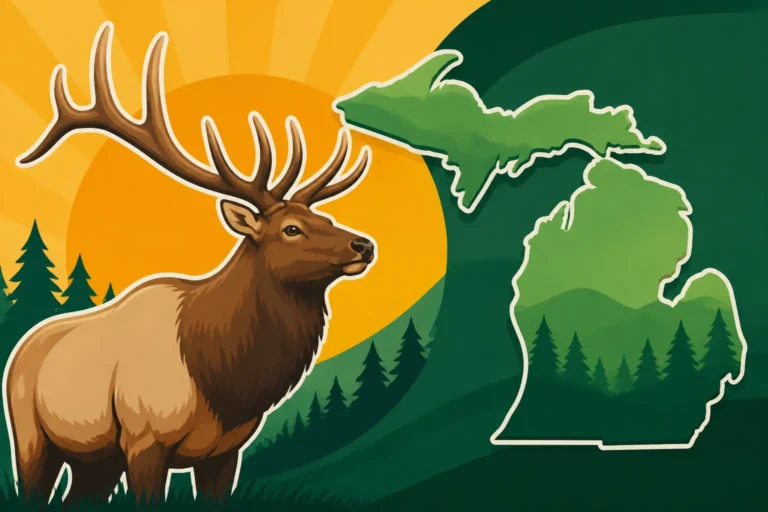
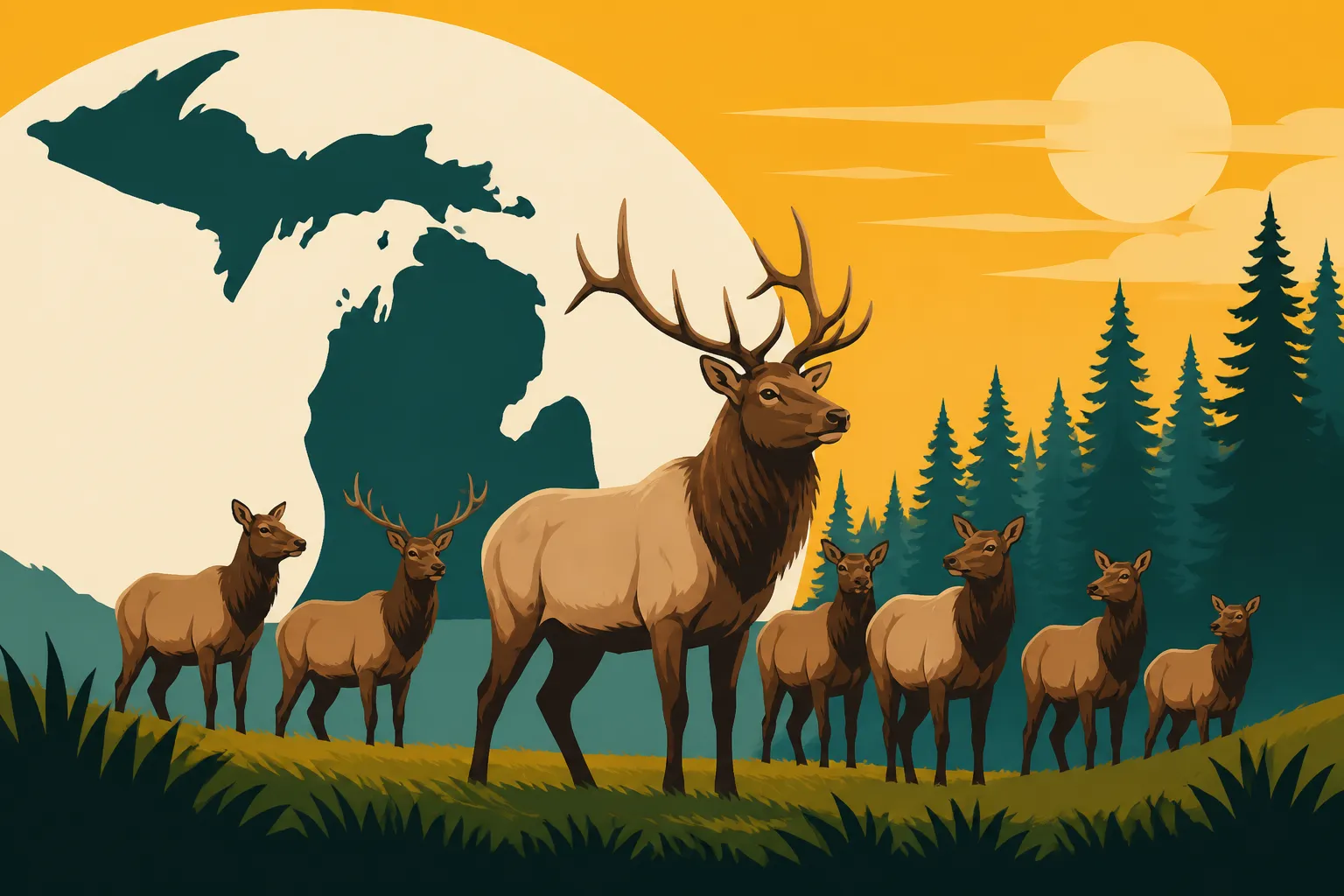
The year 1918 stands as a monumental moment in Michigan's conservation history, marking the return of elk to our state. This wasn't a grand release of hundreds of animals, but rather a modest, yet incredibly significant, effort involving just seven elk. These pioneering animals, believed to have originated from a preserve in the western United States, possibly Yellowstone National Park, were carefully transported and released into the wild heart of northern Michigan. Specifically, their new home was in Cheboygan County, an area chosen for its relatively undeveloped landscape, offering a mix of forest and open areas that was hoped would provide suitable habitat.
Imagine the scene: these magnificent animals, disoriented from their journey, stepping out into a new, wild environment after decades of elk absence. It was a fragile beginning, a tiny flicker of hope that Michigan could once again host a free-ranging elk herd. The commitment to protect these animals was immediate and intense. Local residents and conservation officers were tasked with safeguarding them, understanding that the survival of these seven individuals was paramount to the success of the entire reintroduction program. This initial release was a testament to the belief that with careful stewardship, nature could be healed.
Nurturing a Fragile Future: Early Management Challenges
Bringing back a species from extirpation is never a simple task, and the early years following the 1918 release were fraught with challenges. The handful of elk had to contend with an environment that, while seemingly suitable, was still recovering from the widespread logging and settlement that had driven their predecessors away. There were concerns about poaching, as the return of a large, tempting game animal could attract those who didn't respect conservation laws. Local communities, while largely supportive, also had to adapt to the presence of these large animals, especially as the small herd began to grow and move.
Conservation efforts focused heavily on protection and monitoring. Game wardens patrolled the release areas diligently, and public education campaigns aimed to foster a sense of shared ownership and pride in the returning elk. Over the next few decades, other small-scale reintroductions occurred, bolstering the initial seven and diversifying the genetic stock. These incremental releases, often consisting of just a few animals at a time, slowly but surely built upon the foundation laid in 1918. Each new elk was a precious addition, carefully managed and protected. The dedication during this period, particularly in the Pigeon River Country State Forest where many efforts focused, truly laid the groundwork for the thriving herd we cherish today. It was a slow, deliberate process of rebuilding, one animal at a time, fueled by a collective vision for Michigan's wild future.
From Few to a Herd: Michigan's Elk Restoration Success Story
The journey from those initial seven elk to the robust herd we see today is one of Michigan's greatest wildlife conservation triumphs. It wasn't an overnight success, but rather the result of decades of strategic management, habitat improvement, and the dedication of countless individuals and organizations. The story of our elk is a powerful example of what can be achieved when people commit to restoring nature.
Steady Growth and Expanding Territory: The Herd's Resurgence
Following those cautious early years, Michigan's elk herd began to show real signs of a comeback. The population experienced a steady, if sometimes slow, growth as the animals adapted to their new surroundings and reproduced successfully. The core elk range became well-established, centered primarily in the northeastern Lower Peninsula. This natural expansion was actively supported by the Michigan Department of Natural Resources (DNR) through dedicated management plans that included habitat improvement projects, such as creating forest openings and ensuring adequate forage. These efforts were critical, allowing the herd to flourish and expand its territory within suitable limits.
As the population grew, the elk became a powerful symbol of Michigan's conservation success. Their increasing numbers weren't just a win for wildlife; they also brought economic benefits through tourism and, eventually, a highly coveted limited hunting season. The ability to manage these magnificent animals, from near extinction to a sustainable population, is a testament to How Elk Were Restored to Michigan. This period saw the herd grow from a few dozen to hundreds, marking a truly remarkable resurgence of a species thought lost forever to our state. For more on the numbers, you might want to read about Michigan's Elk Herd Size and History.
Challenges and Triumphs: Managing a Growing Herd
Even with successful reintroduction, managing a thriving elk herd presents its own set of complex challenges. As the population expanded, so too did the potential for conflicts with human interests, particularly agriculture. Elk are large, hungry animals, and their foraging can cause significant damage to crops and tree plantations. This required the DNR to develop innovative management strategies to balance elk numbers with landowner tolerance, ensuring the animals could thrive without undue economic hardship on local communities.
Furthermore, maintaining herd health became a paramount concern. Just like any large animal population, elk are susceptible to diseases, and careful monitoring is essential to prevent outbreaks. One of the most significant tools in managing the herd effectively and sustainably has been the reintroduction of a limited hunting season. This isn't just about providing recreational opportunities; it's a vital part of population control, helping to keep numbers healthy and within the carrying capacity of the habitat, while also reducing human-elk conflicts. Hunters applying for these coveted tags often use resources like GoHunt to research potential areas and increase their chances, understanding that each tag is part of a larger management strategy. The funds generated from these licenses directly contribute to ongoing elk research and habitat projects, ensuring the future of the herd. Understanding these regulations is key, so check out Michigan Elk Application Rules if you're thinking of trying for a tag.
Here's a quick look at the major milestones in Michigan's elk story:
| Year | Event | Significance |
|---|---|---|
| Late 1800s | Extirpation | Michigan's native elk population completely vanishes due to overhunting and habitat destruction. |
| 1918 | First Reintroduction | Seven elk released in Cheboygan County, marking the beginning of the restoration effort. |
| 1920s-50s | Subsequent Small Releases | Additional small groups of elk released to bolster the initial population and expand genetic diversity. |
| 1960s | Population Growth & Habitat Focus | Herd numbers increase, leading to focused habitat management in the designated elk range. |
| 1984 | First Modern Hunting Season | Limited hunting season re-established as a management tool to control population growth and fund conservation. |
| Present | Thriving, Managed Herd | Michigan boasts a healthy, managed elk population, a testament to long-term conservation success. |
Experiencing the Legacy: Finding Elk in Modern Michigan
After the painstaking efforts to bring elk back to Michigan, the reward for both conservationists and the public is the opportunity to see these incredible animals once again roaming our wild lands. It's a truly humbling experience to witness a creature that was once entirely absent, now thriving due to dedicated efforts. For many, just the chance to catch a glimpse of an elk is reason enough to venture into Michigan's northern forests.
Roaming the North: Where the Elk Call Home Today
Today, Michigan's elk herd is concentrated primarily in a designated elk range within the northeastern Lower Peninsula. This vast area, often referred to as "elk country," includes parts of Cheboygan, Montmorency, Otsego, and Presque Isle counties. The heart of this range is undoubtedly the Elk in Michigan's Pigeon River Country State Forest, a sprawling wilderness known for its rugged beauty and as the historic stronghold of the restored herd. This area provides the diverse habitat elk need, including dense cedar swamps, aspen cuts, and open grasslands, all crucial for foraging, cover, and calving. If you're wondering Where Michigan Elk Live, this region is your prime destination.
While elk can and do roam beyond these core areas, the Pigeon River Country State Forest and its surrounding public lands offer the most consistent opportunities for sightings. The DNR actively manages these lands to benefit elk, which in turn creates a healthy ecosystem for other wildlife too. It's truly a special part of Michigan, a testament to the comeback story of these magnificent animals. Understanding the topography and habitat types in this area can be greatly aided by using mapping tools or even GoHunt's scouting features, which can help pinpoint potential feeding and bedding areas.
Planning Your Encounter: Tips for Elk Viewing
For those hoping to experience the thrill of seeing Michigan's elk in their natural habitat, a bit of planning goes a long way. The best times for Elk Viewing in Michigan are typically during the early morning and late evening hours, when elk are most active and moving between bedding and feeding areas. During the late summer and early fall, particularly in September and early October, you might be lucky enough to witness the spectacular elk rut. This is when bulls bugle loudly to attract cows and challenge rival males, creating an unforgettable auditory experience that echoes through the forest. It’s an incredible sound to hear, and knowing When Michigan Elk Bugle can help you time your trip for this amazing natural phenomenon.
Winter, especially after a fresh snowfall, can also offer fantastic viewing opportunities as elk often concentrate in specific areas to find food, making them easier to spot against the white landscape. Remember to practice ethical viewing: maintain a respectful distance, use binoculars or a spotting scope to get a closer look, and never disturb the animals. Parking in designated areas and quietly hiking forest trails are great ways to search. Resources like the Michigan DNR website offer maps and information on popular viewing locations and designated areas within the elk range, helping you plan your visit responsibly. GoHunt also offers detailed maps and public land overlays that can be invaluable for pinpointing likely spots to observe these majestic creatures, even showing potential trails and access points.
Disclaimer
This article is for general informational purposes only and does not constitute professional advice. Laws, prices and regulations vary by location and change over time. Consult a qualified professional for guidance on your specific situation.