Avian Influenza in Michigan Birds
As Michigan hunters, we face unique challenges and concerns, and few are as unsettling as wildlife diseases. The thought of encountering sick birds, especially our beloved waterfowl, can cast a shadow over an eagerly anticipated season. This guide aims to shed light on Avian Influenza, often called bird flu, explaining what it is, how it has impacted Michigan's wild bird populations, and most importantly, what you, as a responsible hunter, need to know to stay safe and help monitor the situation.
Unpacking Avian Influenza: What Michigan Hunters Need to Know
Avian Influenza is a hot topic in wildlife circles, and for good reason. It’s a disease that can spread quickly and have devastating effects on bird populations, which naturally raises concerns for anyone who spends time afield. Understanding the basics of this virus is the first step in being prepared and making informed decisions during your hunts.
The Basics of Highly Pathogenic Avian Influenza (HPAI)
At its core, Avian Influenza is a viral disease primarily affecting birds, though some strains can cross over to mammals. There are many different strains, but the one we hear most about, especially in recent years, is Highly Pathogenic Avian Influenza (HPAI). This is the serious variant, capable of causing severe illness and high mortality rates in infected bird populations. Wild waterfowl, like ducks and geese, are considered the natural reservoir for these viruses. They often carry the virus without showing significant symptoms themselves, which means they can travel vast distances along migratory routes, silently spreading the disease.
The virus spreads through contact with infected bird droppings, saliva, and respiratory secretions. Puddles in farm fields, shared watering holes, or concentrated roosting sites can become contamination zones. For hunters, this means any area where birds congregate—think Michigan Waterfowl on the Great Lakes or a popular inland marsh—could potentially harbor the virus. While most wild birds that get infected with HPAI will succumb to it, those strong enough to continue migrating can carry the virus with them, making it a challenge to contain. The concern isn't just for wild birds; HPAI can decimate domestic poultry operations, leading to massive culls and significant economic impact.
Avian Flu's Footprint in Michigan Wildlife
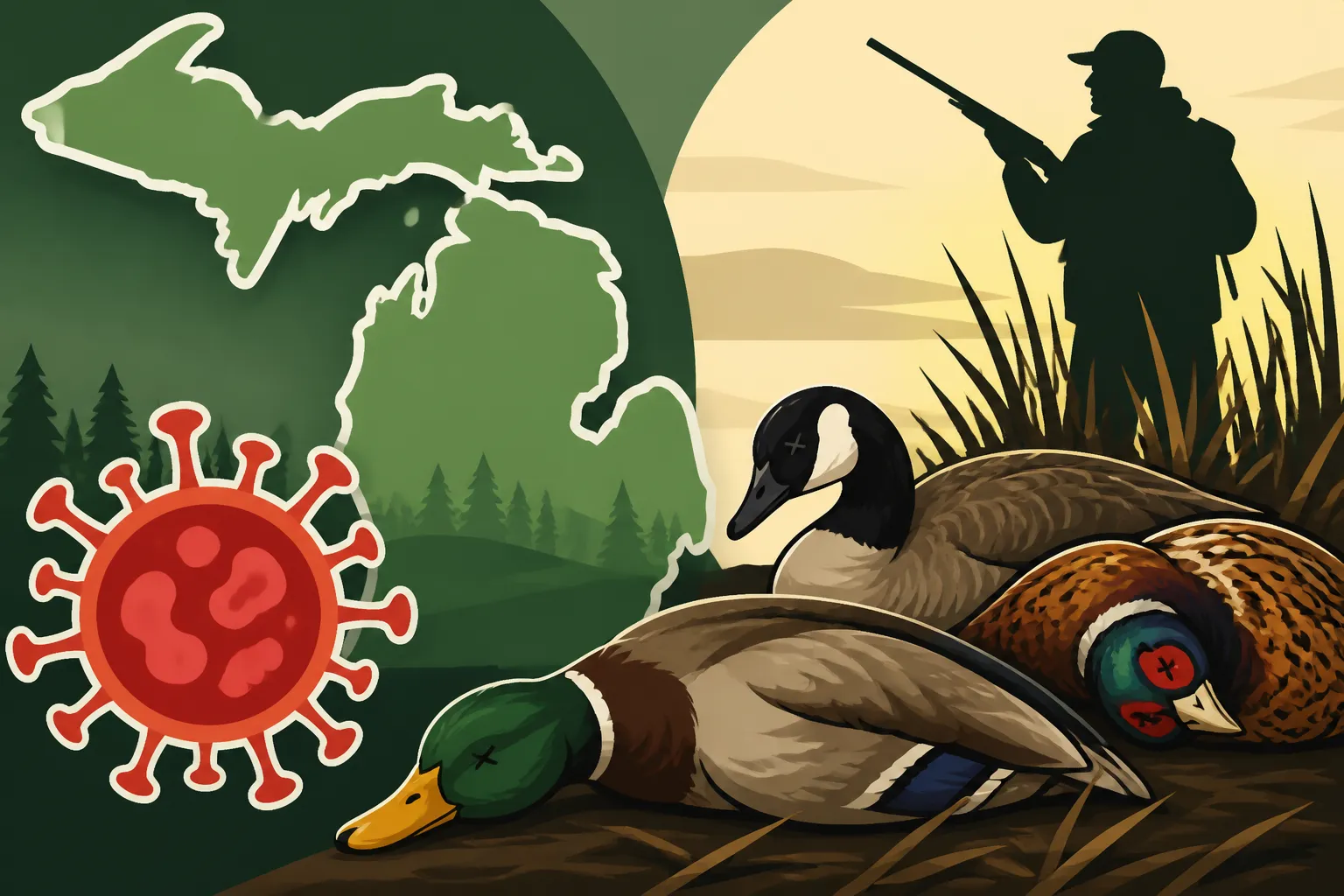
Michigan, sitting squarely in the path of major migratory flyways, has certainly felt the presence of HPAI. The virus began showing up more significantly in wild birds in our state a few years ago, primarily affecting waterfowl like Canada geese, various duck species, and swans. However, HPAI isn't exclusive to waterfowl. Because the virus is so potent and can lead to dead birds lying in the landscape, raptors such as bald eagles, hawks, and owls that prey on sick or dead birds, as well as scavengers like gulls and vultures, are also highly susceptible to infection after consuming contaminated tissues.
When HPAI takes hold, the signs can be quite stark. Infected birds may exhibit neurological distress, such as tremors, swimming in circles, holding their head at an unusual angle, or general incoordination. You might also find multiple dead birds in a specific area with no obvious signs of trauma. This differs significantly from how the virus typically presents in domestic poultry, where it can sweep through a flock, causing rapid and widespread mortality. Our Michigan DNR constantly engages in Michigan Wildlife Disease Monitoring to track these outbreaks and assess the impact on various species. This continuous surveillance helps wildlife managers understand the scope of the problem and inform public advisories for hunters and outdoor enthusiasts alike.
Navigating the Hunting Season with Avian Flu Concerns
The presence of Avian Influenza naturally adds another layer of consideration for hunters planning their seasons, particularly those targeting migratory birds. It's important to understand both the potential impacts on bird populations and the practical steps you can take to ensure your safety and that of your family.
Potential Impacts on Michigan Waterfowl and Hunting Seasons
For waterfowl hunters, the thought of avian flu hitting local populations is definitely a worry. While widespread, catastrophic die-offs across entire species have been rare, HPAI can certainly lead to localized mortality events, especially in areas where birds concentrate, such as certain managed waterfowl areas or popular staging grounds. We've seen instances where groups of birds, particularly Canada geese, have been found deceased in certain marshes or along lake edges. These localized die-offs can temporarily reduce hunting opportunities in specific areas, and biologists monitor these situations closely to gauge any long-term effects on breeding success or overall population health.
It's reassuring to know that major hunting season closures directly due to Avian Influenza outbreaks have been uncommon in Michigan. Our wildlife management agencies prioritize hunter safety and the health of wildlife, and they would issue advisories if a significant threat arose. While waterfowl are the primary concern, other game birds like wild turkeys or pheasants can theoretically be carriers, though they are generally less susceptible to severe illness from HPAI compared to ducks and geese. Always stay informed about specific hunting regulations, especially regarding Michigan Duck Season Dates by Zone and Michigan Goose Seasons and Units, and be aware of any localized advisories that might be issued for areas you plan to hunt, such as Michigan Managed Waterfowl Area Draws.
Best Practices for Hunter Safety and Game Handling
Your personal safety and that of your hunting companions and family are paramount. The good news is that by following some basic hygiene and common-sense precautions, the risk of HPAI to hunters is considered very low. First and foremost, always wear latex or nitrile gloves when handling any wild bird you harvest. These provide a simple, effective barrier against potential pathogens. After handling game, and especially before eating or touching your face, wash your hands thoroughly with soap and water for at least 20 seconds. If soap and water aren't immediately available, a hand sanitizer with at least 60% alcohol can be a good temporary measure.
Another crucial safety measure is to avoid contact with any sick or dead birds you find in the field. This might sound obvious, but the temptation to investigate can be strong. If you come across a bird that appears lethargic, disoriented, or is one of several deceased birds in an area, do not touch it. Properly dispose of any remains (feathers, guts) in a sealed bag away from scavengers and domestic animals, or bury them deeply. Ensure all game meat is cooked thoroughly to an internal temperature of 165°F (74°C). This temperature effectively kills viruses and bacteria. Lastly, meticulously clean all your equipment, including knives, cutting boards, waders, and any surfaces that came into contact with raw game, using a disinfectant or a strong bleach solution. To help you navigate and identify potential hunting areas, especially if you're trying to avoid reported hot spots, digital mapping platforms like GoHunt can be incredibly useful for scouting new public land options from your couch, ensuring you're choosing areas with fewer immediate concerns.
Reporting, Prevention, and Long-Term Outlook
Hunters are often among the first to notice changes in wildlife populations or encounter sick animals in remote areas. This makes your eyes and ears on the ground invaluable in monitoring wildlife health, including the spread of diseases like Avian Influenza.
Your Critical Role in Reporting Sick or Deceased Birds
As hunters, you spend countless hours observing Michigan's wildlife, and your insights are crucial for wildlife management agencies. If you encounter sick or deceased birds in the field, especially multiple birds in one location, you play a vital role in wildlife disease surveillance. Look for specific signs: birds swimming in circles, tremors, a noticeable head tilt, or extreme lethargy. These neurological symptoms are strong indicators of potential HPAI infection. It's not just waterfowl; if you see multiple raptors or scavengers exhibiting these signs, that's also important.
If you observe such a situation, the most important thing is not to collect or directly interact with the birds. Instead, immediately contact the Michigan Department of Natural Resources (DNR) by calling them or visiting their website for reporting instructions. Provide as much detail as possible: the exact location (GPS coordinates are best), the date and time of your observation, the species of bird involved, and an estimate of the number of affected birds. Your detailed report allows DNR staff to investigate safely and quickly, helping them track the disease and implement any necessary management strategies. Remember, using precise digital mapping tools, like GoHunt, to mark specific locations is crucial if you ever need to report unusual wildlife observations to the DNR. Having accurate coordinates makes their job much easier for efficient response. For more information on who to contact, refer to resources like Reporting a Sick Animal in Michigan.
General Measures and Future Considerations
While direct intervention in wild bird populations to control HPAI is incredibly challenging, there are general measures that contribute to overall wildlife health and responsible hunting. For those who also keep backyard poultry or other domestic birds, maintaining strict biosecurity on your property is paramount to prevent any potential crossover from wild birds. This includes securing feed to avoid attracting wild birds and thoroughly cleaning any equipment shared between wild bird encounters and domestic flocks.
The reality is that Avian Influenza, particularly HPAI, is likely to remain a recurring concern, especially with global migratory patterns. The ongoing challenge for wildlife managers is to monitor the disease, understand its long-term impact on various species, and advise the public accordingly. As hunters, we contribute significantly to this effort through our license and stamp purchases, like the Michigan Federal Duck Stamp Rules, which directly fund habitat conservation and wildlife disease research. While outbreaks can be concerning, Michigan's vast and diverse waterfowl habitat, from the expansive Great Lakes to countless inland marshes, often helps buffer against catastrophic species-wide impacts that might be seen in more confined areas. Continued vigilance, adherence to safety protocols, and prompt reporting are our best tools in mitigating the risks and ensuring healthy wildlife populations for future generations of Michigan hunters.
Here's a quick reference for identifying potential issues:
| Observation | Potential Significance (Avian Influenza) | Recommended Action |
|---|---|---|
| Multiple dead waterfowl in one area | High suspicion for HPAI | Do not touch; report to DNR immediately |
| Bird swimming in circles, tremors, head tilt | High suspicion for HPAI (neurological signs) | Do not approach or handle; report to DNR immediately |
| Lethargic, uncoordinated bird | Moderate suspicion for HPAI | Avoid contact; report to DNR if multiple birds show this |
| Single dead bird with no obvious trauma | Could be HPAI or other cause | Use gloves if handling for disposal; report if concern |
| Healthy, active birds | No immediate concern | Proceed with usual hunting safety precautions |
Disclaimer
This article is for general informational purposes only and does not constitute professional advice. Laws, prices and regulations vary by location and change over time. Consult a qualified professional for guidance on your specific situation.