Porcupines and Michigan Timber Damage
Michigan porcupines cause winter timber damage by stripping inner bark from hemlock, pine, and hardwood trees in northern forests.
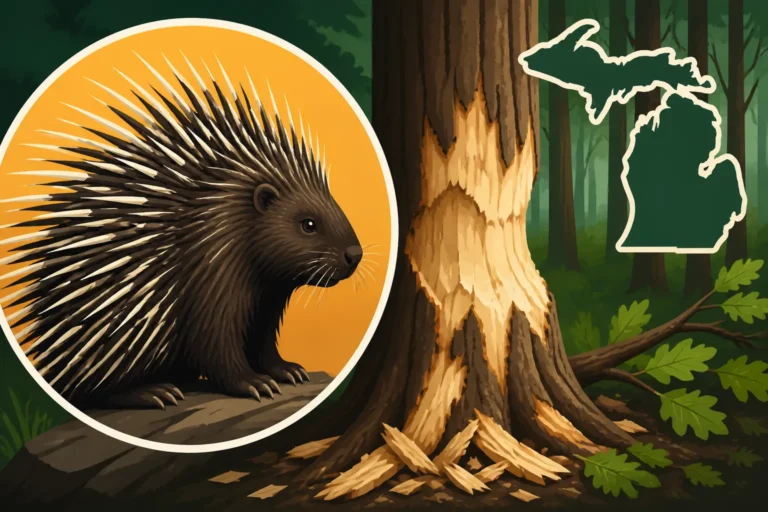
Michigan porcupines cause winter timber damage by stripping inner bark from hemlock, pine, and hardwood trees in northern forests.
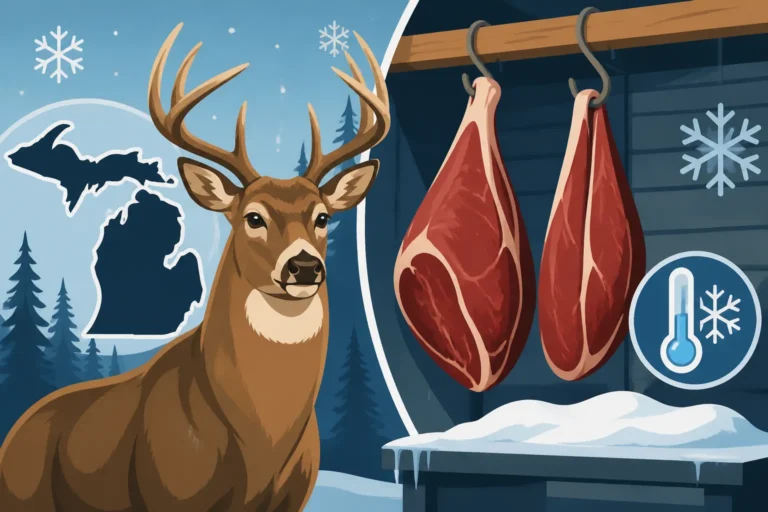
Cold weather venison aging uses temperatures from 34 to 40 degrees to break down tough muscle tissue and improve meat flavor.
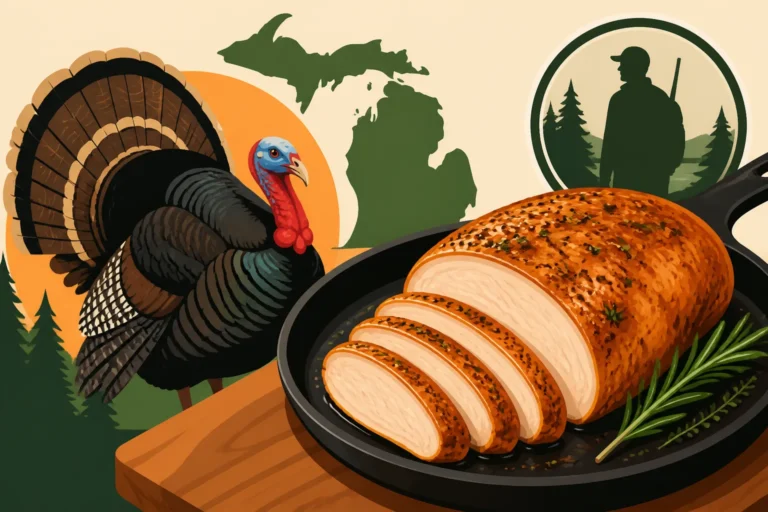
Proper field dressing, quick cooling, and proper cooking techniques keep lean Michigan wild turkey breast tender and juicy.
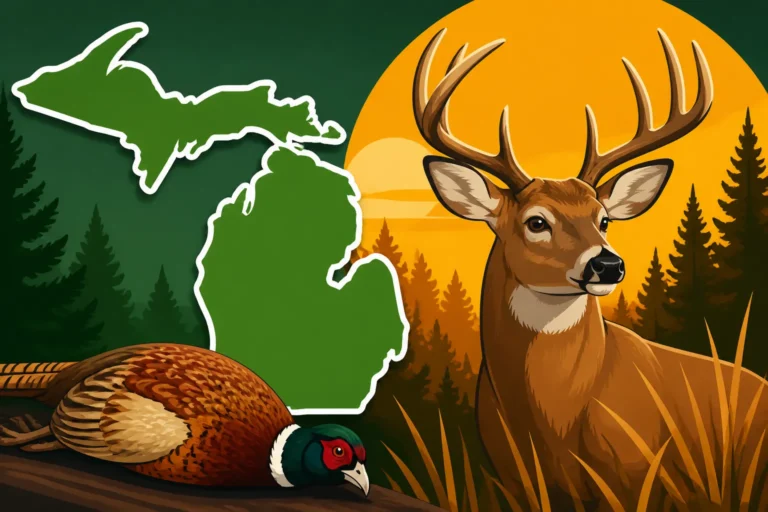
Michigan wild game flavor and lean texture depend on natural diets, active lifestyles, freshness, and immediate cooling.
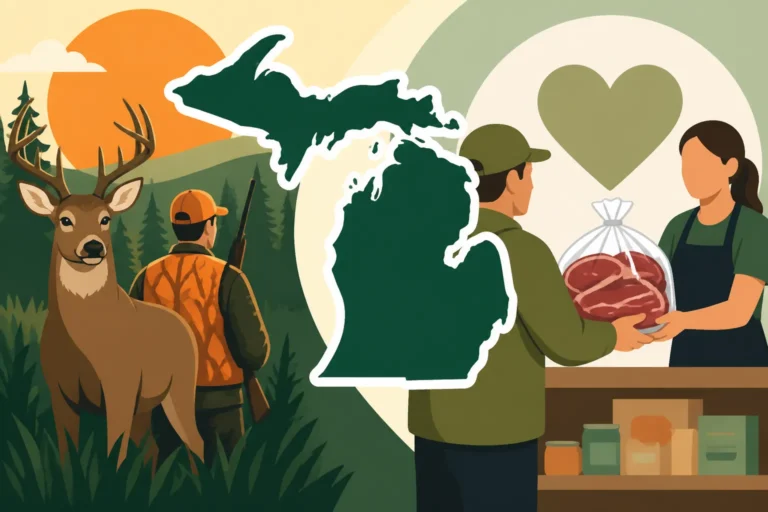
Michigan hunters can donate excess venison to state-inspected processors and food banks to address local food insecurity.
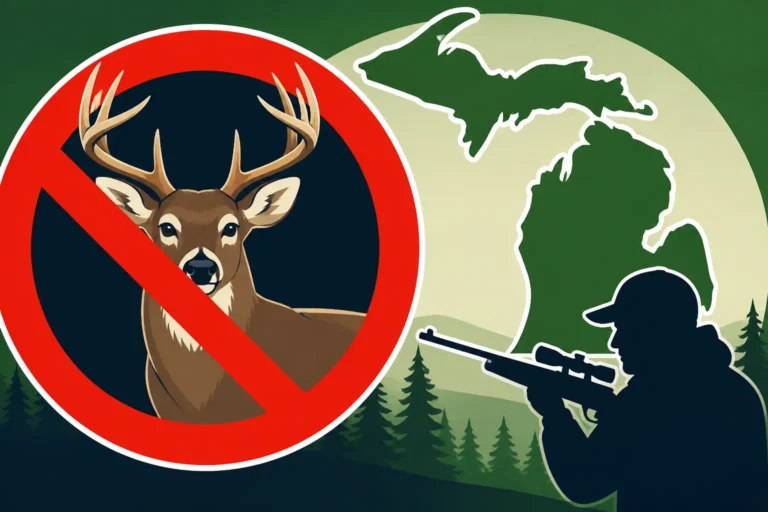
Michigan wildlife regulations and protected species lists detail the animals you cannot hunt, including wolves and songbirds.
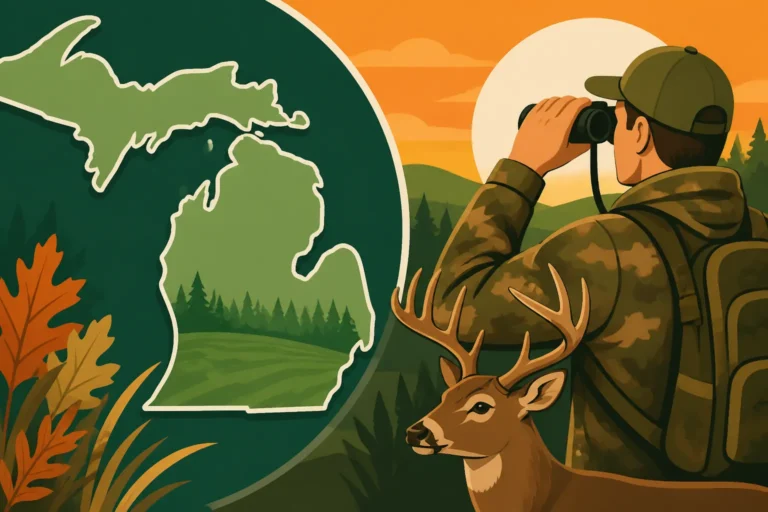
Michigan harvest reports detail game species takes across the state to monitor wildlife populations and regulate future hunting seasons.
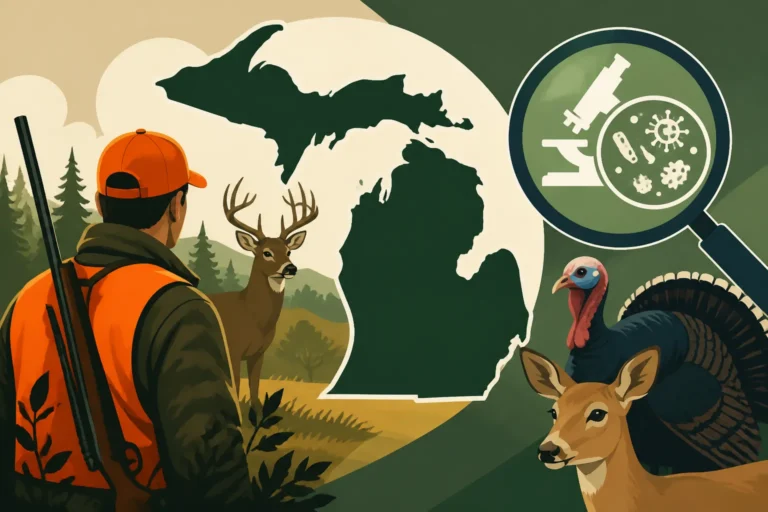
Michigan wildlife disease monitoring explains how hunters protect deer health and ensure safe game consumption across the state.

Michigan wildlife reporting procedures help residents identify sick animals, recognize disease symptoms, and contact proper authorities.
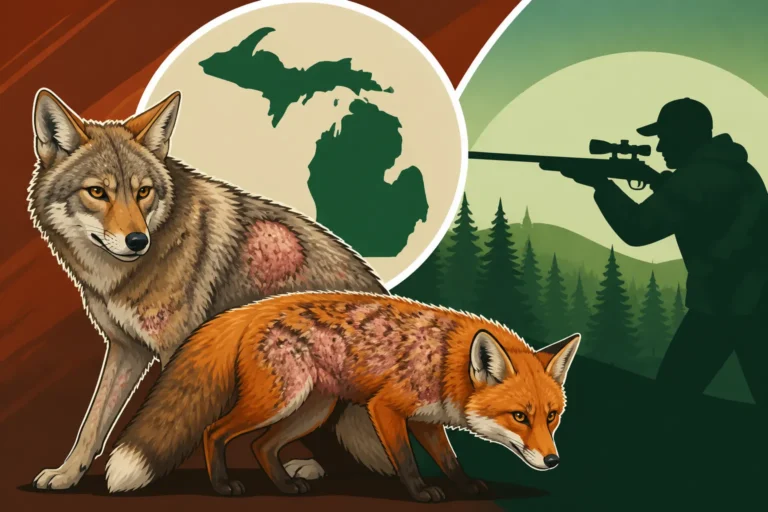
Sarcoptic mange in Michigan coyotes and foxes causes hair loss and emaciation, spreading through direct physical contact.