When Michigan Elk Bugle
Michigan elk bugling activity peaks during the autumn breeding season when cooling temperatures and rising testosterone levels drive vocalizations.
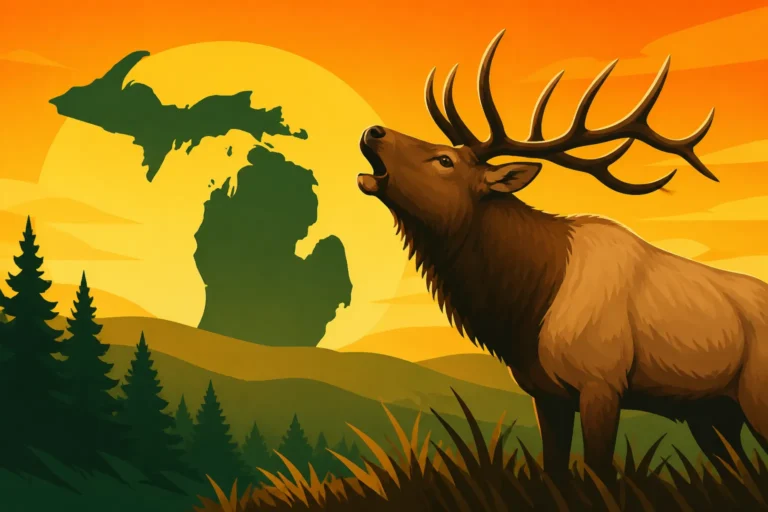
Michigan elk bugling activity peaks during the autumn breeding season when cooling temperatures and rising testosterone levels drive vocalizations.
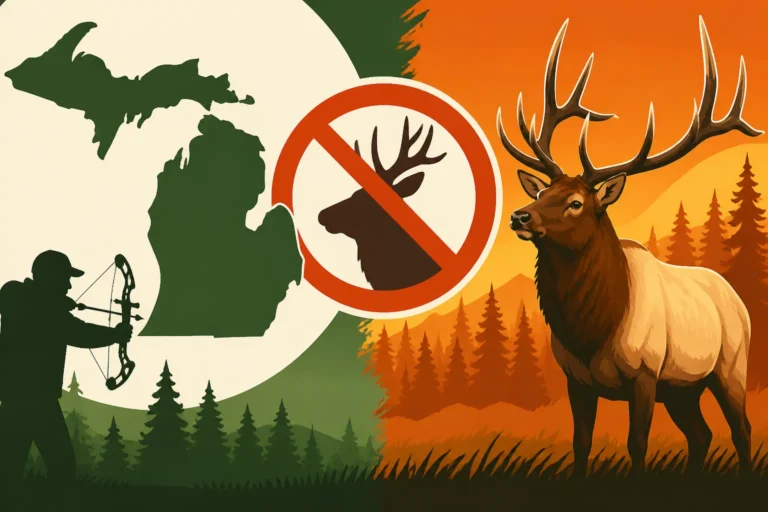
Michigan elk harvest reductions balance population stability, habitat health, and farm damage prevention based on biological data.
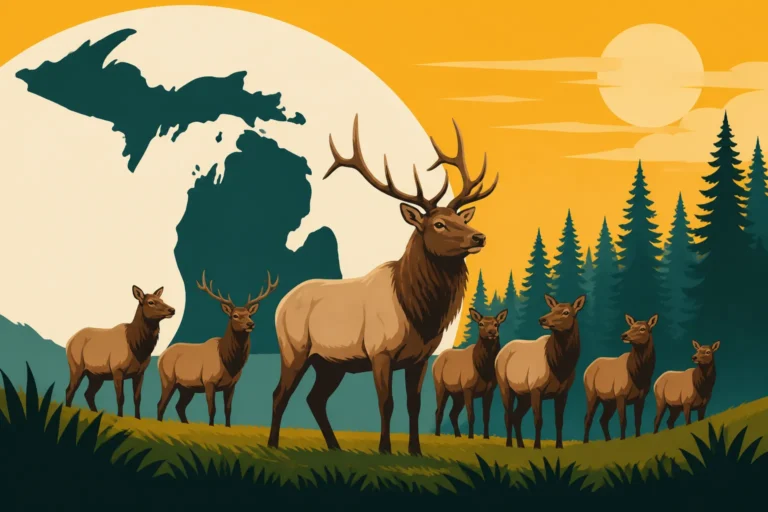
The release of seven elk in Michigan during 1918 explains the restoration of herds after unregulated hunting destroyed native populations.
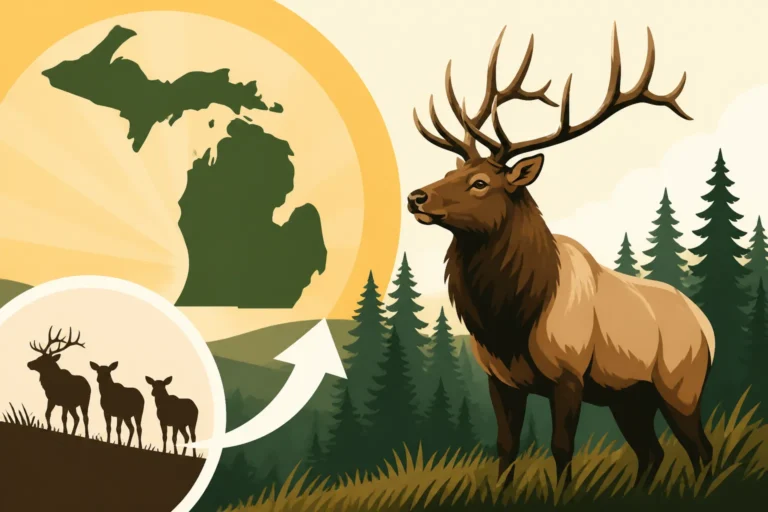
Michigan elk restoration details the 1918 release of seven western animals into Pigeon River Country State Forest.
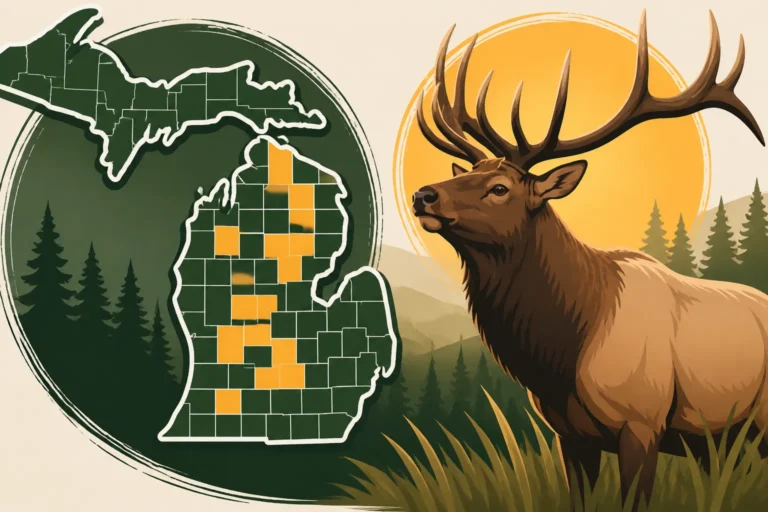
Michigan elk populations reside in Cheboygan, Montmorency, Otsego, and Presque Isle counties within the Pigeon River region.
Michigan elk population numbers, historical reintroduction efforts, and annual survey methods tracked by the Department of Natural Resources.

Michigan black bear encounters, seasonal movements, and attractant management explain how to prevent unwanted wildlife interactions at cabins.
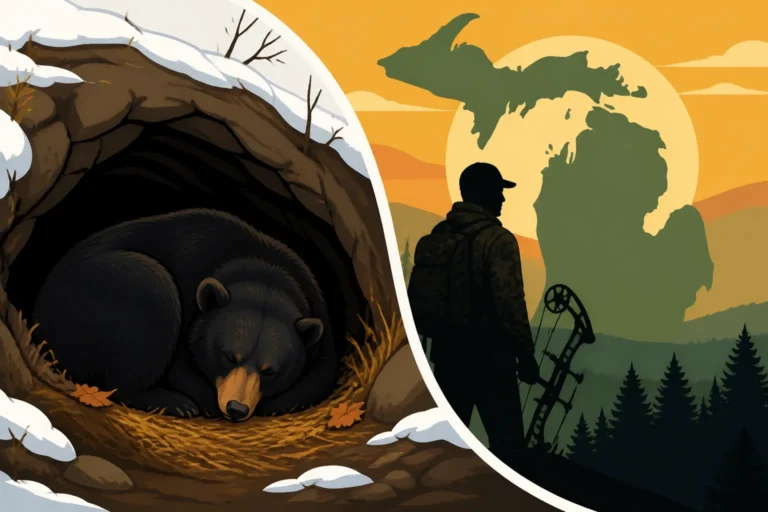
Michigan black bear denning behavior explains winter survival strategies, hibernation biology, cub rearing, and safe wilderness encounters.
Michigan black bear size depends on age, habitat, and food sources found across the Upper Peninsula and northern regions.

Michigan bear harvest numbers reveal annual hunting trends, permit quotas, and population management data set by the state.