Habitat Work on Michigan State Forest
Michigan state forest habitat management practices explain timber harvests and game species needs to improve hunting success.
Find ground you can hunt.
National forest, BLM, and state land — WMAs, walk-in programs, unit boundaries, access rules, and how to get permission on private ground.
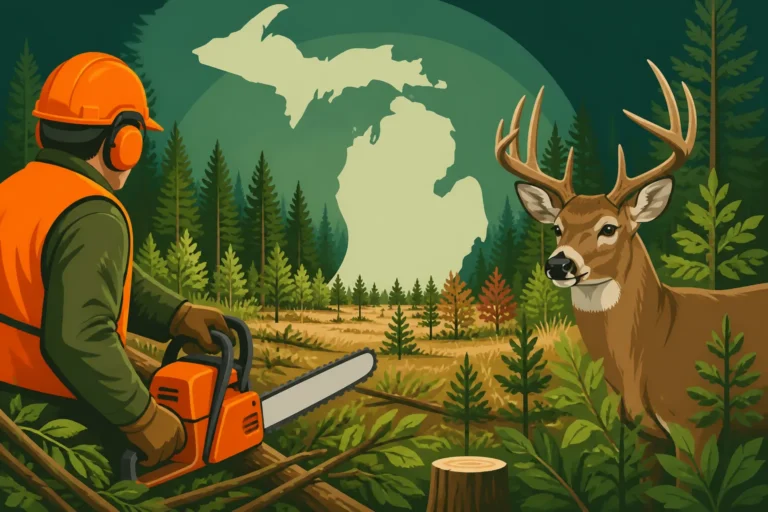
Michigan state forest habitat management practices explain timber harvests and game species needs to improve hunting success.

Michigan public land hunting regulations prohibit unauthorized food plots and landscape alterations to protect the natural ecosystem.
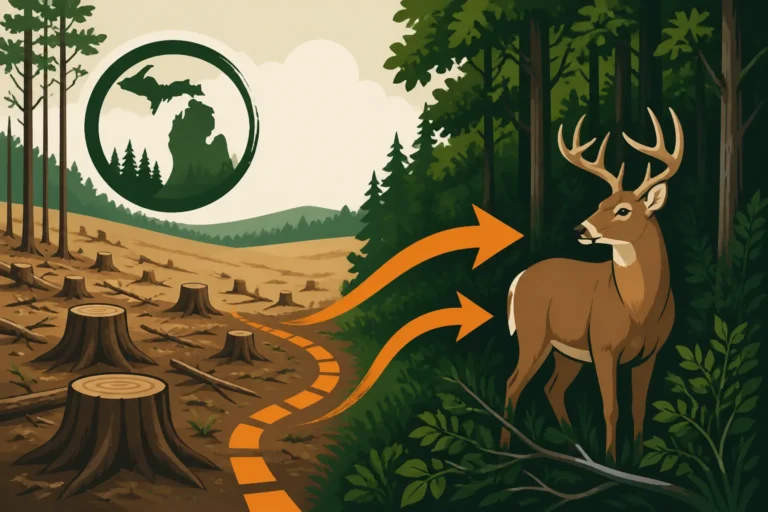
Michigan timber cuts disrupt whitetail deer initially, but logging creates new food and dense cover that alters movement patterns.
Nonresident hunters in Michigan share equal public land rights with residents by purchasing a base license and required species tags.
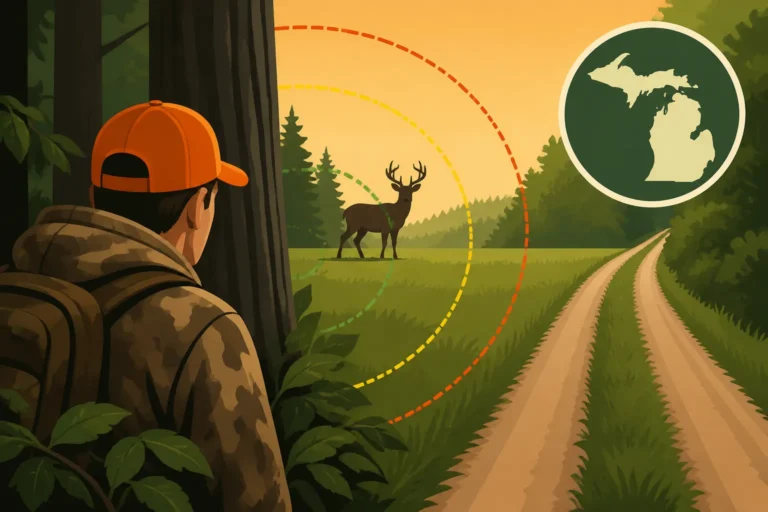
Walking past gravel two-tracks on Michigan public land helps hunters escape pressure bubbles and find unpressured deer.
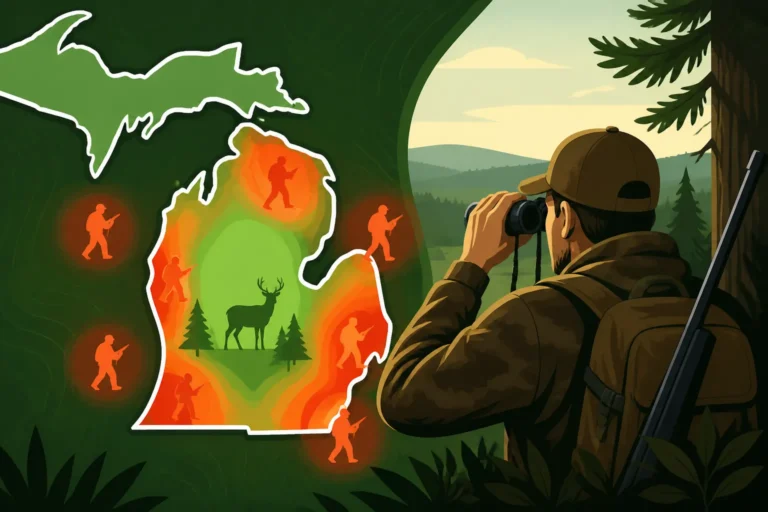
Michigan public hunting land pressure and spotting secluded pockets where deer avoid crowds and human scent during the season.

Opening day crowds on Michigan public land and pre-season scouting strategies help hunters find quiet pockets in the woods.
Michigan hunting camp expenses cover DIY backcountry gear, seasonal cabin leases, and commercial lodge services for the season.

Michigan deer camp ownership structures, financial commitments, and family legacy dynamics explained for prospective buyers.
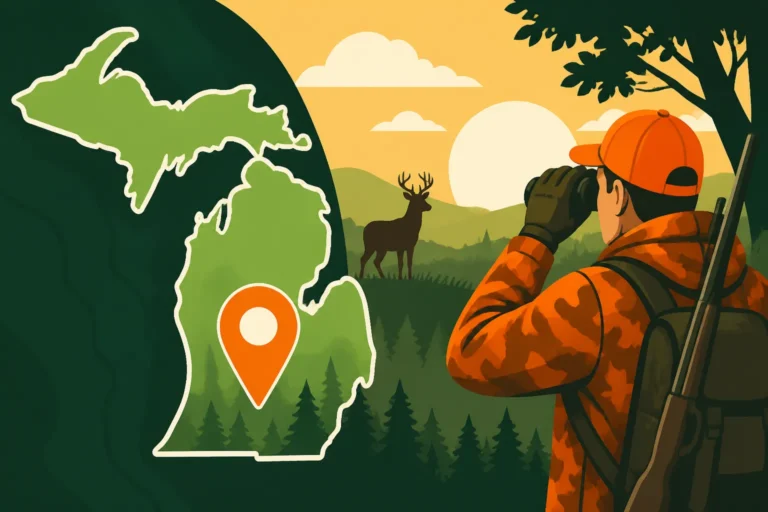
Michigan hunting leases provide exclusive access to private land, allowing habitat management and escape from public land crowds.