Finding Ground That Sees Fewer Hunters
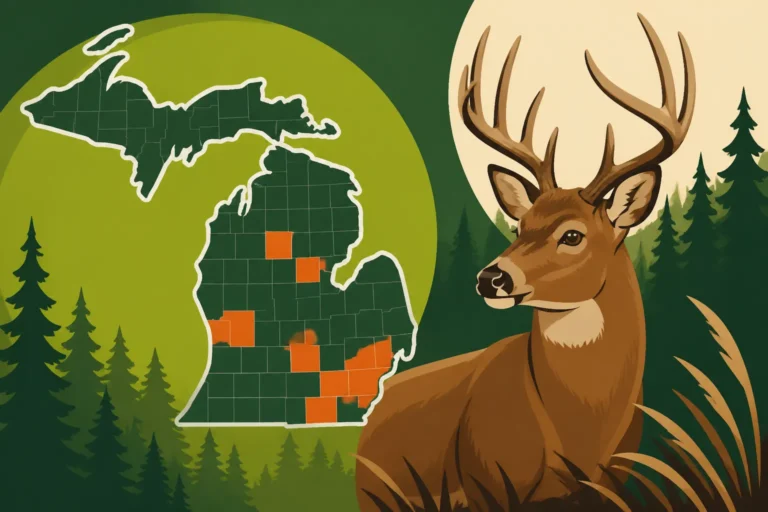
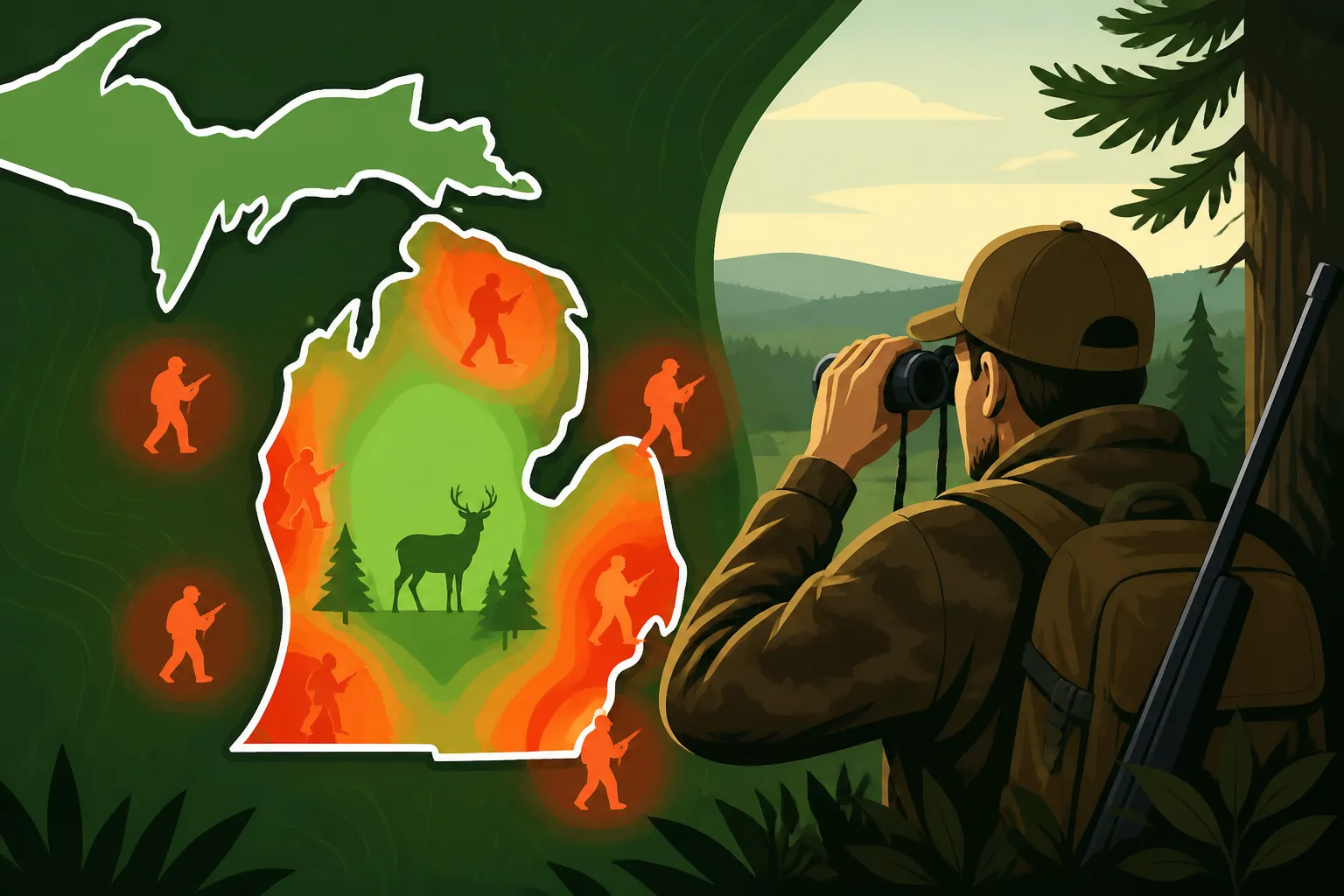
It's no secret that Michigan's public hunting lands can feel downright crowded, especially during prime times like opening day or the peak of the rut. You've walked into a promising-looking woods only to find a line of trucks at the parking area, or worse, discovered a beaten-down path leading straight to your carefully scouted spot. This guide is all about helping you understand how to navigate that pressure and, more importantly, how to find those elusive pockets of public land where deer and other game can truly feel unmolested, giving you a real shot at success.
Understanding Hunting Pressure in Michigan
Let's be real: Michigan is a state with a rich hunting heritage and a lot of passionate hunters. With millions of acres of public land, it's easy to assume there's always room to roam, but certain areas, especially those with easy access or a reputation for big bucks, see a disproportionate amount of attention. It's not just about the number of hunters, but their collective impact on game behavior.
The Reality of Public Land Popularity
You know the drill. You pull up to a designated parking area on state land, and it's already full. Or you hike in a mile or so, feeling good about getting away from the crowds, only to stumble upon an old treestand left over from last season, or worse, hear another hunter crashing through the brush just beyond your setup. It's frustrating, and it can make you wonder if there's any truly unpressured ground left in Michigan. The truth is, popular areas with well-maintained trails, established two-tracks, or easily identifiable food sources tend to draw the masses. These spots are often advertised, well-marked on maps, or simply the most obvious places to park and walk in. Hunters gravitate towards convenience, and deer, being smart creatures, learn to avoid these areas during daylight hours, making your efforts feel futile.
It’s not just deer, either. Grouse hunters often pound the same aspen cuts near road access, and turkey hunters concentrate on easily accessible ridges. This consistent presence from humans, whether it's the roar of ORVs on designated trails or the constant scent of hunters on a popular walking path, fundamentally alters how game animals use the landscape. They become nocturnal, move to thicker cover, or simply vacate areas they once frequented, making it incredibly tough for you to connect with them during legal hunting hours.
Identifying High-Pressure Areas
Learning to read the signs of heavy pressure is the first step toward avoiding it. When you're Scouting Michigan Public Land Before Season, or even just driving by, look for clues. Overused two-tracks, excessive boot prints on trails, or even well-worn deer trails that seem to avoid obvious bedding cover can tell a story. Parking areas are a dead giveaway – if you see multiple trucks, especially mid-week, that spot is likely getting hammered. Be wary of public land tracts that are long and narrow, bordered by private land that may also be heavily hunted, as deer get pushed from both sides.
Another sign, though more subtle, can be the lack of fresh, quality deer sign where you'd expect it. If you're in prime bedding or feeding cover, but only finding old rubs or sparse tracks, it could mean deer are only moving through at night, or have simply moved elsewhere to escape the constant disturbance. Think about it: a mature buck isn't going to hang out in an area where he's constantly encountering human scent or being bumped. He's seeking sanctuary, and if you can find that sanctuary, you'll find him. Pay attention to how game trails intersect human trails; if they seem to parallel them for a short distance before veering sharply into thick stuff, that's a deer telling you, "I'm not comfortable here."
Strategies for Finding Secluded Spots
Finding ground that sees fewer hunters isn't about magic; it's about effort, smart planning, and a willingness to think outside the box. It means putting in the work before the season, during the season, and sometimes, even after the season when the woods are quiet.
Going Deeper Than the Crowds
The simplest and often most effective way to escape pressure is to walk further than most other hunters. Think about the average hunter – they usually don't venture much beyond a half-mile to a mile from their vehicle, especially if it's thick, marshy, or hilly. If you're willing to go one, two, or even three miles deep, you dramatically increase your chances of finding unpressured deer. This might mean investing in a comfortable pack, good boots, and dedicating more time to your hunt, but the payoff can be huge. How Far to Walk From a Two-Track is a common question, and the answer is usually "further than you think."
Consider terrain features that naturally deter people. Steep hills, swampy ground, or areas dense with thick cedar or tag alder are often avoided. These can be gold mines for game looking for sanctuary. While these areas might be a beast to navigate, especially if you have to drag a deer out, the reward of finding a mature buck that rarely sees human intrusion can be worth every drop of sweat. I've often found great success by intentionally looking for the nastiest, most inhospitable-looking places on a map and then figuring out how to get into them. Deer use these natural barriers to their advantage, and so should you.
Utilizing Mapping Tools for Reconnaissance
Modern mapping applications are absolute game-changers for finding unpressured ground. Tools like onX Hunt or GoHunt allow you to dissect a landscape from the comfort of your home. You can identify public land boundaries, topo lines, water features, potential bedding areas (like dense cedar swamps or thick pines), and feeding zones (oak ridges, old clearcuts). Use the aerial imagery to pinpoint access points that might be less obvious than the main parking lots. Look for small pockets of public land that might be "landlocked" or require traversing private land with permission, which often means fewer hunters bother with it.
For instance, you might spot a finger of state land extending deep into private agricultural fields, accessible only by a single two-track that few people notice. Or perhaps a significant wetland feature, too wet for casual hunters, but offering dry islands or edges that funnel deer. Using Mi-HUNT on a Phone in conjunction with these apps can give you an incredible advantage. They allow you to mark potential travel corridors, bedding areas, and even optimal stand locations based on prevailing winds, all before you ever set foot in the woods. This kind of detailed scouting helps you strategically target areas that others overlook, significantly reducing your chances of encountering another hunter.
Exploring Overlooked Habitat Types
Most hunters focus on classic habitat: oak ridges, corn fields, or timber edges. While these are certainly productive, they're also usually where everyone else is. To find truly unpressured game, sometimes you need to look at habitat types that other hunters deem "too thick," "too wet," or "too difficult." Think about Reading a Michigan Cedar Swamp for Deer. These swamps are notorious for holding big, mature bucks that want nothing to do with human disturbance. While hunting them can be challenging, with careful entry and exit routes and a good understanding of deer movement within them, they can be incredibly productive.
Another excellent option is thick, regenerating clearcuts or aspen stands, especially those that are 5-15 years old. These offer incredible cover and browse, but they are also tough to move through silently, deterring many hunters. Small, overlooked stands of thick pine, even just an acre or two, can serve as bedding sanctuaries right next to heavily hunted areas. Don't discount river bottoms or creek drainages, either, as these often create natural funnels and travel corridors that are less disturbed, especially if the banks are steep or brushy. Sometimes, the most productive ground is the stuff that makes you sigh when you look at it on a map, thinking, "That's going to be a tough walk."
Timing and Tactics to Avoid Crowds
Beyond where you hunt, when and how you hunt can dramatically influence the amount of pressure you encounter. Even in generally busy areas, smart timing can give you an edge.
Hunting Mid-Week and Off-Peak Hours
This might sound obvious, but it's often overlooked by those who can only hunt weekends. If you have the flexibility, hunting on Tuesday, Wednesday, or Thursday can feel like you have the woods all to yourself. Weekends, especially opening weekend of firearm season, are when Michigan's public lands are absolutely swarming. If you must hunt weekends, consider hunting mid-day. Most hunters head in at dawn and leave by mid-morning, or arrive for an afternoon sit. Those midday hours, when deer often feel safer moving, can be surprisingly productive and relatively quiet.
Another strategy is to embrace less-than-ideal weather. A light rain, a steady drizzle, or even a blustery, cold day will send many fair-weather hunters packing. Deer, however, are still out there. By layering up, investing in good rain gear, and being willing to tough it out, you'll often find yourself in a much less pressured environment. I've had some of my most successful hunts on days when the weather was so miserable, I wondered if I was crazy for being out there. But then, a mature buck would step out, likely emboldened by the lack of human presence.
Adapting to Hunting Season Phases
The dynamic of hunting pressure changes throughout the season. Early archery season, while popular, might see less concentrated pressure than firearm season. Then, after the initial rush of the firearm opener, many hunters drop out, leaving opportunities for those willing to persist. Hunting the Second Week of Firearm Season can be incredibly productive, as deer have been pressured and are seeking refuge, but many hunters have already filled their tags or given up.
The late seasons, such as Hunting Michigan's Late Archery Season or late antlerless firearm, see significantly reduced pressure. While the weather can be brutal, deer are often concentrated around remaining food sources and seeking thermal cover. Hunting these periods requires different tactics and cold-weather gear, but the reward is often a truly unpressured experience. This is when patience and resilience really pay off, allowing you to intercept deer that have become masters at avoiding detection earlier in the year.
Stealth and Low-Impact Hunting
Even if you find a secluded spot, if you crash through the woods like a bull in a china shop, you'll still pressure the deer. The goal is to move silently and leave as little scent as possible. This means planning your Entry Routes on Flat Michigan Ground carefully, using wind to your advantage, and approaching your stand or hunting area quietly. Consider using natural terrain features, such as creek beds or depressions, to mask your approach. Wear quiet clothing (wool or fleece is excellent) and pay attention to every step.
Minimize your impact once you're in the woods. Avoid breaking branches unnecessarily, keep talking to a whisper if hunting with a partner, and try to retrieve game with as little disturbance as possible. The less you announce your presence, the more comfortable deer will feel, and the more likely they are to stick around. This also extends to post-hunt activities, like scouting. Try to scout during non-hunting hours or after the season ends, especially in sensitive bedding areas, to avoid educating deer.
Creative Access and Unconventional Locations
Sometimes, the best hunting spots aren't "found" on a map in an obvious way, but are unlocked through creative thinking about access and a willingness to explore places others dismiss.
Accessing Public Land from Private Parcels
Michigan has a patchwork of public and private land. Often, a large block of public land might be surrounded by private property, making direct access difficult or impossible without trespassing. This is where opportunity knocks. By Knocking on Doors in Michigan Farm Country and seeking permission from landowners, you might be granted access across their property to reach otherwise inaccessible public land. Many landowners are open to this, especially if you build a good relationship, offering to help with small chores or sharing some venison.
When using mapping tools like onX Hunt, actively look for these "landlocked" public parcels. They might be small fingers of state land or a completely isolated section that has no direct road frontage. These pieces are often deer magnets because the vast majority of hunters simply cannot reach them. The effort involved in securing permission for access can seem daunting, but it often leads to truly pristine hunting opportunities. It’s a win-win: the landowner feels respected, and you get access to ground that sees almost no pressure.
Small, Isolated Public Land Pieces
Everyone wants to hunt the massive blocks of national forest or state land, but those often get the most attention. Instead, look for those tiny, seemingly insignificant patches of public ground – sometimes just a few acres – that are surrounded by private land. These can be Michigan State Game Areas, isolated state forest fragments, or even river islands. While small, these spots can act as sanctuary pockets, especially if they offer thick cover, water, or unique food sources. Deer will often bed down in these overlooked sanctuaries during the day, venturing out into surrounding private agricultural fields at night.
Using your mapping app, zoom in on rural areas and identify these little green specks. Many hunters drive right past them, assuming they're too small to be worth the effort. But a buck that's been pressured off a large piece of public ground might seek refuge in one of these smaller, quieter havens. Setting up on the edge of such a piece, anticipating deer movement between it and adjacent private land, can be incredibly effective. Consider Hunting Small Private Tracts in Michigan using similar tactics if you're lucky enough to secure access.
Exploring Commercial Forest Act Lands
Michigan's Commercial Forest Act (CFA) allows private landowners, primarily timber companies, to receive a tax reduction in exchange for opening their land to public hunting and fishing access. This is an incredible resource that many hunters don't fully understand or utilize. What Commercial Forest Land Allows is essentially public access, but it often involves less developed access points and can feel much more remote than traditional state land.
You can often find maps or listings of CFA lands through the DNR website or by using advanced layers in mapping applications like onX Hunt. These lands are typically working forests, meaning there might be active logging, but they also consist of vast tracts of timber, wetlands, and varied terrain. Because they're often not as clearly marked or easily accessed as typical state game areas, they tend to see less pressure. Learning to identify these lands and understanding their rules can open up a huge amount of new, low-pressure hunting ground, especially in the northern Lower Peninsula and the Upper Peninsula where large timber holdings are common.
Pressure-Proofing Your Michigan Hunt
Finding ground that sees fewer hunters isn't just about discovery; it's about a mindset. It means being willing to work harder, think smarter, and be more observant than the average hunter. It's about respecting the land and the game, and understanding that the easiest path is rarely the most rewarding.
| Pressure Factor | Characteristics | Counter-Strategy |
|---|---|---|
| Easy Access | Paved roads, large parking lots, well-worn trails | Walk deeper, use less obvious entry points, or hunt from adjacent private land. |
| Obvious Food Sources | Cut cornfields near roads, easily identifiable oak ridges | Seek out less obvious food, find travel corridors to remote food, or hunt in thick bedding areas. |
| Prime Hunting Times | Opening day, weekend mornings, rut peak | Hunt mid-week, during midday, or in adverse weather; focus on late season. |
| Popular Habitat Types | Hardwood ridges, field edges, open woods | Target thick cedar swamps, regenerating clearcuts, dense pines, or river bottoms. |
| Visibility | Open timber, areas with good sightlines | Focus on dense cover, thickets, and areas with limited visibility where deer feel safer. |
| Human Scent & Sound | Frequent foot traffic, ATV noise, talking hunters | Practice extreme stealth, use wind to your advantage, and plan quiet entry/exit routes. |
The deer in Michigan, especially the mature ones, are incredibly adept at sensing and avoiding pressure. They learn quickly which areas are safe and which are not. Your mission, should you choose to accept it, is to find those safe havens. It might take more effort to hike in, more time studying maps, or more courage to knock on a stranger's door, but the reward of connecting with a truly wild, unpressured animal on public land is an experience unlike any other. Don't be discouraged by crowds; instead, let them guide you to where the serious hunting truly begins.
Disclaimer
This article is for general informational purposes only and does not constitute professional advice. Laws, prices and regulations vary by location and change over time. Consult a qualified professional for guidance on your specific situation.