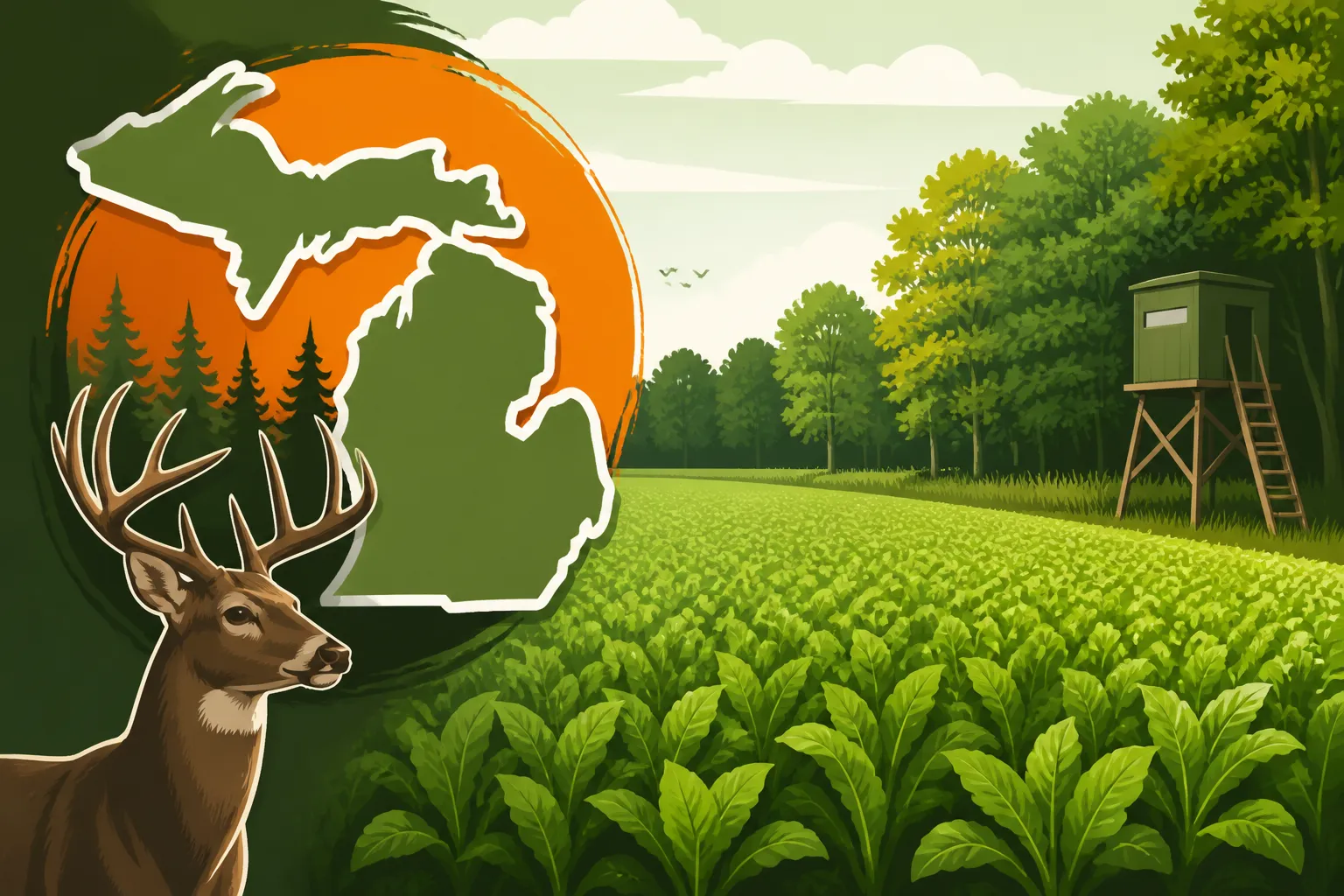
Food Plots on Michigan Public Land
The idea of planting a secret food plot on public land is a dream many Michigan hunters have, picturing a hidden oasis that funnels deer right to their stand. It’s a compelling thought, especially when you’ve put in countless hours scouting, only to feel like you’re chasing ghosts. Unfortunately, that dream quickly bumps up against the reality of state regulations, land management policies, and the fundamental principles of public land use. This guide will clarify why creating food plots on Michigan public land isn't allowed, explore the specific rules, and offer practical, legal alternatives to help you find success.
The Hard Truth: Why You Can't Put Food Plots on Michigan Public Land
Let's cut right to the chase: you absolutely cannot establish your own food plots on public land in Michigan. It’s a common misconception, often fueled by the success stories we see from private land hunters or a genuine desire to improve habitat. But the rules are clear, and for good reason. Public land is just that – public. It’s managed for a multitude of uses, from timber production and recreation to wildlife habitat for all species, not just deer. Allowing individual hunters to alter the landscape with their own plantings would create chaos and inequity.
Imagine if every hunter tried to carve out their own little piece of paradise. The landscape would quickly become a patchwork of different crops, many of which might not be beneficial for the ecosystem as a whole, or could even introduce invasive species. It would turn public hunting into a competition of who could plant the most, rather than who could scout the best or understand deer movement in natural environments. Beyond the legalities, there's a practical side: maintaining a food plot requires ongoing effort – planting, fertilizing, mowing, and protecting it from browsing. Doing this discreetly and effectively on public land would be a monumental, if not impossible, task without drawing attention or violating rules.
Understanding Michigan's Land Alteration Policies
The Michigan Department of Natural Resources (DNR) manages state-owned lands with specific guidelines to ensure their ecological integrity and provide equitable access for all users. These rules explicitly prohibit the unauthorized alteration of public land, which includes planting crops, cutting trees, or introducing non-native vegetation. The intent is to maintain the natural landscape and ecological processes. If the DNR or a partner organization like the Ruffed Grouse Society wants to implement habitat improvements, they do so through official, planned projects designed by wildlife biologists and foresters. These projects consider the broader ecosystem, not just a single game species, and are funded and managed by the state. This is why you might sometimes see managed openings or plantings on state land, but these are part of a larger, official management plan, not an individual’s initiative.
The Problem with Unauthorized Modification
Beyond being explicitly against the rules, unauthorized modification of public land can have unintended negative consequences. When you introduce a food plot, even a small one, you’re altering the natural food chain and potentially impacting local wildlife beyond deer. The seeds could be non-native, leading to invasive plant issues that are incredibly difficult and costly to reverse. It also creates an unfair advantage for those willing to bend or break the rules, which erodes the spirit of fair chase and equal opportunity that public land hunting is built upon. While the intention might be good – to attract and hold deer – the method is legally and ethically problematic.
Michigan's Public Land Rules: What You CAN and CANNOT Do
Michigan has a vast amount of public land, a resource that hunters across the state cherish. Understanding the regulations for using these lands is crucial, not just to stay out of trouble, but to be a responsible steward of our natural resources. The DNR manages millions of acres, from state forests and state game areas to designated managed waterfowl areas, each with specific rules that govern activities like hunting, camping, and, yes, habitat alteration. Ignoring these rules can lead to fines, loss of hunting privileges, and even criminal charges, depending on the severity of the violation.
Prohibited Activities and Penalties
Michigan's public land regulations are designed to protect the natural environment and ensure that everyone has fair access. When it comes to manipulating habitat, the rules are quite strict. Planting anything, whether it's clover, brassicas, or corn, is considered altering public land. Cutting down trees, even small saplings, clearing brush, or building structures are also generally prohibited without specific permits from the DNR. These actions are seen as unauthorized destruction or modification of state property.
The penalties for these violations can vary. At the very least, you could be cited for trespassing or damage to state property, facing fines that can easily run into hundreds of dollars. In more serious cases, especially if there's significant habitat destruction or repeated offenses, you could face misdemeanor charges, requiring court appearances, larger fines, and potentially even jail time. Furthermore, and perhaps most impacting for a hunter, is the possibility of losing your hunting privileges for a period. This is often an administrative action taken by the DNR, separate from any court proceedings, and it means no hunting, anywhere in Michigan, for years. It's a severe consequence that drives home the importance of respecting public land rules. The best way to avoid this is to always remember that Michigan's public lands are for everyone, and that means respecting the natural environment as it is. Scouting Michigan Public Land Before Season is a great way to learn the landscape without leaving a trace.
What is Permitted: Temporary, Minimal Impact Activities
While extensive habitat alteration like food plotting is out, you're not completely powerless to influence your hunting area. Many hunters legally use temporary, non-damaging methods to enhance their immediate stand location or attract deer. For instance, putting out a mineral block or a pile of bait (where legal) are common tactics. However, even these have strict regulations. For example, Michigan Baiting and Feeding Rules are very specific, and many areas of the Lower Peninsula have a complete ban on baiting and feeding for deer due to concerns about Chronic Wasting Disease (CWD). Always check the latest regulations for your specific Deer Management Unit (DMU) before placing any attractants.
Another common legal practice is to trim shooting lanes around your treestand. This is usually limited to small branches or saplings that directly obstruct your shot, not clearing large swaths of timber. You must be careful not to damage the trees you're climbing or attaching stands to. Anything beyond minor trimming for shooting lanes could be considered habitat destruction. Portable treestands and ground blinds are also generally allowed, but they must be removed at the end of the season. Leaving them year-round is often prohibited as they can damage trees and are considered abandoned property. Before you head out, make sure you know the rules regarding Treestand Rules on Michigan Public Land.
| Activity | Public Land Legality in Michigan | Rationale |
|---|---|---|
| Planting Food Plots | Prohibited | Unauthorized habitat alteration; impacts ecosystem; unfair advantage. |
| Cutting Trees/Clearing Brush (large scale) | Prohibited without permit | Destruction of state property; ecological disruption. |
| Placing Mineral Blocks / Bait | Restricted / Prohibited | Varies by DMU/zone; CWD concerns. Always check current regulations. |
| Trimming Small Shooting Lanes (minimal) | Generally Permitted | Minor modification for safety/effectiveness; must be minimal and non-damaging. |
| Using Portable Treestands / Ground Blinds | Generally Permitted | Must be removed seasonally; cannot damage trees or be left year-round. |
| Scouting and Trail Camera Use | Generally Permitted | Low impact; respect property lines and privacy; remove cameras after season. |
| Leaving Permanent Structures | Prohibited | Considered abandonment; can damage land or be hazard. |
Beyond the Law: Ethical Hunting and Public Land Stewardship
Even if there were a legal loophole to plant a small food plot on public land – which, again, there isn't – there's a broader conversation to be had about ethical hunting and our role as stewards of public lands. Public lands are a shared resource, a place where everyone, regardless of background or income, can connect with nature. This shared aspect demands a level of respect and responsibility that goes beyond simply following the letter of the law.
The Shared Resource Principle
Michigan's public lands belong to all citizens, not just hunters. This means that when we use these lands, we are temporary guests. Our actions reflect not only on us individually but on the entire hunting community. Creating a personal "honey hole" through unauthorized modifications like food plots can breed resentment among other hunters and non-hunting recreationists. It can be seen as selfish and disrespectful to the shared nature of the resource. Moreover, it undermines the professional land management efforts of the DNR, who are tasked with balancing diverse interests and ensuring long-term ecological health.
Fair chase is a cornerstone of hunting ethics, and part of that is accepting the challenges of the natural environment. Manipulating the habitat in an unauthorized way on public land, even with good intentions, can be seen as an attempt to circumvent the natural challenges, thus diminishing the fair chase experience for others and potentially for oneself. We have a responsibility to leave public land better than we found it, or at the very least, unchanged. This commitment ensures that future generations have the same opportunities we do.
The Impact on the Hunting Community
The hunting community relies on public trust and support to maintain our traditions and access to lands. When individual hunters violate rules or act unethically, it casts a shadow over everyone. Non-hunters often form their opinions of hunting based on the actions of a few. Unauthorized food plots, tree cutting, or other habitat modifications can lead to negative public perception, fuel anti-hunting sentiment, and potentially result in stricter regulations that impact all hunters.
Instead of trying to create secret plots, we should focus on being exemplary public land users. This means picking up trash, adhering to all regulations, reporting violations responsibly, and respecting other users. We can also contribute positively by participating in volunteer habitat workdays organized by the DNR or conservation groups, or by donating to organizations that fund official habitat improvement projects on public lands. Remember, a thriving public hunting landscape depends on a thriving and respected hunting community.
Smart Alternatives: Boosting Your Public Land Success Legally
So, if you can't plant food plots, what can you do to increase your odds on Michigan's vast public land? The good news is, there are plenty of effective, legal, and ethical strategies that will make you a better, more successful hunter. It all comes down to understanding deer behavior, knowing the land, and putting in the effort.
Mastering Natural Food Sources
Instead of creating food plots, become an expert at finding and hunting natural food sources. Deer have to eat every day, and they rely heavily on what the natural habitat provides. In Michigan, this means everything from acorns and beech nuts in the hardwoods to browse in clearcuts and swamp edges. Knowing what's dropping when, and where, is a game-changer.
For example, in early archery season, deer often concentrate on acorn-producing oaks. Later in the fall, they might shift to beech nuts or browse in younger forest regeneration. Understanding Late-Season Food Sources for Whitetails is critical as winter approaches.
Use mapping tools like onX Hunt to identify different timber types, which can indicate potential food sources. Look for mature oak ridges, regenerating clearcuts (which provide excellent browse), and areas with soft mast trees like apple or hawthorn. Pay attention to agricultural edges if public land borders private farms; deer will often stage in thick cover on public land before heading out to feed in crop fields after dark. Your ability to locate and understand these natural food sources will be far more effective and sustainable than any illegal plot.
Scouting for Success
Effective scouting is your most powerful tool on public land. It’s a year-round commitment that pays dividends.
- Summer Scouting: Before the season even begins, hit the woods. Look for areas with heavy deer sign – worn trails, rub lines, scrape areas, and bedding spots. Identify natural funnels, pinch points, and cover transitions where deer are likely to travel. Use a GPS or an app like onX Hunt to mark these spots and analyze the terrain. This will help you identify potential stand locations long before you ever carry a weapon.
- Reading the Landscape: Learn to read the topography and vegetation. Deer often use subtle changes in elevation, thickets, or water features for security and travel. A small ridge overlooking a swamp, or a dense cedar thicket bordering a hardwood forest, can be prime bedding areas. Reading Aerial Photos for Swamp Deer can reveal hidden features you might overlook on the ground.
- Post-Season Scouting: Don't forget to scout after the season! This is when you can walk through bedding areas without disturbing current deer patterns. You can often find shed antlers, which tell you where bucks were hanging out during the winter, and gain valuable insights into their travel routes and bedding preferences without pressure.
Utilizing Hunting Pressure to Your Advantage
On public land, hunting pressure is a reality. Instead of complaining about it, learn to use it. Many hunters stick close to roads and established trails. Deer, being incredibly adaptable, learn to avoid these high-pressure zones. This means the biggest bucks often hold tight in the thickest, nastiest cover during daylight hours.
- Go Deep: Be willing to walk further than most hunters. Use tools like GoHunt or onX Hunt to identify remote pockets of public land, often deep within a state forest or game area, that are difficult to access. These areas often harbor deer that rarely see human activity.
- Hunt the Thick Stuff: Focus your efforts on dense cover – cedar swamps, regenerating clearcuts, or tangles of blowdowns. These are places other hunters avoid, but they offer deer the security they need during hunting season. Still-Hunting Michigan Cedar Swamps can be incredibly effective when deer are seeking refuge.
- Early vs. Late Season: Pressure shifts throughout the season. Opening day sees the most pressure, but it often drops off dramatically after the first week. Understanding these patterns can help you time your hunts for when the woods are quieter, giving you a better chance at success. Hunting the Second Week of Firearm Season can often be more productive than the frantic first few days.
By embracing these legal and ethical strategies, you'll not only become a more skilled and knowledgeable hunter but also contribute to the positive perception and sustainability of hunting on Michigan's invaluable public lands.
Disclaimer
This article is for general informational purposes only and does not constitute professional advice. Laws, prices and regulations vary by location and change over time. Consult a qualified professional for guidance on your specific situation.