Prescribed Burns and Hunting Closures
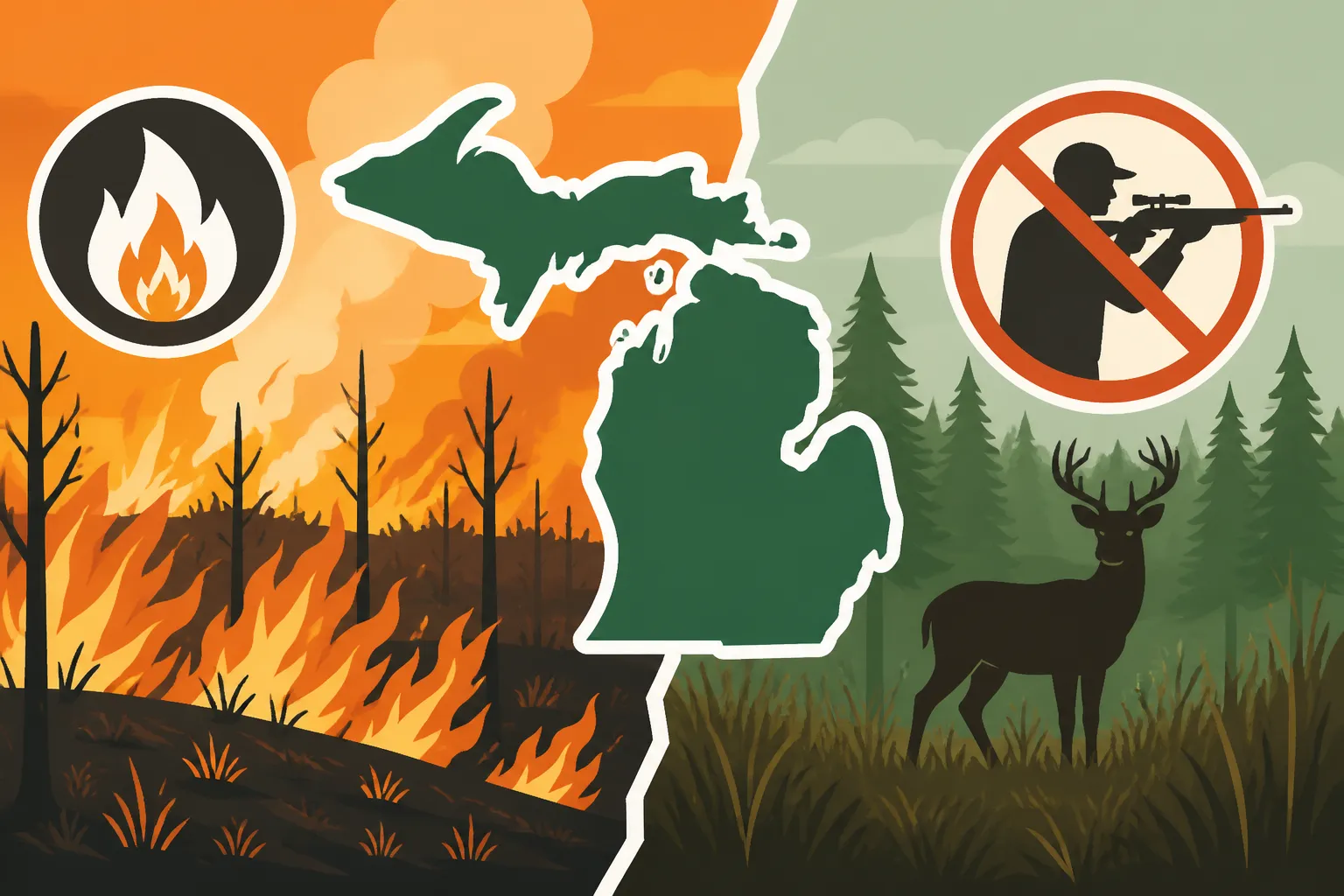
It’s a scenario many of us Michigan hunters have faced: you’ve scouted a prime piece of public land for weeks, maybe even years, identified those key travel corridors, and finally feel dialed in for opening day, only to roll up and find it’s completely scorched or gated off with a "Prescribed Burn in Progress" sign. That feeling of disappointment and confusion is completely valid. Suddenly, your hard work feels wasted, and you’re left wondering what happened and if your favorite spot is ruined forever. This guide is here to shed some light on prescribed burns in Michigan, explain why they’re happening, how they might impact your hunting plans both short-term and long-term, and most importantly, how you can stay informed and adapt to these necessary management practices.
Understanding Prescribed Burns in Michigan's Ecosystems
For many of us, the idea of intentionally setting fire to a forest or field seems counterintuitive, almost destructive. But the truth is, fire has been a natural and vital part of Michigan's diverse landscapes for thousands of years. Early inhabitants of this land understood its power, and now, wildlife managers are bringing controlled fire back as a crucial tool for habitat restoration and forest health. It’s not about wanton destruction, but about carefully planned ecological renewal.
Why Michigan Uses Controlled Burns
Think of a forest like a garden. If you let a garden go, it quickly becomes overgrown with weeds, choking out the plants you want to thrive. The same happens in many Michigan ecosystems. Without natural disturbances like fire, forests can become dense and unhealthy, accumulating excessive fuel on the forest floor in the form of dead leaves, fallen branches, and thick underbrush. This creates a tinderbox, making catastrophic, uncontrolled wildfires a real threat, especially during dry spells.
Prescribed burns are strategically set fires that reduce this fuel load, mimicking the natural fire cycles that many native Michigan plant communities need to flourish. For example, our oak savannas and pine barrens evolved with regular low-intensity fires. These fires help recycle nutrients back into the soil, promote the growth of fire-adapted plants that provide excellent forage for deer and other wildlife, and create critical open spaces. For deer, a burn often means a burst of new, succulent growth – fresh shoots, forbs, and grasses that are highly palatable. For turkeys and grouse, it can mean better brood habitat with more insects and improved visibility to spot predators. It’s a way of hitting the "reset" button for the ecosystem, leading to healthier, more diverse habitats in the long run.
The Different Types of Prescribed Burns
Not all fires are created equal, and neither are prescribed burns. Wildlife and forest managers use different types of burns depending on the specific goals for the habitat. These aren't just random acts; they are precise tools wielded with deep ecological understanding.
You might encounter low-intensity ground fires, which primarily consume leaf litter, small branches, and herbaceous plants on the forest floor. These burns are often used to reduce fuel load and promote native grasses and wildflowers without significantly damaging mature trees. The smoke might be visible, but the flames are usually small and manageable. Then there are understory burns, which aim to reduce competing shrubs and small trees beneath a forest canopy. This can open up the forest, allowing more sunlight to reach the forest floor, which benefits light-loving plants that deer love to browse.
Larger regeneration burns might be used to clear an area completely to allow for the planting of specific tree species, like jack pine for Kirtland's warbler habitat, or to encourage a new flush of aspen, which is critical for grouse and deer. These can look more dramatic and might involve more significant changes to the landscape. The timing of these burns also matters: dormant season burns (winter/early spring) typically remove litter and expose mineral soil, while growing season burns (late spring/summer) can be more effective at suppressing specific invasive plants or stimulating warm-season grasses. Understanding these differences helps you appreciate the nuanced impact each burn has on the land you hunt.
How Prescribed Burns Impact Hunting Opportunities
The immediate impact of a prescribed burn on your hunting plans can feel like a punch to the gut. The area you've been counting on might be temporarily closed, or the habitat might look drastically different. But it's essential to look beyond the initial shock and understand both the short-term disruptions and the significant long-term benefits these practices bring to Michigan's wildlife populations.
Short-Term Disruptions and Closures
The most immediate and obvious impact of a prescribed burn is often the closure of hunting areas. For your safety and the safety of the crews conducting the burn, public access to the burn unit and surrounding areas will be restricted. This means gates might be locked, trails blocked, and signs clearly posted. It's incredibly frustrating to arrive at your favorite hunting spot, after planning and potentially driving a long distance, only to find it inaccessible. Animals will also be displaced during an active burn, moving out of the immediate vicinity to escape the heat and smoke. This can scatter local game populations temporarily, making hunting more challenging in adjacent unburned areas for a short period. However, these closures are temporary, designed to ensure public safety during a hazardous operation.
Here's a quick look at the general impact of different burn types on hunting:
| Burn Type | Primary Purpose | Immediate Hunting Impact | Long-Term Hunting Impact |
|---|---|---|---|
| Low-Intensity Ground | Fuel reduction, nutrient cycling, native plant promo | Temporary closure, animal displacement | Increased forage, improved visibility, healthier habitat |
| Understory | Reduce competing shrubs, open canopy | Temporary closure, animal displacement | Better deer browse, easier still-hunting, improved line of sight |
| Regeneration | Clear for new growth, specific species management | Temporary closure, significant habitat change | Creation of new, diverse habitat zones over time, excellent bedding/browse |
Long-Term Habitat Improvement for Game Species
While the initial sight of a burned-over landscape can be jarring, the long-term benefits for hunting are often substantial. Think of it as a painful but necessary surgery for the land. Within weeks, sometimes even days, after a low-intensity burn, you'll start to see a flush of new, green growth. This is exactly what wildlife managers are aiming for.
For deer, these fresh shoots and forbs are incredibly nutritious and attractive. A burn can create a "salad bar" effect, drawing deer to the area for easy browsing. Over time, the improved understory can lead to thicker, healthier vegetation, providing better cover and food sources. This aligns perfectly with the goals of Habitat Work on Michigan State Forest, where managers are constantly looking for ways to enhance the land for game. In areas that were previously too dense to hunt effectively, a burn might open up the understory, making it easier to see deer and navigate, potentially even revealing new travel corridors that were previously hidden. For shed hunters, a post-burn area, once safe to enter, can actually make finding antlers easier as the leaf litter and brush are removed. Turkeys often find burned areas attractive for bugging, as the fire exposes insects and creates open ground for poults to forage. Grouse, particularly in aspen stands, benefit from the rejuvenation of young aspen sprouts, which are crucial for their diet and cover. The forest responds, and in doing so, it often becomes a more productive and vibrant hunting ground.
Navigating Hunting Closures Due to Burns
Dealing with hunting closures, especially when you've invested time and effort into scouting, can be incredibly frustrating. However, with a little preparation and understanding, you can navigate these situations and even turn them into opportunities. The key is proactive communication and a flexible mindset.
Staying Informed About Burn Plans and Closures
One of the best ways to avoid a disappointing drive to a closed area is to stay informed. The Michigan Department of Natural Resources (DNR) works hard to communicate prescribed burn plans and active closures, but it's on us as hunters to seek out that information. The DNR website is your primary resource, often featuring a "Prescribed Burns" section or alerts. Local DNR field offices are also excellent points of contact; a quick phone call can save you a lot of grief. Additionally, follow the DNR's social media channels, as they often post real-time updates.
It’s crucial to remember that burn plans are highly dependent on weather conditions like wind, humidity, and temperature. What's planned for Tuesday could be pushed back to Friday or even cancelled entirely if conditions aren't right. So, consistent checking closer to your hunting date is a good practice. While mapping apps like onX Hunt or GoHunt are fantastic for identifying land ownership and boundaries, they typically don't show real-time burn closures. However, they are invaluable for identifying state land that might be subject to burns, allowing you to focus your information-gathering. You can also leverage resources like Scouting With Michigan's Mi-HUNT Map to identify public hunting grounds that the DNR actively manages, making them prime candidates for future burn projects. Being aware of these areas in advance helps you anticipate potential closures and diversify your hunting locations.
Safety First: Respecting Closure Perimeters
It might seem obvious, but it bears repeating: safety is paramount. Never, under any circumstances, enter an area that is actively undergoing a prescribed burn or has "Closed" signs posted due to recent burn activity. The dangers are very real and can be deadly. Active burns involve intense heat, smoke that drastically reduces visibility, and the presence of heavy equipment and firefighters. Even after the flames are out, hot spots can persist for days or weeks, posing a re-ignition risk and creating unstable ground where you could step into smoldering embers. Trees, weakened by fire, can fall unexpectedly.
Respecting these closure perimeters isn't just about your safety; it's about respecting the hard work of the professionals managing these critical operations. Ignoring closure signs can lead to fines, jeopardize future public access to these areas, and most importantly, put you or rescue personnel in harm's way. Always assume an area is closed for a good reason and never try to sneak in. Your hunt isn't worth the risk.
Adapting Your Hunting Strategy Post-Burn
Once an area is declared safe and reopened after a prescribed burn, it's time to adapt and explore. Don't assume the spot is "ruined"; instead, approach it with a scouting mindset. The landscape will have changed, creating new opportunities. Deer, for example, might avoid a heavily burned area for a few days due to the smell of smoke or lack of immediate cover, but they will quickly be drawn back by the flush of new, nutrient-rich growth. This new growth will often be concentrated, creating localized food sources that can be extremely attractive.
Walk the burned area and look for new signs. Did the burn open up a dense thicket, creating a new, easier travel corridor? Are there fresh tracks heading into the regenerating areas? How has the edge habitat changed? Sometimes, burns will create clearer sightlines, making still-hunting or setting up a ground blind easier than before. For tips on how to approach these altered landscapes, consider reading Finding Sign in Big Timber. Pay attention to where the burn stopped, as the transition zone between burned and unburned areas can often be a magnet for deer, offering both fresh food and nearby cover. This requires an open mind and a willingness to learn, but it can lead to some incredible hunting experiences on newly revitalized ground.
Benefits for Specific Michigan Game Species
The purpose of prescribed burns isn't just about general forest health; it's often tailored to benefit specific game species by enhancing the critical elements of their habitat: food, cover, and breeding grounds. Michigan's diverse ecosystems support a wide array of wildlife, and controlled fire is a versatile tool in managing for all of them.
Deer and Elk Habitat Enhancement
For Michigan's white-tailed deer and, in specific northern regions, our elk herd, prescribed burns are a significant positive force. Deer are browsers, meaning they prefer to eat the tender shoots, leaves, and twigs of woody plants, as well as various forbs and grasses. Many of these desirable plants thrive in conditions created by fire. A burn clears out old, tough vegetation and leaf litter, allowing sunlight to reach the forest floor and stimulating a rapid flush of fresh, nutrient-rich sprouts. This new growth is exactly what deer crave and need for optimal health and antler development.
In addition to providing more food, burns can also improve the quality of cover. While a heavily burned area might look sparse initially, the subsequent regrowth often includes dense thickets of young shrubs and saplings, providing excellent bedding and escape cover as it matures. Fire can also open up overly dense forest stands, creating edges and diverse structure that White-Tailed Deer Across Michigan prefer for their daily movements. For elk in the northern Lower Peninsula, the benefits are similar, with improved forage in their specific habitat types, helping to support a healthy and robust herd.
Upland Birds: Grouse and Turkeys
Upland bird hunters, particularly those pursuing ruffed grouse and wild turkeys, might initially lament a burn, but these management actions are vital for the long-term health of these populations. Ruffed Grouse and Woodcock in Michigan are classic examples of species that benefit immensely from early successional habitats, which fire helps to create and maintain. Grouse thrive in young, regenerating aspen stands. Prescribed burns can be used to regenerate these aspen clones, providing the dense, young cover grouse need for nesting, brooding, and protection from predators. The fire also clears out competing vegetation, allowing the aspen to grow vigorously.
For Wild Turkeys in Michigan, burns create new opportunities for foraging. Fire exposes insects, which are a critical protein source for turkey poults and adults, especially in the spring and summer. It also helps to maintain open understories that are easier for turkeys to navigate and that foster the growth of seed-producing plants. In areas that become too dense, turkeys struggle to see predators and move freely. A controlled burn can reset this, creating a more suitable habitat for nesting hens and growing broods.
Small Game and Furbearers
The benefits of prescribed burns extend beyond big game and upland birds to many other species, including Michigan Small Game and Hares like rabbits and squirrels, as well as various furbearers. Rabbits and snowshoe hares rely on dense, low-growing cover for protection from predators and as a food source. While a burn might temporarily remove some of this, the subsequent regrowth often creates even better, thicker cover for them within a season or two. This improved habitat leads to healthier small game populations, which in turn can support furbearers like coyotes and foxes.
For species that prey on small game, burns indirectly benefit them by increasing their food supply. The enhanced forage from a burn can lead to a boom in rodent populations, providing an ample food base for predators. It's a chain reaction: healthy habitat from controlled burns supports a robust prey base, which then supports a healthy predator population, contributing to a balanced and diverse ecosystem. It’s a testament to the interconnectedness of nature and how one management tool can ripple through the entire food web.
Staying on top of where and when burns are scheduled, or where they've recently occurred, can give you a significant advantage in figuring out Hunting Pressure on Michigan State Land and where the game might be concentrating. Always check official DNR sources for updates, and consider exploring these revitalized areas once they're safe to enter. The Michigan DNR Hunt Fish App can also be a handy tool for checking local regulations and finding contact information for regional offices if you have specific questions about burn activity in an area you plan to hunt.
Disclaimer
This article is for general informational purposes only and does not constitute professional advice. Laws, prices and regulations vary by location and change over time. Consult a qualified professional for guidance on your specific situation.