Hand Warmers That Last a Full Sit
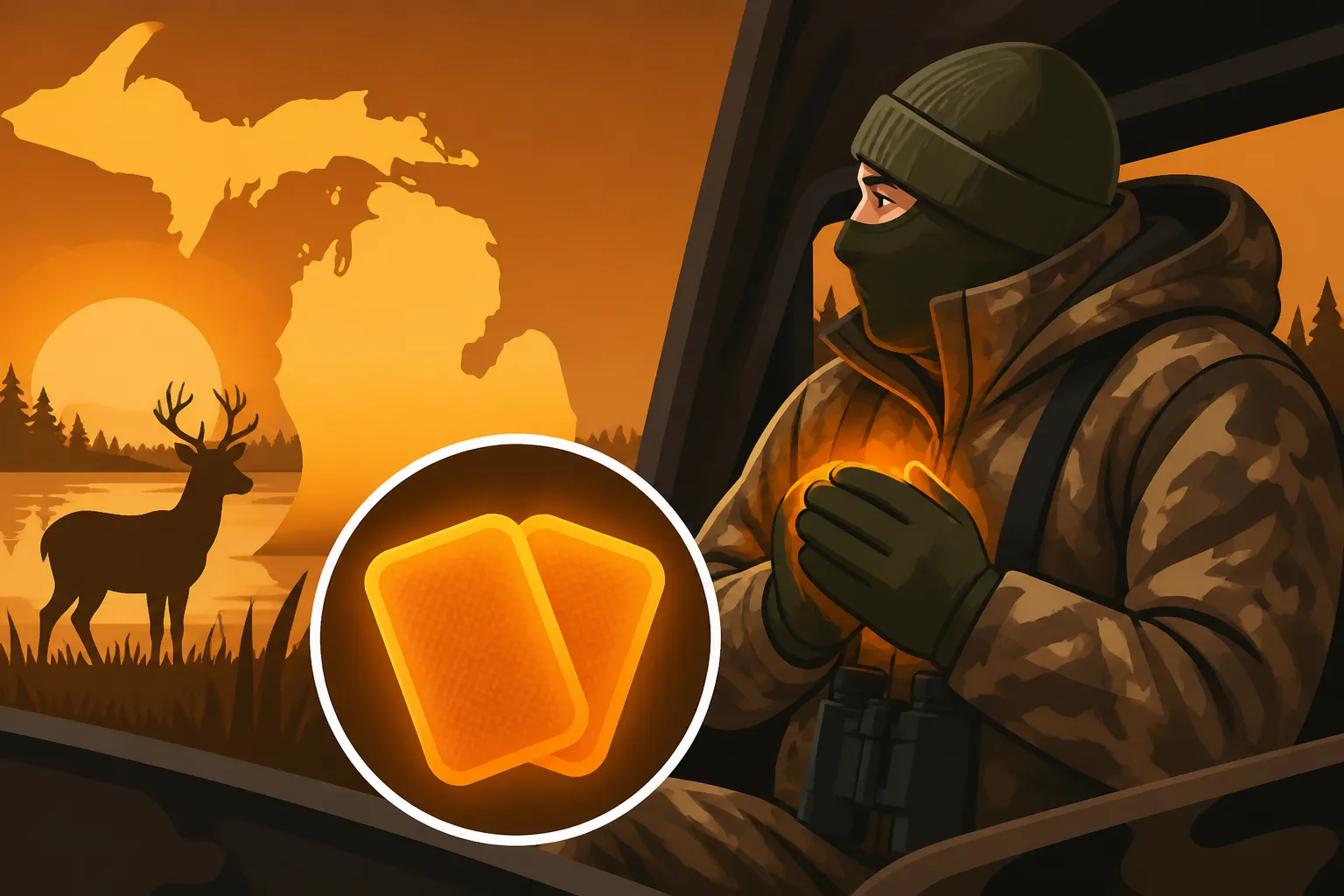
There's nothing quite like the biting cold of a Michigan November morning, especially when you're perched in a treestand, waiting for that deer to appear. Your core might be warm, your feet somewhat toasty, but those fingers? They can turn into numb, useless icicles in what feels like minutes, ruining what could have been a perfect, long sit. This guide is all about tackling that exact frustration, helping you understand the different types of hand warmers available and how to make sure they last through your entire hunting session, keeping your hands functional and comfortable so you can focus on the hunt, not the shivers.
Understanding the Michigan Cold and Your Hands
Before we dive into the gadgets and gizmos, let's talk about why our hands suffer so much out in the Michigan woods. It's not just the ambient air temperature; it's a combination of factors that can make those digits feel like they're about to snap off. When you're sitting still for hours, your body isn't generating much heat, and your extremities are often the first to feel the brunt of it.
The Science Behind Cold Hands
Our bodies are pretty clever at self-preservation. When temperatures drop, your body prioritizes keeping your vital organs warm. This means constricting blood vessels in your hands and feet, diverting warm blood to your core. While it's a brilliant survival mechanism, it's terrible for dexterity and comfort when you need to draw a bow or gently squeeze a trigger. Wind chill, dampness from snow or rain, and even simply holding a cold metal gun can accelerate heat loss from your hands. We've all been there, trying to string an arrow with frozen fingers, or fumbling with a safety because our hands just won't cooperate. It’s a common frustration that can really impact your hunting experience.
Why a Full Sit Matters for Warm Hands
In Michigan, particularly during the firearm season or Hunting Michigan's Late Archery Season, deer often move during those transition times of dawn and dusk. This means committing to a multi-hour sit in your stand or blind, patiently waiting for the action to happen. A hand warmer that fizzles out after two hours just isn't going to cut it when you've got another three hours until prime time, or worse, until you can safely climb down. You need reliable warmth that can truly go the distance, allowing you to stay focused and ready, even if that big buck steps out just before dark. Hunters often utilize every minute of Michigan Firearm Deer Season Dates, and warm hands are essential for the duration.
The Two Main Players: Air-Activated vs. Rechargeable Hand Warmers
When you start looking for hand warmers, you'll primarily find two categories: the traditional air-activated pouches and the newer, often more technologically advanced, rechargeable units. Both have their place in a Michigan hunter's kit, but understanding their pros and cons is key to choosing the right one for your specific needs.
Air-Activated Chemical Hand Warmers
These are the classic, single-use packets that generate heat through an exothermic chemical reaction when exposed to air. They're usually filled with iron powder, activated charcoal, salt, and other ingredients. Once you tear open the package, the iron oxidizes, creating warmth.
- How They Work and Their Appeal: The beauty of air-activated warmers is their simplicity and immediate availability. You just open the packet, give it a shake, and within minutes, you've got a decent source of heat. They're lightweight, relatively inexpensive per unit, and don't require any prior charging. For a hunter who might only need them for a couple of cold mornings or wants a disposable option, they're incredibly convenient. Many hunters stash a few extra in their pack, just in case. You can even stick them inside your boots for extra warmth on those particularly frigid days when you're trying to endure a Cold Weather Sitting Strategy.
- Longevity and Heat Output: Most standard air-activated hand warmers promise 8 to 10 hours of heat, with some "super warmers" claiming up to 18 hours. However, real-world performance can vary. Factors like extreme cold, direct exposure to wind, and how much oxygen they get can impact their actual lifespan. They typically provide a consistent, moderate heat, which is perfect for keeping fingers pliable without being excessively hot. For hunters heading out on a full day's hunt during Michigan's November Firearm Deer Season, finding those longer-lasting packs is crucial.
- Tips for Maximizing Their Life: To get the most out of these, don't open them until you're ready to use them. Once activated, keep them in a confined space, like a hand muff, a deep glove pocket, or even tucked inside your jacket against your torso. Limiting direct exposure to bitter wind can prolong their heat. If they start to cool off, pull them out, give them another good shake to re-expose the contents to oxygen, and then put them back into their insulated spot. If you need to "pause" them for a bit, you can sometimes squeeze out the air and seal them in an airtight plastic bag to slow the reaction, then reactivate later (though this isn't always foolproof).
Rechargeable Electric Hand Warmers
These modern marvels run on batteries, usually lithium-ion, and offer adjustable heat settings. They're reusable, which is a big draw for many hunters looking to reduce waste and save money in the long run.
- Technology and Convenience: Rechargeable hand warmers are essentially portable, miniature heaters. They typically have a small heating element that warms up rapidly, and many come with multiple heat settings, allowing you to customize the warmth level. The convenience of being able to recharge them at home or even in your truck on the way to the hunt is a huge plus. Some even double as power banks, which can be a lifesaver for charging your phone or GPS unit like those from GoHunt, which are essential for navigating Scouting Michigan Public Land Before Season or marking stand locations.
- Battery Life and Heat Output: The biggest variable here is battery life, which directly correlates to the heat setting you choose. On high, many units might only last 3-4 hours, but on a lower, more conservative setting, they can often stretch to 6-8 hours, sometimes more. The key is to manage your power. They tend to get hotter than air-activated warmers, which can be great for quickly thawing frozen fingers but might require you to cycle them on and off to avoid overheating.
- Extending Their Usage: To make a rechargeable warmer last a full sit, think strategically. Don't leave it on max heat constantly. Use the highest setting for quick warm-ups, then drop it to a medium or low setting once your hands are comfortable. Keep it in a hand muff or pocket to retain heat, similar to the air-activated ones. Consider carrying a small portable power bank to recharge your hand warmer during your sit if it starts to run low. Some hunters bring two rechargeable units, alternating their use or keeping one on standby. This strategy is part of a broader Cold Weather Sitting Strategy.
Comparing Hand Warmer Options
Choosing between these two types often comes down to your hunting style, budget, and preference for convenience versus reusability. Here's a quick comparison to help you weigh your options:
| Feature | Air-Activated Hand Warmers | Rechargeable Hand Warmers |
|---|---|---|
| Initial Cost | Very Low (per packet) | Higher |
| Long-Term Cost | Increases with frequent use | Low (after initial purchase) |
| Duration | Typically 8-18 hours (varies) | 3-8+ hours (depends on setting/battery) |
| Heat Control | No control (consistent moderate heat) | Multiple adjustable heat settings |
| Reusability | No (single-use) | Yes (rechargeable) |
| Portability | Very lightweight, small | Heavier, larger (due to battery) |
| Instant Heat | Yes, within minutes of opening | Yes, often very fast |
| Pros | Simple, reliable, lightweight, affordable | Reusable, adjustable heat, often hotter |
| Cons | Disposable, inconsistent duration, no control | Higher upfront cost, battery management required |
Many Michigan hunters keep both types on hand. Air-activated packets are great backups or for specific situations like stuffing into boots, while rechargeable units are fantastic for primary use in a hand muff.
Strategies for All-Day Warmth
Simply having a good hand warmer isn't always enough to ensure your hands stay toasty for a full sit. You need to combine the right gear with smart tactics. Think of it as a holistic approach to conquering the cold, especially when you're committing to a Hunting the Peak Rut Week in Michigan stand.
Layering Your Hands and Protecting Them
Just like layering your clothing for your body, layering your hands is crucial. Start with a thin, moisture-wicking glove liner. This helps pull sweat away from your skin, which can quickly turn cold once you stop moving. Over that, wear a slightly heavier glove or mitt. Mittens are generally warmer than gloves because they keep your fingers together, sharing warmth.
- The Hand Muff Advantage: For stationary hunting, a hand muff is a game-changer. It creates a warm, insulated pocket where you can keep your hand warmer (or two!) and easily slip your hands in and out. This minimizes exposure to the biting Michigan wind and cold. You can often wear light gloves or no gloves at all inside the muff, giving you maximum dexterity when it's time to make a shot. Many muffs come with a belt or strap, allowing you to wear it around your waist, keeping your hands right where you need them.
- Waterproof Outer Layers: Michigan weather can be notoriously fickle, offering everything from crisp dry cold to sleet and wet snow in a single day. Make sure your outer gloves or mittens are waterproof or highly water-resistant. Wet hands lose heat rapidly, even with a hand warmer, so protecting them from moisture is paramount. Good quality gloves are just as important as Insulated Boots for All-Day Sits for overall comfort.
Smart Placement and Usage
Where you put your hand warmer makes a huge difference in how effective it is and how long it feels like it lasts.
- Inside a Hand Muff: As mentioned, this is prime real estate. The insulation of the muff helps trap the heat, making your hand warmer work more efficiently and feel warmer for longer.
- Deep Pockets: If you don't use a muff, a deep, insulated pocket in your jacket or bibs is the next best thing. Again, the goal is to create a small, contained environment for the warmer. Avoid shallow pockets where cold air can easily circulate.
- Near Your Pulse Points: While hand warmers are designed for direct contact with your hands, for a quick boost, some hunters will momentarily place them near major pulse points like their wrists. The idea is to warm the blood flowing to your extremities, though direct contact with fingers is usually more effective for immediate relief.
- Managing Rechargeable Units: With rechargeable warmers, remember to cycle them. Turn them off when you feel adequately warm, and switch them back on when the chill starts to creep back in. This conserves battery life and allows you to stretch that warmth over many hours. Some hunters find it useful to have a timer set to remind them, or just gauge it by feel.
Beyond the Hand Warmer: Holistic Cold-Weather Management
Hand warmers are a critical tool, but they're just one piece of the puzzle. Your overall body warmth significantly impacts how cold your hands feel.
- Core Warmth is King: If your core body temperature drops, your hands will be the first to suffer. Invest in proper Layering for a Michigan Deer Stand – good base layers, insulating mid-layers, and a windproof, waterproof outer shell. Keep your head, neck, and feet warm too. A warm body sends more warm blood to your extremities. For instance, knowing how to dress for Muzzleloader Tactics in December Cold will inherently help keep your hands warmer.
- Staying Dry: Moisture is the enemy of warmth. If you sweat while walking to your stand, try to cool down before you start to sit, removing layers if necessary, and then adding them back once you're settled. Good moisture-wicking base layers are non-negotiable. This isn't just about comfort; it's about safety too, as hypothermia is a real concern in Michigan's colder months.
- Nutrition and Hydration: Believe it or not, what you eat and drink can affect your ability to stay warm. A good, hearty breakfast with some fats and protein provides fuel for your body to generate heat. Staying hydrated is also important for circulation. Avoid excessive caffeine or sugary drinks, which can sometimes lead to a crash and make you feel colder. Carrying a thermos with warm coffee, tea, or broth can also provide internal warmth and a morale boost during a long, cold sit. For a long sit, consider bringing a small, calorie-dense snack in your Packs for a Day on State Land.
By combining reliable, long-lasting hand warmers with smart layering, proper placement, and an overall strategy for managing the cold, you can significantly improve your comfort and focus during those extended waits in the Michigan woods. Don't let cold hands ruin your next hunting adventure!
Disclaimer
This article is for general informational purposes only and does not constitute professional advice. Laws, prices and regulations vary by location and change over time. Consult a qualified professional for guidance on your specific situation.