Pere Marquette State Forest Hunting
It can be incredibly frustrating trying to pinpoint specific, productive public hunting lands in Michigan, especially when you're looking beyond the often-talked-about State Game Areas or vast Upper Peninsula forests. Many hunters drive past great opportunities without even realizing it, and Pere Marquette State Forest is one of those places that, while not always front and center in hunting discussions, offers a unique and challenging experience. This guide is here to walk you through what to expect when hunting Pere Marquette State Forest, from the types of game you'll find to practical tips for navigating its diverse terrain and making your hunt a success.
Understanding the Landscape of Pere Marquette State Forest
Pere Marquette State Forest, nestled primarily in Lake, Mason, and Oceana counties, isn't always the first name that pops up when hunters think of Michigan's prime big woods. But let me tell you, it's a hidden gem for those willing to put in the work. This forest offers a diverse blend of habitat types that can really challenge a hunter, but also reward them handsomely. We're talking about a mix of northern hardwoods, sprawling pine plantations, dense cedar swamps, and the ever-present transition zones where these habitats meet. The Pere Marquette River itself, a designated National Scenic River, winds through portions of the forest, creating riparian corridors that can be deer magnets, especially during the rut.
This isn't your open, easily glassed farm country. Pere Marquette is thick, it's often hilly in spots, and it demands a hunter who's ready to put miles on their boots. It truly embodies the spirit of Hunting the Northern Lower Peninsula, offering a classic Michigan hunting experience with plenty of public land to explore. You'll find areas that are relatively dry and walkable, and then you'll quickly stumble into pockets of thick, wet cover that bucks love to call home.
Key Habitat Types and Their Appeal
The variety in Pere Marquette is what makes it so interesting. You've got mature oak and maple stands providing mast crops, especially important in years of acorn abundance, which can draw deer in from miles around. Then there are the extensive red pine and jack pine plantations. These can be incredibly thick, almost impenetrable in places, offering thermal cover in winter and secure bedding for deer year-round. Don't overlook these; while tough to navigate, they often hold the oldest, biggest bucks.
Mixed in with these are pockets of aspen stands, which are crucial for grouse and woodcock, and provide excellent browse for deer. And of course, the cedar swamps. Michigan cedar swamps are legendary for holding deer, especially during harsh winters, and these low, wet areas along river bottoms or in depressions can be incredibly productive if you learn to read them. Access might be challenging, but the rewards are often worth the effort. Think about how deer will utilize these different covers for bedding, feeding, and travel, and you'll start to unlock the forest's secrets.
Public Access and Forest Management
Like all Michigan State Forests, Pere Marquette is managed by the DNR, meaning it's generally open to public hunting. The sheer acreage here means you can often find solitude, particularly if you're willing to walk a bit further than the average hunter. Forest management practices, like timber harvests and prescribed burns, constantly shape the landscape, creating new growth and edge habitat that benefits wildlife. It's always a good idea to check the latest forest management plans or look for recent clear-cuts, as these can create prime browse and bedding areas for deer a few years after the cut.
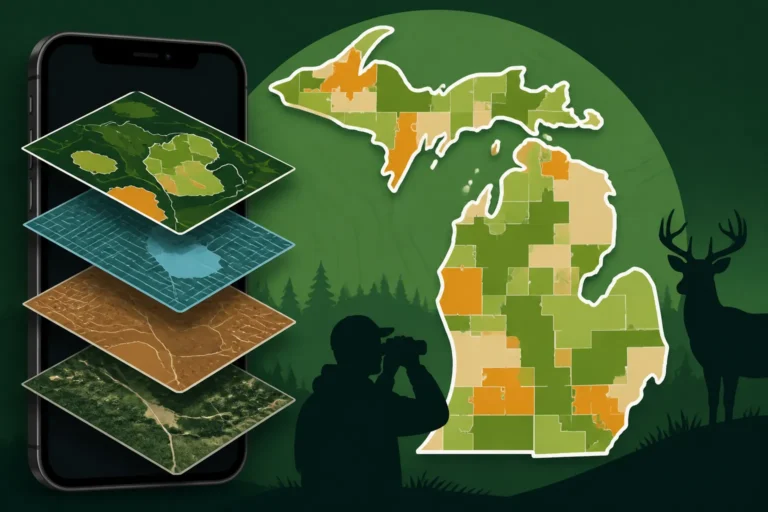
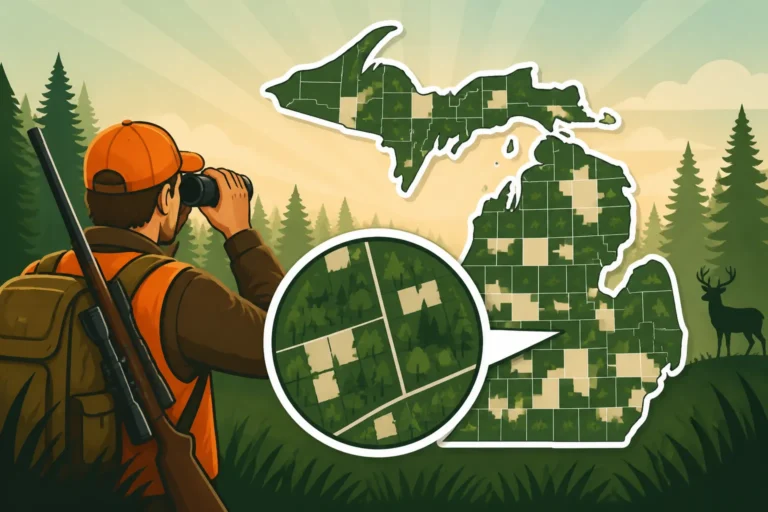
One of the best tools for understanding public access and identifying these habitat changes is the Mi-HUNT map, or a robust mapping app like onX Hunt. These resources allow you to overlay land ownership, view recent timber harvests, and even identify subtle topographical features that can create natural funnels or bedding areas. Knowing where you stand, literally, on Michigan State Forest Hunting land is half the battle.
Deer Hunting Strategies in Pere Marquette State Forest
Deer hunting in Pere Marquette State Forest requires a slightly different approach than hunting agricultural areas or smaller woodlots. This is big woods hunting, even if it's in the Lower Peninsula, and it demands patience, keen observation, and a willingness to adapt. The deer here aren't typically as numerous as in southern Michigan's farm country, but the bucks often have to be smarter and tougher to survive, leading to some impressive animals.
Finding Deer in Diverse Cover
The key to success here often lies in identifying the transition zones – where hardwoods meet pines, or where a ridge drops into a cedar swamp. These "edges" are natural travel corridors and provide varied food and cover options. Deer will use the dense pines for bedding during the day, then filter out into the hardwoods to feed on acorns or browse, especially during the early morning and late afternoon.
When scouting or hunting, pay close attention to subtle terrain features. Even a slight rise in elevation within a swamp can offer a dry bedding spot, and deer will use it. Look for saddles between ridges, creek bottoms, and old logging trails that provide easy travel routes. Apps like onX Hunt can be incredibly helpful here, allowing you to scout from home and identify these features before you even step foot in the woods. You might also want to consult resources on Reading Aerial Photos for Swamp Deer if you encounter significant low-lying areas.
Stand Placement and Still-Hunting
Given the varied terrain and cover, both treestand hunting and still-hunting can be effective. For treestand hunters, focus on pinch points created by changes in elevation, converging cover types, or bottlenecks along river bends. Setting up on the edge of a pine plantation overlooking a hardwood ridge can be a killer spot, especially if you identify a well-used trail. Remember that Treestand Setups in Michigan Hardwoods often benefit from careful consideration of prevailing winds and deer travel patterns.
Still-hunting, slowly moving through the woods, can be particularly effective in the thicker pine plantations or even in the more open hardwoods after a fresh snow. The dense cover allows you to move quietly and carefully, pausing frequently to scan for deer. This method works well when deer are bedded, allowing you to intercept them before they know you're there. Pay attention to the wind and thermals, which can be tricky in hilly terrain. If you're considering Still-Hunting Michigan Cedar Swamps, be prepared for difficult going but potentially big rewards.
| Deer Movement Factor | Description in Pere Marquette | Hunting Strategy Implications |
|---|---|---|
| Habitat Edges | Where pines meet hardwoods, or swamps meet uplands. | Key travel corridors. Focus stand placement here. |
| Food Sources | Acorns, soft mast, browse in clear-cuts. | Deer will concentrate when food is abundant. Scout for feeding areas. |
| Bedding Areas | Dense pine plantations, thick cedar swamps, south-facing slopes. | Approach these areas carefully, or use still-hunting. |
| Water Sources | Pere Marquette River, small creeks, low wet areas. | Deer will use these frequently, especially during dry spells. |
| Topography | Ridges, valleys, saddles, creek bottoms. | Natural funnels and travel routes. Identify with mapping tools. |
Beyond Deer: Small Game and Other Opportunities
While deer hunting often takes center stage, Pere Marquette State Forest offers fantastic opportunities for small game and other species. This diversity makes it a year-round destination for the avid outdoors person. If the deer aren't moving, or if you're looking for a different challenge, there's plenty more to explore.
Grouse and Woodcock Hunting
The mix of young aspen stands, regenerating clear-cuts, and alder bottoms makes Pere Marquette prime habitat for both ruffed grouse and American woodcock. These areas are constantly being managed, creating that crucial early successional habitat that these birds thrive in. After a few years, a clear-cut will grow up into dense cover, providing food and protection. These are often excellent spots for Grouse Hunting Michigan Aspen Cover.
If you're out chasing grouse, keep an eye out for woodcock too, especially during their fall migration. Woodcock prefer moist, young forested areas, particularly alder runs along creeks and river systems. Hunting these two species together in areas where their habitats overlap can be incredibly productive, and a good bird dog can be a huge asset in such dense cover. Even without a dog, a slow, methodical approach through good cover can flush birds.
Squirrel Hunting and Other Small Game
For those who enjoy a more relaxed hunt, or are introducing a new hunter to the sport, squirrel hunting in Pere Marquette's hardwood sections can be excellent. The mature oak and beech trees provide abundant mast, attracting both fox and gray squirrels. A quiet morning sit, or a slow stalk through the timber, can yield a tasty meal. Focus on areas with a high concentration of nut-bearing trees, looking for cuttings on the forest floor, which indicate active feeding. Squirrel Hunting Michigan Hardwoods is a timeless tradition, and this forest delivers.
Rabbit hunting, particularly for cottontails, can also be good in areas with thick brush, briar patches, and regenerating timber. Snowshoe hares might be found in the northernmost parts of the forest, favoring dense conifer swamps and thickets. The key is finding those dense, escape-cover areas where rabbits feel safe.
Predator and Furbearer Hunting
If you're interested in predator hunting, coyotes are present throughout the forest. Their populations tend to track deer numbers and small game availability. Calling coyotes, especially during the colder months when food sources are scarcer, can be an exciting challenge. Other furbearers like bobcats, fox, and raccoon are also found here, offering additional hunting and trapping opportunities for those with the proper licenses and knowledge. Always check the Michigan DNR regulations for specific seasons and requirements for these species.
Practical Tips for Hunting Pere Marquette State Forest
Hunting in a large state forest like Pere Marquette requires a bit more planning and self-reliance than hunting smaller, more manicured properties. Being prepared can make the difference between a frustrating trip and a successful, enjoyable one.
Navigating the Terrain
The sheer size of Pere Marquette means it's easy to get turned around, especially when you're deep in a pine plantation or a winding swamp. Reliable navigation is non-negotiable. A GPS unit or a smartphone app like onX Hunt or GoHunt with downloaded maps is essential. Don't rely solely on cell service, as coverage can be spotty in remote areas. Mark your truck, your stand locations, and any significant landmarks. Learning Using the Michigan Mi-HUNT Map effectively will give you a huge advantage.
Old logging roads and two-tracks crisscross much of the forest, providing good access points, but also potential entry routes for other hunters. Be prepared to walk. The further you get from main roads, the less pressure you're likely to encounter. Pay attention to contour lines on your map – what looks flat on the ground can hide subtle elevation changes that funnel deer.
Scouting Before the Season
Pre-season scouting is paramount, particularly for deer. Pere Marquette is a dynamic environment, with timber cuts and natural events constantly altering the landscape. Spend time walking the woods, looking for deer sign – rubs, scrapes, tracks, and bedding areas. Identify key food sources for the upcoming season, whether it's acorns, soft mast, or recent clear-cuts.
Even a day or two of scouting can dramatically improve your odds. Look for bottlenecks where deer are forced to travel, or secluded pockets of cover that offer security. Observing game trails and understanding how deer move between bedding and feeding areas will be invaluable. Scouting Michigan Public Land Before Season isn't just a suggestion here, it's a necessity.
Essential Gear for the Conditions
Pere Marquette can be challenging terrain, and your gear needs to be up to the task. Durable, waterproof boots are critical, especially if you plan on exploring any of the cedar swamps or low-lying areas. Good quality rain gear is also a must; Michigan weather is unpredictable. Layers are key for staying comfortable in fluctuating temperatures, particularly during the fall.
Consider a good quality backpack that can comfortably carry your essentials, including water, snacks, a first-aid kit, and a way to field dress and transport game. For deer hunters, a dragging sled or a deer cart can be invaluable for getting a deer out of remote areas, especially if you're hunting alone. For upland hunters, a sturdy upland vest with plenty of game and shell storage is ideal. Refer to Boots and Packs for Michigan Swamps for more specialized advice.
Respecting the Resource and Other Users
As with any public land, respect for the resource and other users is vital. Practice Leave No Trace principles, pack out everything you pack in, and leave the forest cleaner than you found it. Be mindful of property boundaries, even on public land, and always know your safety zones around dwellings and structures. Sharing the woods responsibly ensures everyone can enjoy the bounty of Pere Marquette State Forest for years to come.
Disclaimer
This article is for general informational purposes only and does not constitute professional advice. Laws, prices and regulations vary by location and change over time. Consult a qualified professional for guidance on your specific situation.