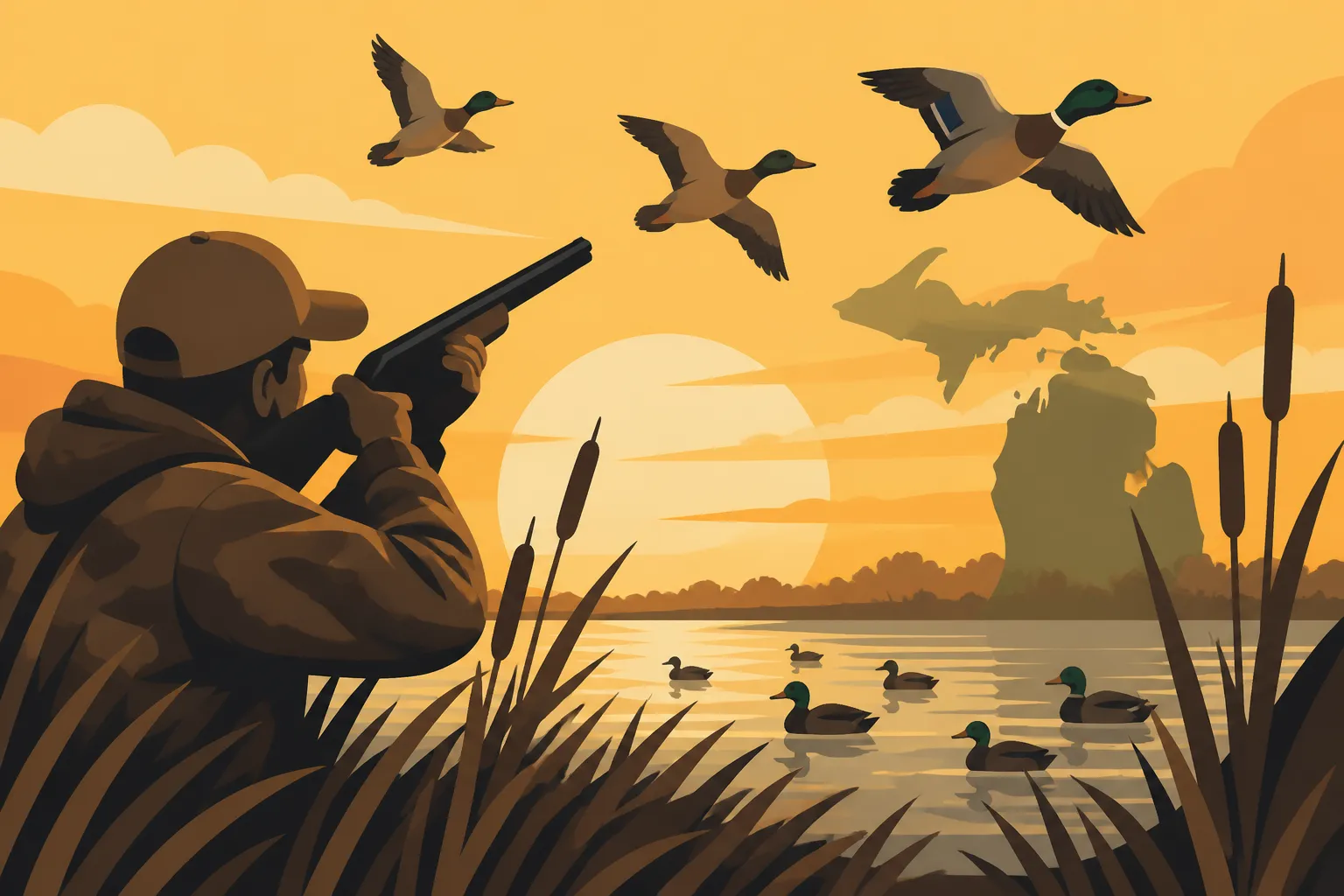
Pointe Mouillee Managed Waterfowl Hunts
For many Michigan waterfowl hunters, the thought of securing a prime spot on a managed area like Pointe Mouillee can feel like winning the lottery. The crowds, the complex draw systems, and the sheer competition often deter even seasoned hunters, leaving them frustrated and wondering if it's even worth the effort. This guide aims to demystify the Pointe Mouillee managed waterfowl hunts, walking you through the application process, what to expect on hunt day, and strategies to increase your chances of a successful and rewarding experience in this iconic marshland.
Understanding the Managed Hunt System at Pointe Mouillee
Pointe Mouillee State Game Area, situated where the Huron River meets Lake Erie, is one of Michigan's premier waterfowl destinations. Its vast marshes and proximity to major migration routes make it a magnet for ducks and geese. However, with popularity comes the need for careful management, which is why the Michigan Department of Natural Resources (DNR) operates a managed hunt system here. This system, while sometimes daunting, is designed to distribute hunting pressure, enhance hunter safety, and maintain a quality experience. It's not just a free-for-all, and understanding the rules is your first step to success.
The Pre-Season Application and Drawing
Before the season even kicks off, many hunters try their luck in the pre-season application period. This is where you apply for specific hunt dates and managed hunt units across the state, including Pointe Mouillee. It’s a lottery system, pure and simple. You pay a small application fee, select your preferred dates, and then cross your fingers. The odds can be tough, especially for prime early-season dates, but a successful draw guarantees you a spot on a particular day. If you get drawn, you'll receive a notification, usually by mail or email, with instructions on what to do next. This early success removes a lot of the daily stress associated with showing up for a blind draw, and it allows you to plan your hunt meticulously, perhaps even scouting the area beforehand using tools like onX Hunt to identify potential entry routes or hidden pockets.
The Daily Draw: A Test of Patience and Persistence
Even if you miss out on the pre-season draw, all hope is not lost. Pointe Mouillee holds daily drawings for remaining open hunt positions. This is where the true grit of many waterfowlers is tested. You'll need to arrive well before legal shooting hours, often in the wee hours of the morning, to register for the draw. The atmosphere at the check station can be a mix of hopeful anticipation and sleepy camaraderie. Numbers are drawn, and those lucky enough to have their numbers called get to pick their hunt unit, or "peg," from the available options. The later your number is called, the fewer choices you'll have. This can lead to some tense moments as hunters eagerly eye the diminishing list of prime locations. It's a system that truly favors persistence and an early alarm clock. Michigan Managed Waterfowl Area Draws covers more about how these systems generally operate across the state.
Preparing for a Pointe Mouillee Waterfowl Hunt
Successfully navigating a managed hunt at Pointe Mouillee requires more than just a hunting license; it demands preparation, the right gear, and a realistic understanding of the environment you'll be entering. This isn't your average farm pond hunt, and cutting corners here can lead to a long, cold, and unproductive day.
Essential Gear and Clothing Considerations
The weather on Lake Erie's shoreline can be notoriously fickle, shifting from calm and mild to blustery and bitter in a matter of hours. Layering is paramount. Start with good base layers, add insulating mid-layers, and top it off with waterproof and windproof outerwear. Trust me, you'd rather be able to shed layers than shiver all day. Footwear is another critical component. You'll likely be wading in varying depths of water and mud, so knee boots or chest waders are essential. Make sure they fit well and are comfortable for walking, as some of the walk-in units can be quite a hike. For your gun, ensure it's sighted in and you have ample non-toxic shot, which is a requirement in all managed waterfowl areas. Waterfowl Loads for Michigan Divers provides more detail on ammunition. Don't forget your federal duck stamp and HIP certification!
| Item Category | Essential Items | Notes |
|---|---|---|
| Clothing | Layered System (base, mid, outer), Waterproof/Windproof Outerwear, Warm Hat, Gloves | Prioritize warmth, dryness, and silent movement. |
| Footwear | Chest Waders or Knee Boots | Must be comfortable for walking and wading in mud/water. |
| Firearms/Ammo | Shotgun, Non-toxic Shot (steel, bismuth, tungsten), Gun Case | Ensure proper gauge and load for waterfowl. Non-toxic shot is mandatory. |
| Decoys/Calls | Decoys (floating, full-body), Decoy Bag, Duck Calls, Goose Calls | Match decoy spread to species, time of year, and hunting unit. |
| Safety/Comfort | PFD (Personal Flotation Device), Headlamp, First-Aid Kit, Thermos with Hot Beverage | Safety first, especially if using a boat or in deep water. |
| Navigation/Misc. | Maps (onX Hunt), Compass, Binoculars, Game Strap, Cooler, Dog (if applicable) | Know your unit boundaries. onX Hunt is great for detailed maps. |
| Documentation | Michigan Hunting License, State Waterfowl License, Federal Duck Stamp, HIP Certification | All required to legally hunt waterfowl. |
Scouting and Day-of Logistics
While you can't typically scout inside the hunt units before the season or your specific hunt day, you can get a good lay of the land using aerial maps like those found on onX Hunt. Look for water depths, open pockets, potential travel corridors, and access points. Understanding the overall layout of Pointe Mouillee, including its various pools and open water areas, will help you make better decisions if your number is called during the daily draw. On the day of the hunt, arrive early. And when I say early, I mean early. The daily draw check-in process takes time, and you'll want to be among the first to register to increase your chances of a better draw number. Once you have your peg assignment, allow ample time to get to your spot, set up your decoys, and get situated before legal shooting hours. Scouting Michigan Public Land Before Season offers general advice that can apply to managed areas as well.
Tactics and Strategies for Success at Pointe Mouillee
Once you've secured your spot and battled the morning rush, the real work (and fun!) begins. Pointe Mouillee presents unique challenges and opportunities, and a thoughtful approach to your spread, calling, and concealment can make all the difference.
Decoy Spreads and Calling
The type of decoy spread you deploy will depend heavily on your assigned unit, the time of year, and the prevailing conditions. Are you in a shallow marsh unit or a deeper water area? Early in the season, a smaller, more natural spread might be effective for local birds. As migration progresses, increasing the number of decoys and including a mix of puddle ducks (mallards, pintails) and diver ducks (redheads, bluebills) can be beneficial. Consider motion decoys, like spinning wing or jerk strings, to add realism, but be aware of any local rules that might restrict their use on certain managed areas. Calling is an art, not a science, and less can often be more. Learn to read the birds. Aggressive calling might work on unpressured birds, but heavily hunted ducks and geese often respond better to softer, more subtle quacks and clucks. Decoy Spreads for Great Lakes Divers explores different strategies for different ducks.
Concealment and Retriever Use
Pointe Mouillee's marsh environment offers both challenges and advantages for concealment. Many units have natural cattails or phragmites that can be used to break up your outline. Portable blinds are common, but ensure they are well-brushed in with natural vegetation from the area. This isn't the time to stick out like a sore thumb. Remember, ducks and geese have incredible eyesight. Pay attention to the sun's position and try to position your blind or yourself so that you're not silhouetted. If you hunt with a dog, ensure they are well-trained and can remain still and quiet in the blind. A good retriever is invaluable, especially in the thick cover and deep water often found at Pointe Mouillee. However, even the best dog won't help if you're not hidden properly.
Adapting to Conditions and Pressure
Managed areas like Pointe Mouillee can experience significant hunting pressure, especially on weekends and prime migration days. This means birds can become "educated" quickly. Be prepared to adapt your tactics. If birds are flaring from your large spread, try scaling it back. If they're shying away from aggressive calling, go silent. Sometimes, simply sitting still and letting the birds come to you is the best strategy. Wind conditions will dictate how birds approach and land, so pay attention to wind direction and adjust your decoy spread accordingly, leaving a landing zone into the wind. Hunting early in the season might mean more local birds, while late season could bring in migrating giants. Always be ready to change your game plan based on what the birds are telling you. Consider the advice in Hunting a Marsh After the Morning Draw for late-morning adjustments.
Important Rules and Considerations for Pointe Mouillee
Beyond the general Michigan hunting regulations, managed waterfowl areas often have specific rules designed to maintain safety and preserve the quality of the hunting experience. Ignoring these can lead to fines, loss of hunting privileges, and a generally unpleasant encounter with conservation officers.
Managed Area Regulations and Safety
Always check the most current Michigan Waterfowl Hunting Guide for specific rules pertaining to Pointe Mouillee. These rules can cover everything from legal shooting hours, the number of shells you can possess, and restrictions on certain types of decoys or calls. Safety is paramount, especially when hunting with others in close proximity. Always know where your hunting partners are and ensure your shot is directed safely over the decoys and away from other hunters. Wear your Personal Flotation Device (PFD) if you're in a boat or wading in deeper areas. Alcohol and hunting don't mix, and it's particularly dangerous in a cold, wet environment like a marsh. Familiarize yourself with all the signage and boundary markers for your assigned unit. Michigan Safety Zone Rules are particularly important to review to understand safe distances from occupied dwellings or structures.
Reporting Your Harvest and Carcass Transport
After a successful hunt, you'll need to report your harvest at the check station. This is a crucial step for data collection that helps the DNR manage waterfowl populations. Be honest and accurate with your harvest numbers and species identification. There are strict rules regarding Michigan Carcass Transport Restrictions, especially concerning Chronic Wasting Disease (CWD) if you've been hunting deer in affected zones. While waterfowl aren't typically associated with CWD, it's a good habit to understand all transport restrictions for any game you harvest. Always ensure your tags are properly validated and securely attached to your birds if required, according to the latest regulations.
Environmental Stewardship and Leaving No Trace
Managed waterfowl areas are vital habitats for countless species beyond just ducks and geese. As hunters, we have a responsibility to be good stewards of these lands. Pack out everything you pack in – and then some. This includes spent shell casings, food wrappers, and any broken decoy lines. Leave your assigned hunting unit cleaner than you found it. Avoid disturbing non-game wildlife unnecessarily. These small actions contribute significantly to the long-term health of the marsh and ensure these valuable hunting opportunities continue for generations to come. Respecting the land and its resources is a cornerstone of our hunting heritage. Michigan Duck Season Dates by Zone also provides a broader context for waterfowl seasons across the state.
Disclaimer
This article is for general informational purposes only and does not constitute professional advice. Laws, prices and regulations vary by location and change over time. Consult a qualified professional for guidance on your specific situation.