Escanaba River State Forest Access
For many Michigan hunters, the vastness of the Upper Peninsula is both its biggest draw and its greatest challenge. Finding accessible public land that isn't already teeming with other hunters can feel like searching for a needle in a colossal haystack. This guide is here to unravel the secrets of the Escanaba River State Forest, a true gem in the U.P. that offers incredible hunting opportunities, providing you with the knowledge to access its sprawling timber and find those elusive game animals.
Unveiling the Escanaba River State Forest: A Hunter's Gem
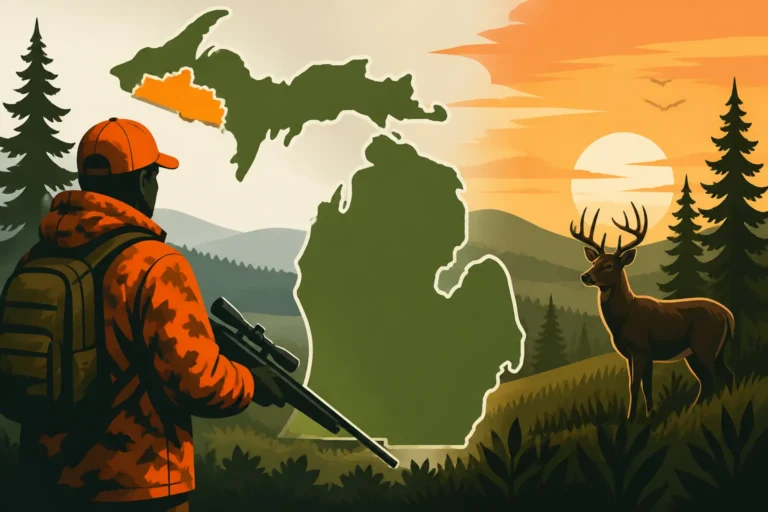
The Escanaba River State Forest, often just referred to as the "Escanaba Forest" by locals, is a sprawling expanse of state-managed land nestled in the heart of Michigan's Upper Peninsula. It covers significant portions of Marquette, Delta, and Menominee counties, acting as a vital artery of wild habitat. This isn't just a few scattered parcels; we're talking about hundreds of thousands of acres of contiguous forest, making it one of the largest state forests in Michigan. It's a truly wild area, characterized by dense timber, winding rivers, numerous lakes, and a rugged topography that offers a stark contrast to the more agricultural landscapes of the Lower Peninsula.
The forest's namesake, the Escanaba River, snakes its way through this wilderness, providing crucial water sources and creating diverse riparian habitats that are magnets for wildlife. This extensive river system, along with its tributaries, carves valleys and defines much of the terrain, making for some unique hunting scenarios. You'll find everything from towering hardwood ridges to thick cedar swamps and vast tracts of pine and aspen, each ecosystem supporting a different array of game animals and requiring distinct hunting strategies.
For a hunter looking to escape the crowds and immerse themselves in a truly wild Michigan experience, the Escanaba River State Forest is an exceptional destination. It embodies the "big woods" hunting experience that many dream of, with its remoteness often rewarding those willing to put in the effort to get off the beaten path. It's an area where true scouting and a willingness to walk will often pay dividends, offering a profound sense of solitude and connection with the natural world that can be hard to find elsewhere.
Geographic Footprint and Core Features
Geographically, the Escanaba River State Forest is primarily located in the central Upper Peninsula. Its boundaries aren't always neat and tidy, often interlocking with parcels of private land, which can be a bit confusing if you're not prepared. Understanding its general location – straddling important counties like Marquette, Delta, and Menominee – helps frame its ecological diversity. The northern reaches tend towards more rugged, rocky terrain characteristic of Marquette County, while the southern portions, particularly in Delta and Menominee, might transition into flatter, more swampy areas with rich lowlands.
The defining feature, of course, is the Escanaba River itself, a significant waterway that profoundly influences the forest's character. The river and its many smaller feeder creeks create a mosaic of wetlands, alder thickets, and mature timber along its banks, providing critical cover and food for deer, bear, and a host of other wildlife. Beyond the river, the forest is a patchwork of different timber types, largely due to active forest management and historical logging practices. You'll encounter vast areas of aspen regeneration – prime grouse and woodcock cover – alongside mature northern hardwoods, hemlock stands, and extensive pine plantations. This variety means that a keen hunter can find habitat for nearly any U.P. game species they're pursuing.
Hunting Opportunities in Escanaba River State Forest
The sheer size and diversity of habitat within the Escanaba River State Forest mean it supports a robust population of many popular Michigan game species. This isn't a place known for high deer densities like some southern Michigan farm country, but it offers quality opportunities for those who appreciate the challenge of big woods hunting. The animals here are often tougher, warier, and more accustomed to navigating vast, unpressured areas, making a successful harvest feel incredibly earned.
Whether you're after a mature whitetail buck, a bruin, or a limit of upland birds, this forest has the potential to deliver. It demands a different approach than hunting smaller, more fragmented parcels, often requiring more extensive scouting and a willingness to cover a lot of ground. But for those who embrace the U.P. hunting spirit, the rewards can be truly memorable.
Deer Hunting: Whitetails of the Big Woods
Deer hunting is, for many, the primary draw to the Escanaba River State Forest. These are classic "big woods" whitetails – smart, tough, and often widely dispersed. The population here is influenced heavily by severe winters, but overall, it remains a strong draw for hunters seeking a challenge. You won't find the sheer numbers you might see in agricultural regions, but the opportunity to harvest an old, wise buck that has survived multiple seasons in this rugged environment is a powerful motivator. The deer here use the varied cover to their advantage, often bedding in dense cedar swamps during the day or retreating to thick conifer stands when pressure is high. You'll need to learn how to read the landscape, focusing on pinch points, funnels, and natural travel corridors that connect bedding and feeding areas.
Hunting tactics often involve still-hunting slowly through mature timber, covering ground quietly, or setting up on traditional deer runs that connect various types of cover. Look for signs like rubs and scrapes along old logging roads or near swamp edges. During the late season, deer will yard up in the dense cedar swamps to escape deep snow and cold temperatures. Knowing how to locate these yarding areas can be key to success when Hunting Deer in Deep Upper Peninsula Snow. Remember, success often comes down to persistence and an intimate knowledge of the specific area you're hunting. For a deeper dive into hunting these areas, check out Hunting the Michigan Upper Peninsula for Deer.
Bear, Small Game, and Upland Bird Prospects
Beyond deer, the Escanaba River State Forest offers fantastic opportunities for a variety of other game. Black bears are prevalent throughout the U.P., and this forest is no exception. Many hunters apply for bear tags in the specific bear management units that overlap with the Escanaba Forest. Baiting is a common method for bear hunting here, allowing hunters to pattern a bear's movements, but spot-and-stalk opportunities can also arise, particularly in more open timber or near natural food sources like berry patches. Understanding bear behavior and habitat is crucial for a successful Michigan Black Bear Hunting experience in such a vast landscape.
For upland bird enthusiasts, the Escanaba Forest is a true paradise. Ruffed grouse thrive in the aspen and mixed conifer stands, especially in regenerating clearcuts. You'll often find drumming logs and active feeding areas where grouse are concentrated. Woodcock, on the other hand, favor the moist, brushy cover found along creek bottoms and in alder thickets, particularly during their fall migration. Hunting both species often means covering a lot of ground, either with a good bird dog or by slowly still-hunting through prime cover. Ruffed Grouse and Woodcock in Michigan are a staple here, and the sound of a flushing grouse is a quintessential U.P. experience.
Small game like snowshoe hare and squirrels are also abundant. Snowshoe hares are found in the thick conifer and swampy areas, offering challenging hunting, especially after a fresh snow. Squirrels, particularly fox and gray squirrels, can be found in the hardwood ridges where acorns and other mast crops are present. Predator hunting, especially for coyotes, is another popular pursuit, with the vastness of the forest providing ample opportunities for calling setups.
Navigating and Accessing the Escanaba River State Forest
Accessing a forest as large and wild as the Escanaba River State Forest can feel daunting at first, but with the right tools and a little preparation, it becomes much more manageable. The primary challenge isn't necessarily finding an entry point, but rather understanding the complex network of roads and distinguishing public land from private parcels. This is where modern technology really shines, helping you make the most of your time in the woods.
The forest is crisscrossed by a mix of county-maintained roads, state forest roads (often gravel or dirt), and countless two-tracks and logging trails. While the main routes are typically passable, many of the deeper two-tracks can become extremely muddy, rutted, or impassable, especially during wet seasons or after heavy snows. Always be prepared for rough conditions and consider a capable vehicle, such as a truck or SUV with good ground clearance, especially if you plan to explore beyond the main arteries.
Mapping Tools for the Modern Hunter
Gone are the days when a folded paper map was your only guide (though a good paper map is still an excellent backup!). Today, digital mapping applications are indispensable for hunting the Escanaba River State Forest. Tools like onX Hunt have revolutionized how hunters navigate public land. With onX Hunt, you can instantly see property lines, clearly identifying state forest land from private holdings, which is crucial in areas where boundaries can be unclear on the ground. You can also download offline maps, a lifesaver in the U.P. where cell service is often spotty or non-existent. These apps display every two-track, creek, and topographic feature, allowing you to plan your routes, mark potential hunting spots, and navigate with confidence, even in the deepest timber.
Another excellent resource is the Mi-HUNT map, provided by the Michigan Department of Natural Resources (DNR). This web-based tool provides detailed information about public lands across Michigan, including specific regulations, habitat types, and access points within state forests and game areas. While it might not offer the same level of granular detail for individual two-tracks as a dedicated hunting app, it's invaluable for initial planning and understanding the bigger picture. When you're Using the Michigan Mi-HUNT Map, combine it with a robust app like onX Hunt for the ultimate navigation strategy. Knowing your exact location relative to property lines helps avoid accidental trespassing and ensures you stay legal and ethical while hunting.
Vehicle Access and Seasonal Considerations
The vast majority of the Escanaba River State Forest is accessible via a network of roads and trails. Major state highways like M-35 and U.S. 41 run near or through parts of the forest, providing main arteries. From these, numerous gravel and dirt forest roads branch off, leading deeper into the timber. However, it's those smaller, less-maintained two-tracks that often lead to the best, least-pressured hunting spots. Just be aware that vehicle use on these trails can be restricted, especially during certain times of the year, or they may simply be impassable due to conditions. Pay attention to signage regarding vehicle access and ORV regulations within the state forest.
Seasonal changes drastically affect accessibility. In spring and fall, especially after heavy rains, many dirt roads can turn into challenging mud bogs. During winter, deep snow can render all but the most well-traveled routes impassable to standard vehicles, often requiring snowmobiles for access. This winter remoteness can be an advantage for intrepid hunters looking for Hunting Deer in Deep Upper Peninsula Snow or late-season small game. Always check local road conditions and forecasts before heading out, and be prepared for self-extraction if you get stuck – a shovel, tow strap, and even a winch can be invaluable tools when exploring these remote areas. Getting a good understanding of Scouting Michigan Public Land Before Season will help you identify these access points before the hunt.
Rules and Regulations for Hunting Here
Hunting in any state forest requires adherence to specific rules and regulations, and the Escanaba River State Forest is no different. While many rules are standard across all Michigan state lands, it's crucial to be aware of any specific nuances that might apply to this particular area or the broader Upper Peninsula region. Always consult the most current Michigan Hunting and Trapping Digest issued by the DNR before your hunt, as regulations can change. Ignorance of the law is never an excuse, and a simple mistake can lead to fines or loss of hunting privileges.
General State Forest Hunting Rules
When hunting in the Escanaba River State Forest, you are operating under the umbrella of general Michigan State Forest Hunting Rules. This means several key regulations are always in play. First, hunter orange requirements are strictly enforced during specific firearm seasons for deer and bear – you must wear at least 50% hunter orange on your outermost garment, visible from all sides. Secondly, while camping is generally allowed in undeveloped state forest campgrounds or through dispersed camping (with specific rules regarding length of stay and distance from roads/water), understand that creating permanent structures or leaving refuse is strictly prohibited. Pack it in, pack it out!
Another critical point is related to treestands and ground blinds. On Michigan state land, you can place a portable treestand or ground blind, but it must be clearly marked with your Michigan DNR sport card number and address, and it cannot be left unattended for more than a certain period (check the current regulations for exact dates). Permanent stands are not allowed. Treestand Rules on Michigan Public Land are designed to ensure fair access for all hunters and prevent damage to public resources.
Finally, baiting and feeding rules are particularly important to understand. Due to ongoing concerns about diseases like Chronic Wasting Disease (CWD), baiting deer is strictly prohibited in most of the Lower Peninsula and has significant restrictions in various parts of the Upper Peninsula. While the rules can vary by county or Deer Management Unit (DMU), it's essential to know the current status for the specific area you'll be hunting in the Escanaba River State Forest. Always check the latest regulations to confirm if baiting is allowed in your chosen hunting area; it's safest to assume it's prohibited unless you confirm otherwise.
Respecting Boundaries and Ethical Practices
Given the interlocking nature of public and private land within and around the Escanaba River State Forest, respecting property boundaries is paramount. This is where tools like onX Hunt or GoHunt are invaluable, as they clearly show property lines, allowing you to avoid inadvertently trespassing onto private land. Always be certain of your location, especially if you're tracking game. Retrieving game from private land almost always requires explicit permission from the landowner, even if you made a legal kill on public land. Familiarize yourself with Michigan's Michigan Safety Zone Rules, which prohibit hunting within a certain distance of occupied buildings without permission, to ensure you're always operating safely and legally.
Beyond the written rules, always practice ethical hunting. This means taking responsible shots, properly field dressing and caring for your game, and minimizing your impact on the environment. The vastness of the Escanaba River State Forest offers a unique opportunity for solitude and a truly wild hunting experience. Help preserve that by leaving no trace, respecting fellow hunters, and upholding the traditions of responsible stewardship. This includes reporting your harvest promptly, as required by the state. This data is vital for wildlife management.
| Game Species | Primary Habitat Types | Common Hunting Methods | Season Highlights |
|---|---|---|---|
| Whitetail Deer | Mixed hardwoods, cedar swamps, pine plantations, clearcuts | Still-hunting, stand hunting, drives | October (bow), November (firearm), December (muzzleloader/late bow) |
| Black Bear | Dense forest, swamp edges, areas with berry patches | Baiting (check regulations), spot-and-stalk | Early fall (specific hunt periods by unit) |
| Ruffed Grouse | Young aspen stands, alder thickets, mixed conifers | Dog hunting, walking old logging roads | September – November, late season in good cover |
| Woodcock | Moist alder bottoms, dense brush along creeks | Dog hunting, flushing along wet edges | September – October (peak migration) |
| Snowshoe Hare | Thick conifer swamps, dense brush | Beagles, still-hunting after snow | Late fall and winter |
| Coyote | Throughout the forest, especially edges | Calling (various techniques), incidental | Year-round |
Disclaimer
This article is for general informational purposes only and does not constitute professional advice. Laws, prices and regulations vary by location and change over time. Consult a qualified professional for guidance on your specific situation.