Boots and Packs for Michigan Swamps
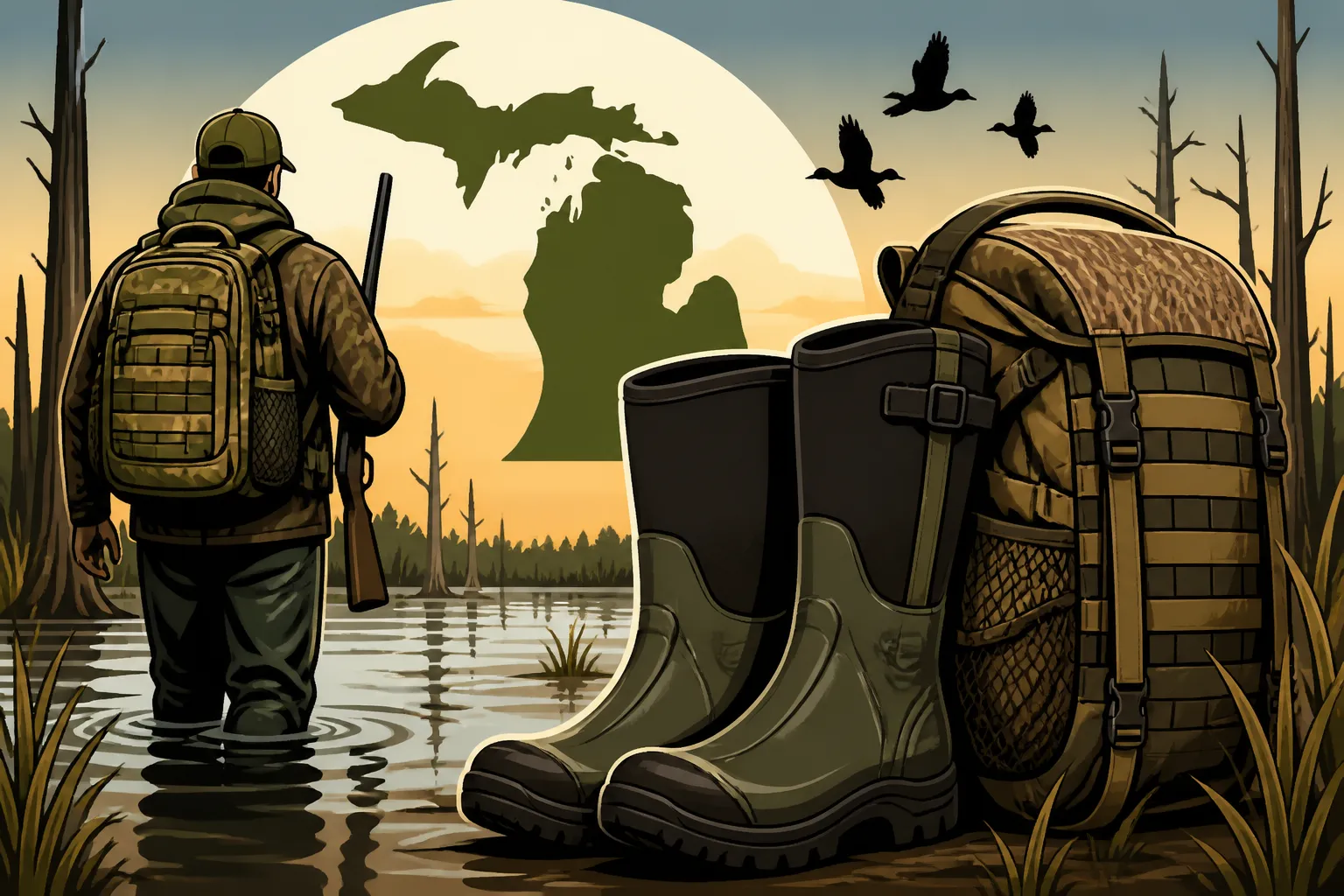
There’s nothing quite like the feeling of cold, seeping water in your boots, or the dread of reaching into your pack only to find your extra socks or calls soaked through. For anyone who has spent time hunting Michigan’s diverse, often incredibly wet landscapes – from the cedar swamps of the Upper Peninsula to the river bottoms of the Lower – this isn't just a minor inconvenience; it's a hunt-ending, miserable reality. This guide is all about helping you conquer those soggy conditions, ensuring your feet stay dry, your gear remains protected, and you can focus on the hunt, not on your discomfort, by choosing the right boots and packs for Michigan’s swamps.
The Unique Challenges of Michigan's Swampy Hunting Grounds
Michigan's landscape, shaped by glaciers and riddled with countless lakes, rivers, and wetlands, presents a unique set of challenges for hunters. Unlike drier Western states where you might worry more about elevation or vast open spaces, here in Michigan, it's often about navigating water, mud, and incredibly dense cover. Understanding these conditions isn't just about being prepared; it's about being effective and, frankly, not cutting your hunt short due to sheer misery.
Navigating Water and Mud: A Hunter's Constant Battle
Let's be real: Michigan is wet. Our high water tables, abundant rainfall, and the constant work of beavers mean that what looks like solid ground on an aerial map can quickly turn into a knee-deep bog. You might think you're walking along a nice, dry ridge, only for it to abruptly drop into a mucky depression filled with standing water that seems to want to swallow your boots whole. It's not just about avoiding puddles; it's about sloshing through long stretches of saturated soil, pushing through cattails in shin-deep water, or gingerly stepping over submerged logs and roots that offer treacherous footing.
This pervasive wetness isn't just an inconvenience; it's a formidable adversary. Every step in waterlogged boots takes more energy, makes more noise, and slowly but surely, chills you to the bone. The insidious nature of cold water seeping into your socks can distract you from game sign, make you less patient on stand, and ultimately, send you packing for the truck far sooner than you intended. This isn't just about comfort; it's about the very real safety concern of hypothermia if you’re too far from warmth.
Think about the physical toll: pulling your foot out of a sticky, deep mud hole feels like a workout in itself. Now imagine doing that for hours, silently trying to sneak through thick cover. It's exhausting, frustrating, and incredibly demanding on your gear. Your boots need to be up to the task, not just for a casual walk, but for a full day of battling the elements, often miles from any dry ground.
The Impact of Cold and Wet Conditions on Comfort and Performance
When your feet get wet and cold, it's not long before the rest of you starts to feel it. Cold water, even if it’s just a few degrees above freezing, acts as a heat sink, rapidly drawing warmth away from your body. This isn't just discomfort; it directly impacts your ability to perform. Your concentration wanes, your fingers get clumsy, and your patience wears thin. Suddenly, that faint rustle you heard in the brush might go unnoticed because you're too focused on the chill creeping up your legs.
Beyond the physical discomfort, wet conditions also severely compromise stealth. A "squish, squish" with every step from soaked boots isn't exactly conducive to sneaking up on a wary whitetail. The cold can also affect your grip on your firearm or bow, and if your gloves are wet, fine motor skills can disappear entirely. This is why having gear that genuinely prevents water intrusion and provides insulation is paramount for success in Michigan's often unforgiving hunting seasons.
Moreover, wet gear gets heavy. A backpack with soaked clothing, a damp rain jacket, or even just mud-caked boots can add significant weight to your load. This extra weight drains your energy reserves, making long treks to and from your hunting spot feel like an Olympic event. When you're trying to stay out until legal shooting light, every ounce of conserved energy and every degree of warmth counts.
Understanding Michigan's Diverse Swamp Ecosystems
Michigan isn't just one big swamp; we have a variety of wetland types, each with its own character and challenges. Knowing what kind of wet environment you're heading into can significantly impact your gear choices and your overall hunting strategy.
Cedar Swamps and Their Dense, Wet Undergrowth
Ah, the Michigan cedar swamp. It's a place of mystery, dense cover, and often, big bucks. These areas are characterized by thick stands of northern white cedar, black spruce, tamarack, and balsam fir, often growing so close together that daylight struggles to penetrate. The ground beneath is a tangled mess of roots, fallen logs, and mossy hummocks, interspersed with pockets of standing water and deep, inescapable muck. Deer absolutely love these places, using them for thermal cover in winter and escape cover during hunting pressure. Navigating them, however, is another story entirely.
When you venture into a cedar swamp, you're not just dealing with standing water; you're dealing with a dynamic, unpredictable environment. Submerged logs can trip you up, hidden spring holes can swallow your leg up to the hip, and the soft, organic bottom often feels like quicksand. The thick cover means visibility is limited, forcing you to move slowly and deliberately, which makes the pervasive wetness even more of a challenge. Anyone who’s tried Still-Hunting Michigan Cedar Swamps knows the unique frustration of trying to be quiet when every step squishes.
The abrasive nature of the thick branches and rough terrain also puts extreme demands on your gear. Boots need to withstand constant rubbing and snagging without tearing, and their waterproofing must be absolutely flawless, because even a small leak in a cold cedar swamp is a recipe for a miserable day. Understanding these unique habitats is crucial for equipping yourself properly.
Tag Alders, Beaver Flooding, and River Bottom Muck
Beyond the dense cedar, Michigan offers other challenging wet habitats. Tag alder thickets, often found along streams, rivers, and in low-lying areas, can be nearly impenetrable walls of woody brush. While they might not always hold deep standing water, the ground underneath is almost perpetually damp, muddy, and riddled with hidden ditches and water pockets. These areas are fantastic for grouse, woodcock, and often hold deer seeking thick cover.
Beaver activity, a common sight across Michigan, can dramatically alter the landscape. What was dry ground last season might now be a flooded timber stand or a vast, shallow pond. Beaver dams can back up significant amounts of water, creating extensive areas of new wetland that hunters must navigate. These can be incredible spots for waterfowl or deer, but they demand gear capable of handling unexpected water depths and soft, silty bottoms that can pull boots right off your feet.
River bottoms and floodplains, especially after heavy rains or snowmelt, turn into expanses of sticky, deep muck. The rich, organic soil holds water for extended periods, and the constantly shifting banks and channels make for unstable footing. Whether you're hunting pheasants along a river edge or tracking a late-season buck, these areas will test the limits of your boots' traction and waterproofing.
Transitional Zones and Hidden Water Features
It's not just the deep swamps that demand attention. Many prime hunting spots in Michigan lie in transitional zones—the edges where hardwoods meet wetlands, or where upland fields gradually slope into low-lying areas. These areas can be deceiving. A seemingly dry ridge might have a series of boggy seeps on its downside, or a light rain can quickly turn a damp depression into a significant water crossing.
Often, the most productive hunting occurs in these "edge" environments, where different habitat types meet. But these are also the places where you can be caught off guard by unexpected wetness. One wrong step off a deer trail, or trying to cut a corner through what looks like damp grass, can land you in ankle-deep water. This is why continuous and reliable waterproofing is essential, even if you don't plan on spending your entire hunt in a full-blown swamp. Even a slight drizzle can saturate the ground, turning what was once solid into slippery, mucky terrain. If you're Hunting Michigan Swamp Edges for Deer, you'll quickly realize that these margins are often just as wet as the swamp's interior.
Essential Features of Boots for Michigan Swamp Hunting
When you're dealing with Michigan's wet environments, not just any boot will do. You need specialized features that address the constant battle against water, mud, and rugged terrain. Investing in quality swamp-ready boots isn't a luxury; it's a necessity for comfort, safety, and success.
Uncompromising Waterproofing and Seam Sealing
This is non-negotiable. "Water-resistant" boots might protect you from a light drizzle on a gravel path, but they will fail spectacularly in a Michigan swamp. You need truly waterproof boots, from the sole all the way up to the collar. This typically means rubber construction (either vulcanized rubber or neoprene), or boots with a high-quality, fully integrated waterproof membrane (like Gore-Tex or similar technologies) that extends well above the ankle.
The key isn't just the material, but how it's put together. Every seam is a potential point of failure. Look for boots with seamless construction where possible, or robust, heat-sealed, or triple-stitched seams. Even the smallest pinhole leak, especially when wading through cold water, can quickly lead to saturated socks and freezing feet. Many hunters prefer full rubber or neoprene boots for this very reason, as they inherently have fewer seams to worry about, providing a continuous barrier against water intrusion.
Consider the height of the boot too. Ankle-high hiking boots are utterly useless here. You’ll want knee-high rubber boots as a minimum, and often even taller, or boots that come up to mid-calf, to ensure that water doesn’t slosh over the top when you step into an unexpected dip. The higher the boot, the more protection you have against those sudden, deeper pockets of water that are so common in our wetlands.
Superior Traction and Stability in Mud and Slippery Terrain
Walking through a Michigan swamp means navigating slick mud, submerged roots, mossy logs, and often, frozen ruts. Without excellent traction, you're not just making noise; you're risking a fall that could damage your gear, injure yourself, or send you face-first into the muck. Your boots need aggressive outsoles with deep, widely spaced lugs. These lugs are designed to bite into soft earth, shed mud easily (so they don't clog up), and provide grip on slippery surfaces.
Beyond the sole, stability is crucial. Michigan's swamp bottoms are rarely flat. You'll be stepping on uneven terrain, hidden branches, and sloped banks. Boots with good ankle support are vital to prevent twists and sprains. A stiff midsole can also help provide stability and prevent foot fatigue when you're constantly bracing against shifting ground. Look for boots that feel secure on your foot and don't allow your ankle to roll easily.
Imagine traversing a beaver dam or crossing a slippery, moss-covered log. Your balance depends entirely on your boots. The right tread pattern can mean the difference between confidently stepping across a questionable spot and slipping, crashing, and blowing your cover (or worse, getting hurt). This is where quality really shines, as cheap boots often skimp on both the quality of the rubber in the sole and the depth of the tread.
Comfort, Support, and Durability for Long, Wet Hauls
While waterproofing and traction are paramount, they mean little if your boots are so uncomfortable you can't wear them all day. A good swamp boot needs to offer a surprising amount of comfort and support, especially considering the often heavy, cumbersome nature of rubber footwear. Look for a cushioned insole and a supportive footbed that can absorb the shock of uneven ground and reduce fatigue over miles of sloshing.
Durability is another key factor. Michigan's wilderness is hard on gear. Thick brush, sharp branches, hidden rocks, and even ice can puncture or tear lesser boots. The materials must be robust enough to withstand constant abrasion and flexing without cracking or developing leaks. Vulcanized rubber tends to be exceptionally durable, as does high-quality neoprene that resists snags. You don't want to be halfway through a multi-day hunting trip only to discover a leak that renders your expensive boots useless.
Finally, consider the weight. While some protection adds weight, excessively heavy boots will tire you out faster, especially when they're caked in mud. There's a balance to strike between ruggedness, protection, and manageable weight. Many modern rubber boots, often reinforced with neoprene, offer a surprisingly lightweight and flexible feel without sacrificing the crucial waterproof barrier or durability. These are the details that separate a truly great swamp boot from one that will leave you sore and wet. Boots for Michigan Swamps and Snow discusses specific considerations for these conditions.
Selecting the Right Type of Boots for Michigan Swamps
With the features in mind, let's dive into the types of boots that best handle Michigan's wet and wild conditions. The choice often depends on the specific conditions you anticipate and the type of hunting you'll be doing.
Rubber Boots: The Go-To for Most Swamp Hunters
For the vast majority of Michigan swamp hunting, rubber boots are your best friend. Whether they're traditional vulcanized rubber or a neoprene-based construction, they offer a continuous, waterproof barrier from the ground up. This is critical because water can't soak through rubber or neoprene, unlike leather or synthetic fabrics, no matter how good their waterproof membrane is. They're also incredibly easy to clean, a huge bonus after tromping through miles of sticky mud. Just a quick rinse with a hose and they're good to go.
Many rubber boots come with varying levels of insulation. For early archery season or warmer fall days, uninsulated or lightly insulated (e.g., 400g equivalent) models are perfect, preventing your feet from overheating. As the weather turns colder and the water temperatures drop, you'll want to step up the insulation significantly. This versatility makes rubber boots a staple in any Michigan hunter's arsenal.
Brands like LaCrosse, Muck, and Bogs have become synonymous with quality rubber hunting boots, offering models designed specifically for durability, traction, and comfort in challenging conditions. When looking at options, a resource like GoHunt often provides valuable field reviews and comparisons of these popular boots, giving you insight into how they perform in real-world scenarios, which can be invaluable when making your choice.
Insulated Rubber Boots for Cold-Weather Swamp Hunting
When Michigan's thermometer plunges and those swamp bottoms start to freeze over, but still hold slushy water or soft mud, you absolutely need serious insulation. Think late-season archery, the firearm opener if it’s particularly brutal, or especially during the Muzzleloader Tactics in December Cold season. Uninsulated or lightly insulated boots just won’t cut it; your feet will turn into popsicles within minutes, ending your hunt prematurely.
Insulated rubber boots typically feature layers of neoprene, often combined with synthetic insulations like Thinsulate, ranging from 800g to 1600g or more. This insulation traps a layer of warm air around your foot, helping to maintain core temperature even when standing in frigid water. When choosing insulated boots, consider sizing up a half-size to accommodate thicker wool socks without compressing the insulation. Compressed insulation loses its effectiveness, so a snug fit is detrimental when you're prioritizing warmth.
It's amazing how much difference a truly warm boot can make. Instead of constantly shifting your weight and flexing your toes to keep blood flowing, you can sit still, focused, and patient. This prolonged comfort translates directly into more effective hunting time and a much more enjoyable experience. Don't skimp on insulation if you plan to hunt Michigan's late seasons or in particularly brutal conditions.
Hip Waders and Chest Waders for Extreme Water Depth
Sometimes, even knee-high rubber boots aren't enough. When you anticipate crossing deep creeks, wading through extensive flooded timber, or you're specifically targeting waterfowl in deeper marshlands, hip waders or chest waders become essential. Hip waders come up to your waist, attaching to your belt, while chest waders offer full protection up to your armpits, usually with suspenders.
Hip waders offer excellent mobility for walking in areas with intermittent deep water, providing more protection than knee boots without the bulk of full chest waders. They are popular for crossing smaller streams or hunting slightly deeper swamp edges. However, they're not ideal if there's a risk of falling or if you need to sit in water.
Chest waders, while more cumbersome for long walks, provide the ultimate protection against water. They are indispensable for Great Lakes Waterfowl Hunting in Michigan, working managed wetlands, or when you need to retrieve downed game from deep water. Look for models with integrated boots (bootfoot waders) for convenience and insulation, and reinforced knees for durability when kneeling. Safety is paramount with waders; be aware of currents and avoid extremely deep or fast-moving water, as they can fill and become a serious hazard if you fall.
| Boot Type | Primary Use | Waterproof Level | Insulation Range | Traction in Mud | Mobility (Walking) |
|---|---|---|---|---|---|
| Uninsulated Rubber Boots | Early/Mid-season general wet woods | High (up to knee) | None – 400g | Excellent | Good |
| Insulated Rubber Boots | Late-season, cold wet woods | High (up to knee) | 800g – 2000g | Excellent | Good |
| Hip Waders (Bootfoot) | Deeper creek crossings, shallow floods | Extreme (up to hip) | Varies | Good | Moderate |
| Chest Waders (Bootfoot) | Waterfowl, extensive flooded areas | Extreme (up to chest) | Varies | Good | Low (bulky) |
Choosing a Pack that Survives Michigan's Wet Wilderness
Your pack isn't just a container; it's your portable base camp, carrying all the essentials that keep you comfortable, safe, and effective in the field. In Michigan's wet environments, protecting the contents of your pack is just as critical as keeping your feet dry.
Water Resistance and Weatherproofing for Gear Protection
When you're hunting in Michigan, "waterproof" isn't just a marketing buzzword for a pack; it's a necessity. A light drizzle can turn into a downpour, pushing through dense, wet brush will soak your pack, and an accidental slip into a creek can submerge it completely. Relying solely on a flimsy rain cover is often a recipe for disaster. While rain covers are good for active rain, they don't protect against direct contact with wet brush or a dunking.
Look for packs constructed from inherently water-resistant materials. Options include high-denier nylons with durable water repellent (DWR) coatings, or even fully waterproof laminated fabrics like TPU-coated nylon. Critical areas to scrutinize are the zippers and seams. Truly waterproof packs often feature roll-top closures (like a dry bag) or water-resistant/waterproof zippers, sometimes with storm flaps to further shed moisture. Seams should be taped or welded to prevent water intrusion.
Imagine pulling out your extra layers, your binoculars, or your rangefinder, only to find them damp or soaking. This can ruin electronics, make optics fog, and render your emergency fire-starting kit useless. Protecting essentials like a spare headlamp, a first-aid kit, and your lunch from moisture is paramount. Many hunters also use smaller dry bags or stuff sacks inside their main pack for additional protection, especially for critical items or electronics like a GPS or a GoHunt navigation device.
Capacity, Organization, and Accessibility in Challenging Terrain
The size of your pack depends heavily on the length and nature of your hunt. For most day hunts in Michigan, a 1500-2500 cubic inch pack is a good starting point. This provides enough space for essential layers, food, water, calls, a first-aid kit, and potentially the boned-out meat from a small game animal or parts of a deer. If you're planning a multi-day trip or are specifically hunting game that might require more extensive field dressing and packing out, you’ll need a larger pack, possibly with a dedicated meat shelf.
Organization is key, especially when you need quick access to items in cold, wet conditions. External pockets that are also weather-resistant are incredibly useful for stashing items like calls, gloves, snacks, or a small rangefinder without needing to open the main compartment and expose everything to the elements. Inside, consider using smaller, color-coded dry bags or waterproof pouches to keep different categories of gear separated and organized. This prevents everything from becoming a jumbled mess and makes it easier to find what you need without fumbling.
Accessibility is particularly important when navigating tricky terrain. You don't want to be fighting with a stubborn zipper or digging for a crucial item when you're balancing on a slippery log or trying to maintain stealth. A well-designed pack allows you to get what you need quickly and quietly, minimizing your downtime and maximizing your focus on the hunt. Packs for a Day on State Land delves into various capacities and features suitable for single-day excursions.
Fit, Comfort, and Load Distribution for Long Hikes
A poorly fitting pack can quickly turn a hunting trip into an endurance test, especially when you're traversing uneven, muddy ground or carrying a heavy load. The pack needs to feel like an extension of your body, not a hindrance. Look for packs with adjustable torso lengths, well-padded hip belts, and comfortable, ergonomic shoulder straps. The hip belt, in particular, should be robust enough to transfer most of the weight from your shoulders to your hips, which are better equipped to carry heavy loads over long distances.
When walking through dense brush, climbing over obstacles, or sloshing through mud, a pack that shifts or bounces can throw you off balance and drain your energy. A good pack will have compression straps that allow you to cinch down the load, securing it close to your back and preventing internal movement. This stability is crucial for maintaining your footing on slippery ground and minimizing noise from jostling gear.
Consider the ventilation of the back panel. Even in cold weather, hiking through tough terrain will make you sweat. A pack with some airflow channels or mesh can help reduce sweat buildup, keeping your back drier and more comfortable. This contributes to overall thermal regulation and prevents that clammy feeling that can contribute to feeling cold later on. Comfort means you can focus on the hunt, not on a nagging ache in your shoulders or hips.
Integrating Boots and Packs for Seamless Swamp Navigation
It's not enough to have great boots and a great pack; how you use them together, and how you manage yourself in the environment, truly dictates your success and comfort. Think of your gear as a system, working in harmony to keep you effective.
Dressing in Layers and Managing Moisture Inside and Out
The key to surviving Michigan's unpredictable weather and wet conditions, especially when pushing through swamps, is a smart layering system, both on your body and within your pack. Your boots handle external moisture, but your body generates internal moisture – sweat. Wicking base layers made of merino wool or synthetic materials are essential to move sweat away from your skin, preventing that clammy, cold feeling when you stop moving. Even if your outer layers get damp, a dry base layer against your skin makes a huge difference.
In your pack, always carry a complete set of dry clothes and socks, ideally sealed in a waterproof dry bag. This isn't just for emergencies; being able to change into dry socks and a shirt for the walk back to the truck or for a midday break can drastically improve morale and ward off hypothermia. A warm, dry hat and a spare pair of gloves are also incredibly important additions. This holistic approach to moisture management is often discussed in guides like Layering for a Michigan Deer Stand, highlighting its importance for prolonged comfort.
When wearing rubber boots or waders, moisture from sweat can accumulate inside. Wool socks are excellent at retaining warmth even when damp, but consider bringing a few pairs to swap out. Some hunters even use thin liner socks to help wick moisture away from their feet, adding another layer of defense against dampness and blisters.
Strategizing Gear Placement for Balance and Quick Access
Packing your backpack isn't just about fitting everything in; it's about strategic placement. In Michigan's swamps, where footing can be treacherous, maintaining balance is paramount. Pack heavier items (like water, extra ammo, or optics) close to your back and centered in the pack. This keeps the weight from pulling you off balance when stepping over logs or navigating uneven terrain. Lighter, bulkier items can fill the spaces around them.
Items you'll need frequently or quickly – a rangefinder, calls, snacks, a headlamp for the walk out – should be in easily accessible, weather-resistant external pockets. You don't want to be fumbling with buckles and zippers, exposing your main compartment to rain, every time you need to check a distance or make a grunt call. This also applies to items like your knife or a small saw for clearing shooting lanes; they should be within reach.
Use external compression straps to cinch down any bulky items and prevent your pack from snagging on thick brush. A floppy, loose pack can easily get caught on branches, making noise and potentially damaging your gear or even yourself. A tightly compressed pack moves with you, reducing snags and helping you stay stealthy. Every bit of planning that goes into your pack can save you frustration and effort in the field, helping you to remain composed even when Hunting Pressure on Michigan State Land is high.
Post-Hunt Care: Extending the Life of Your Swamp Gear
After a successful (or even unsuccessful) hunt in Michigan's swamps, the work isn't over. Proper post-hunt care of your boots and pack is crucial for their longevity and performance. Neglecting this step means your expensive gear will degrade faster and be less reliable on your next outing.
For your boots, the first step is always thorough cleaning. Mud, grime, and debris can hold moisture and break down materials over time. Hose them off, paying special attention to the lugs on the sole to remove all mud and grit. For rubber boots, a gentle scrub with soap and water can remove any stubborn residue. Once clean, the most important step is proper drying. Never use direct heat sources like heaters or campfires, as this can crack rubber and damage waterproof membranes. Instead, stuff boots with newspaper or use boot dryers that circulate ambient air, allowing them to dry slowly and completely in a well-ventilated area. This prevents mold, mildew, and unpleasant odors.
Your pack also needs attention. Empty it completely and shake out any dirt, leaves, or debris. If it’s muddy, gently scrub affected areas with a brush and mild soap, then rinse thoroughly. Hang your pack upside down in a well-ventilated area, preferably out of direct sunlight, to dry completely. Pay close attention to zippers and pockets, ensuring they are open to allow air circulation. Regularly inspect seams, zippers, and fabric for any signs of wear or damage. Small tears can often be repaired with patch kits, extending the life of your pack. This attention to detail extends to all your gear; a good resource like Cleaning a Rifle After a Wet Sit offers similar advice for firearms after exposure to the elements. Consistent maintenance ensures your gear is ready for whatever Michigan's wild lands throw at you next.
Disclaimer
This article is for general informational purposes only and does not constitute professional advice. Laws, prices and regulations vary by location and change over time. Consult a qualified professional for guidance on your specific situation.