Blind Bags and Cold-Weather Gear
There’s nothing quite like the biting wind sweeping across a Michigan marsh or the damp chill settling deep into the woods on a late fall morning. You’ve woken up hours before dawn, driven through the darkness, and now you’re sitting, waiting, hoping. But if you’re shivering uncontrollably or digging frantically for a dry pair of gloves in a messy pack, that perfect hunting moment can quickly turn miserable. This guide is all about making sure you’re prepared, comfortable, and focused on the hunt, not the cold, by mastering your blind bag and cold-weather gear.
The Unsung Hero: Why a Good Blind Bag Matters
Let's be real, many of us started out with a beat-up backpack or a flimsy tote for our hunting gear. We'd throw everything in, and when the time came to grab a specific call or a fresh box of shells, we'd be rummaging, fumbling, and potentially spooking game. A dedicated blind bag isn't just another piece of gear; it's a critical component of a successful, organized, and enjoyable hunt, especially when you're battling Michigan's unpredictable elements.
More Than Just a Carry-All: Organization is Key
Imagine this: a flock of mallards banks hard, circling your spread. You reach for your hail call, but it's buried under a thermos, extra gloves, and a half-eaten sandwich. By the time you find it, they've committed to the next county. Sound familiar? This frustration is exactly what a well-designed blind bag prevents. These bags are crafted with a hunter's needs in mind, featuring multiple compartments, internal dividers, and external pockets specifically sized for calls, choke tubes, licenses, and a surprising amount of other gear.
Having a dedicated pocket for your shotgun shells means you can quickly grab a new box without spilling your snacks. Internal waterproof pouches are perfect for your phone, truck keys, and important documents, keeping them dry even if the rest of your bag takes a splash. Some bags even have specialized sleeves for a thermos or water bottle, ensuring it stays upright and doesn't leak. This level of organization saves precious seconds when game is in sight and minimizes the stress of trying to find something in the dark or with numb fingers. It allows you to focus on the hunt itself, rather than the logistics of your equipment.
Weather Protection for Your Essentials
Michigan weather can be notoriously fickle, swinging from crisp autumn mornings to driving rain or heavy snow within hours. Whether you're hunkered down in a layout blind on Saginaw Bay or sitting in a marsh after the morning draw, keeping your gear dry is paramount. A standard backpack often won't cut it. Blind bags are typically constructed from robust, water-resistant, or even fully waterproof materials designed to withstand the elements.
Look for bags made from heavy-duty nylon or polyester with a PVC backing, or those featuring waterproof zippers and seam-sealed construction. These materials are built to repel water, mud, and snow, protecting your valuable electronics, calls, and extra layers from moisture damage. A wet phone, a waterlogged box call, or damp gloves can ruin a hunt faster than anything. Many bags also come with a hard, molded bottom to keep the contents elevated from standing water or mud, which is incredibly useful in the perpetually damp environments often found in Michigan Managed Waterfowl Area Draws or during Great Lakes Waterfowl Hunting in Michigan. Investing in a good blind bag means your essentials stay safe and dry, no matter what Michigan’s skies decide to throw at you.
Comfort and Convenience in the Field
Beyond organization and protection, a good blind bag brings a surprising amount of comfort and convenience to a long day in the blind or boat. Many bags feature padded shoulder straps or handles that make carrying a heavy load of shells, calls, and other necessities much easier, especially over rough terrain or through deep mud. The design often allows them to sit upright and stable, preventing your gear from tumbling out or getting lost in the muck.
Some blind bags double as a comfortable seat or a sturdy platform. For those long waits in a marsh or field, a soft-sided bag with a bit of internal structure can provide a much-needed perch, keeping you off the cold, wet ground. The top flap might even offer a convenient, flat surface for quickly laying out a few calls or a snack. This thoughtful design minimizes fatigue and helps you maintain focus, turning an otherwise grueling wait into a more enjoyable experience. Consider how you hunt and what little comforts would make a big difference – chances are, there’s a blind bag out there designed to meet those needs.
Conquering the Cold: Essential Cold-Weather Gear for Michigan
Michigan hunting means dealing with the cold, plain and simple. From the early archery season's crisp mornings that quickly turn into frigid evenings to the bone-chilling depths of muzzleloader season, staying warm is not just about comfort; it's about safety and endurance. Neglecting proper cold-weather gear can lead to an early exit from the woods or, worse, dangerous situations.
The Layering System: Your Best Defense
The single most effective strategy for staying warm in Michigan's variable climate is mastering the art of layering. Instead of one heavy coat, which can leave you sweating during a walk and freezing on a stand, a system of lighter layers allows you to adjust to changing temperatures and activity levels. This adaptability is crucial whether you're climbing into a treestand for Cold Weather Sitting Strategy or still-hunting through deep snow.
Start with a quality base layer. This is worn directly against your skin and its primary job is to wick moisture (sweat) away from your body. Materials like merino wool or synthetic performance fabrics (polyester, polypropylene) are excellent choices because they dry quickly and retain warmth even when damp. Avoid cotton for base layers at all costs; it absorbs moisture and holds it against your skin, chilling you rapidly once you stop moving. Next comes your mid-layers, which provide insulation. Fleece, down, or synthetic insulation jackets and vests are perfect here. These trap warm air close to your body. Finally, your outer shell should be both windproof and waterproof (or highly water-resistant). This layer protects you from the external elements – wind, rain, and snow – while allowing your internal layers to do their insulating work. A good outer layer also needs to be quiet for stealthy movement, especially when Hunting Deer in Deep Upper Peninsula Snow.
Extremity Protection: Hands, Feet, and Head
It's astonishing how quickly you can lose body heat through your head, hands, and feet. Neglecting these areas is a common mistake and can lead to misery or even frostbite. In Michigan’s cold, you simply cannot afford to leave your extremities exposed or inadequately protected.
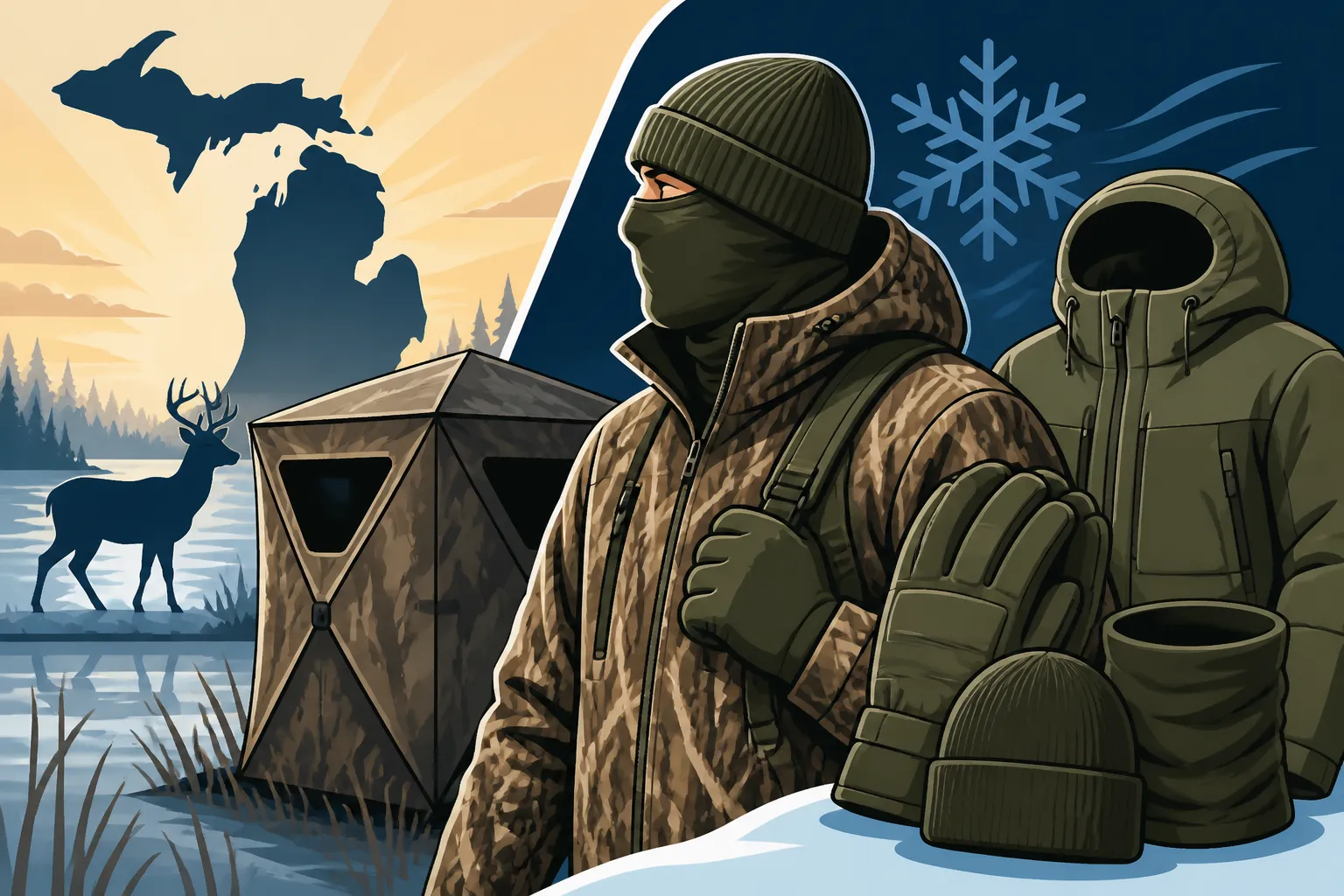
For your hands, think in layers too. Start with a thin, moisture-wicking glove liner that allows for dexterity when handling calls, loading a muzzleloader, or adjusting optics. Over these, wear a heavier, insulated glove or, even better, a convertible mitt that offers the warmth of a mitt but allows you to expose your fingers when needed. A hand muff worn around your waist can also be a game-changer, providing a warm pocket for your hands during prolonged sits, often with space for hand warmers. When it comes to your feet, a good pair of insulated, waterproof boots is non-negotiable for navigating Boots for Michigan Swamps and Snow. Pair them with quality wool or synthetic socks, possibly two thinner pairs rather than one thick one, to prevent blisters and allow for better moisture management. Make sure your boots aren't too tight, as this restricts circulation and can make your feet colder. And don't forget your head: a significant amount of heat escapes from an uncovered head. A warm, insulated hat, a beanie, or a balaclava that covers your ears and neck is essential. In extreme cold, a balaclava provides full face protection against windburn and frostnip, letting you stay out longer.
Overcoming Wet and Wind: Outerwear and Specialized Items
Beyond the basic layering, specific outerwear and specialized items can make all the difference in Michigan's toughest conditions. Wind is a notorious thief of body heat, so investing in truly windproof outer layers is critical. Many modern hunting garments incorporate advanced membrane technologies that block wind while remaining breathable. For rainy days or wet snow, a fully waterproof outer shell that can shed water for hours on end is a must. Look for items with taped seams and durable water repellent (DWR) finishes.
In addition to your main clothing, consider specialized items. Heated vests or hand warmers (chemical packets, rechargeable electric models) can provide a welcome boost of warmth during those long, stationary periods. A thick, insulated sit-pad or cushion can prevent cold from seeping into your body from a frozen treestand seat or the damp ground. For waterfowl hunters, specialized waders with good insulation are paramount to staying warm and dry when standing in frigid water. The right gear allows you to maintain focus and comfort, turning what could be a torturous experience into a productive hunt.
Practical Considerations and Smart Choices
When you’re out in the Michigan woods or marsh, every piece of gear has to earn its place. Choosing the right blind bag and cold-weather clothing isn't just about brand names; it's about understanding materials, packing smart, and having a realistic expectation of the conditions you'll face.
Material Choices and Durability
The materials used in your blind bag and cold-weather gear dictate their performance and longevity. For blind bags, look for rugged, heavy-denier fabrics like Cordura or robust nylon. These are known for their abrasion resistance, which is vital when dragging a bag through brush, tossing it in a boat, or setting it on rough terrain. Water-resistant coatings, often PVC or polyurethane, help keep the interior dry. Some high-end bags even use fully waterproof materials and welded seams, providing ultimate protection.
For cold-weather clothing, material choices are even more diverse. Base layers often use merino wool for its natural moisture-wicking and anti-odor properties, or synthetics like polyester for quick drying. Mid-layers can be fleece (lightweight, breathable) or insulated with down (excellent warmth-to-weight ratio, but loses insulating properties when wet) or synthetic fills (retains warmth when wet, generally more affordable). Outer shells frequently feature advanced waterproof/breathable membranes like Gore-Tex or similar proprietary technologies, often combined with durable nylon or polyester face fabrics. When making your selections, consider not only how warm a material is but also its quietness (crucial for bowhunting), its ability to handle moisture, and its overall durability against snags and tears in the Michigan woods. For many, a good set of Wool Versus Synthetics in Wet Snow becomes a recurring debate, each having its pros and cons depending on your specific hunt.
Packing Your Blind Bag for Success
A well-packed blind bag is a hunter's best friend. Before you even head out, take a moment to consider what you absolutely need, what’s nice to have, and what’s dead weight. An overstuffed bag is just as problematic as an under-prepared one. For many waterfowl hunters, essential items include extra boxes of shells (specific gauges, of course), a variety of calls (duck, goose, whistle), a thermos of coffee or soup, water bottles, snacks, hand warmers, a small first-aid kit, a headlamp, and a fully charged phone with a portable charger.
Don't forget critical paperwork like your hunting license, federal and state duck stamps, and any special permits, all tucked safely in a waterproof pouch. An important tip: pack items you need quick access to in external pockets, and less-frequently used items deeper inside. Consider using a digital tool or app, like those often recommended by services such as GoHunt, to create a packing checklist specific to your type of hunt and the expected weather. This helps ensure you never forget something vital, like your Michigan Waterfowl Licence and Stamps or an extra pair of dry gloves.
Staying Safe and Comfortable for the Long Haul
Hunting in Michigan, especially in colder months, often involves long periods of inactivity, followed by bursts of high energy. This makes maintaining comfort and safety a balancing act. Beyond your primary clothing, think about small items that can significantly improve your experience. An extra pair of warm, dry socks in your blind bag is a lifesaver if your feet get wet. A small roll of toilet paper and hand sanitizer are always welcome. A multi-tool or a sharp knife is indispensable for field tasks.
For extended sits, consider bringing a lightweight, insulated seat pad or even a small, foldable chair if your hunting situation allows. A compact emergency blanket or space blanket can provide critical warmth if you get unexpectedly stuck or injured. Staying hydrated is also crucial, even in cold weather, so always have water. Finally, tell someone where you're going and when you expect to be back. Safety should always be your top priority, especially when chasing game deep into the Michigan wilderness. Utilize maps, check weather forecasts, and use resources like GoHunt to stay informed about your hunting area, ensuring you have the knowledge for a safe and successful trip.
| Feature / Consideration | Blind Bags (Waterfowl/Cold Weather) | Cold-Weather Gear (General Hunting) |
|---|---|---|
| Primary Goal | Organize & protect gear | Keep hunter warm & dry |
| Key Materials | Heavy-denier nylon, PVC, welded seams | Merino wool, synthetics, fleece, down, waterproof/breathable membranes |
| Water Protection | Water-resistant/waterproof zippers, bottom, fabric | Full waterproof outer shell (jacket, pants, boots) |
| Insulation | Minimal for gear, not primary for hunter | Base, mid, outer layers; insulated boots, hats, gloves |
| Organization | Multiple pockets, dividers, call slots | Layering system for adaptability |
| Comfort Enhancements | Padded straps, stable base, sometimes seat-like | Heated elements, hand warmers, sit pads, ergonomic design |
| Durability Needs | Abrasion resistance, heavy-duty stitching | Tear/snag resistance, robust zippers |
| Typical Contents | Shells, calls, snacks, licenses, thermos, tools, first aid | Extra layers, gloves, socks, hat, balaclava, emergency blanket |
| Michigan Relevance | Marsh, boat, field, damp conditions | Woods, stand, snow, unpredictable temps |
Disclaimer
This article is for general informational purposes only and does not constitute professional advice. Laws, prices and regulations vary by location and change over time. Consult a qualified professional for guidance on your specific situation.