Hunting the Liberty Hunt With a Youth
Bringing a young hunter into the fold can be one of the most rewarding experiences in Michigan's outdoors, but it also comes with unique challenges, from keeping them warm and engaged to ensuring their safety and understanding the regulations. It's easy to get overwhelmed trying to plan a successful outing that creates lasting memories, not just frustration. This comprehensive guide will walk you through everything you need to know to make your youth's Liberty Hunt experience enjoyable, safe, and truly unforgettable.
Understanding the Liberty Hunt's Purpose
The Liberty Hunt isn't just another deer season; it's a dedicated opportunity designed to welcome new, young hunters and those with qualifying disabilities into the cherished tradition of deer hunting. It’s held on specific dates, usually a weekend in September, allowing youth hunters a chance to pursue deer before the hustle and bustle of the regular firearm seasons. This setup provides a quieter, less pressured environment, which is absolutely ideal for a beginner. The goal is to foster a love for hunting, teach ethics, and create positive early experiences without the intense competition or crowded conditions often found during opening day of the regular firearm season.
Eligibility and Licence Requirements
To participate in the Michigan Liberty Hunt, youth hunters must be 16 years of age or younger. They also need to possess a valid Michigan junior base licence and a deer licence. What's really neat about this specific hunt is that it's part of Michigan's mentored youth hunting program. This means even very young children, under the age of 10, can participate if they are accompanied by a qualified adult mentor. The mentor, who must be 18 years or older and possess a valid Michigan hunting license (excluding an apprentice license), doesn't need a deer license for themselves during the Liberty Hunt weekend unless they also plan to hunt. However, they must be able to immediately accompany the youth, ensuring direct supervision and guidance every step of the way.
It’s crucial to understand that the youth hunter must have completed their hunter safety course, or if under 10, be part of the Mentored Youth Hunting program. You can find detailed information on Michigan Hunter Safety and Youth Licences on the DNR website, which outlines all the age requirements and course options. The licences themselves are relatively affordable, especially for residents. Remember, the goal here is accessibility, making it easier for new generations to experience hunting. Ensuring all paperwork is in order before heading afield prevents any unnecessary stress and ensures a smooth, legal hunt. Always double-check the current year's regulations because details, especially regarding licenses and mentored youth participation, can sometimes have minor updates. The Michigan DNR Hunt Fish App is an excellent resource for checking these details on the go, making sure you're always informed.
Unique Season Dates and Opportunities
The Liberty Hunt is typically scheduled for a weekend in mid-September, specifically set apart from other major deer seasons. This timing is a real game-changer for youth hunters. Unlike the often frigid temperatures of late November or December, September usually offers milder weather, which is a massive advantage when you're trying to keep a young hunter comfortable and engaged. Cold, wet, or brutally windy conditions can quickly sour a beginner’s experience, making them associate hunting with discomfort. The warmer days of the Liberty Hunt mean less bulky clothing, more comfortable sits, and generally more pleasant conditions for observing nature.
Furthermore, the early timing of the Liberty Hunt often coincides with deer still being in fairly predictable summer patterns, frequenting food sources like alfalfa fields, acorns, or late-season browse. This can make scouting and locating deer a bit more straightforward than in the chaotic rut or post-rut periods. The deer taken during the Liberty Hunt count towards the youth hunter's regular deer harvest limits, typically an antlered deer and an antlerless deer, depending on the licences purchased and the specific Deer Management Unit (DMU) regulations. It’s a fantastic opportunity for a youth to get their first deer without competing with thousands of other hunters on public land, providing a low-pressure environment to learn the ropes of tracking, patience, and shot placement. You can look up specific dates and regulations for the Michigan Liberty Hunt Dates each year on the DNR website.
Planning Your Hunt with Young Hunters
Planning a hunt with a youth isn't just about finding deer; it's about curating an experience that nurtures their budding interest in the outdoors. Patience and flexibility are your most valuable tools. You're not just a guide; you're an educator, a storyteller, and a companion on an adventure. The success of this trip won't be measured by the size of the deer, but by the size of the smile on your young hunter's face and their eagerness to go again. It’s all about creating positive memories, even if no deer are harvested.
Choosing the Right Location
Selecting the ideal hunting location is paramount when hunting with a youth. Forget about those grueling, all-day treks into remote wilderness areas that you might enjoy yourself. For a young hunter, easy access, comfortable setups, and a good chance of seeing any wildlife are far more important than chasing a trophy buck. Think about areas with relatively flat terrain, close to vehicle access, and perhaps near a visible food source or travel corridor. State Game Areas across southern Michigan, or accessible State Forest lands in the northern Lower Peninsula, can be excellent choices. These areas often have good road systems, making it easy to drive in and out, reducing the physical exertion for smaller legs.
When considering public land, look for spots that might not be on everyone else's radar, or that offer a natural advantage for a quick, comfortable hunt. Websites and apps like GoHunt can be incredibly useful for pinpointing these kinds of locations, showing property boundaries, access points, and potential cover. Look for edges where fields meet woods, small clearings, or even well-used trails that deer might follow. The key is to minimize travel time and maximize the time spent comfortably observing. Remember, seeing squirrels, turkeys, or even songbirds can be just as exciting as seeing a deer for a young hunter. Check out Scouting Michigan Public Land Before Season to get some ideas on how to pick the perfect spot well in advance.
Setting Realistic Expectations
This is arguably the most important aspect of hunting with a youth. Your expectations, and theirs, need to be firmly grounded in reality. The goal isn't necessarily to harvest a deer on the first outing, or even the first few outings. The real objective is to build excitement, impart knowledge, and create positive associations with hunting and the outdoors. Prepare them for the fact that you might not see a deer, or that a shot might not present itself. Emphasize the experience itself: the quiet of the woods, the rustling leaves, the sound of distant geese, or the simple joy of sharing a thermos of hot chocolate.
Talk openly with your youth hunter about what to expect. Discuss the patience required, the need for quiet, and why certain things (like standing perfectly still) are important. Let them know it's okay to get cold or bored sometimes, but that pushing through those moments is part of the challenge and reward. Celebrating small victories, like spotting a squirrel, identifying a bird call, or just a successful quiet sit, reinforces the positive aspects of the experience. The biggest frustration for a youth isn't usually not getting a deer, but feeling pressured or being lectured. Keep it light, keep it fun, and focus on the learning journey.
Scouting for Youth-Friendly Spots
Before the Liberty Hunt weekend arrives, take some time to scout potential locations with your youth hunter, if possible. This pre-season activity can significantly increase their excitement and investment in the hunt. When scouting, you're not just looking for deer sign; you're also looking for comfortable, safe, and accessible spots. Think about where you can set up a ground blind discreetly that offers a good field of view, or a safe lane of fire. Ground blinds are often ideal for youth because they allow for more movement, offer protection from the elements, and can muffle small noises. You can learn more about Using a Ground Blind on Michigan State Land for tips on setup.
Look for natural features like fallen logs or thick brush that can act as backrests or cover. Consider the wind direction in relation to these spots. When scouting, point out deer tracks, rubs, scrapes, and bedding areas. Explain why deer might use certain areas. This isn't just finding a spot; it's teaching them to read the landscape. Pay attention to entry and exit routes that are quiet and don't disturb potential bedding or feeding areas. A smooth, quiet approach, often referred to as a good Entry Routes on Flat Michigan Ground, can make all the difference, especially with a less experienced hunter who might be prone to making a little noise. Showing them where the deer might come from, and where they will ideally be positioned for a shot, builds anticipation and understanding.
Essential Gear and Safety for Youth Hunters
Ensuring your youth hunter is properly equipped and understands safety protocols is non-negotiable. This goes beyond just having a firearm; it includes comfortable clothing, good visibility, and a plan for any unforeseen circumstances. A well-prepared hunter is a safe and confident hunter, and this is even more critical when guiding a young person.
Appropriate Firearms and Equipment
Choosing the right firearm for a youth hunter is incredibly important for both safety and comfort. You want a rifle or shotgun that fits them well, is manageable in terms of weight and recoil, and is chambered in a cartridge suitable for deer. Many manufacturers offer youth models with shorter stocks and lighter frames, making them much easier for smaller individuals to handle and aim accurately. Calibers like the .243 Winchester, 6.5 Grendel, or even a .223 Remington (if legal for deer in your area and within appropriate range) are excellent choices due to their lighter recoil and effective ballistics for Michigan whitetails. For areas restricted to straight-wall cartridges or shotguns, a .410 slug gun or a 20-gauge shotgun are often more manageable than a 12-gauge for youth.
Beyond the firearm, other gear needs consideration. A comfortable sling is essential for carrying. Good quality hearing protection is a must, whether ear muffs or earplugs, to prevent hearing damage. Ensure they have appropriate shooting sticks or a bipod if hunting from a blind, to provide a stable rest for an ethical shot. Optics like a simple, low-power scope are also beneficial, allowing for clearer target acquisition. Make sure to spend ample time at the shooting range before the hunt, allowing them to become proficient and confident with their chosen firearm. Practice makes perfect, and confidence with their tool will directly contribute to a safer and more ethical hunt.
Hunter Orange and Visibility
Safety should always be the absolute top priority, especially when hunting with youth. Michigan law mandates specific hunter orange requirements during various seasons to ensure visibility and prevent accidents. For the Liberty Hunt, which uses firearms, both the youth hunter and their adult mentor must wear hunter orange. The regulations stipulate that 50% of the hunter's outer clothing above the waist, excluding the head, hands, and feet, must be hunter orange. This typically means a hunter orange vest or jacket, often combined with an orange hat. You can find detailed rules regarding Michigan Hunter Orange Rules on the DNR website.
The importance of this can't be overstated. In Michigan, with its mix of private and public land and varied terrain, ensuring you and your young hunter are highly visible to other hunters is critical. Even if you're the only ones around, it's a good habit to instill. Beyond hunter orange, consider other ways to enhance visibility, especially if moving through dense cover. Communicating your movements, sticking together, and always being aware of your surroundings are fundamental safety practices that you should model and teach during every outing. This teaches them to be responsible not just for their own safety, but for the safety of those around them.
First Aid and Emergency Preparedness
Even on a short hunt, being prepared for emergencies is crucial. A well-stocked first aid kit is an absolute must-have. This should include basics like bandages, antiseptic wipes, pain relievers, blister treatment, and any personal medications for you or your youth hunter (e.g., epi-pens for allergies). Beyond basic first aid, consider what you would do in a more serious situation. Carry a fully charged cell phone, but also have a backup plan for communication in areas with no service, such as a satellite messenger or two-way radios, especially if venturing into more remote areas like parts of the Upper Peninsula State Forests.
Before you even leave the vehicle, discuss a clear emergency plan with your youth hunter. What if you get separated? What landmarks should they look for? How should they signal for help? Teach them basic survival skills, like how to stay warm or signal with a whistle. Always inform someone reliable back home about your hunting location and your expected return time. Apps like GoHunt can also be used to drop pins on your parking spot and intended hunting area, making it easier for emergency services to locate you if necessary. This preparation isn't about fear; it's about being responsible and teaching your youth hunter how to be self-reliant and prepared in the outdoors, no matter what happens.
Tactics and Patience for a Successful Outing
Hunting with a youth is less about elaborate strategies and more about simplicity, comfort, and positive reinforcement. The true measure of success isn't the harvest, but the experience itself. These hunts are about building character, teaching respect for nature, and forging bonds.
Making the Hunt Fun and Educational
The single most effective tactic for hunting with a youth is to prioritize their enjoyment and education above all else. A bored or uncomfortable kid won't want to come back. Keep hunting sessions relatively short, especially for younger children. Two to three hours of focused hunting might be more productive and enjoyable than an all-day sit. Bring plenty of snacks and drinks, and even a small game or book for quiet moments when deer aren't moving. These breaks can be used to discuss anything from animal tracks to tree identification.
Turn every observation into a learning opportunity. "Why do you think that squirrel is burying acorns?" "What kind of bird made that sound?" "Look at that deer trail, where do you think it leads?" Engaging their curiosity keeps their minds active and prevents boredom from setting in. Celebrate even the smallest successes, like spotting a feather or hearing a distant gobble. Sharing stories, laughing, and just enjoying each other's company in the quiet of the Michigan woods will create memories that last far longer than any specific harvest. Remember, the goal is to cultivate a lifelong appreciation for hunting, and that starts with making it a truly positive experience.
Still-Hunting and Blind Setups
For youth hunters, particularly those who might struggle with prolonged stillness, combining short still-hunting excursions with comfortable blind setups can be very effective. Still-hunting involves moving slowly and deliberately through the woods, pausing frequently to observe and listen. This allows for more physical activity and provides a dynamic learning experience, teaching them to read the terrain and look for sign. Focus on areas with good cover and visibility, using the wind to your advantage. For instance, moving along a swamp edge during late afternoon can be quite productive as deer start to move toward feeding areas.
When it comes to sitting, ground blinds offer an excellent solution. As mentioned, they provide warmth, shelter from the wind and sun, and allow for a bit more movement without spooking game. Set them up in advance, well-brushed in, at a location that offers high probability of deer sightings, like a field edge or a funnel between two woodlots. If you're on public land, ensure you understand the rules for blind placement. Remember, Cold Weather Sitting Strategy will be less critical in September, but comfort is still king. A comfortable chair, warm layers (even if the day starts mild, it can cool quickly), and a thermos of hot cocoa can make a huge difference in keeping a young hunter engaged and happy during a sit.
Post-Harvest Responsibilities and Lessons
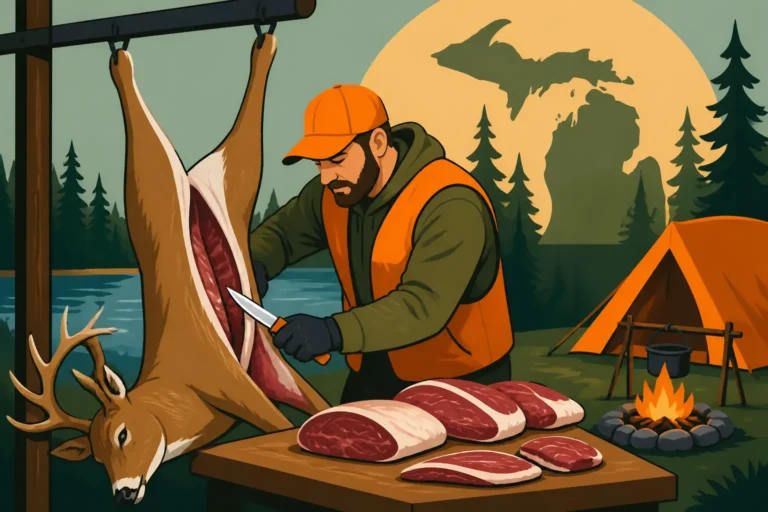
Should your youth hunter be fortunate enough to harvest a deer, the learning and bonding experience doesn't end there; it intensifies. This is a critical moment to teach respect for the animal and the full cycle of hunting. Guide them through the process of approaching the deer, ensuring it's expired, and then expressing gratitude. Involve them fully in the field dressing process, explaining each step and why it's done. This can be messy, but it's an essential part of understanding where their food comes from and the effort involved. You can find excellent advice on Field Dressing a Deer in Cold Weather, even if it's not cold during the Liberty Hunt, the principles apply.
Beyond the immediate tasks, discuss the legal requirements, such as validating the tag and Reporting a Michigan Harvest in 72 Hours to the Michigan DNR. This instills responsibility and adherence to regulations from a young age. Talk about meat care, processing, and how the venison will feed your family. If the youth is interested, involve them in butchering the deer or preparing a meal with the meat. This full circle experience, from the hunt to the table, solidifies their understanding and appreciation for the entire process. Regardless of a harvest, always end the day on a positive note, celebrating the time spent together in Michigan's beautiful wild spaces.
Disclaimer
Hunting carries inherent risks, and conditions in Michigan's outdoors can change rapidly. Always consult the latest Michigan Department of Natural Resources (DNR) regulations and guidelines before planning any hunt. This guide is for informational purposes only and does not replace official rules, safety courses, or professional guidance. Stay safe, be ethical, and enjoy your time afield.