Deer Drives With Three or Four Hunters
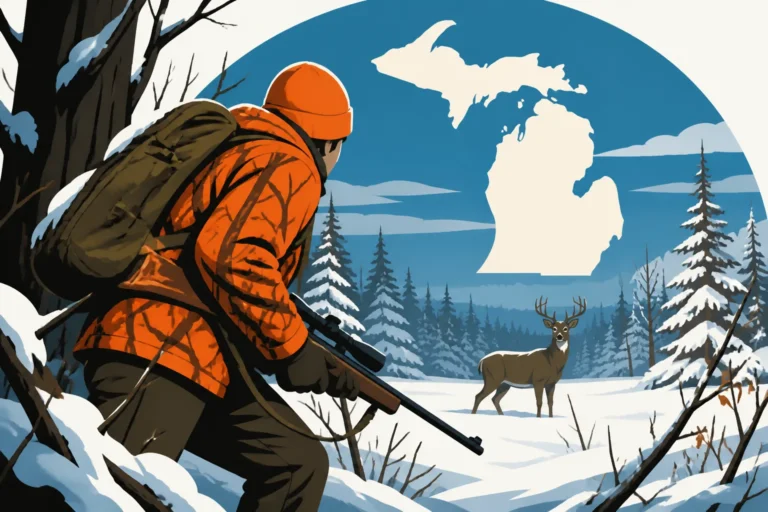
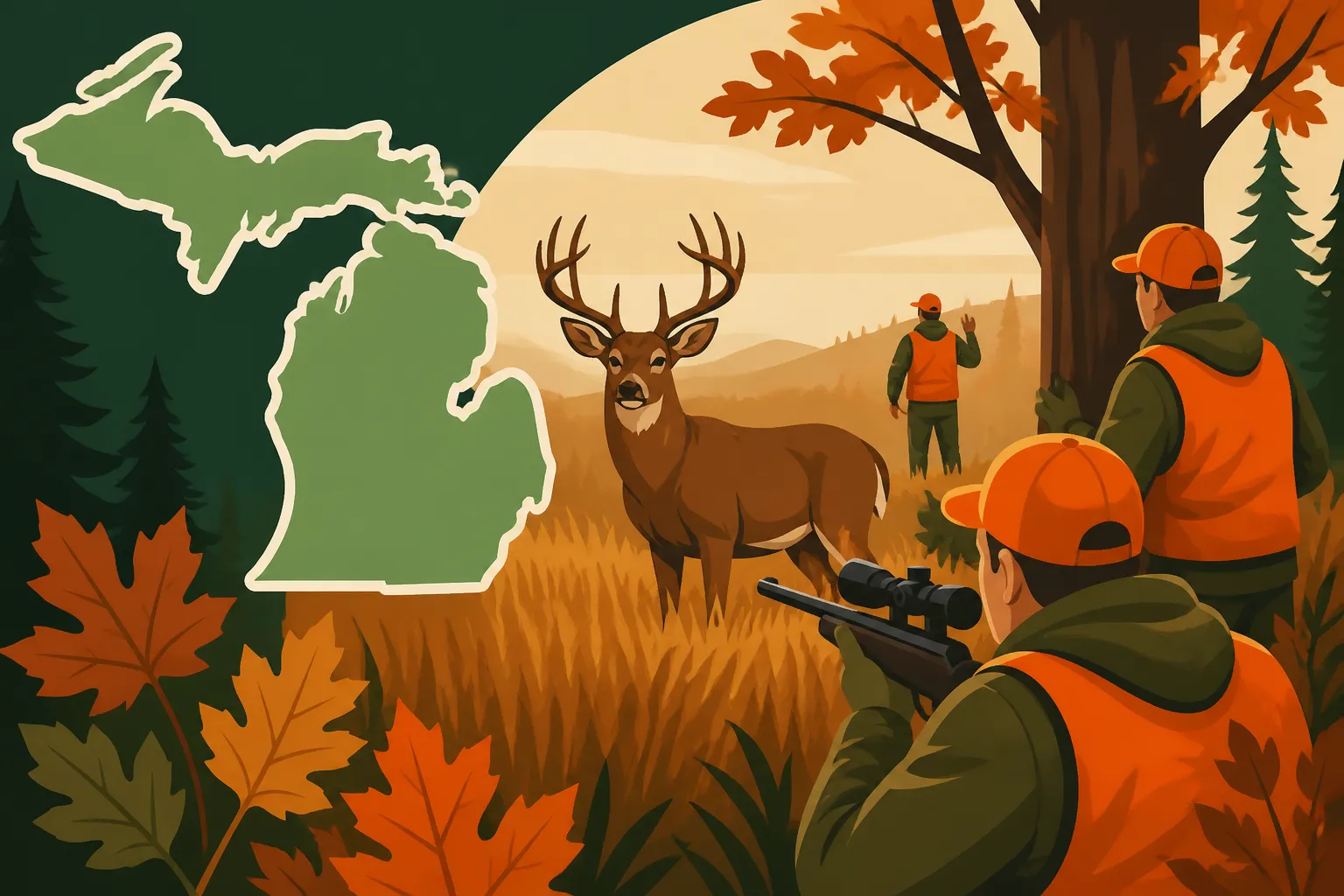
You've been out in the Michigan woods, maybe with just a couple of buddies or family members, and the thought of running a deer drive seems impossible. Most folks picture a dozen hunters spread out across a mile-wide front, pushing deer like a conveyor belt, but that's just not realistic for many of us. This guide is all about showing you how to effectively run a deer drive with just three or four hunters, maximizing your chances even on pressured public land.
Understanding the "Small Group" Deer Drive in Michigan
The idea of running a deer drive with a handful of people can feel a bit daunting, especially when you're used to hearing about massive operations. But trust me, some of the most effective, safest, and frankly, most fun drives I've ever been a part of were done with just three or four hunters. It's not about brute force; it's about smart tactics, intimate knowledge of the land, and a coordinated effort.
Why Small Group Drives are Effective
Forget the image of a wall of orange pushing everything in sight. That kind of drive often just blows deer out of the country in a panicked sprint, making them nearly impossible to get a shot at, and it can be dangerous if not meticulously planned and executed with ample personnel. Small group drives, on the other hand, are about subtle nudges and intelligent funneling. You're not trying to move every deer in a section; you're trying to gently guide a few deer, or even just one specific buck you've patterned, towards well-placed standers. This finesse allows you to work smaller, more manageable pockets of cover, like a thick cedar swamp island or a dense regeneration cut, where deer feel secure.
The real advantage here is precision. With fewer people, you can be more agile and responsive to the deer's behavior. Instead of being a chaotic stampede, it becomes more like a strategic chess match. You're playing to the deer's natural tendencies to slip away quietly rather than bolt. This often leads to deer moving at a walkable pace, offering better shot opportunities for the standers. Plus, it’s a whole lot less intimidating to coordinate a drive with two or three others than trying to wrangle a dozen people.
Key Principles for Success
Before you even step foot in the woods, there are a few foundational principles that make any small-group deer drive a success, especially here in Michigan where the terrain and hunting pressure can vary wildly. The first, and arguably most important, is safety. Always, always, always know where every single person in your group is, and more importantly, where they should be. Communication is critical, and we’ll dive deeper into that shortly, but a pre-drive briefing is non-negotiable. Discuss shot angles, potential deer movement, and absolute no-shoot zones.
The second principle is a deep understanding of deer movement. This isn't just about knowing where deer bed; it's about understanding how they prefer to exit those bedding areas when pressured. Do they skirt the edge of a swamp, cut through a narrow bottleneck, or follow a subtle ridge line? Knowing these escape routes is paramount to effectively placing your standers. The third principle ties directly into this: terrain knowledge. Michigan offers such a diverse landscape, from the rolling hardwoods of the Northern Lower Peninsula to the dense cedar swamps of the Upper Peninsula, and each type of terrain dictates a different approach. A drive that works in a flat aspen cut will likely fail in a steep river bottom. Finally, communication, even with just three or four people, is vital for coordination, safety, and ultimately, success.
Planning Your Three or Four-Person Drive
The success of any small-group deer drive hinges almost entirely on meticulous planning. You can't just wander into the woods and expect to bump deer into your buddies. It requires careful scouting, understanding the land, and clear roles for everyone involved.
Scouting and Target Areas
This is where you earn your venison. Long before you even think about putting on your orange, you need to be scouting. Look for areas that naturally lend themselves to a small drive:
- Pinch Points and Bottlenecks: These are natural funnels where deer movement is restricted to a narrow corridor. Think about where a swamp narrows between two ridges, or a thicket is bordered by open fields on either side. These are ideal places for standers to cover.
- Bedding Areas: Identify dense cover where deer feel safe to bed down. This could be a stand of thick pines, a dense lowland swamp, or a brushy clearcut. Look for tracks, droppings, and rubs leading into and out of these areas.
- Escape Routes: Deer often have preferred escape routes when pressured. They might follow an old logging road, a slight elevation change, or skirt the edge of a specific type of cover. Understanding these tendencies is key to predicting where they’ll go.
Tools like the Michigan DNR's Mi-HUNT Map or even commercial apps like GoHunt can be incredibly useful here. They allow you to study aerial photos, topography, and public land boundaries right from your phone or computer. You can mark potential bedding areas, identify natural funnels, and plan your routes virtually before you ever hit the dirt. For example, if you're looking at a section of state land, you might identify a dense patch of conifer trees next to a hardwood ridge. That dense cover is likely a bedding area, and the transition point between the two habitat types could be a prime escape route. Learning to interpret these landscape features is crucial for success, especially when Scouting Michigan Public Land Before Season.
Assigning Roles: Drivers and Standers
With only three or four hunters, how you assign roles is critical. The goal is to maximize coverage and minimize the chances of deer slipping past undetected.
For a three-person drive:
- One Driver: This person moves through the designated cover. Their job is not to sprint or make a lot of noise, but to walk slowly and deliberately, occasionally making subtle sounds (a soft grunt, a stick snap, a quiet conversation) to encourage deer to move. Their pace should be controlled, allowing the standers ample time to react.
- Two Standers: These hunters are positioned strategically along known escape routes or pinch points. They need to be absolutely still, quiet, and ready. One stander might cover the primary escape route, while the other covers a secondary exit or a cross-wind travel corridor.
For a four-person drive:
- One or Two Drivers: With four people, you have a bit more flexibility. You could still use one driver if the cover is small and dense, or if you want an extra stander. Alternatively, two drivers can work a slightly larger or more complex piece of cover more effectively, maintaining a wider front and making it harder for deer to slip back. They should always be aware of each other's position.
- Two or Three Standers: If you use one driver, you get three standers, which is fantastic for covering multiple escape routes or widening your receiving line. If you use two drivers, you'll have two standers. Placement of these standers is paramount; they need to have clear shooting lanes, a good backdrop, and be positioned to intercept deer trying to circle downwind or escape through natural funnels. They are essentially creating a net, and their positions determine its effectiveness.
Remember, a "stander" doesn't necessarily mean sitting in a treestand, though that's often ideal. It means being in a stationary, concealed position, ready to shoot. This could be tucked behind a blown-down log, against a large oak, or in a natural blind. The most important thing is that they remain absolutely silent and still.
Here’s a quick overview of potential roles:
| Role | 3-Person Drive | 4-Person Drive | Key Focus |
|---|---|---|---|
| Driver(s) | 1 Driver: Slow, deliberate push through cover. | 1-2 Drivers: Wider front, gentle nudge. If 2, ensure coordinated pace. | Guide deer, maintain steady pace, use wind/terrain. |
| Stander(s) | 2 Standers: Cover primary & secondary escape routes. | 2-3 Standers: Maximized coverage. Position for clear shots and blocking escape. | Stillness, quiet, covering shooting lanes, anticipating deer movement. |
| Safety | Constant awareness of positions, pre-drive briefing. | Enhanced communication for wider fronts, strict adherence to safety zones. | Confirming positions, shot direction, no-shoot zones, communication. |
| Coordination | Clear route and end points, simple communication signals. | More complex communication, clear start/stop signals for drivers. | Knowing the terrain, deer habits, and roles. |
Communication is King
In any deer drive, but especially with a small group, clear and consistent communication is absolutely non-negotiable. Without it, you risk not only a failed drive but also potential safety hazards. Before the drive even begins, everyone must understand the plan:
- Pre-Drive Briefing: Go over the map, point out where each stander will be, the exact route the driver(s) will take, and the planned end point. Discuss potential deer escape routes and agree on specific areas that are no-shoot zones due to terrain, roads, or safety zones (e.g., near occupied buildings, per Michigan Safety Zone Rules).
- Two-Way Radios: These are invaluable. They allow for real-time updates without shouting and spooking deer prematurely. Agree on simple, clear codes or phrases. For instance, "Driver one is at the big oak" or "Deer moving northeast" are much better than a continuous chatter. Test them thoroughly before you start. Brands like Midland or Motorola offer reliable, durable options that are perfect for the woods.
- Hand Signals (if visual contact is possible): For very short, tight drives where standers might see each other, simple hand signals can work. However, rely more on radios for anything beyond immediate visual range.
- Quiet Movement: Drivers should move slowly and quietly, letting the deer feel the pressure rather than hear it aggressively. Occasional, subtle noise is okay, but constant crashing through the brush just sends deer into a panicked run. Standers, of course, need to be absolutely silent and still.
- Start and Stop Signals: Have a clear, pre-determined signal for when the drive begins and ends. This could be a specific radio call, a quick series of taps on the radio mic, or a visual signal if close enough. This ensures everyone is on the same page and nobody starts moving prematurely or assumes the drive is over too soon.
Effective communication ensures everyone acts as a cohesive unit. Even if you're just hunting Deer Drives With Three or Four Hunters, the coordination makes all the difference.
Executing the Drive Safely and Strategically
With your plan in place and roles assigned, it's time to put boots on the ground. Execution is where theory meets reality, and careful attention to safety and strategy will pay off.
Stander Placement and Safety Zones
This is arguably the most critical aspect for the standers. Your goal is to be in a position where you can intercept deer moving naturally, but also where you have a safe, clear shot.
- Identify Natural Funnels: As discussed, these are your prime locations. Where a thick bedding area meets open timber, or where a ridge drops into a swamp, are excellent spots. Deer will often try to skirt the edges of these terrain features.
- Visibility and Concealment: You need to see the deer coming, but they shouldn't see you. Use natural cover like large trees, blowdowns, or even a subtle rise in terrain for concealment. Being elevated in a treestand often provides an advantage, allowing you to see over brush and offering a safer downward shot angle. If you're on public land, remember the rules about leaving stands overnight.
- Clear Shooting Lanes: Before the drive begins, ensure you have several clear shooting lanes in the most likely directions a deer will approach. Trim small branches if necessary, but don't overdo it and make your position obvious. Think about where a deer will be when it's broadside or slightly quartering away.
- Backstops are Paramount: Every single shot you take must have a safe backstop. Never shoot towards another hunter, a road, a building, or any unknown area. This means being intimately familiar with the terrain behind your target and understanding the trajectory of your bullet or arrow. With limited hunters, it's often easier to designate specific zones for each stander, ensuring there's no overlap in their potential shot directions. This is particularly important when Posting a Drive on a Michigan Swamp where visibility can be limited.
- Maintaining Stillness and Silence: Once in position, standers need to become part of the landscape. No fidgeting, no talking (unless absolutely necessary on the radio, and then keep it brief and quiet), no rustling. Deer have incredible hearing and eyesight, and any slight movement or sound can blow the entire drive.
Driver Tactics for Controlled Movement
The driver(s) in a small group aren't trying to make noise like a freight train. Their job is to subtly apply pressure, making the deer uncomfortable enough to move, but not panicked.
- Slow and Deliberate Pace: Walk slowly, even slower than you might still-hunt. The idea is to allow deer to feel the pressure and ease away, rather than exploding out of cover. A slow pace also allows you to observe deer movement and communicate it back to the standers.
- Utilize Wind and Terrain: Whenever possible, try to drive with the wind quartering to your back or side. Deer will often try to circle downwind to get a scent of what's pressuring them. If your standers are downwind, this works to your advantage. Use terrain features, like the edge of a ridge or a subtle valley, to naturally guide deer in the desired direction. For example, if you're pushing a thicket that borders a clearcut, you might angle your walk slightly to push deer along the tree line rather than into the wide-open.
- Subtle Noises and Pauses: Don't be afraid to make some noise – a branch snap, a soft grunt, a light tap of your boots – but keep it intermittent and natural. Every now and then, pause for 30-60 seconds. Deer will often stop to listen when they hear pressure, and a pause can make them nervous enough to start moving again, perhaps directly towards a waiting stander.
- Know When to Engage (or not): As a driver, you might jump deer that try to slip back behind you. Unless you have a clear, safe shot and it doesn't compromise the overall drive, sometimes it's better to let them go. The primary objective is to push deer towards the standers. Your role is not primarily to shoot, but to guide. This is a common tactic when hunting specific habitats like those described in Hunting Michigan Cedar Swamps or Hunting Michigan Clearcuts and Aspen Cuts.
Adapting to Michigan's Diverse Terrain
Michigan's landscape is incredibly varied, and a one-size-fits-all approach to deer drives simply won't work. You've got to adapt your strategy to the specific habitat you're in.
- Cedar Swamps: These are classic bedding areas, especially in the Northern Lower Peninsula and Upper Peninsula. The cover is incredibly dense, and deer often feel very secure. A small-group drive here needs to be slow and methodical. Drivers will push through the swamp, not just around it. Standers should be placed on the edges where the swamp transitions to higher ground, or along subtle "runways" within the swamp itself. Understanding Reading a Michigan Cedar Swamp for Deer is essential here. You're not trying to push them out in a straight line; you're often trying to get them to circle or use natural openings.
- Aspen and Hardwood Clearcuts: These are magnets for deer due to the browse and thick cover. The challenge here is the sheer density of saplings, which makes visibility difficult for both drivers and standers. Drivers need to move very slowly, perhaps even pausing more frequently, knowing deer will try to slink through the thickets. Standers should be positioned on benches above the cuts, or along the downwind edges where deer typically exit into more open timber. Setting Up on an Aspen Cut Edge is a great strategy.
- Southern Michigan Farm Country: Here, deer often bed in small woodlots, brushy fence rows, or even standing cornfields. Drives tend to be shorter, sharper, and focus on pushing deer from these smaller cover pockets into adjacent timber or across food plots. Standers might be positioned on the edges of woodlots or along hedgerows, with a strong emphasis on knowing what's beyond the field of fire, as houses and roads are often closer.
- Rolling Hardwoods: In areas with more mature timber and rolling hills, deer drives can be trickier. Deer have more visibility and more options to slip away. Here, focus on pushing smaller fingers of cover, or driving from one ridge top down into a valley where standers are positioned on the opposite slope, covering escape routes that lead back up the next ridge. The key is to avoid driving large, open timber where deer can easily run through.
The beauty of a small-group drive is its flexibility. You can target specific thickets, swamp islands, or small pockets of timber that larger groups might overlook or deem too small. This allows you to really dial in your tactics to the hyper-local terrain features of Michigan.
Post-Drive Considerations and Learning
The drive doesn't end when the shot is fired, or even when no deer are taken. There's a valuable learning opportunity after every single drive, and important ethical responsibilities.
Learning from Each Drive
After every drive, take some time, even just a few minutes, to debrief with your group. This reflective practice is crucial for refining your tactics and improving future drives.
- Analyze Deer Movement: Did deer move where you expected them to? Did they circle back? Where did they escape? Use the information from the standers and drivers to understand the deer's behavior. Perhaps a buck slipped out a side that wasn't covered, or a doe busted out the front in a panic. Document these observations, perhaps by marking them on your GoHunt map or a physical map.
- Evaluate Stander Placement: Were the standers in the best possible spots? Did they have clear shots? Could they have been moved just 20 yards to cover a crucial trail? Sometimes, what looks good on a map doesn't work as well in person.
- Assess Driver Effectiveness: Was the pace too fast or too slow? Was the noise level appropriate? Did the driver stick to the planned route? Honest feedback among the group helps everyone improve.
- Adjust for Next Time: Use these lessons to tweak your approach for the next drive, even if it's in the same general area. Deer patterns can change, and your strategy should evolve with them. What worked last year might not work this year, and what worked this morning might need a slight adjustment for the afternoon.
This continuous learning cycle is what makes you a more effective hunter. Don't be discouraged if a drive doesn't yield a deer. The process of learning deer behavior and terrain is a reward in itself.
Ethical Considerations and Game Recovery
Whether you get a deer or not, ethical considerations are paramount. If a shot is taken, your responsibility doesn't end there.
- Immediate Follow-Up: If a deer is hit, everyone in the group should assist in recovery. Mark the last spot the deer was seen and the point of impact. Discuss the shot placement and the deer's reaction. Wait for a reasonable amount of time before starting the track, especially if it was a marginal hit.
- Thorough Tracking: Be methodical and patient when Blood Trailing After Dark in Michigan or in low light. Look for blood, hair, bone fragments, and track direction. Spread out to cover a wider area, but stay within sight and earshot of each other. A small group is highly effective for this.
- Respect for the Animal: Always treat the animal with respect. Once recovered, properly tag and validate your harvest according to Michigan DNR regulations.
- Field Dressing and Care: Get the deer field dressed promptly, especially on warmer days. This helps cool the meat and prevent spoilage. If it's cold, knowing how to do a Field Dressing a Deer in Cold Weather can save you from a messy situation. If you're successful and plan to Butchering a Deer at Camp, ensure you have the proper tools and a clean setup.
Running deer drives with just three or four hunters is not only possible but can be incredibly rewarding. It demands more thought, more planning, and more precision, but it results in a deeper understanding of the land and the deer you pursue. It’s a fantastic way to engage with your hunting partners and make the most of Michigan's diverse hunting opportunities.
Disclaimer
The information provided in this article is for general guidance and informational purposes only. Hunting regulations, safety requirements, and best practices can change. Always consult the latest Michigan Department of Natural Resources (DNR) regulations and guidelines before heading into the field. Hunter safety should always be your top priority.