Michigan Deer Camp Traditions
The Michigan deer hunting season, especially firearm season, isn't just about the hunt itself; it’s an annual pilgrimage, a cherished ritual for countless families and groups. Many hunters grapple with the increasingly busy woods and the demands of modern life, yet the pull of deer camp remains incredibly strong. This guide dives deep into what makes Michigan deer camp traditions so special, exploring the unwritten rules, the heartwarming camaraderie, and how these cherished customs are passed down through generations, ensuring their legacy continues.
The Enduring Spirit of Michigan Deer Camp
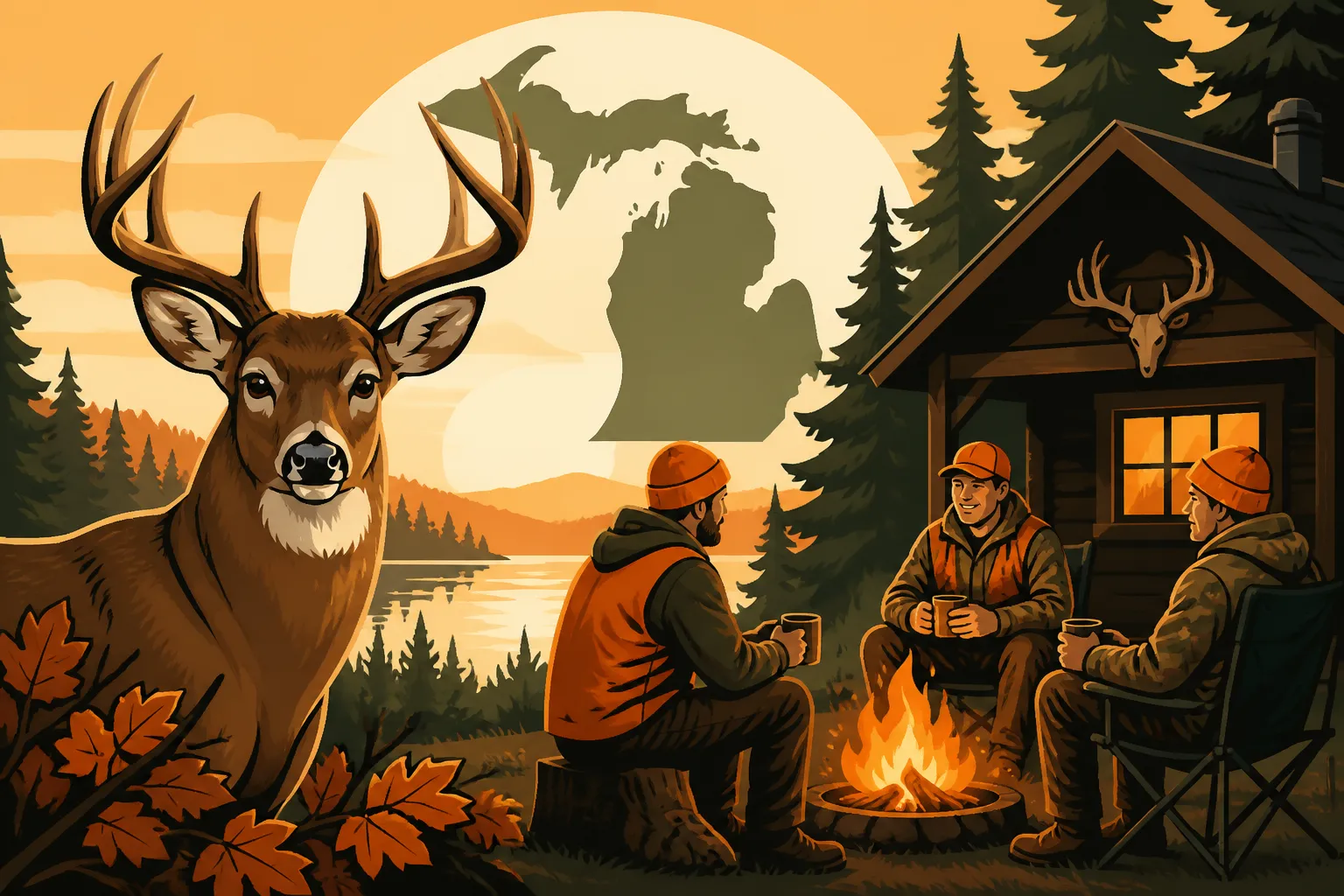
For many, the thought of Michigan deer hunting conjures images not just of tracking big bucks through snowy woods, but of the rustic cabin, the crackling fireplace, and the familiar faces gathered around a well-worn table. Deer camp is a place where time slows down, where the worries of the outside world fade, and where the bond between hunters is forged anew each year. It's a testament to tradition, a ritual that transcends generations, pulling people back to the woods year after year.
More Than Just a Hunting Trip
Let’s be honest, hunting can be a solitary pursuit. But deer camp flips that on its head. It transforms individual endeavors into a collective experience, a shared journey. It’s where stories of past seasons grow taller with each retelling, where practical advice is exchanged freely, and where the sense of community feels almost palpable. You might spend hours alone on a stand, shivering in the crisp November air, but you know that at the end of the day, a warm meal and eager ears await you back at camp. This communal aspect is what truly sets deer camp apart, making it an anchor in the often-turbulent seas of our modern lives. It’s not merely about filling a tag; it's about connecting with your heritage, your friends, and your family in a way that few other activities can rival. The anticipation leading up to it, the planning, and the collective effort involved in preparing for the season are all part of the deep-rooted tradition.
The Annual Migration North
For many Southern Michigan hunters, deer camp often means an annual "migration north." Whether it's to the sprawling state forests of the Northern Lower Peninsula or the vast wilderness of the Upper Peninsula, the journey itself becomes part of the ritual. Vehicles loaded with gear, coolers, and eager anticipation make their way along I-75, US-23, or US-131, heading to a beloved cabin or a rented cottage that serves as their home base for the week. This trek is often punctuated by traditional stops—a favorite diner for breakfast, a specific bait shop for last-minute supplies, or a quick visit to a local landmark. These pit stops are just as much a part of the experience as the hunt itself, cementing the feeling of tradition and the shared adventure that defines deer camp. For those with camps in the U.P., it's an even longer journey, crossing the Mackinac Bridge and entering a different world entirely, a world where the deer are often tougher to find, but the rewards are all the sweeter. This annual journey reinforces the sense of purpose and commitment that underpins the entire deer camp experience.
Rituals and Rites of Passage at Camp
Every deer camp, no matter how big or small, has its own unique set of rituals and unspoken rules. These aren't written down anywhere, but they are understood by everyone who steps foot into the hallowed halls of camp. From the way the coffee is brewed to the order in which stories are told, these traditions provide comfort, structure, and a deep sense of belonging. They are the threads that weave the fabric of deer camp, making each year feel familiar and yet uniquely special.
From Opening Morning Breakfast to Evening Stories
The rhythm of deer camp is often dictated by the sun and the deer. Opening morning breakfast, for instance, is a serious affair. Before the first hint of dawn, someone is usually up, frying bacon, scrambling eggs, and brewing enough coffee to wake the dead. This isn't just fuel; it's a ceremonial send-off, a moment of quiet anticipation before everyone disperses into the pre-dawn darkness. When hunters return, regardless of success, the evening meal is another cornerstone. It's a time for decompression, for sharing the day's events, and for the inevitable exaggeration of close calls and missed opportunities. These nightly gatherings are where the legends are born, where the bonds are strengthened, and where memories are made. Using an app like GoHunt to share photos or quick notes from the stand can even become a modern camp ritual, helping everyone stay connected throughout the day before reconvening. These shared meals and stories aren't just about food; they're about the shared human experience of the hunt, the highs and lows, and the collective spirit of the camp.
The Unspoken Rules and Camp Chores
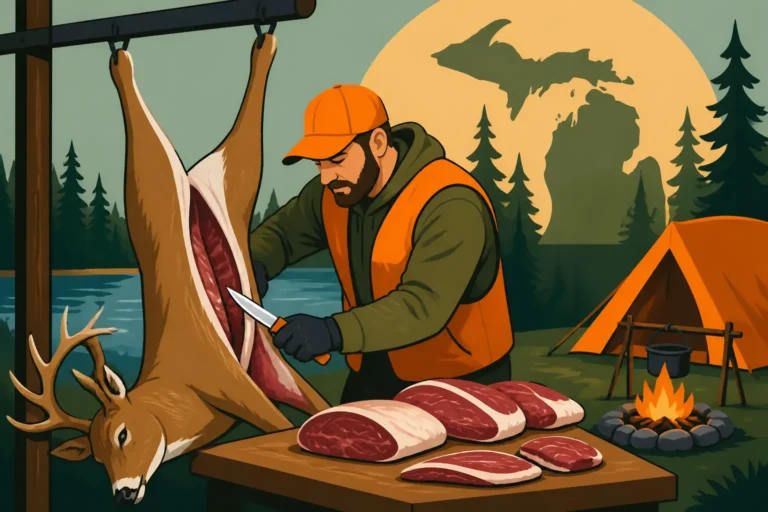
Every deer camp has its hierarchy and its responsibilities, often without a single word being spoken. The youngest member might be tasked with keeping the fire stoked or washing dishes, while the camp elder might be the designated cook or storyteller. There's an unwritten code of conduct: no snoring too loudly, don't leave your gear scattered, and always offer to help when a deer is down. For those who manage to harvest a deer, the work truly begins. There's the careful process of Field Dressing a Deer in Cold Weather, making sure the meat is handled properly. Then comes the challenging task of Getting a Deer Out of a Michigan Cedar Swamp or dragging it back to camp, often a group effort that tests both strength and resolve. Once at camp, the skinning, butchering, and proper storage of the venison become communal activities. Even something like Reporting a Michigan Harvest in 72 Hours can be a group event, ensuring all legal requirements are met. These shared tasks, far from being burdens, are opportunities for teaching, learning, and reinforcing the mutual respect that is central to deer camp life.
Passing Down the Torch: Youth and New Hunters
One of the most heartwarming aspects of Michigan deer camp is its role in initiating new generations into the hunting tradition. It’s where young hunters learn not just how to hunt, but how to respect the land, the animals, and the time-honored customs that define their heritage. This is a critical responsibility, ensuring that the legacy of deer camp, and Michigan hunting in general, continues for decades to come.
Initiating the Next Generation
Bringing a youngster to deer camp for the first time is a profound experience for everyone involved. It's an initiation, a rite of passage that instills values, patience, and a deep connection to the natural world. They learn how to identify deer sign, the importance of wind direction, and the art of sitting still and being observant. More importantly, they learn about responsible firearm handling, the ethics of fair chase, and the respect due to harvested game. The Michigan DNR offers programs like The Michigan Mentored Youth Licence Package, which encourages experienced hunters to take new, young hunters into the field. This mentorship is often formalized at deer camp, with older hunters taking the time to patiently teach everything from tracking skills to storytelling techniques. These early experiences, surrounded by supportive family and friends, lay the groundwork for a lifelong passion for hunting and conservation, ensuring that the spirit of deer camp lives on.
Adapting Traditions for Modern Hunters
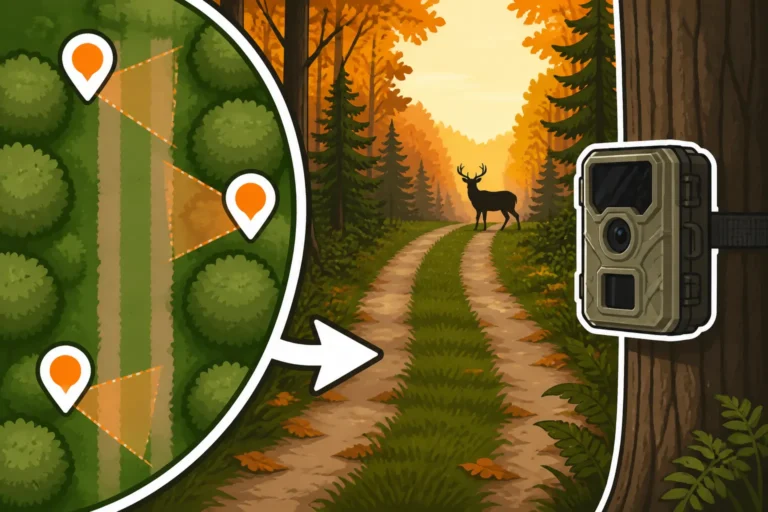
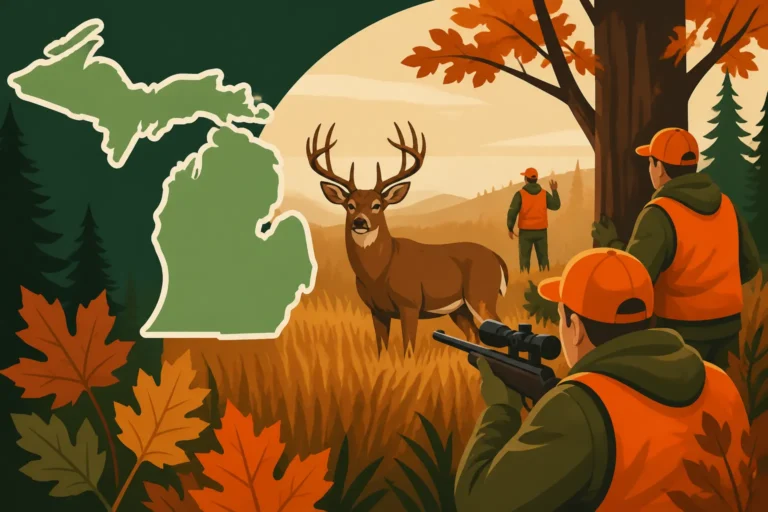
While the core values of deer camp remain constant, certain traditions naturally evolve. As hunters get older, or as new technology emerges, camps find ways to incorporate modern conveniences without losing the essence of the experience. Maybe the old map on the wall is supplemented by a GPS unit or a hunting app like GoHunt, which can help in Finding Ground That Sees Fewer Hunters on crowded public lands. Perhaps the traditional Deer Drives With Three or Four Hunters are still performed, but now with walkie-talkies to ensure safety and coordination. New generations might introduce different cooking styles, or even new ways to entertain themselves during downtime. The key is adaptation—embracing changes that enhance safety, comfort, or effectiveness, while holding firm to the fundamental spirit of camaraderie, respect, and the love for the hunt. This flexibility allows deer camp traditions to stay relevant and engaging for everyone, from seasoned veterans to wide-eyed newcomers.
Beyond the Deer: Community and Camaraderie
Ultimately, deer camp is about more than just harvesting a deer; it’s about forging and reinforcing the bonds of community. It’s a place where friendships are deepened, family ties are strengthened, and where a unique sense of belonging flourishes. Even when the hunting is slow, the camp itself provides an invaluable experience. The stories told, the jokes shared, and the collective anticipation of the next morning's hunt are what truly define the experience.
The Camp Cook and the Storyteller
Every great deer camp has its key characters. There's often a designated camp cook, someone whose culinary skills are legendary and whose hearty meals are eagerly anticipated after a long, cold day in the woods. Their ability to turn venison, potatoes, and other simple ingredients into a feast is a cherished part of the tradition. Then there's the storyteller, the one who effortlessly recounts past hunts, spinning tales that are equal parts fact and folklore. These individuals, whether official or unofficial, are the heart and soul of deer camp, contributing immensely to the atmosphere and the shared enjoyment. These roles highlight the diverse contributions everyone makes, creating a rich tapestry of characters that makes each camp unique and memorable. Even discussions about the Michigan Deer Herd Size or the best ways to prepare wild game become part of the ongoing narrative, tying past and present experiences together.
Maintaining the Camp Through the Years
For many, deer camp isn't just a week-long gathering; it’s a year-round commitment to a place and a tradition. This often involves ongoing maintenance of the camp itself, whether it's a rustic cabin or a more modern lodge. From clearing trails, splitting firewood, or patching a leaky roof in the off-season, these tasks are labors of love, ensuring that the camp is ready for the next hunting season. Some camps even organize work weekends during the spring or summer, turning maintenance into another opportunity for bonding. These efforts are crucial, especially when considering the rising Michigan deer camp costs, as self-sufficiency can help keep the tradition accessible. Planning for the future, discussing potential improvements, and simply sharing ideas for the next hunt also contribute to keeping the camp alive and vibrant. The collective effort and foresight involved in maintaining a deer camp are a testament to the enduring value and cherished memories it provides, making it more than just a destination, but a living, breathing part of the hunting heritage.
| Deer Camp Tradition | Purpose/Value | Common Time/Frequency |
|---|---|---|
| Pre-hunt Meal | Fuel, camaraderie, calm before the storm | Early morning, before dawn |
| Storytelling/Debrief | Share experiences, bond, learn from successes/failures | Evening, after the hunt |
| Game Processing | Practical skill, communal effort, respect for harvest | Immediately after a kill |
| Camp Chores | Shared responsibility, maintenance, teaching discipline | Throughout the stay, daily |
| Mentoring New Hunters | Pass on knowledge, ethics, ensure future of hunting | Throughout the hunt, patiently |
| Planning Next Year | Future anticipation, continued connection | End of the trip, or post-season |
Disclaimer
Hunting carries inherent risks. Always prioritize safety, follow all Michigan Department of Natural Resources regulations, and obtain proper licenses before heading into the field. This guide is for informational purposes only and does not replace professional instruction or local regulations.