Michigan Muzzleloader Season Tactics
Hunting Michigan's muzzleloader season can feel like a whole different ballgame compared to the frenzy of the firearm season. By December, deer are often highly pressured, the weather is usually a brutal mix of cold and wet, and getting a single-shot opportunity with a primitive weapon adds a layer of challenge that can be incredibly frustrating. This guide is here to walk you through the specific tactics and preparations needed to find success and truly enjoy your time in the late-season woods, even when conditions are tough.
Understanding Michigan's Muzzleloader Season
By the time Michigan's muzzleloader season rolls around, usually in early December, the landscape has completely changed. The leaves are long gone, most of the firearm hunters have packed up their camps, and the deer have settled into a more predictable, yet often more wary, routine. This isn't your early-season bowhunt or the chaos of November; this requires a different mindset and approach.
Key Dates and Regulations
Michigan's muzzleloader season typically runs for a specific period in December, often after the general firearm season has concluded. It's crucial to check the Michigan DNR hunting guide every year for the exact dates, as they can shift slightly. You'll also need to be aware of the specific Michigan Muzzleloader Season Dates for your hunt. This period usually offers opportunities for both antlered and antlerless deer, depending on your license and the Deer Management Unit (DMU) you're hunting in. The rules for Michigan's archery split mean that if you have an archery license, you might even find yourself able to hunt concurrently with archery equipment in some areas, but always verify the specific regulations. For example, some DMUs have specific antler point restrictions (APRs) that apply, so understanding Michigan Antler Point Restrictions by DMU is key, even during the muzzleloader season. You're trying to fill a tag, sure, but you also want to make sure you're doing it legally and ethically within the state's framework.
Permissible Firearms and Ammunition
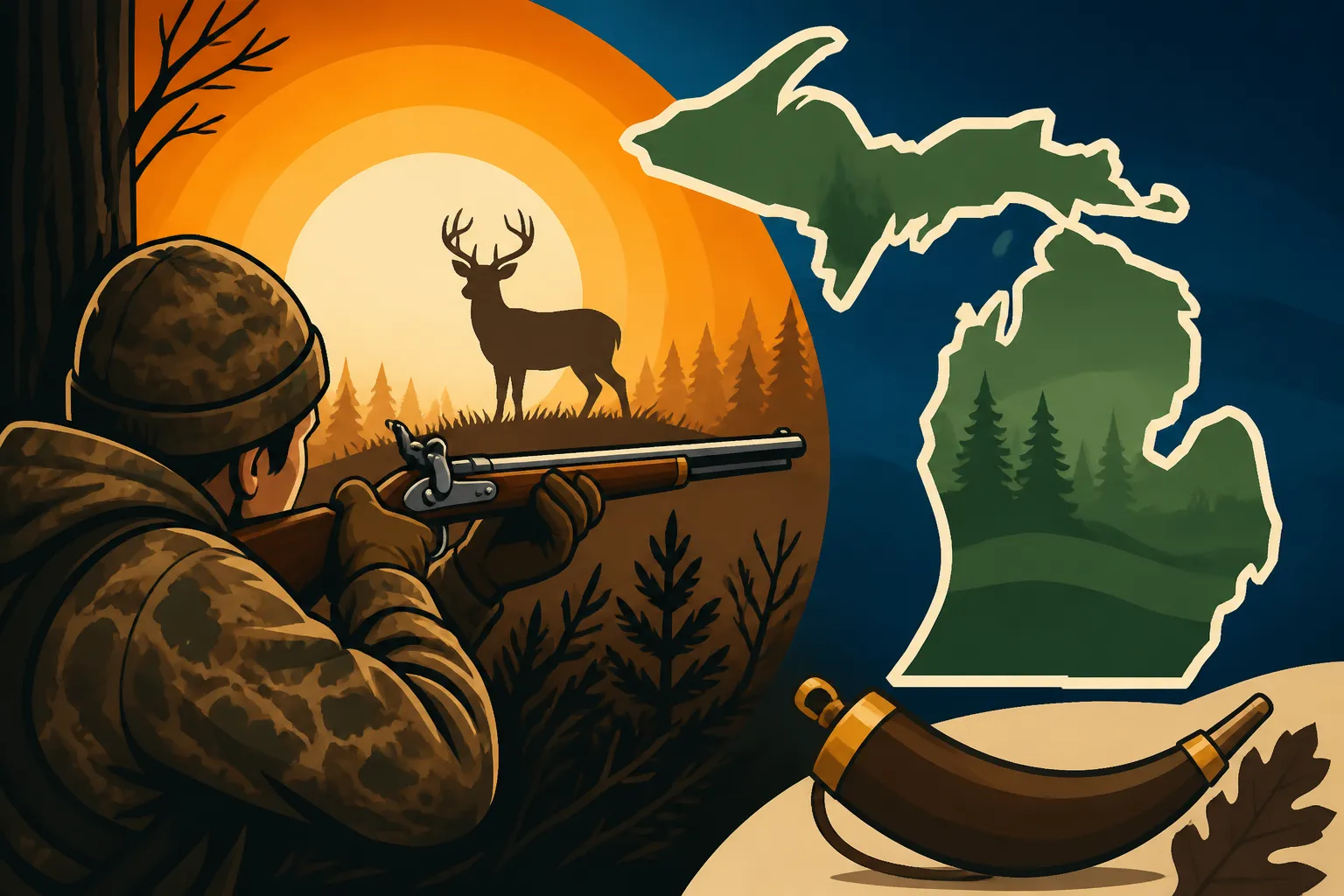
One of the biggest distinctions of the muzzleloader season is, of course, the weapon itself. In Michigan, during the designated muzzleloader season, you're restricted to traditional muzzleloading firearms, which generally means a single-barrel, single-shot firearm loaded from the muzzle. This includes percussion cap, flintlock, and primer-fed inline muzzleloaders. What's often overlooked are the specific ammunition rules. You can typically use sabots (a plastic sleeve that allows a smaller bullet to be fired from a larger bore), patched round balls, or conical bullets. However, Michigan has its own rules about where different firearms are allowed. If you're hunting in the southern Lower Peninsula, you're likely in the "Limited Firearm Deer Zone," which means you're restricted to shotguns, certain handguns, and straight-wall cartridge rifles, in addition to muzzleloaders. Always double-check your hunting location against the current regulations to ensure your chosen firearm and ammunition are legal for your specific area.
Weather Challenges of Late Season
December in Michigan is not for the faint of heart, especially when you're sitting still in a tree stand. You can expect anything from freezing rain and sleet to heavy snowfall and bone-chilling winds. Temperatures often hover around freezing or dip well below it, making proper layering and gear critical for comfort and safety. These harsh conditions impact not only you but also the deer. They become more focused on conserving energy and finding reliable food sources and thermal cover. Hunters often complain about numb fingers and toes, or their muzzleloader components freezing up. Being prepared for these realities is half the battle, and it means rethinking your usual approach to hunting.
Essential Muzzleloader Gear and Setup
Success in the muzzleloader season often hinges on your gear and how well you've prepared it for the rigors of late-season Michigan weather. It's not just about having a gun; it's about having a system that works when the elements are actively trying to shut you down.
Choosing the Right Muzzleloader
When it comes to picking a muzzleloader for Michigan, reliability and accuracy in adverse conditions are paramount. While a traditional flintlock might appeal to some purists, many hunters opt for modern inline muzzleloaders due to their increased accuracy, ease of cleaning, and better weather resistance. Brands like CVA, Traditions, and Thompson/Center offer excellent options that are widely available and well-regarded. Look for a .50 caliber, as it offers a good balance of power for whitetails and readily available components. Consider models with a robust action that won't easily freeze up and a synthetic stock that resists moisture better than wood. A crucial aspect of your setup is how you plan to Keeping a Muzzleloader Dry in Wet Snow. This isn't just about the external barrel; it's about protecting the breach plug, primer, and powder from moisture that can lead to misfires. Many hunters use plastic covers for the muzzle and electrical tape around the breach plug to create a tight seal, even adding a small piece of inner tube over the primer. Every little bit of protection helps when you're facing persistent drizzle or heavy, wet snow.
Optics and Sighting for December Conditions
Late-season hunting often means low light conditions, especially in Michigan's dense timber or heavy cedar swamps. A quality scope with good light-gathering capabilities is a huge asset. Don't skimp here; a 3-9×40 or 4-12×40 scope from a reputable brand like Leupold, Vortex, or Nikon will serve you well. Ensure your scope is waterproof and fogproof, and always use quality scope caps to protect the lenses from snow, rain, and debris. Beyond the scope, your iron sights should be in perfect working order as a backup, especially if you're venturing into really thick cover where a scope might be cumbersome or unnecessary for short shots. Before the season, take the time to zero your muzzleloader carefully, practicing from different positions and at various ranges you expect to encounter. Given the single-shot nature of a muzzleloader, that first shot is everything. For quick reference in low light, some hunters prefer an illuminated reticle, which can make a huge difference during those critical first and last minutes of legal shooting light.
Keeping Your Powder Dry
This old adage is especially true for muzzleloader hunters. The biggest enemy to a successful muzzleloader hunt in Michigan's December weather is moisture. Your powder, primer, and bore must remain absolutely dry. Many hunters carry pre-measured charges in speed loaders or plastic vials that are completely sealed. Using a waterproof container for your primers is non-negotiable. Beyond the components, the muzzleloader itself needs protection. A simple solution is a piece of electrical tape over the muzzle and another piece around the breech plug. Some specialized muzzleloader covers or even a balloon over the muzzle can work wonders. When you're sitting on stand, keep your rifle pointed down to prevent snow or rain from entering the barrel, and try to keep it tucked under your arm or a rain flap. This attention to detail can be the difference between a clean kill and a frustrating click.
Scouting and Stand Strategy for Late Season Bucks
Deer behavior shifts dramatically after the rut and pressure of firearm season. Your early-season scouting might be somewhat relevant, but late-season success demands a fresh look at the landscape, with a focus on survival and energy conservation.
Identifying Late-Season Food Sources
By December, many of the prime food sources from earlier in the fall are gone or have lost their appeal. Acorns are either buried under snow or have been devoured, and agricultural fields might be cut and picked over. Deer, especially bucks, are now primarily focused on regaining weight lost during the rut and preparing for winter. This means they're keying in on high-calorie, easily accessible food. Think standing cornfields (if not already picked clean), browse in clear-cuts and swamp edges, or specific mast crops like Beech nuts if you're lucky enough to find them. Finding Late-Season Food Sources for Whitetails is paramount. These can be incredibly localized. For instance, in the southern Lower Peninsula, small pockets of unharvested soybeans or corn can be gold mines. In northern Michigan, look for areas with dogwood, sumac, or persistent oak leaves that offer palatable browse. Using tools like the GoHunt app can help you identify agricultural fields or timber cuts that might hold these crucial late-season food plots, giving you a competitive edge. Pay attention to edges where different timber types meet, as these often offer a variety of browse options.
Thermal Cover and Bedding Areas
When temperatures drop and snow blankets the ground, thermal cover becomes critical for deer. They're looking for places that block the wind and offer some insulation. Thick conifer stands, especially cedar swamps, pine plantations, or dense spruce thickets, are prime examples. These areas offer shelter from the elements and often provide year-round browse. Deer will bed in these areas during the day, especially on sunny, south-facing slopes, to soak up what little warmth they can. Scouting these areas for fresh tracks leading in and out, or even fresh beds, can pinpoint exactly where deer are trying to escape the cold. Think about how deer are moving from these bedding areas to those late-season food sources; they'll often take the path of least resistance or one that offers the most cover. Understanding Where Big Woods Bucks Bed in Michigan can be a game-changer, as these areas become their safe havens.
Stealthy Entry and Exit Routes
Hunting pressured, late-season deer with a muzzleloader requires an almost fanatical attention to detail regarding your movement. Deer are on high alert, and any disturbance can send them packing. This means planning your entry and exit routes meticulously to avoid detection. On public land, this often means walking further, sometimes miles, to get away from roads and other hunters. Use terrain features like creek beds, drainage ditches, or the back side of ridges to conceal your approach. Always hunt with the wind in your favor, especially when approaching a known bedding or feeding area. For those who hunt private lands, consider asking landowners for access routes that might minimize disturbance. Utilizing the detailed mapping features on GoHunt can help you scout and plan these routes right from your phone, identifying natural funnels and cover that you can use to your advantage. Your goal is to get to and from your stand without the deer ever knowing you were there.
Effective Muzzleloader Hunting Tactics
With your gear squared away and your scouting done, it's time to put boots on the ground. Muzzleloader season tactics often blend aspects of both still-hunting and stand hunting, dictated by the brutal Michigan weather and the wary nature of late-season deer.
Stand Hunting Strategies in Cold Weather
Sitting still for hours in freezing temperatures requires mental toughness and a superior clothing system. For extended sits, a well-insulated ground blind can be a lifesaver, offering protection from the wind and precipitation. If you're in a treestand, make sure it's comfortable, and consider using insulated mats or pads to reduce cold transfer. Your clothing system, as discussed in Cold Weather Sitting Strategy, should be built on layers: a moisture-wicking base layer, insulating mid-layers (like fleece or down), and a waterproof/windproof outer shell. Wool is also an excellent choice, as it retains warmth even when wet. Hot beverages, hand warmers, and even a small, safe portable heater in a ground blind can make those all-day sits bearable. Patience is key. Deer movement is often concentrated during the warmest parts of the day, usually mid-morning to mid-afternoon, as they leave bedding to feed. Target these times, but be prepared to sit through the cold.
Still-Hunting Through Michigan Cover
Sometimes, sitting and waiting isn't the most effective strategy, especially if you're hunting vast tracts of public land or trying to locate deer that are constantly shifting. This is where still-hunting comes into its own. This slow, deliberate form of hunting involves moving incredibly slowly through cover, stopping frequently to scan, listen, and glass for deer. It's often most effective after a fresh snowfall, which muffles your footsteps and allows you to spot deer against the white backdrop. Focus on areas of dense cover where deer would naturally seek shelter – thick swamps, pine thickets, or deep draws. Move into the wind, or crosswind, always checking for deer movement before taking another step. This method is incredibly demanding but can put you face-to-face with a wary buck that would never walk past your stand. If you're considering Still-Hunting After a Michigan Snow, remember that quiet movement is absolutely paramount. Each step should be evaluated for potential noise.
The Role of Snow in Tracking
Snowfall is a muzzleloader hunter's best friend. It not only quiets your approach during still-hunting but also offers an invaluable tool for finding deer. Fresh snow allows you to easily identify deer trails, determine direction of travel, and estimate the size of the animal. Look for tracks leading from bedding areas to food sources, or vice-versa. Pay close attention to track depth, stride length, and disturbance to tell a walking deer from one that's trotting or running. This isn't just about finding deer to hunt; it's also crucial for recovery. If you do get a shot off, fresh snow can make Tracking a Deer in Michigan Snow infinitely easier. Blood trailing is much more visible, and even if there's no visible blood, disturbed snow, hair, or gut contents can lead you to your prize.
Post-Shot Procedures and Recovery
Taking a deer with a muzzleloader is a unique experience, but the job isn't done until the animal is recovered and properly cared for. The late-season cold offers both advantages and disadvantages in this crucial final stage.
Tracking a Deer in Michigan Snow
After the shot, especially with a muzzleloader, resist the urge to immediately jump up and run to where you last saw the deer. Give the animal time. A general rule of thumb is 30 minutes for a good shot, and an hour or more for a questionable shot, especially if you suspect a gut shot. This allows the animal to lay down and expire. Once you begin tracking, methodically follow the blood trail. In snow, even minimal blood shows up well, but don't just focus on the brightest spots. Look for small specks, rubs on branches, and disturbed snow. If you lose the trail, circle out to find it again, marking the last known blood sign. The cold weather slows down decomposition, giving you more time to track, but it also stiffens the ground, making deer less likely to leave a deep, clear impression. Having a good headlamp is non-negotiable, as Michigan's December days are short, and tracking after dark is often a necessity. You might also consider calling in help from friends or using a tracking dog if permitted and available.
Field Dressing and Meat Care in the Cold
The benefit of hunting in December is the natural refrigeration. Once you've recovered your deer, field dressing it quickly and efficiently is still crucial for meat quality. However, unlike early season hunts where you're racing against the heat, the cold temperatures work in your favor to cool the carcass. Get the entrails out to allow the body cavity to cool down. If you're on public land or a long walk from your vehicle, bringing a deer sled or a sturdy game cart can make the extraction much easier, especially through snow. Many hunters find that Deer Sleds for Snow Country are indispensable in the Upper Peninsula or northern Lower Peninsula. Once back at camp or your vehicle, hang the deer in a cool, sheltered place to properly age if desired. Keep the hide on for a day or two to protect the meat while it cools. Always follow Michigan's DNR reporting rules, ensuring you validate your tag and report your harvest within the required timeframe – usually 72 hours. This ensures your success contributes to valuable wildlife management data.
Disclaimer
Please note that hunting regulations, seasons, and licensing requirements can change annually. Always consult the official Michigan Department of Natural Resources (DNR) hunting guides and website for the most current and accurate information before planning your hunt. Safety should always be your top priority in the field.