Opening Day Tactics in Michigan
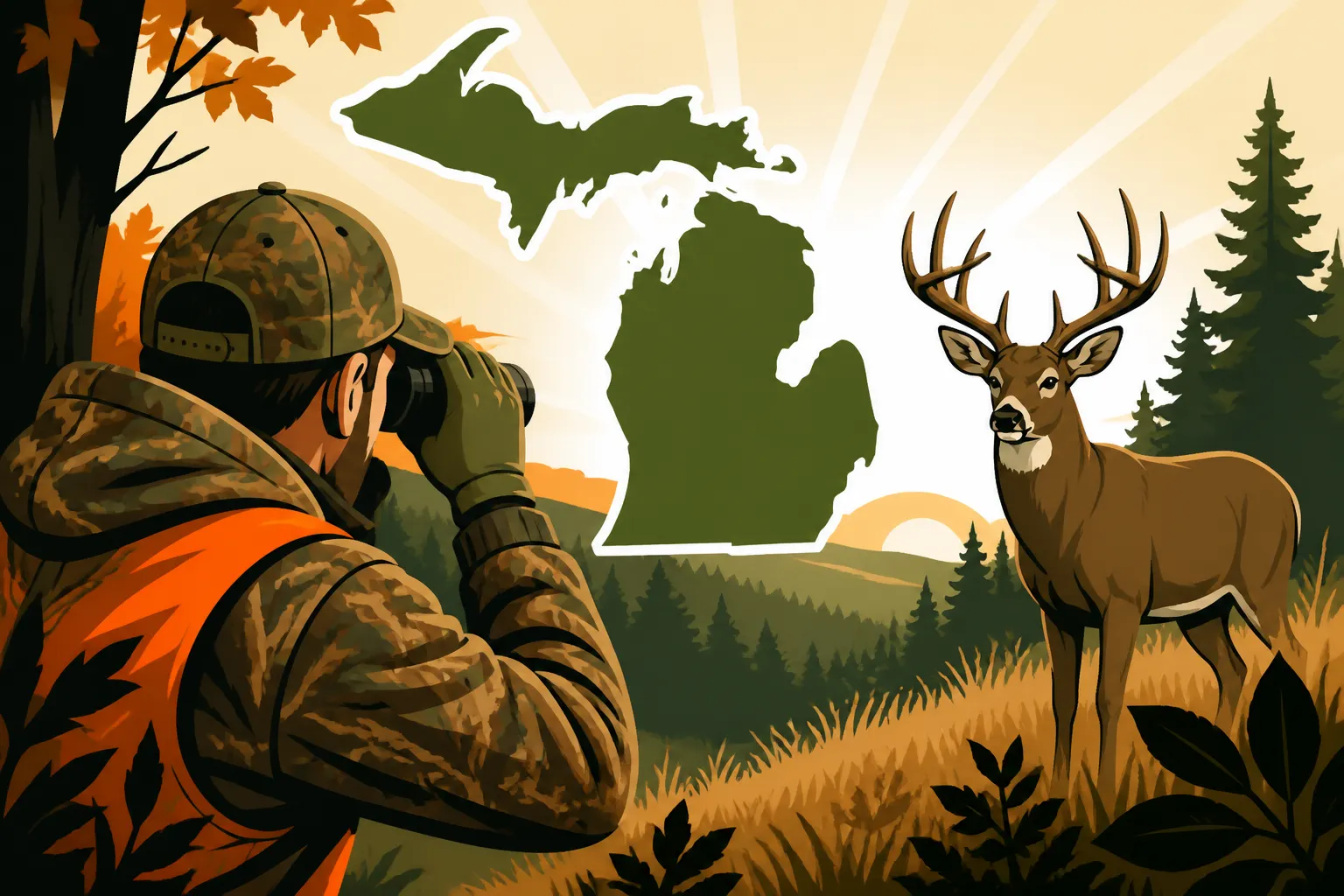
The sheer anticipation of opening day in Michigan is something every hunter can relate to. Whether it's the deer firearm season or the archery opener, that first morning holds immense promise, but it also often brings the frustration of increased hunting pressure and unpredictable deer movement. This guide is here to walk you through practical, real-world opening day tactics to help you navigate these challenges and put yourself in the best position for success.
Understanding Opening Day Pressure and Deer Behavior
Michigan is a state filled with passionate hunters, and that passion means opening day, especially for firearm deer season, can feel like Grand Central Station in some areas. This influx of human activity drastically changes deer behavior, often making your tried-and-true scouting spots suddenly go cold. It's crucial to understand this dynamic to adapt your approach and avoid common pitfalls.
The Impact of Hunter Crowds
The reality of hunting public land in Michigan, particularly during the firearm opener, is that you're going to encounter other hunters. Even on private land, neighboring properties often see increased activity. This isn't just about seeing another hunter in your spot; it's about the cumulative effect of vehicles driving in, scent left on trails, human voices, and the sheer number of boots on the ground. Deer, being creatures of habit and survival, react swiftly to this perceived threat. They don't just disappear; they shift their patterns, seeking out the quietest, most secure cover they can find. It’s a common frustration to have a fantastic trail cam history with a mature buck only for him to vanish the moment orange appears in the woods. This is why a simple stand setup over a food plot might work fine on private land mid-week but become a bust on a pressured opening day.
Deer Response to Increased Activity
When the woods fill with hunters, deer immediately become more nocturnal, moving primarily under the cover of darkness. Daytime movement often shifts to the thickest, nastiest cover available—places hunters typically avoid. They'll also use areas with natural barriers or difficult access as sanctuaries. Think about those dense cedar swamps, incredibly steep ravines, or even just a small, overlooked brushy island within a larger block of timber. These are the places deer will retreat to. Their daily routine of feeding, bedding, and watering is still there, but the locations and timing of these activities change. Instead of moving openly in the morning or evening, they might make shorter, more cautious movements within heavy cover, or they might only emerge from bedding to feed under the moon. This is a critical factor for hunters to grasp; waiting for deer to return to pre-season patterns can lead to a long, unproductive sit.
Pre-Season Scouting and Stand Preparation
Your success on opening day isn't born on opening morning; it's forged weeks, if not months, in advance through diligent scouting and thoughtful stand placement. This pre-season work allows you to anticipate deer movement under pressure, giving you a distinct advantage.
Locating Key Opening Day Hotspots
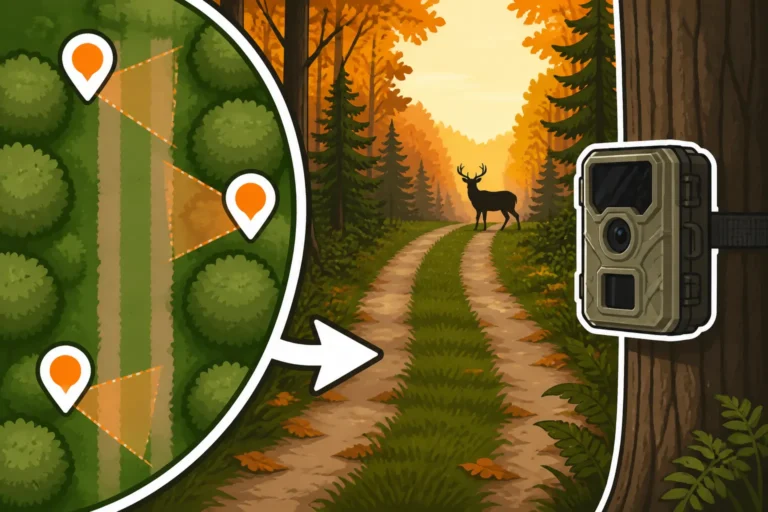
Effective opening day scouting isn't just about finding rubs and scrapes; it's about identifying pressure points and escape routes. Instead of focusing solely on traditional feeding areas that might be abandoned once hunters arrive, look for heavy bedding cover adjacent to subtle food sources or travel corridors that link two secure areas. Think about the path deer will take to escape from the pressure of neighboring properties or busy public access points. What's the thickest, least appealing piece of cover to you? That's often where the deer will go. Areas with natural barriers like deep ditches, extensive swamps, or even overlooked pockets of dense pines can become magnets for deer seeking refuge. Tools like the Mi-HUNT Map or specialized apps from GoHunt can be invaluable for identifying these potential sanctuaries and understanding property boundaries, helping you predict how deer will react when hunters start pushing through the woods. Look for funnels—pinches in topography or cover that force deer into predictable travel patterns, especially when they're on edge.
Setting Up for Success Before the Season Starts
Once you've identified these strategic locations, your next step is to get your stand or blind in place without alerting deer to your presence. This means doing the work well in advance of opening day. If possible, put up your stands or blinds a month or more before the season opener, allowing deer to get accustomed to their presence. Focus on quiet, low-impact entry and exit routes that minimize disturbance. When considering Treestand Setups in Michigan Hardwoods, think about mature trees that offer good concealment and a clear shooting lane, but also provide a vantage point over key travel corridors rather than just a feeding area. For ground blinds, brush them in heavily, using natural vegetation to break up their outline. The goal is for your setup to blend into the environment so seamlessly that deer don't perceive it as a threat. Pay close attention to prevailing wind directions for your chosen spot, but also have a backup plan for shifting winds, perhaps a secondary stand or blind in the same area. Remember, a stand that smells of human scent or is too visible on opening day can be a big deterrent.
Strategic Movement and Entry/Exit Routes
The approach and departure from your hunting location are just as critical as the stand itself on opening day. Careless movement can alert every deer in the vicinity, ruining your hunt before it even begins. This is where meticulous planning pays off.
Minimizing Disturbance on Your Way In
Opening morning is often dark, quiet, and filled with tension. Every snap of a twig, every rustle of leaves, can carry far in the pre-dawn stillness. Your entry route should be carefully chosen to minimize noise and scent. Avoid walking through bedding areas or known travel corridors where deer might already be moving. Instead, use natural terrain features like creek beds (if dry), logging roads (if low traffic), or dense thickets that muffle your footsteps. Wearing scent-free clothing and taking a circuitous route to stay downwind of your target area are non-negotiable. If you're hunting public land, consider how other hunters might be approaching their spots. Can you use their movement to your advantage, perhaps setting up on an escape route the deer might use to get away from them? For those flat, featureless expanses, developing quiet Entry Routes on Flat Michigan Ground is paramount. A good technique is to move slowly, pausing frequently to listen and scan. Some hunters even use a headlamp with a red or green filter to reduce its visibility to deer, although often, it's best to use minimal light once off established trails.
Planning Your Exit Strategy
Just as important as your entry is your exit. Many hunters focus so much on the morning hunt that they neglect to plan how they'll leave their stand without blowing deer out of the area. A hasty or noisy exit can educate deer and ruin subsequent hunts, especially if you plan to return to that spot. If you've hunted all morning and haven't seen anything, consider a strategic midday exit. If possible, wait for a natural lull in deer movement, or time your exit with the movement of other hunters that might create a distraction. When planning your route, think about where deer might be bedding down during the day. Can you walk a path that avoids these areas, perhaps walking crosswind or even into the wind if it's not blowing towards known bedding? If you're fortunate enough to harvest a deer, having a plan for Getting a Deer Out of a Michigan Cedar Swamp or other challenging terrain will make the recovery process smoother and less disruptive to the overall area. It's about thinking ahead, always putting the long-term potential of your hunting spot before a quick and easy departure.
All-Day Sitting and Mid-Day Adjustments
Many hunters give up by mid-morning on opening day, thinking deer movement is over. This is often a huge mistake, especially with increased pressure. Deer, especially mature bucks, often become active in the middle of the day as they navigate pressured environments or are pushed by other hunters.
The Virtue of Patience on Stand
Opening day isn't always about that first rush of activity right at dawn. With so many hunters out there, deer are often on the move throughout the day as they get bumped or as they seek out new, quieter bedding areas. This makes an all-day sit a highly effective strategy, particularly in regions where Hunting Pressure on Michigan State Land is significant. Don't fall into the trap of heading back to camp or your vehicle just because the morning seems slow. Pack a good lunch, plenty of water, and extra layers to stay comfortable. Being patient means being ready for that unexpected mid-day encounter when a buck, pushed from a neighboring property, silently slips through the timber. This can be especially true during Michigan's firearm opener, where deer drives often push animals through dense cover during what would normally be quiet hours. You might be surprised at what walks past your stand between 10 AM and 2 PM when most other hunters are taking a break.
Adapting to Changing Conditions
Even with the best pre-season planning, opening day can throw curveballs. The wind might shift unexpectedly, a new cut might appear, or an unforeseen influx of hunters could change deer movement. Being adaptable is key. If your primary stand location isn't producing, and you've confirmed that the wind is wrong or pressure is too high, don't be afraid to make a midday move. This doesn't mean blindly crashing through the woods; it means having a secondary plan. Perhaps you have another stand hung on a different wind, or you've scouted a secluded ground blind location deeper in the timber. Maybe a quick check of your GoHunt app reveals a new clearcut just a mile away that wasn't there during summer scouting, and now offers fresh browse. Often, the best move might be a subtle still-hunt along a dense cover edge or a slow, careful stalk through a thick pine stand where deer are likely to be holed up. Keep an eye on the weather, too. A sudden cold front or a light rain can get deer moving again after a lull.
Specific Tactics for Different Michigan Habitats
Michigan's diverse landscape means that effective opening day tactics aren't one-size-fits-all. What works in a sprawling Upper Peninsula cedar swamp won't necessarily apply to the agricultural fields of the Lower Peninsula.
Hunting Swamps and Thick Cover
Michigan is home to vast stretches of swamps, from the dense tag alders of the northern Lower Peninsula to the iconic cedar swamps of the Upper Peninsula. These areas are often overlooked or avoided by many hunters because they are tough to navigate, wet, and full of mosquitoes. However, this is precisely why they become sanctuaries for deer, especially on opening day when pressure is high. Rather than trying to penetrate the deepest, nastiest parts, focus on the edges. Deer will often stage in these thick edges before cautiously moving out to feed, or they'll use them as travel corridors to escape pressure. Look for higher ground within the swamp, dry humps, or subtle ridges where deer will bed down. These areas provide security and allow deer to easily observe their surroundings. When Hunting Michigan Swamp Edges for Deer, consider hanging a stand on the edge where the swamp transitions to more open timber, or finding a strategic pinch point within the swamp itself. The scent and sound of other hunters can push deer right into these seemingly impenetrable spots.
Tactics for Aspen Cuts and Regenerating Timber
Young aspen clearcuts and regenerating timber stands are magnets for deer due to the abundant browse and thick cover they provide. On opening day, these areas can be tricky. While they offer excellent food and bedding, they can also be noisy and difficult to navigate quietly, making deer extra wary. The key is to find the fringes or transition zones. Bucks, especially, will often skirt the very edges of these cuts, using the cover for security but still having access to the fresh growth. Setting up a stand or ground blind on a prevailing downwind side of an aspen cut, watching a travel corridor that parallels the edge, can be highly effective. Deer will often follow these paths, moving between bedding in the cut and a more substantial food source. For detailed guidance, check out Setting Up on an Aspen Cut Edge. Also, remember that these areas are often used by grouse hunters, so factor in potential human disturbance and adjust your timing accordingly. Early morning or late afternoon can be prime.
Field Edges and Agricultural Areas
Southern Michigan is characterized by its agricultural landscapes, with sprawling corn, soybean, and alfalfa fields. Deer here often bed in nearby woodlots or pockets of cover and move into fields to feed. On opening day, especially during firearm season, these patterns can be significantly disrupted. Deer that were comfortably feeding in a standing cornfield might retreat deep into a woodlot or even cross multiple fields to find a quieter area. For Hunting a Standing Cornfield in the Thumb, your best bet is often to set up on the inside edge of a woodlot bordering a field, watching for deer to filter out of the timber just before dark or slip back in at dawn. However, if pressure is high, they might not emerge at all during daylight. Instead, they might use the thickest parts of the woodlot as bedding, only moving slightly within the cover. Your best bet here is often to find interior bottlenecks, funnels, or secluded pockets of cover within or adjacent to these agricultural blocks, rather than focusing solely on the wide-open field edges. Early archery season might still see good field movement, but by firearm opener, the dynamics shift drastically.
Post-Shot Procedures and Ethical Considerations
Successfully taking a deer on opening day is exhilarating, but the work isn't over. Responsible post-shot procedures and ethical considerations for both the animal and fellow hunters are paramount.
Tracking and Recovery on Opening Day
The excitement of opening day can sometimes lead to rushing the tracking process. Resist this urge. A well-placed shot often means a short track, but even then, giving a deer time to expire is crucial. For a suspected good hit (heart/lung), waiting at least 30-45 minutes is a good rule of thumb. For marginal hits (gut, leg), waiting 4-6 hours, or even until the next morning, significantly increases your chances of recovery. With many hunters in the woods, the risk of another hunter finding your deer is present. If you do encounter another hunter near your downed deer, a calm, respectful conversation is always the best approach. Showing good Blood Trailing After Dark in Michigan techniques can be invaluable, using a bright light to pick up even faint sign. Mark the last spot you saw blood with a piece of toilet paper or flagging tape (removed once tracking is complete) and grid-search from there. Don't push a deer that might still be alive; you risk sending it running further. Patience is truly a virtue in recovery.
Respecting Fellow Hunters
Opening day means shared woods, and with that comes a responsibility to other hunters. This includes maintaining a reasonable distance from other hunters' setups, avoiding unnecessary noise, and being aware of shot directions. If you see another hunter, a friendly nod or wave from a distance is usually sufficient; avoid walking over to chat unless absolutely necessary. When tracking, be mindful if your track leads you near another hunter's stand. If you bump a deer that isn't yours, resist the urge to pursue it; let the other hunter continue their hunt undisturbed. On public land, especially in popular areas, you might encounter Opening Day Crowds on Michigan State Land. Practicing good woodsmanship and respecting safety zones around occupied dwellings are critical for everyone's safety and enjoyment. It's about preserving the hunting experience for all, ensuring that the rich tradition of Michigan hunting continues for generations.
| Scenario | Recommended Opening Day Tactic | Why it Works |
|---|---|---|
| High Public Land Pressure | Hunt deep into thick cover, especially swamps or dense regenerating timber, focusing on pinch points or escape routes. | Deer seek sanctuaries away from hunters; these areas provide security and force predictable movement. |
| Private Land (Pressured) | Focus on interior woodlots, bedding areas, or travel corridors between pressure points, rather than open field edges. | Deer will be more cautious and may not show themselves in open areas until after dark due to nearby activity. |
| Archery Opener | Prioritize quieter, less intrusive stands. Focus on morning and evening movements, but be prepared for mid-day cruising bucks. | Archery season generally sees less immediate pressure, but bucks are still active, especially during the pre-rut. |
| Firearm Opener | Consider an all-day sit in dense cover, or near a natural funnel, anticipating deer being pushed by other hunters. | High pressure pushes deer throughout the day, often into thick areas where they feel safe to move cautiously. |
| Warm Weather | Focus on water sources near bedding areas, or travel corridors that offer shade and cover. Hunt very early and very late. | Deer will move less during the heat of the day and seek water, making these areas key. |
| Cold Front After Rain | Position yourself on fresh food sources or transition zones. Deer will be eager to feed and move more after bad weather. | Deer tend to move more actively after adverse weather conditions clear, making feeding areas productive. |
Disclaimer
The information provided in this guide is for informational purposes only and is not a substitute for official regulations. Always consult the current Michigan Department of Natural Resources (DNR) hunting regulations and local ordinances before engaging in any hunting activities. Hunting involves inherent risks, and safety should always be your top priority.