Hunting Bear Without Bait or Dogs
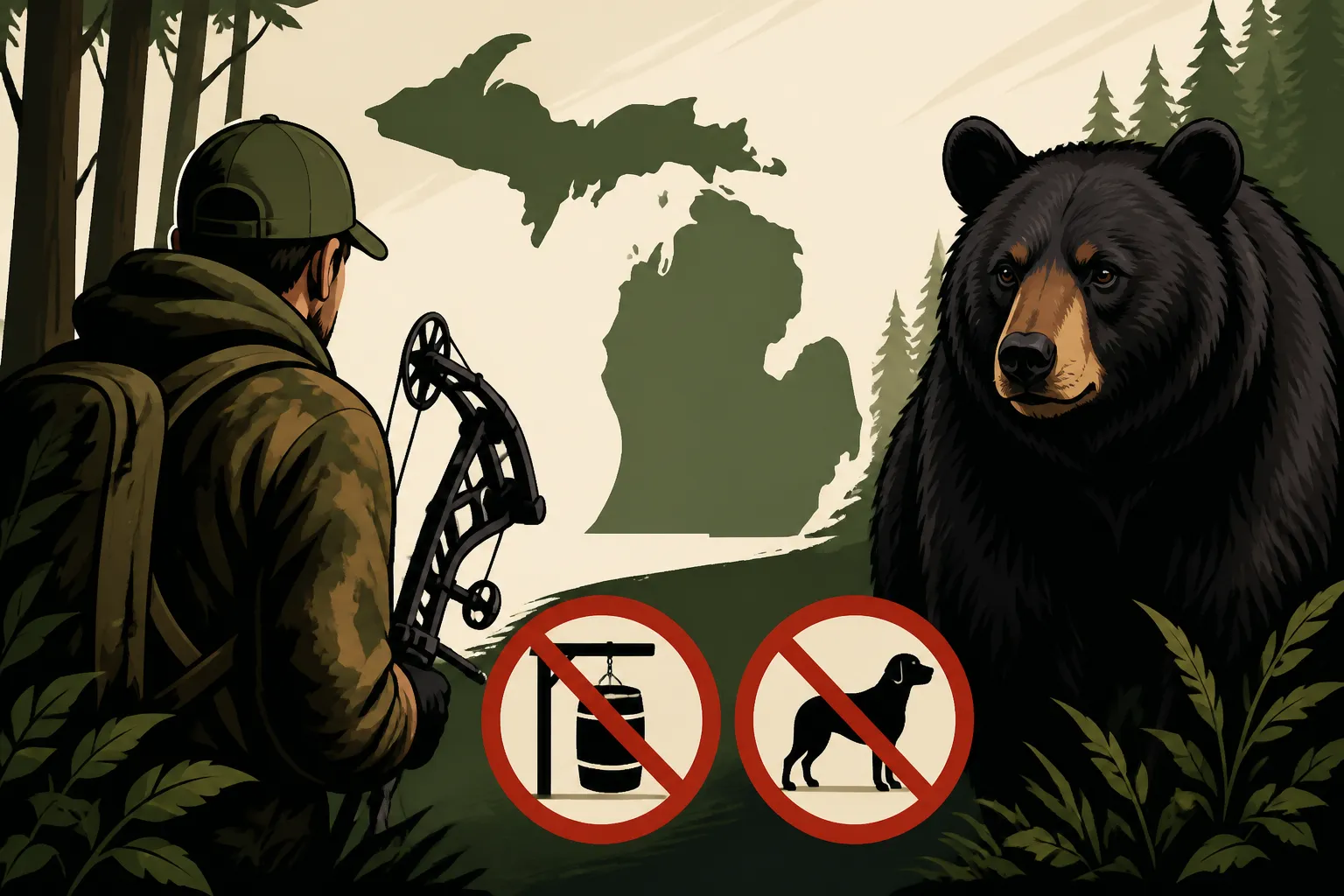
Hunting a black bear in Michigan is an incredible experience, but for many, the traditional methods of baiting or using dogs just don't align with their personal hunting philosophy or available resources. Maybe you're looking for a greater challenge, a more primal connection to the hunt, or perhaps you're simply hunting public land where baiting isn't allowed. Whatever your reasons, chasing a Michigan bear without those conventional aids can feel daunting, like trying to find a needle in a massive, dark haystack. This guide is here to break down how you can successfully pursue bears on your own terms, relying on skill, patience, and a deep understanding of their natural behaviors in the Michigan wilderness.
Understanding Michigan's Bear Regulations and Ethics
Embarking on a bear hunt without bait or dogs in Michigan is a testament to your dedication and desire for a different kind of challenge. But before you lace up your boots, it's crucial to understand the regulatory framework and the ethical considerations that shape this unique pursuit. It’s not just about what you can do, but also what aligns with your personal hunting values and the spirit of fair chase.
The Why Behind Non-Baiting, Non-Dog Hunting
For many hunters, the decision to forego baiting and hounds isn't about judging others who use these traditional methods; it's about a personal preference for a more challenging, hands-on experience. Baiting can certainly be effective, drawing bears into a predictable location, and using dogs taps into their incredible tracking abilities. However, still-hunting or spot-and-stalk hunting for bear forces you to delve much deeper into the animal's natural world. You become intimately familiar with their daily routines, their preferred foods, and the subtle ways they navigate the landscape.
This method often appeals to those who prioritize the "fair chase" ethic above all else, feeling that relying solely on their own scouting, tracking, and woodsmanship creates a more equitable contest between hunter and hunted. On Michigan's vast public lands, where baiting is prohibited in many areas, this method is often a necessity, not just a choice. It requires a significant investment of time and effort, demanding meticulous planning and a keen eye for detail, which ultimately makes a successful harvest even more rewarding. It’s about feeling truly self-reliant in the pursuit, knowing that every step, every read of the wind, and every piece of sign discovered was a direct result of your own dedication.
Legalities and License Requirements
First things first: you absolutely need the right paperwork to even dream of chasing a bear in Michigan. The process for obtaining a Michigan bear license is a little different than your standard deer or turkey tag. It operates on a limited quota system, meaning not everyone who applies gets a tag, and success often hinges on accumulating preference points. You’ll need a valid Michigan Base Licence to even apply for a bear license. The application period typically runs in the spring, so keep an eye on the Michigan Department of Natural Resources (DNR) website for exact dates.
Michigan is divided into various bear management units (BMUs), each with its own quota of tags. When you apply, you choose which BMU you'd like to hunt. Your odds of drawing a tag increase with the number of preference points you've accumulated. If you don't draw a tag in a given year, you gain a preference point for the next year's drawing, without having to pay the application fee again. This system rewards persistent applicants. It's a waiting game for many, especially in popular units, so patience is key. Once you do draw that coveted tag, you'll need to pay for the actual bear license itself. Remember to always consult the current Michigan Hunting Regulations Digest for the most up-to-date rules on seasons, bag limits, and specific BMU regulations before heading afield.
Scouting and Locating Bears Without Conventional Aids
Without the benefit of a bait pile to draw bears in or dogs to sniff them out, your success hinges entirely on your ability to scout effectively. This means becoming a detective of the forest, learning to read the subtle clues bears leave behind and understanding their ecological needs. It's challenging, no doubt, but incredibly fulfilling when you finally connect the dots.
Reading the Landscape for Bear Sign
Michigan's black bears are creatures of habit, driven primarily by their stomachs. This means that understanding their seasonal food sources is paramount to finding them. In spring, they emerge from dens, often seeking out tender new growth like skunk cabbage or grubs. As summer progresses, they shift to berries – raspberries, blueberries, blackberries – which are abundant in clearcuts and forest edges. Come fall, it's all about packing on calories for winter, making acorns, beechnuts, and wild apples highly attractive. Scouting during these periods means identifying areas with these food sources.
Look for specific signs: broken branches high in oak or beech trees where bears have climbed to feed, or claw marks on trunks. Scat is a goldmine of information, indicating what they've been eating and how recently they were in the area. Fresh tracks in mud near water sources or along old logging roads can tell you not only that a bear is present but also its size and direction of travel. Keep an eye out for rub trees, where bears scratch their backs or mark territory. Swamps and dense cedar thickets often serve as bedding areas, offering bears a sense of security and a cool spot to rest during warmer days. Learning to interpret these signs is a skill that takes time, but it's the foundation of hunting bears without bait. Consider studying topics like Reading a Michigan Cedar Swamp for Deer as many of the same principles apply to understanding bear movement in these dense areas.
Utilizing Technology and Topographical Maps
Modern technology has become an indispensable tool for the non-baiting, non-dog bear hunter. Mapping applications like GoHunt, onX Hunt, or BaseMap allow you to digitally scout vast tracts of land from your couch before ever stepping foot in the woods. You can identify potential food sources by looking for areas with hardwood ridges (acorns, beechnuts), dense brushy areas (berries), or low-lying swampy areas (water, cover).
Topographical maps within these apps are crucial for understanding elevation changes, which can dictate bear travel routes and bedding locations. Bears, especially in more rugged parts of the Upper Peninsula, will often follow ridge lines or the bottoms of drainages. Look for natural funnels – narrow strips of timber between open fields, saddles in ridges, or pinch points between swamps and clearcuts – where bears are likely to travel. The satellite imagery can reveal logging activity, old clearcuts, or natural openings that provide food or cover. By overlaying public land boundaries, you can ensure you're hunting legally accessible areas. Before season, make it a point to physically scout these identified hotspots. This blend of virtual and on-the-ground scouting, enhanced by tools like GoHunt, will significantly increase your chances of finding where bears are concentrated, rather than just wandering aimlessly. For deeper dives into understanding terrain, you might find valuable insights in Reading Aerial Photos for Swamp Deer.
| Bear Sign Category | What to Look For | Interpretation | Best Times/Locations to Find |
|---|---|---|---|
| Tracks | Large, five-toed paw prints with claws | Recent bear presence, direction of travel, relative size | Soft ground, mud near water, riverbanks, logging roads |
| Scat (Droppings) | Varying size, shape, and content | Diet (berries, nuts, insect casings), recency of visit | Along trails, near food sources, under berry bushes |
| Rubs/Scratch Marks | Claw marks on trees, often high up | Feeding activity (climbing for nuts/fruit), territorial | Oak/Beech ridges, fruit trees, along well-used trails |
| Turned Rocks/Logs | Disturbed ground, flipped over debris | Feeding on insects, grubs, and small critters | Under logs, near ant hills, moist forest floor |
| Bedding Areas | Flattened grass/leaves in dense cover | Bear resting/sleeping location, indicates security cover | Thick cedar swamps, dense brush, under fallen trees |
| Trail Wallows | Muddy depressions used for cooling | Bear presence in warmer weather, often near water | Along game trails near ponds, streams, or boggy areas |
Stalking and Ambush Strategies for Michigan Bears
Once you've done your homework and identified promising bear country, the real challenge begins: putting yourself in a position to harvest a bear. This requires a combination of stealth, patience, and a deep understanding of how to move through the woods undetected.
Still-Hunting Through Bear Country
Still-hunting for bear is an art form, a slow, deliberate dance with the forest. It’s not about covering ground quickly; it’s about moving so slowly that you become part of the landscape. Take one or two steps, then pause for several minutes, scanning every shadow, every cluster of brush, every change in terrain. Use your binoculars constantly, not just to pick out distant objects, but to dissect the cover close at hand, looking for the tell-tale outline of a bear. Their dark fur can make them blend seamlessly with shadows and tree trunks.
Always hunt into the wind. Bears have an incredible sense of smell, far superior to their eyesight, and if they catch your scent, the game is over. Pay close attention to thermals, especially in hilly terrain or during temperature changes; cool air sinks, warm air rises. Use natural cover to break up your silhouette, moving from tree to tree, or through thick brush. Walk silently, picking up your feet and placing them down gently to avoid snapping twigs or rustling leaves. This method requires immense patience and focus, but it’s how many successful hunters fill their tags year after year. Think of it less as "hunting" and more as an extended, deliberate observation session, waiting for the forest to reveal its secrets. This deliberate approach is also key when considering Still-Hunting Michigan Cedar Swamps, as bears often frequent these same dense environments.
Setting Up Ambushes at Natural Funnels
Sometimes, instead of actively stalking, the most effective strategy is to let the bear come to you. This is where ambush hunting comes into play, a tactic that relies on identifying natural funnels and travel corridors. Bears, like deer, tend to use the path of least resistance or areas that offer the most security. This could be a narrow strip of timber connecting two larger blocks of cover, a well-used game trail along a riverbank, a saddle in a ridge, or a pinch point between a swamp and a feeding area.
Once you’ve identified such a funnel, the next step is strategic placement. You’ll want to set up a treestand or a ground blind that offers you a clear shot, excellent concealment, and, most importantly, a consistent wind advantage for the duration of your sit. Always ensure your setup is downwind of the anticipated bear travel. Consider the time of day – bears are often most active during dawn and dusk, moving between bedding and feeding areas. If you’re hunting near an abundant food source, like an oak ridge heavy with acorns, setting up an ambush point on a trail leading to or from that source can be incredibly effective. For those utilizing treestands, careful consideration of Treestand Setups in Michigan Hardwoods will be invaluable, even though the target species is different, the principles of wind, cover, and approach/exit routes remain the same.
Gear and Safety Considerations for Solitary Bear Hunting
Hunting bear without bait or dogs in Michigan's often rugged terrain demands careful attention to your gear and an unwavering commitment to safety. You're relying entirely on yourself, so being prepared for anything the woods throw at you is non-negotiable.
Essential Gear for Michigan Bear Stalks
Your gear selection should prioritize durability, reliability, and functionality in diverse Michigan conditions. For firearms, many hunters opt for a hard-hitting rifle like a .30-06, .308, or even a .450 Bushmaster for Michigan deer, which is also an excellent choice for bears, particularly in the limited firearm zone. Ensure your rifle is sighted in accurately and you are comfortable shooting it from various positions. If you prefer archery, a powerful compound bow with heavy, sharp broadheads designed for deep penetration is critical.
Optics are your best friends in the dense Michigan woods. A good pair of 8x or 10x binoculars will help you pick apart cover and spot bears before they spot you. A rangefinder is also crucial for confirming shot distances, especially in varied terrain. Scent control is paramount; even though bears have a phenomenal nose, reducing your human odor can give you precious extra seconds. Layered clothing is a must, as Michigan weather can change rapidly from chilly mornings to warm afternoons, or from sunshine to sudden downpours. Good quality, waterproof, and breathable outerwear is essential. Finally, sturdy, comfortable boots that offer excellent ankle support and traction are non-negotiable for navigating rough terrain, swamps, and slippery leaves. Don't skimp on footwear; your feet will thank you after miles of silent stalking.
Navigating the Backcountry and Bear Safety
When you're out there, deep in Michigan's bear country, often far from roads or other hunters, self-reliance is key. A reliable GPS unit or a smartphone with an offline mapping app (like GoHunt or onX) is absolutely essential for navigation, preventing you from getting lost, and marking key areas of bear sign. Always carry a compass and a physical map as a backup, just in case your electronics fail.
Beyond navigation, consider broader safety. A comprehensive first-aid kit is a must for any remote hunting trip, capable of handling everything from minor cuts to more serious injuries. Pack a headlamp with extra batteries for walking out after dark. A communication device, such as a satellite messenger (like a Garmin inReach or Zoleo) or a fully charged cell phone (though service can be spotty in remote areas), can be a lifeline in an emergency. While Michigan black bears are generally shy and avoid humans, unexpected encounters can happen. Be aware of your surroundings, make noise as you walk, especially in thick cover, and know how to react if you encounter a bear. Carry bear spray if it makes you feel more secure, though it's less commonly considered "essential" for black bears than for grizzlies. The most important rule for bear safety is to avoid surprising them and to give them plenty of space. For more comprehensive backcountry readiness, consider the insights from First Aid Kits for Remote Upper Peninsula Ground, which directly addresses the challenges of remote Michigan environments.
Disclaimer
Please note that hunting regulations and seasons can change. Always consult the latest Michigan Department of Natural Resources (DNR) Hunting and Trapping Digest or their official website before planning any hunting trip to ensure you are in compliance with all current laws and regulations. This guide is for informational purposes only and does not supersede official DNR publications.