How Old a Cut Should Be for Grouse
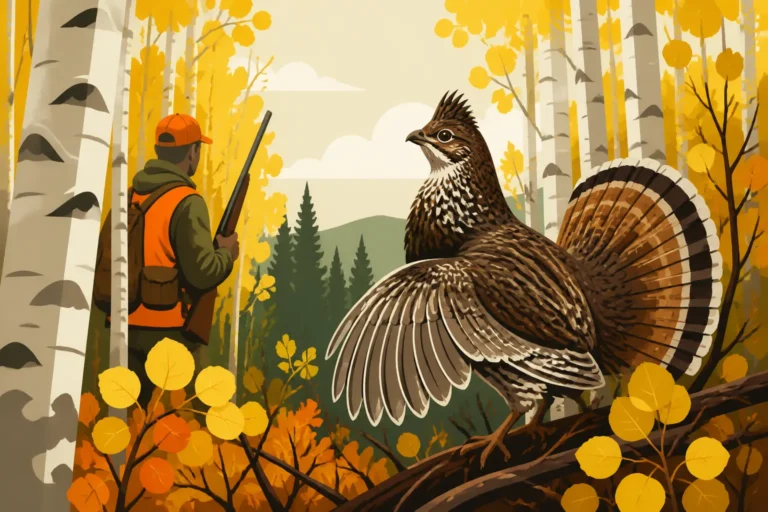
It's a frustrating experience, isn't it? You've spent hours hiking through what you think should be prime grouse habitat – those big clearcuts on state land – only to hear nothing but the crunch of leaves under your boots. You look around at the dense, tangled mess of saplings and wonder if you're even in the right place, or if you've just picked the wrong patch of woods. The truth is, not all clearcuts are created equal when it comes to holding ruffed grouse in Michigan, and understanding their preferences for regeneration age is absolutely key to finding these elusive birds. This guide will pull back the curtain on the ideal age and characteristics of aspen cuts that consistently attract and hold grouse, helping you zero in on productive cover and make your efforts count.
The Lifecycle of a Michigan Aspen Cut and Grouse Preferences
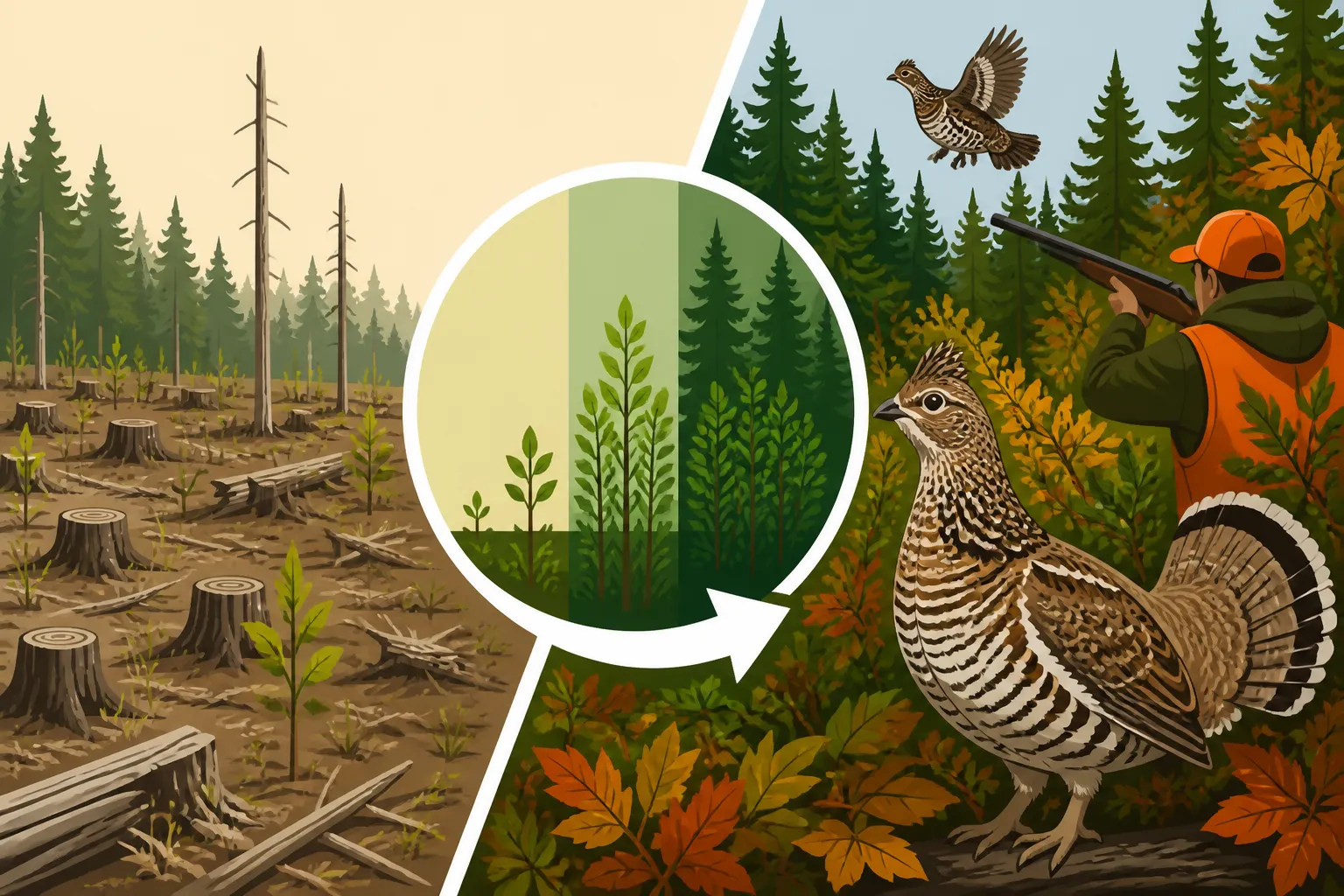
To really understand where to find grouse, we first need to appreciate the dynamic nature of their preferred habitat: young aspen forests. In Michigan, aspen is often harvested through clearcutting, a forestry practice that involves cutting down most or all trees in an area. While this might look destructive to the casual observer, it’s actually a vital process for regenerating aspen, which thrives on abundant sunlight and disturbed soil. Without these clearcuts, much of Michigan's aspen acreage would convert to less grouse-friendly timber types like maple or beech.
When a stand of aspen is clearcut, it quickly begins to regenerate from root suckers. These are new shoots that sprout vigorously from the existing root system of the felled trees, often resulting in thousands of new stems per acre. This rapid, dense regeneration is precisely what grouse need. But it’s not just any cut. The age of this new growth dictates its utility for grouse throughout their annual cycle. Very young cuts might offer some escape cover, but they typically lack the structure for drumming logs or suitable brooding areas. As the stand matures, it goes through a "sweet spot" where density, food availability, and structural complexity are perfectly aligned for grouse. Beyond this prime window, the stand starts to thin out, losing its protective qualities and becoming less attractive. This understanding of the lifecycle helps us predict where grouse are most likely to be holding tight, or where they might simply be passing through.
Identifying Prime Grouse Habitat: The 6-15 Year Sweet Spot
When you're walking through a Michigan clearcut, you're looking for a very specific stage of forest regeneration. While grouse will utilize various cover types, the real honey holes are usually aspen cuts that are somewhere between 6 and 15 years old. This age range provides the perfect combination of food, cover, and structure that ruffed grouse absolutely depend on for survival.
Think of it like this: in a cut that's 6-8 years old, the aspen saplings are generally waist to head-high, creating an incredibly dense thicket. This dense growth forms a canopy that provides excellent overhead protection from raptors like goshawks and great horned owls, while also being incredibly difficult for ground predators like coyotes and bobcats to navigate. It's so thick that a grouse can sit tight and feel almost completely invisible. This dense understory is also where you’ll find an abundance of important food sources. For example, the catkins and buds of young aspen are a crucial winter food source, and the varied plant life that thrives in these disturbed, sun-drenched areas produces berries, seeds, and insects – all vital components of a grouse's diet.
As the cut moves into the 9-15 year range, it might start to "self-thin" a bit, meaning some of the weaker stems die off, but the remaining trees continue to grow in height and diameter. This creates more vertical structure. Now, in addition to the dense cover, you'll start to see more mature aspen stems that are perfect for drumming logs, which male grouse use to proclaim their territory in spring and fall. The slightly more open understory (compared to the earlier years) can also make it a bit easier for grouse broods to move around while still being protected. It’s a dynamic, ever-changing habitat, and knowing what to look for, even down to the approximate age, is paramount. Many hunters will tell you that the younger end of this spectrum (6-10 years) tends to hold more birds, but the older end still remains productive.
Here’s a quick overview of how grouse typically use different age classes of clearcuts:
| Clearcut Age (Years) | Description of Cover | Grouse Utility | Hunter Experience |
|---|---|---|---|
| 1-5 | Very dense, short saplings, extremely difficult to walk. | Excellent brood cover, some escape cover. Lacks drumming logs. | Difficult to hunt, low flush rates for mature birds. |
| 6-15 | Dense, waist to head-high saplings, good stem count. | Prime habitat for drumming, brooding, feeding, and escape cover. The "sweet spot". | Challenging but rewarding hunting; high flush potential. |
| 16-25 | Trees taller, canopy closing, understory thinning. | Still provides cover, but less dense. Used for feeding and travel. | Fewer birds holding tight, more likely to be found on edges. |
| 25+ | Mature forest, closed canopy, sparse understory. | Limited direct use for grouse, primarily travel corridors or marginal cover. | Very low flush rates within the stand itself; focus on adjacent cover. |
When you're out there, use tools like the Michigan DNR's Mi-HUNT map or a robust hunting app like GoHunt to examine aerial imagery. Look for recent timber harvests that show vibrant, light green regeneration, often with distinct boundaries from older timber. These visual cues, combined with a little knowledge of typical regrowth rates, can help you estimate the age of the cut before you even set foot in it.
Beyond the Clearcut: Connected Cover and Scouting Strategies
While the 6-15 year old aspen cut is the undeniable magnet for ruffed grouse, these birds rarely exist in isolation within a single habitat type. They are "edge" creatures, meaning they thrive where different cover types meet, providing a diverse array of resources. A truly exceptional grouse hunting spot isn't just a perfect clearcut; it's a perfect clearcut connected to other critical cover.
Consider an ideal scenario: a prime 8-year-old aspen cut that borders a mature hardwood stand, a thick conifer swamp, or even an alder run. The aspen provides the primary protective and feeding cover, especially in the fall and early winter. However, grouse will often retreat into the thermal cover of a cedar swamp or dense pines during harsh winter weather, or utilize the dense tangles of alder for brooding in the spring and early summer. These adjacent habitat types offer different food sources, different levels of protection, and critical seasonal refuge that rounds out the grouse's needs. When you're Scouting Michigan Public Land Before Season, always look for these mosaics of cover.
To effectively hunt these areas, you'll want to focus on the edges and transitions. Grouse often feed on the transition lines, moving between the safety of the young aspen and the richer food sources of mature forest edges. Old logging roads, small clearings within the cut, or even areas with a higher concentration of wild apple trees or thorn-apples within or bordering the cut can be hotspots. These specific features provide additional food and escape cover that draw birds in.
When you're using your mapping apps, beyond just finding the young aspen, look for those green blocks that have varied habitat around them. A well-managed area might feature several age classes of aspen cuts interspersed with mature timber and wetlands, ensuring a continuous supply of prime habitat as different stands grow and are harvested. Remember, you might still Finding Woodcock in Alder Runs right next to a great grouse cut. Walking these edges and using dog bells or silent walking methods to flush birds is a time-tested strategy for Grouse Hunting Michigan Aspen Cover. Don't be afraid to push through the nastiest parts of that 6-15 year old cut – that's where the grouse feel safest, and often, that's where they'll be holding tight, waiting for you to walk by before bursting into a thunderous flush.
Practical Tips for Hunting Michigan's Aspen Cover
Hunting these dense, young aspen cuts can be physically demanding, but it's incredibly rewarding when you finally connect with a Michigan grouse. Beyond knowing the ideal age, there are a few practical considerations that will enhance your success.
First, pace yourself. These cuts are thick, and you'll be doing a lot of pushing through brush. Take frequent, short breaks, and move slowly and deliberately. This slow pace allows you to scan ahead for subtle movements and gives any bird you might be pushing a chance to get a little uncomfortable before flushing, potentially offering a better shot. Don't be afraid to stop and stand still for a minute or two in a particularly dense spot; often, a grouse will flush after you've been stationary for a moment, thinking the danger has passed.
Second, consider your gear. Good, brush-resistant clothing, like sturdy canvas or briar pants, is non-negotiable. You'll be crashing through sharp branches and thick undergrowth all day, and a lighter fabric simply won't hold up. Waterproof boots are also essential, as these areas can often be damp, even during dry periods. For your shotgun, an open choke (like improved cylinder or skeet) is often preferred for the close-range, fast-flushing shots you'll encounter. For more details on what to bring, check out Upland Gear for Michigan Grouse Cover.
Third, work with the wind. Whenever possible, try to hunt into the wind. This carries your scent away from the birds, making it harder for them to detect your approach. It also helps your dog (if you're hunting with one) pick up scent more effectively. If you're Flushing Grouse Without a Dog, paying attention to wind direction is even more critical for a stealthy approach.
Finally, remember that persistence pays off. Some days you'll walk miles through perfect-looking cover and only get a couple of flushes. Other days, you'll walk into a relatively small patch and put up several birds. The Michigan Ruffed Grouse Cycles can influence populations, so some years will be better than others. The key is to keep exploring these prime 6-15 year old aspen cuts, learning the subtle nuances of each location, and trusting that the grouse will be there, waiting to surprise you with that explosive flush. Knowing how to identify the right age of cut is the first and most crucial step in becoming a more successful Michigan grouse hunter.
Disclaimer
Hunting involves inherent risks, including but not limited to those associated with firearms, archery equipment, and outdoor environments. Always prioritize safety, follow all Michigan Department of Natural Resources regulations, and consider taking a hunter safety course. The information provided in this guide is for informational purposes only and does not constitute professional advice. Ensure you have the proper licenses and permissions before hunting.