Michigan Deer Tag Validation Rules
Alright, let's talk about one of those moments that can either be a source of calm satisfaction or pure, unadulterated panic for a Michigan deer hunter: validating your deer tag. You've worked hard, put in the time, and finally, your efforts have paid off. But in the excitement and adrenaline of the harvest, it's all too easy to let the critical step of properly validating your tag slip your mind, or worse, to do it incorrectly. This comprehensive guide is here to walk you through every detail of Michigan's deer tag validation rules, ensuring you can celebrate your success without any lingering worries.
Understanding the Importance of Michigan Deer Tag Validation
Imagine the scene: you've just put a beautiful buck on the ground. Your heart is pounding, and the first instinct is often to admire your trophy, maybe even take a quick photo. But before you do anything else, the Michigan Department of Natural Resources (DNR) requires a very specific and immediate action: validating your deer tag. This isn't just bureaucratic red tape; it's a crucial part of wildlife management, helping the state keep accurate records of harvest numbers and ensuring fair chase. Failing to validate properly can lead to serious legal consequences, so understanding this step is just as vital as knowing your Michigan Deer Seasons and Tags.
The Legal Requirement and Why It Matters
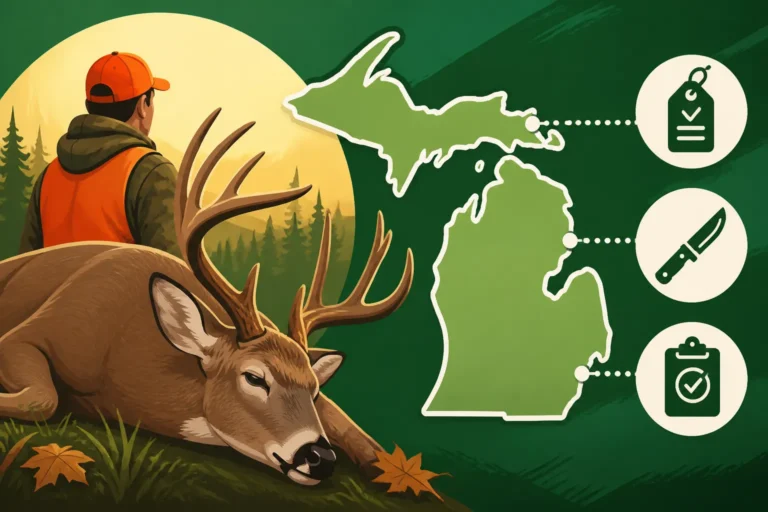
Michigan law is crystal clear on tag validation: it must be done immediately at the site of the kill, before the deer is moved in any way. This "site of the kill" isn't a suggestion; it's a strict requirement. This rule exists for several reasons. Primarily, it helps prevent poaching by ensuring that every deer harvested is legally tagged as soon as it's down. It also helps deter individuals from trying to tag multiple deer with one license or using another hunter's tag. Law enforcement officers, whether DNR conservation officers or local police, often check for proper tagging. If you're found with an untagged or improperly tagged deer, you could face hefty fines, loss of hunting privileges, and even confiscation of your equipment and the deer itself. It’s a moment of truth, and getting it right protects both you and the integrity of Michigan’s hunting system.
Where to Find the Validation Spaces on Your Tag
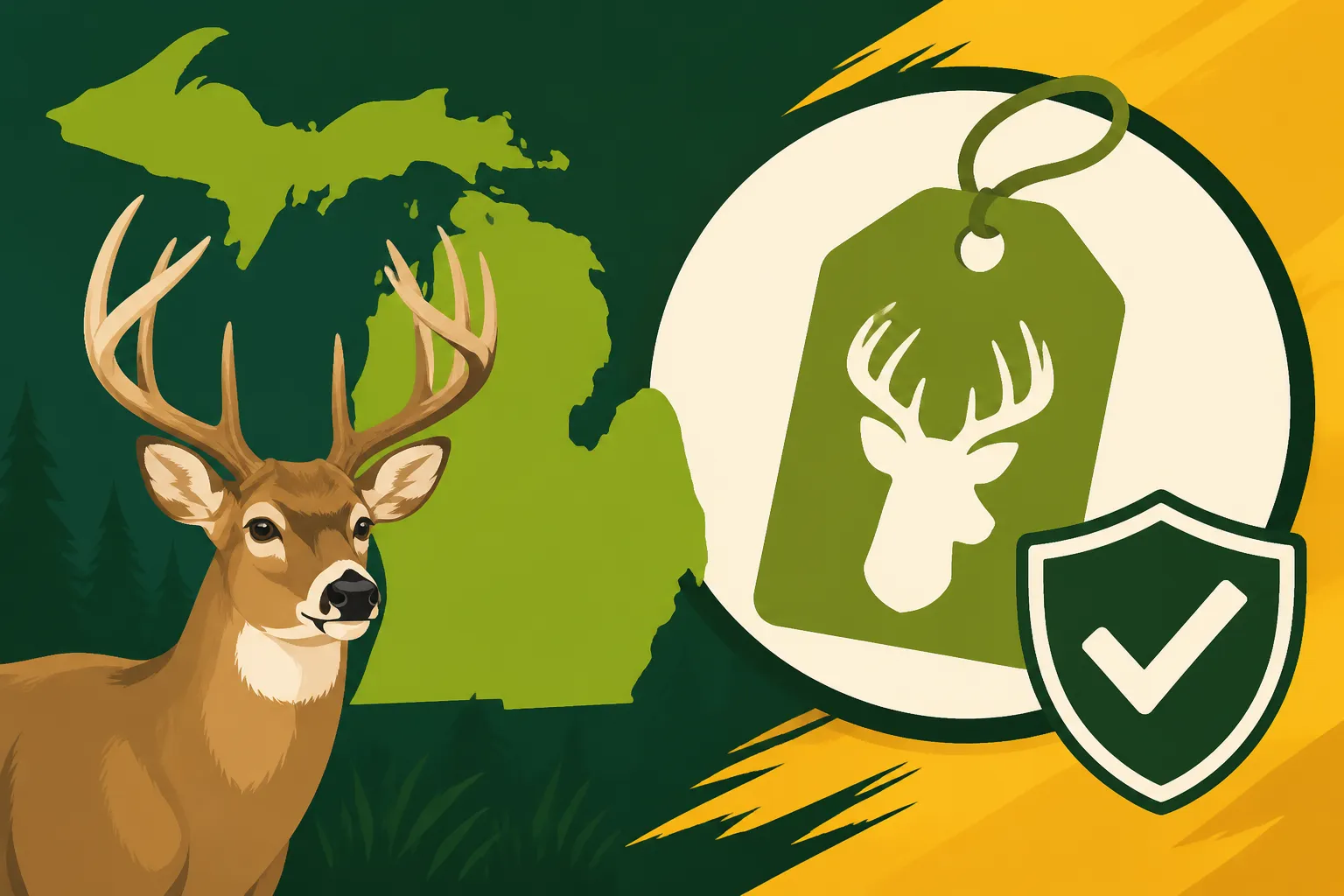
When you purchase your Michigan hunting license, you'll receive a physical kill tag (or tags, if you bought a combo license). Take a close look at this tag before you even head into the woods. You'll notice specific spaces designated for validation. These usually include areas for the date of kill, time of kill (AM or PM), the month, and perhaps specific antler point information if you're hunting in an Antler Point Restricted (APR) area. Some tags might also have a section to indicate the county or specific location of the kill. Familiarizing yourself with these sections beforehand, perhaps even with a non-permanent marker to practice, can save you precious moments and confusion when the actual time comes. Many hunters, myself included, will often fold their license in a way that the kill tag is easily accessible, sometimes even laminating it themselves (after verifying this doesn't interfere with official marking) or keeping it in a waterproof pouch to prevent damage from the elements. Digital resources, like the GoHunt app or The Michigan DNR Hunt Fish App, can provide digital copies of your license for reference, but remember, the physical tag is what you need to mark and attach.
A Step-by-Step Guide to Validating Your Deer Tag Correctly
So, the moment arrives. You’ve made a clean shot, and your deer is down. Your adrenaline is pumping, but it’s time to switch gears from hunter to responsible steward. The next few minutes are crucial for proper tag validation. Don't rush, and ensure you complete each step thoroughly.
Immediate Actions After the Harvest
The very first thing you need to do, after ensuring the animal is indeed expired and safe to approach, is to retrieve your kill tag. This is before you move the deer, before you field dress it, and before you call your buddies to brag. The process of validation must take place right there, where the deer fell. This means if you're in a tricky spot, like deep in a Michigan cedar swamp, you'll need to complete this step with care, potentially kneeling in mud or snow. Some hunters carry a small piece of cardboard or a waterproof notepad to place under their tag as they write, ensuring a clean and legible mark, especially if the weather is inclement. It's also a good idea to have a couple of writing instruments, like a fine-point permanent marker and a backup pen, just in case one fails. You don't want to be caught unprepared when it matters most.
Filling Out Your Kill Tag with Precision
This is where the details count. On your physical kill tag, you must use a permanent, indelible pen or marker to clearly and accurately fill in the required information. This typically includes:
- Date of Kill: The exact day, month, and year.
- Time of Kill: Whether it was AM or PM. Some tags may also ask for the exact hour.
- Antler Points: For antlered deer, you’ll need to count the points, especially if you're in an area with Michigan Antler Point Restrictions by DMU. A point must be at least one inch long and naturally separate from another point or the main beam. Don't guess; count carefully. If you're unsure, it's always better to be conservative.
- Gender: Indicate whether it's a buck or a doe.
- License Number: While usually pre-printed, double-check it.
- Harvest Authorization: This might be a specific number you wrote down when purchasing online or from an agent.
All information must be legible. If a conservation officer can't read it, it's as good as not being filled out at all. Avoid using pencils or erasable pens, as these can easily smudge or be altered, which is a major no-no. Remember, this tag is the legal proof of your harvest, and it needs to stand up to scrutiny. Taking an extra minute to write clearly and accurately is always worth it.
Attaching the Tag to Your Deer
Once validated, the tag must be immediately attached to the deer. The most common and accepted method is to attach it to the antler (for antlered deer) or through the hock (for antlerless deer or where antlers aren't present). Some hunters use a zip tie they keep in their pack specifically for this purpose. Others might use string or wire, but whatever method you choose, it must be secure. The tag needs to remain affixed to the deer until it is processed and prepared for consumption or taxidermy. This means it must withstand dragging, loading, and transportation.
Think about it this way: if your deer were found without a tag attached, or with a tag that fell off, you could face questioning and potential penalties. This is especially important if you're transporting the deer across county lines, where Michigan Carcass Transport Restrictions might be in effect for CWD areas. A GoHunt app user might track their location, but your physical tag needs to be on the animal itself. I always advise using two zip ties if possible, just for extra security, threading them through the tag and then around the chosen attachment point on the deer.
Common Mistakes and How to Avoid Them
Even experienced hunters can make mistakes in the heat of the moment. However, when it comes to tag validation, those mistakes can be costly. Knowing the pitfalls beforehand can help you avoid them.
Incorrect Information or Illegible Writing
One of the most frequent issues conservation officers encounter is tags filled out incorrectly or illegibly. Forgetting to mark AM/PM, miscounting antler points, or simply scribbling information in a rush can all render your tag invalid in the eyes of the law. I've heard stories of hunters having their deer confiscated because a number was unclear or a date was ambiguous.
To avoid this, take a breath. Take two. Ensure you have a good, permanent marker. Use clear, block letters for any written information. Double-check all the details against your watch and your count before you consider it done. If you have any doubt about an antler point, count it conservatively. Remember, your tag serves as legal documentation, and clarity is paramount. A quick visual check of the entire tag after you've filled it out can prevent simple oversights.
Forgetting to Validate Immediately
This is perhaps the most dangerous mistake. The "immediately at the site of the kill" rule is not flexible. I once knew a hunter who dragged a beautiful doe about 100 yards out of a thick briar patch before remembering to validate his tag. A conservation officer happened to be nearby, heard the drag, and saw him stop to tag. He was issued a ticket because the deer had been moved. The officer explained that the rule is there to prevent someone from moving a deer and then claiming it was harvested in a different location or at a different time.
The excitement of the moment can be overwhelming. But make it a personal rule: no moving, no field dressing, no high-fives until that tag is validated and secured. This means having your license and a permanent marker easily accessible at all times while hunting. For youth hunters, especially, mentors should emphasize this rule from the very beginning, helping them understand the gravity of the requirement as part of their Michigan Hunter Safety and Youth Licences education.
Losing or Damaging Your Tag
Michigan weather is notoriously unpredictable. A beautiful autumn morning can quickly turn into a rainy, muddy mess. Tags are often made of durable paper or synthetic material, but they aren't indestructible. A tag that becomes waterlogged, torn, or otherwise unreadable is essentially an invalid tag.
Protecting your tag is paramount. Many hunters store their license and tag in a waterproof wallet or a small, sealed bag within their hunting pack. When it's time to validate and attach, take care not to let it get soaked or ripped. As mentioned earlier, securing it with zip ties, rather than just string or tape, significantly reduces the chance of it falling off during transport. Consider carrying a spare, blank durable paper or plastic card with your license number written on it, just in case the original tag becomes completely unreadable after validation and attachment, though this is only a last-resort backup for identification, not a replacement for an official tag.
Post-Validation: Reporting Your Harvest
Validating your tag at the kill site is just the first part of your legal obligation. The next crucial step is reporting your harvest to the Michigan DNR. This step completes the loop of ethical and legal hunting.
The Importance of Timely Reporting
Reporting your deer harvest isn't optional; it's a mandatory requirement in Michigan. The data collected from these reports is invaluable for the DNR's wildlife management efforts. It helps them track deer populations, assess the impact of hunting seasons, understand deer health trends, and make informed decisions about future regulations, such as setting antlerless quotas or adjusting season dates. Without accurate reporting, the DNR operates with incomplete information, which could potentially impact the quality of hunting in future years. The deadline for reporting is typically 72 hours after the kill, so you can't afford to put it off.
Methods for Reporting Your Deer
Michigan offers several convenient ways to report your deer harvest, making it easier than ever to comply:
- Online: The most popular method is through the Michigan DNR's website. You'll navigate to the harvest reporting section, enter your license information, and input the details of your kill. This is a quick and efficient process that many hunters prefer. Using a resource like GoHunt can help you stay organized with your hunt details, making the online reporting process smoother.
- DNR Hunt Fish App: The official The Michigan DNR Hunt Fish App is another fantastic tool. You can report your harvest directly from your smartphone or tablet, often even from the woods if you have cell service. It’s user-friendly and keeps all your licensing information at your fingertips.
- Phone: For those who prefer it, you can also report your harvest over the phone to the DNR's dedicated reporting line. This can be a good option if you have limited internet access or prefer to speak with someone.
It’s a good idea to report as soon as possible, well within that 72-hour window. Life happens, and it’s easy to forget if you procrastinate. Get it done, get that confirmation number, and then truly relax and enjoy your venison.
What Information You'll Need
When you go to report your harvest, whether online or via the app, you'll need the following information ready:
| Information Needed | Description |
|---|---|
| Harvest Authorization ID | The unique ID from your kill tag. |
| Date of Kill | The exact date you validated on your tag. |
| Time of Kill | The AM/PM time you validated on your tag. |
| County of Kill | The Michigan county where the deer was harvested. |
| Deer Management Unit (DMU) | The specific DMU where the deer was taken (often matches the county). |
| Sex of Deer | Buck or Doe. |
| Number of Antler Points | For antlered deer, the exact count you validated on your tag. |
| Weapon Used | E.g., Archery, Firearm, Muzzleloader. |
| Hunter ID/License Number | Your unique identification for hunting in Michigan. |
Having all of this information gathered before you start the reporting process will make it much quicker and less prone to errors. I usually take a quick photo of my validated tag with my phone as a backup reference, just in case, even though I know the physical tag must remain with the deer until processing. This level of diligence ensures you're fully compliant and contributing positively to Michigan's deer management program.
Hunting in Michigan is a rich tradition, filled with amazing experiences and memories. From scouting public land using tools like Scouting With Michigan's Mi-HUNT Map to the exciting moments of the hunt itself, every step is part of the journey. Understanding and meticulously following Michigan's deer tag validation rules is not just about avoiding penalties; it's about being a responsible, ethical hunter and contributing to the conservation efforts that make our state a fantastic place to pursue whitetails. So, next time you're out there, remember these crucial steps, and make sure your harvest is celebrated and documented correctly.
Disclaimer
The information provided in this guide is intended for informational purposes only and does not constitute legal advice. Hunting regulations in Michigan can change. Always consult the official Michigan Department of Natural Resources (DNR) hunting digests and regulations before heading into the field to ensure compliance with the most current laws.