Michigan Carcass Movement Rules
Alright, Michigan hunters, let's talk about something that can be a real headache after a successful hunt: understanding and following the carcass movement rules. It's frustrating to put in all that hard work, fill your tag, and then realize you're not entirely sure how to legally get your deer home or to the processor without breaking any regulations. This guide is here to clear up the confusion, explain why these rules exist, and give you practical, up-to-date advice for handling your deer carcass in Michigan.
Why Carcass Movement Rules Exist
The regulations around moving deer carcasses might seem like just another layer of bureaucracy, but trust me, they're designed with a critical purpose in mind: protecting Michigan's incredible deer herd. Our state has invested so much in wildlife management, and these rules are a key part of that effort. It’s not about making things harder; it’s about safeguarding the future of hunting in our beautiful state.
Preventing Disease Spread
The biggest driver behind carcass movement rules is the prevention of disease spread, primarily Chronic Wasting Disease (CWD) and Bovine Tuberculosis (bTB). These aren't just minor illnesses; they can be devastating to deer populations and, in the case of CWD, have long-term implications for the entire ecosystem and potentially human health. When a deer carcass, especially the brain and spinal column, is moved from an infected area to a clean one, it creates a pathway for the disease-causing prions or bacteria to be introduced into new herds. Think of it like a localized outbreak that, if not contained, could go statewide.
The DNR has identified specific CWD management zones, and their rules are strictly enforced there. Imagine you harvest a buck in a CWD-positive county, process it in your garage back home in a C clean county, and then dispose of the remains (bones, hide, etc.) in your trash, which eventually ends up in a landfill. If that landfill isn't properly managed or if scavengers get to the remains, those prions could enter the environment and potentially infect other deer or even cattle. This is why the rules are so stringent about what parts can and cannot be moved, especially across certain county lines. It's all about mitigating risk.
Protecting Michigan's Deer Herd
Beyond specific diseases, these regulations are about the overall health and sustainability of Michigan’s deer herd. A healthy deer population is a resilient one, better able to withstand harsh winters, predation, and other challenges. Unchecked disease spread can decimate local herds, leading to reduced hunting opportunities and long recovery times. Hunters are often the first line of defense in monitoring deer health. By adhering to carcass movement rules, you're actively participating in preventing potential widespread issues, helping to maintain strong deer numbers for future generations.
It’s a collective responsibility. Every hunter who respects these rules is contributing to the well-being of the herd. This commitment allows the DNR to gather valuable data on disease prevalence, which in turn informs management decisions like antler point restrictions or antlerless quotas. It’s a complex dance between conservation, science, and the traditions we hold dear, all aimed at ensuring Michigan remains a premier hunting destination.
The General Rule for Carcass Movement
So, what's the core of it all? Generally speaking, if you harvest a deer in Michigan, you can transport the whole animal within the state unless you are moving it out of a CWD Management Zone or Bovine TB Management Zone. If you're staying within your county, or moving between counties that aren't designated as disease hot spots, the rules are less restrictive. However, when you're leaving those special zones, that's when you really need to pay attention. The goal is always to minimize the movement of high-risk parts, which are those most likely to harbor disease.
What's Allowed and What's Not
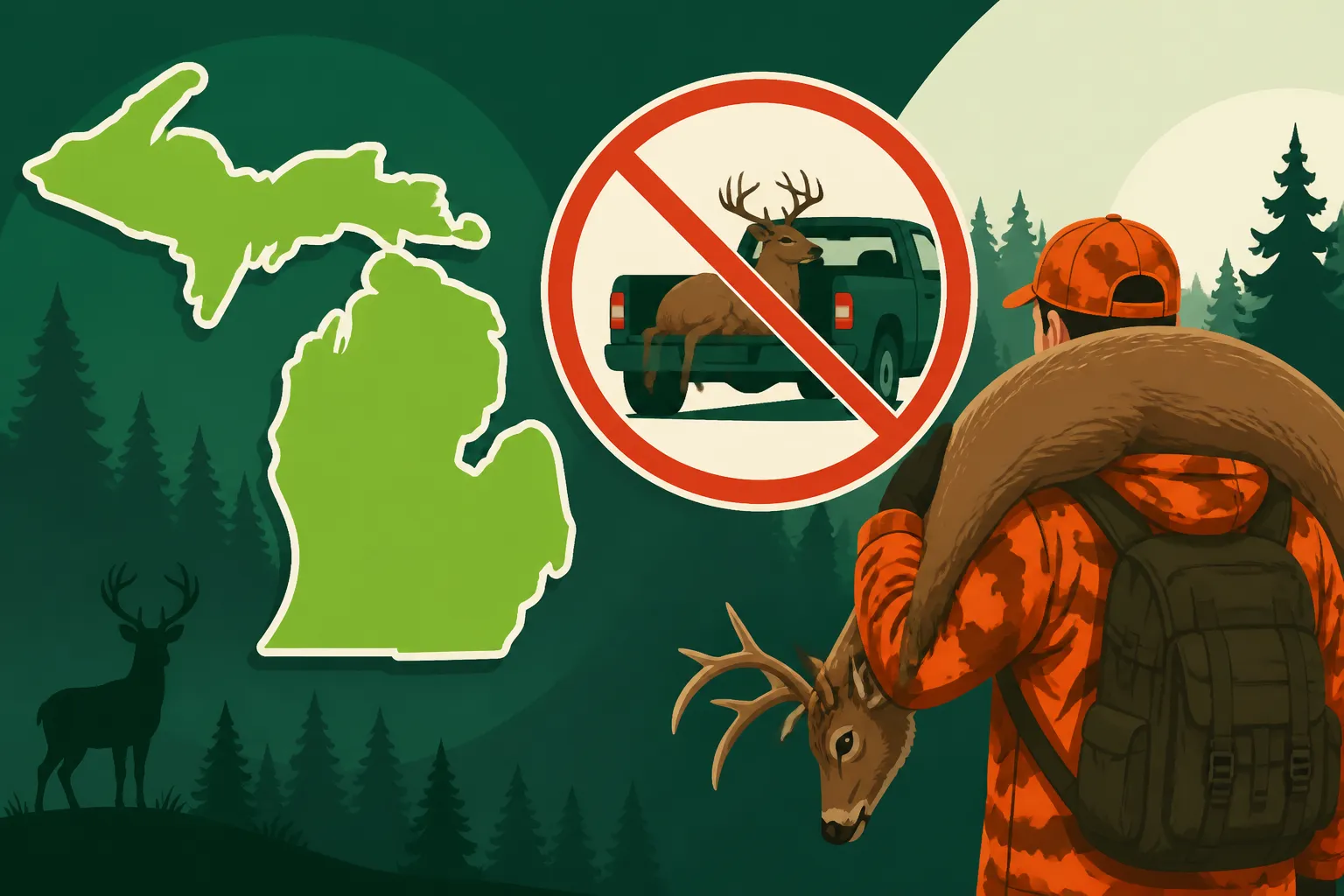
Let's get specific. When you're dealing with a deer taken outside of a CWD or bTB designated zone, you're generally allowed to transport the whole carcass. That means you can throw your deer in the back of your truck and take it straight to your camp, home, or a processor. However, if you're leaving a CWD Management Zone or Bovine TB Management Zone, the rules change significantly.
From these disease management zones, you are typically only allowed to transport specific parts:
- Boned-out meat: This is meat that has been completely separated from the bone.
- Quarters or other pieces of meat that do not contain any part of the spinal column or head.
- Skins or hides that have been cleaned of all tissue and foreign material.
- Antlers: This includes antlers still attached to a skull cap from which all brain and nervous tissue has been removed.
- Upper canine teeth (buglers, ivories) from elk.
- Finished taxidermy products.
What's not allowed to leave these zones are the "high-risk" parts: the skull (especially with brain material), spinal column, and other nervous system tissues. This is because CWD prions, for example, concentrate heavily in these areas. You can't just throw an entire deer from a CWD county into your truck and drive it to a non-CWD county. This is a critical distinction, and it's where many hunters, especially those who travel for deer season, can inadvertently run into trouble. Always check the latest regulations for "Michigan Carcass Movement Rules" before you head out, as these zones can change.
Processing Your Deer Safely
Given these rules, how you process your deer becomes incredibly important. For deer harvested within a CWD or Bovine TB Management Zone, field dressing your deer where you kill it is highly recommended. This allows you to leave the gut pile, which contains many high-risk parts, at the kill site. If you plan to take your deer out of a disease zone, you'll need to do more than just field dress. You’ll need to debone the meat or quarter the animal, carefully removing all parts of the spinal column and head, before transporting it across zone boundaries.
Many hunters choose to use a local processor within the CWD or Bovine TB zone, which is a great option. They are familiar with the rules and have the facilities to handle the carcass and dispose of the high-risk waste properly. If you're a DIY kind of hunter, ensure you have the necessary tools and knowledge to completely debone your deer in the field or at camp. For those looking to learn more about this, our guide on "Butchering a Deer at Camp" offers some excellent tips. Proper sanitation is key, whether you’re at home or in the field. After "Field Dressing a Deer in Cold Weather", make sure all tools and surfaces are thoroughly cleaned to prevent any cross-contamination, especially if you plan to process another animal later.
Special Considerations for Disease Hot Zones
Michigan has specific areas designated as disease hot zones for CWD and Bovine TB. These zones have stricter rules regarding carcass movement, and understanding them is crucial for every hunter who plans to hunt in or near these areas. The Michigan DNR works tirelessly to monitor these diseases, and our cooperation as hunters is vital to their containment efforts.
Navigating CWD Management Zones
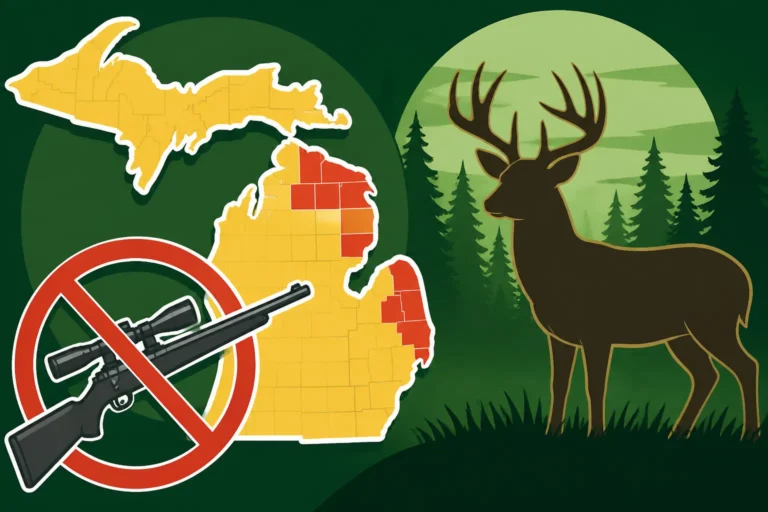
Chronic Wasting Disease (CWD) is a serious neurological disease that affects cervids (deer, elk, moose). It's always fatal and is caused by infectious proteins called prions. Once prions are in the environment, they can persist for a very long time, making prevention of spread absolutely critical. Michigan currently has several counties designated as CWD Management Zones. These zones are established based on where CWD-positive deer have been found.
If you harvest a deer in a CWD Management Zone, the rules are stringent. You cannot transport the whole carcass out of that zone. As mentioned earlier, only specific parts are allowed: deboned meat, cleaned hides, antlers with clean skull caps, and finished taxidermy mounts. All other parts considered "high-risk" (brain, spinal column, eyes, lymph nodes, etc.) must remain within the CWD Management Zone. This means if you kill a deer in, say, Jackson County (which is a CWD-positive county), and you live in Mecosta County (not a CWD-positive county), you must process that deer to its allowed components before you leave Jackson County.
The DNR provides CWD testing for hunters, and if you hunt in these zones, it's highly encouraged to submit your deer for testing. Our guide on "Michigan CWD Rules and Test Sites" provides comprehensive information on where to find test sites and what to expect. You can often drop off heads at designated locations or have a sample taken at a DNR check station. Knowing the CWD status of the deer you harvest helps the DNR track the disease and adjust management strategies. Always verify which counties are currently part of the CWD Management Zone before your hunt, as these boundaries can change based on disease prevalence. Many hunters use tools like GoHunt's mapping features or the "Michigan's Mi-HUNT Map" to quickly identify these zones and plan their hunts accordingly.
Bovine TB Restrictions in Northeast Michigan
Bovine Tuberculosis (bTB) is another significant concern, primarily concentrated in a specific region of northeast Michigan, including parts of Alcona, Alpena, Montmorency, and Oscoda counties. Unlike CWD, which is a prion disease, bTB is caused by bacteria and can affect cattle as well as deer. This makes it a particular concern for agricultural communities in the area.
If you harvest a deer in this designated Bovine TB Management Zone, the rules are similar to CWD zones in that certain high-risk parts cannot be moved out of the area. However, the specific parts of concern for bTB are often the lymph nodes and respiratory organs, where the bacteria can reside. Hunters in this zone are also encouraged to have their deer tested. The DNR provides specific instructions for sampling lymph nodes for testing from deer harvested in the bTB zone. Our article on "Bovine TB Rules in Northeast Michigan" delves deeper into the specifics of this unique situation and what hunters need to do.
It's not just about what you can transport; it's also about how you handle the carcass in the field. Avoiding contact with exposed lymph nodes or lung tissue is a good practice. Again, using a local processor familiar with bTB protocols is often the easiest and safest route if you hunt in this region. The rules are in place to prevent the spread of bTB to new deer populations and to protect the cattle industry, which is vital to Michigan’s economy. Always check the most current regulations provided by the DNR, as managing wildlife diseases is an ongoing and evolving process.
Practical Tips for Michigan Hunters
Navigating carcass movement rules doesn't have to be overwhelming. With a little foresight and planning, you can ensure a smooth, legal, and responsible process from the moment you tag your deer to the time it's on your dinner table.
Planning Your Harvest and Processing
The best defense against rule-breaking is a good offense: planning. Before you even head out for your hunt, especially if you're traveling to a new area or hunting near a disease zone, take a few minutes to review the current Michigan DNR regulations. The DNR website is always the most up-to-date source for specific county designations and rules. Many hunters use the "Michigan DNR Hunt Fish App" to quickly access regulations and even report their harvest right from the field.
Consider your travel plans. If you're hunting in a CWD or bTB zone and plan to take your deer home across zone boundaries, you must plan for field processing. This means having the right tools with you: a sharp knife, game bags, perhaps even a bone saw or hatchet if you're quartering. Think about how you’ll dispose of the high-risk parts you can't take with you. Some areas have designated drop-off sites for deer heads or carcasses. Know where these are before you hunt. If you're unsure about the rules, a quick call to the local DNR office or a visit to their website can save you a lot of hassle and potential fines. Being prepared means you can focus on the hunt itself, rather than worrying about logistics afterward.
Utilizing Local Resources
One of the easiest ways to comply with carcass movement rules, particularly when hunting in disease zones, is to utilize local resources. Many small towns in Michigan's hunting country have excellent deer processors. These businesses are usually well-versed in the latest DNR regulations for their area and will handle the high-risk parts according to state guidelines. They’ll debone your meat, package it, and ensure that any regulated waste is disposed of properly within the disease management zone. This not only keeps you compliant but also saves you a tremendous amount of time and effort in the field.
Think about the convenience: instead of spending hours butchering a deer in the woods or at a cold camp, you can drop it off and pick up ready-to-eat packages later. Some processors even offer specialty cuts or jerky making services. When you’re looking up a processor, it’s a good idea to call ahead, especially during peak season like "Michigan's November Firearm Deer Season", to confirm their capacity and current rules. Also, don't forget the importance of reporting your harvest. Michigan requires you to "Reporting a Michigan Harvest in 72 Hours", which can usually be done online or via the DNR app.
Staying Informed
Regulations can and do change. The battle against diseases like CWD is ongoing, and as new scientific information becomes available or as disease prevalence shifts, the DNR may update its rules and zone boundaries. Relying on outdated information can lead to unintentional violations.
The best way to stay informed is to regularly check the Michigan DNR website's hunting and disease management sections. Sign up for DNR email newsletters if they're available, or follow their official social media channels for real-time updates. Hunting resources like GoHunt often compile the latest regulations in an easy-to-digest format, which can be incredibly helpful. Before any hunting trip, make it a habit to do a quick review of the relevant regulations for your chosen hunting area. This proactive approach will ensure you're always hunting legally and contributing positively to Michigan's wildlife conservation efforts. Understanding rules like "Michigan Antler Point Restrictions by DMU" or even specific "Michigan Hunting Licences and What They Cost" are just as important as knowing carcass movement rules.
Michigan Carcass Movement Rule Summary
To help you keep track of the main points, here’s a quick overview of Michigan’s general carcass movement rules related to disease zones. Always remember that specifics can change, so consult the official DNR regulations before your hunt.
| Area of Harvest | Allowed Movement (Out of Zone) | Restricted Movement (Out of Zone) |
|---|---|---|
| Outside Disease Zones | Whole carcass, boned-out meat, quarters, hides, antlers, finished taxidermy. | None (within Michigan). |
| CWD Management Zone | Boned-out meat, quarters (no spinal column/head), cleaned hides, antlers (cleaned skull cap), finished taxidermy. | Whole carcass, intact head, spinal column, brain, spleen, lymph nodes. |
| Bovine TB Management Zone | Boned-out meat, quarters (no spinal column/head), cleaned hides, antlers (cleaned skull cap), finished taxidermy. | Whole carcass, intact head, spinal column, lungs, trachea, specific lymph nodes. |
Disclaimer: This table provides a general overview. Always refer to the most current Michigan DNR hunting regulations for precise and up-to-date information regarding carcass movement rules in specific zones.
Final Thoughts on Responsible Carcass Handling
Successfully hunting in Michigan is about more than just filling a tag; it's about being a responsible steward of our incredible natural resources. Understanding and adhering to Michigan's carcass movement rules is a crucial part of that responsibility. These regulations are not arbitrary; they are scientifically backed efforts to protect our deer herd from devastating diseases like CWD and Bovine TB.
By taking the time to plan, knowing your hunting zones, preparing for field processing if necessary, and utilizing local resources, you can ensure you're doing your part to keep Michigan's deer healthy for generations to come. Stay informed, consult the DNR's official guides, and enjoy your time in Michigan's magnificent outdoors.
Disclaimer
The information provided in this guide is for general informational purposes only and is not intended as legal advice or a substitute for official Michigan Department of Natural Resources (DNR) regulations. Hunting laws and regulations can change frequently. Hunters are solely responsible for knowing and adhering to all current federal, state, and local hunting laws and regulations. Always consult the most recent official Michigan DNR hunting digests and publications before engaging in any hunting activities.