Bovine TB Rules in Northeast Michigan
When you’re gearing up for deer season in Michigan, especially if you’re heading to the northern Lower Peninsula, the last thing you want to worry about is a disease impacting the herd. Yet, for years now, Bovine Tuberculosis (bTB) has cast a long shadow over hunting in Northeast Michigan, bringing with it a whole different set of rules and considerations for hunters. It's frustrating to navigate additional regulations when all you want to do is enjoy your time in the woods, and these rules often feel complex and ever-changing. This guide aims to demystify the Bovine TB regulations, helping you understand what they are, why they exist, and how to comply with them so you can hunt with confidence and contribute to the health of Michigan's deer herd.
Understanding Bovine Tuberculosis and Its Presence in Michigan
Bovine Tuberculosis, or bTB, isn't just a concern for cattle farmers; it's a serious bacterial disease that can affect deer and other mammals, including humans, though transmission to humans is rare. For Michigan hunters, particularly those venturing into the northeastern Lower Peninsula, bTB has been a very real and persistent issue for decades. It's a slow-moving, chronic disease, and while it might not cause immediate widespread deer die-offs like some other illnesses, its long-term presence can severely impact herd health and management. Discovering bTB in wild deer was a significant blow to the hunting community, transforming how we approach deer management in certain areas.
The History and Spread of bTB in Michigan Deer
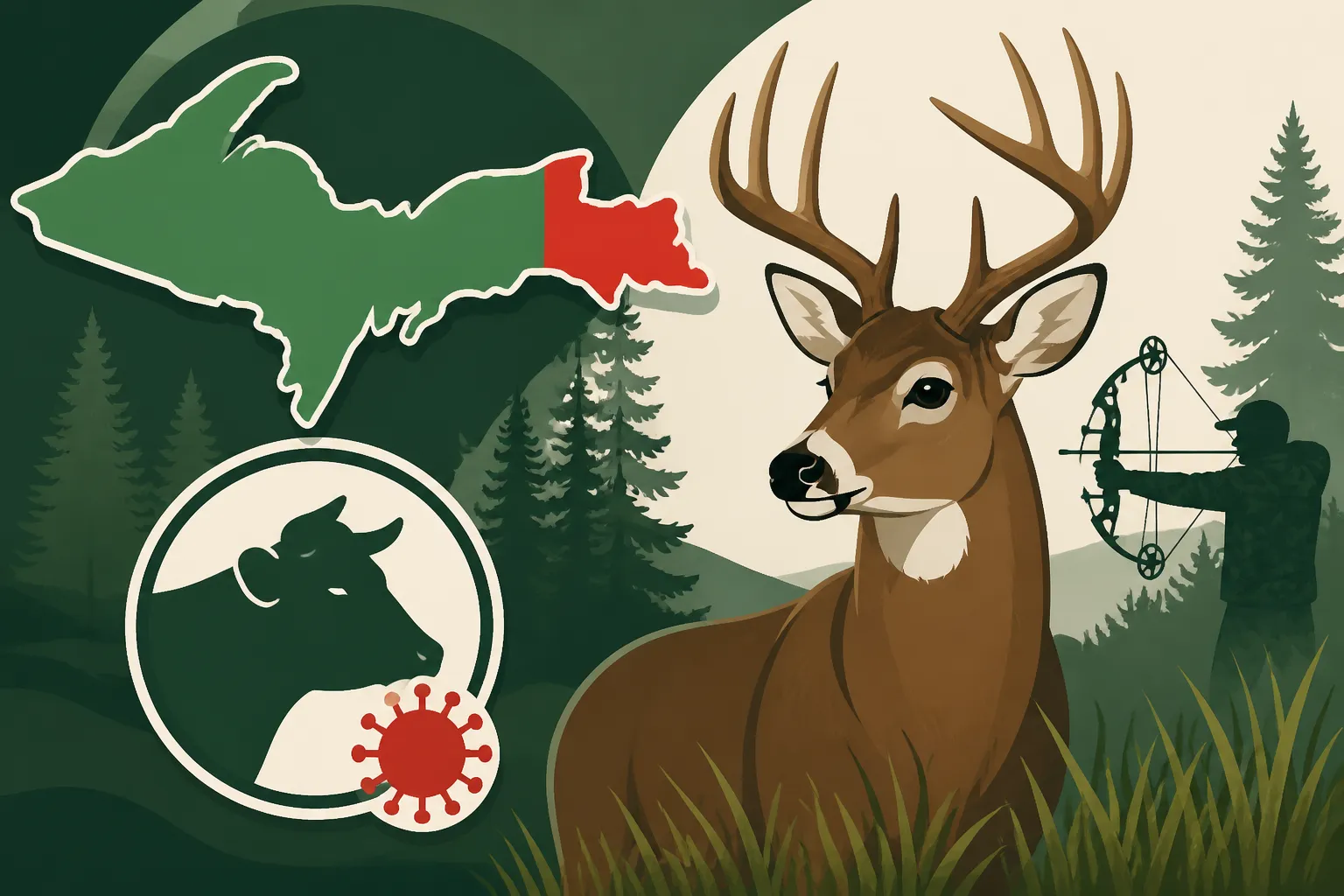
The story of bTB in Michigan's wild deer population dates back to 1994, when it was first detected in a deer harvested in Alcona County. This was a shock to wildlife biologists and hunters alike, as bTB was primarily known as a disease of livestock. Investigations quickly revealed that the disease had likely jumped from infected cattle to wild deer, a unique and troubling situation. Over the years, the disease became concentrated in a specific region of the northern Lower Peninsula, primarily within Alcona, Alpena, Montmorency, and Oscoda counties. This area, often referred to as the "bTB zone," has since been the focus of intense surveillance and management efforts. Understanding this history helps us grasp why these seemingly strict rules are in place; it's a direct response to a very stubborn and localized problem that hasn't simply gone away.
The spread of bTB is often linked to shared food sources and close contact among animals. In areas where baiting and feeding were once common, deer would congregate, increasing the likelihood of disease transmission. This realization played a significant role in the statewide ban on baiting for deer, though bTB was the initial catalyst for restricted feeding in the affected region. Even without baiting, deer naturally gather around certain food sources, especially during harsh winters, creating opportunities for the bacteria to pass from one animal to another, or from an infected carcass to a healthy one. The persistence of bTB despite significant efforts highlights just how challenging it is to manage a disease in a wild, free-ranging population, especially when it involves a slow-acting bacterium that can linger in the environment.
Why This Disease Matters to Deer Hunters
For many Michigan hunters, the thought of bTB is just another layer of complication when planning a trip. But it's crucial to understand that this isn't just about deer health; it's about the sustainability of our deer herd and, by extension, our hunting heritage. If bTB were allowed to spread unchecked, it could severely compromise deer populations, lead to more widespread regulations, and even impact agricultural industries. The disease can cause lesions in the lungs and other organs, making the meat questionable and potentially affecting an animal's overall health and survival.
Beyond the biological impact, bTB regulations directly affect hunting opportunities. The DNR implements specific antlerless harvest quotas and mandatory testing requirements in the affected Deer Management Units (DMUs) to help reduce deer density and monitor the disease. This means that hunters in these areas often have different rules for obtaining licenses and reporting harvests compared to other parts of the state. It can be a real headache, especially if you're used to more straightforward regulations elsewhere. These efforts are all aimed at bringing the prevalence of bTB down to a manageable level, ideally eradicating it from the wild deer population, ensuring that future generations can enjoy healthy deer hunting. Without the active participation of hunters, these management goals would be incredibly difficult to achieve.
Navigating Current Bovine TB Regulations for Hunters
Hunting in Michigan's bTB zone means stepping into a different regulatory landscape. The Michigan Department of Natural Resources (DNR) has implemented specific rules for hunters in the affected DMUs to help monitor and control the spread of the disease. These aren't just suggestions; they are mandatory requirements that every hunter needs to understand and follow closely. Ignoring these rules could not only put the herd at risk but also lead to legal trouble, which nobody wants when they're trying to enjoy a hunt.
Mandatory Deer Testing and Carcass Inspections
The cornerstone of bTB management in Northeast Michigan is mandatory deer testing. If you harvest a deer in one of the core bTB counties (Alcona, Alpena, Montmorency, or Oscoda), you are required to submit the deer's head for testing. This process allows the DNR to track the prevalence of the disease and identify new areas of concern. It might feel like an extra step after a successful hunt, but it's a vital part of the surveillance program. You'll typically find designated drop-off locations, often at DNR offices or specific cooperating businesses, where you can leave the head. Make sure you keep the harvest tag attached to the deer, and record the kill location accurately.
This isn't just a simple drop-off; it's often a conversation with DNR staff or volunteers who can answer your questions and provide more context about bTB. They'll examine the head for visible lesions and collect samples for laboratory testing. You won't get immediate results, but you'll be notified if your deer tests positive for bTB. The results are crucial for the DNR to determine how widespread the disease is and where new hotspots might be emerging. Hunters are truly on the front lines of this data collection, making your cooperation indispensable. For up-to-date information on drop-off locations and testing protocols, consulting the official Michigan DNR website or using resources like GoHunt to cross-reference DMU boundaries is always a good idea. Knowing where to go and what to expect makes the process much smoother after a successful hunt.
Antlerless Deer Harvest and Special Regulations
In the bTB zone, antlerless deer harvest plays a critical role in managing herd density, which directly impacts disease transmission. High deer densities can lead to more frequent contact between animals, increasing the chances of bTB spreading. Because of this, the DNR often has specific regulations regarding antlerless deer licenses and harvest limits in the affected DMUs. You might find higher quotas for antlerless tags, or even unlimited private land antlerless tags in certain areas, as a way to encourage hunters to remove more deer. This is a targeted effort to reduce the overall population pressure and help break the cycle of transmission.
It's important to understand that these antlerless regulations can differ significantly from other parts of Michigan. For example, some DMUs within the bTB zone might allow hunters to purchase multiple antlerless licenses that can be used on both public and private land, or have extended seasons for antlerless deer. Always check the specific regulations for the DMU you plan to hunt in before purchasing your licenses. The goal is to maximize the opportunity for hunters to help manage the population while still providing quality hunting experiences. If you're looking to fill the freezer, securing a few extra antlerless tags in these DMUs can be a great way to contribute to disease management while still enjoying your time in the field. Information about specific antlerless quotas and special seasons is usually detailed in the annual Michigan Hunting Seasons and Tags digest.
Here's a quick overview of some key Bovine TB regulations in the core affected counties:
| Regulation Aspect | Core bTB Counties (Alcona, Alpena, Montmorency, Oscoda) | Other Northeast Michigan Counties (Adjacent to core) | Rest of Michigan (General Rules) |
|---|---|---|---|
| Mandatory Testing | Yes, all harvested deer heads must be submitted | Voluntary submission encouraged, some specific areas may be mandatory | Voluntary submission encouraged, generally not mandatory |
| Antlerless Tags | Often higher quotas, potentially unlimited private land tags, extended seasons | Standard quotas, some flexibility | Standard quotas based on population |
| Carcass Transport | Restricted out of the bTB zone (see details below) | Restricted out of specified CWD or TB areas (if applicable) | Generally unrestricted within state |
| Baiting & Feeding | Illegal | Illegal (statewide ban with few exceptions) | Illegal (statewide ban with few exceptions) |
Carcass Movement Restrictions
One of the most critical, and often frustrating, regulations in the bTB zone pertains to carcass movement. To prevent the accidental spread of the disease to unaffected areas, there are strict rules about transporting deer carcasses out of the core bTB counties. You cannot simply load a whole deer into your truck and drive it to your home outside the zone. This rule is in place because the bTB bacteria can persist in lymph nodes and other tissues, potentially contaminating new areas if an infected carcass is improperly disposed of or processed elsewhere.
The general rule is that only certain parts of a deer can leave the bTB zone: deboned meat, quarters or other portions of meat with no part of the spinal column or head attached, hides (provided they are taken to a licensed tannery or taxidermist), and cleaned skull plates or antlers. This means if you harvest a deer in one of the core bTB counties, you'll need to process it within that area before transporting it. This can be a significant logistical challenge, especially for hunters traveling from a distance. Some hunters opt to use local processors in the bTB zone, while others prepare for field butchering. It requires a bit more planning and effort, but it's a non-negotiable step to protect Michigan's overall deer herd. Understanding these Michigan Carcass Transport Restrictions is vital for any hunter in the region.
Practical Advice and Hunter Contributions to bTB Control
Dealing with Bovine TB in Northeast Michigan isn't just about following rules; it's about being an active participant in wildlife management. As hunters, we have a unique and powerful role to play in helping control and, hopefully, eventually eradicate this disease. It often means going the extra mile, but our efforts make a real difference to the health of the deer herd and the future of hunting in the state. This section offers practical advice on how you can contribute effectively, turning compliance into positive action.
Proper Carcass Handling and Disposal
One of the most impactful ways hunters can help prevent the spread of bTB is through meticulous carcass handling and proper disposal. After you've successfully harvested a deer in the bTB zone, especially during Michigan's November Firearm Deer Season, the process doesn't end with tagging. If your deer is selected for mandatory testing, you'll take the head to a designated drop-off location. For the rest of the carcass, particularly the parts that won't be consumed, careful disposal is paramount. Never simply discard uneaten portions or remains in a way that allows other wildlife, or even other deer, to access them. The bTB bacteria can survive in decaying tissues and soil, potentially infecting other animals that scavenge or graze in the area.
The best practice for carcass disposal within the bTB zone is to bury the remains deeply, ideally at least three feet, at the kill site or at a permitted landfill. Many hunters who live within or frequently visit the zone have established a designated burial spot on private land. If you're on public land, burying deep is usually acceptable, or you might need to transport non-testable parts to a permitted landfill. Avoid leaving gut piles or other remains exposed, especially near known deer trails or feeding areas. This diligence, while requiring extra effort, significantly reduces the environmental contamination risk and is a direct way you contribute to containing bTB. Think of it as leaving the woods cleaner and healthier than you found them, a core tenet of responsible hunting.
Recognizing Signs of bTB and Reporting Sightings
While laboratory testing is the definitive way to diagnose bTB, hunters can still play a crucial role by being observant in the field. Deer infected with bTB often show no outward signs, especially in the early stages of the disease. However, as the disease progresses, you might notice certain symptoms. Look for deer that appear emaciated or listless, standing with a hunched posture, or exhibiting difficulty breathing. Internally, during field dressing, you might observe lesions or abscesses in the lymph nodes (especially those in the head and neck area), lungs, or other organs. These lesions can range from small, pearl-like nodules to larger, calcified masses.
If you encounter a deer that exhibits these signs, or if you harvest a deer and notice suspicious lesions during field dressing, it's incredibly important to report it to the DNR. Take careful note of the exact location. Even if you're not in a mandatory testing zone, reporting unusual findings helps the DNR monitor wildlife diseases across the state as part of their Michigan Wildlife Disease Monitoring efforts. You can contact your local DNR office or use the DNR's reporting tools to submit your observation. While it can be a little unsettling to come across a sick animal, your report provides valuable data that helps biologists track disease patterns and implement targeted management strategies. Always handle any suspicious carcass with gloves and practice good hygiene to minimize any potential risk, though as mentioned, transmission to humans is rare.
Utilizing Resources and Tools Like GoHunt
In an age where information is at our fingertips, hunters have access to incredible tools that can help navigate complex regulations, including those related to bTB. The Michigan DNR website is always the primary source for the most up-to-date regulations, maps of DMUs, and locations for deer head submission. However, third-party apps and platforms like GoHunt can also be invaluable for planning your hunt, especially when dealing with specific geographic restrictions like the bTB zone.
GoHunt, for instance, offers detailed mapping layers that can help you visualize DMU boundaries, public versus private land, and even potential access points. This kind of spatial awareness is critical when you need to confirm whether you're hunting within a bTB-affected DMU and, therefore, subject to mandatory testing or carcass transport rules. Imagine you're scouting potential spots for Hunting the Michigan Rut in November and want to ensure you understand the specific rules for that parcel of Public Hunting Land in Michigan; GoHunt can quickly overlay boundaries and help you plan your logistics, including where you might need to process a deer or drop off a head. It helps remove some of the guesswork and anxiety, allowing you to focus more on the hunt itself. By cross-referencing information from the DNR with intuitive mapping tools, hunters can ensure they are fully compliant and make informed decisions in the field.
The Long-Term Vision for bTB Management in Michigan
Bovine TB has been a persistent challenge for Michigan's wildlife managers and hunters for decades, prompting ongoing research and adaptive management strategies. The long-term vision is clear: to reduce the prevalence of bTB in wild deer to an undetectable level and, ideally, to eradicate it entirely. Achieving this goal requires sustained effort, continuous monitoring, and the unwavering cooperation of the hunting community. It’s not a quick fix, but a marathon that depends on every hunter understanding their role.
The Impact of Regulations on Deer Population Health
The regulations currently in place, particularly those focusing on increased antlerless harvest and mandatory testing in the bTB zone, are designed with a very specific purpose: to reduce deer population density and interrupt the transmission cycle of the disease. While some hunters might feel that these regulations create an undue burden or impact their traditional hunting experience, they are vital for the overall health of the herd. By targeting antlerless deer, especially does, the reproductive potential of the herd is reduced, leading to lower overall numbers. Fewer deer in close contact means fewer opportunities for the bacteria to spread, especially given How Many Antlerless Tags You Can Buy has increased in these areas.
Moreover, the extensive testing program provides critical data that allows wildlife biologists to track the disease's movement and identify areas where it might be declining or, conversely, persisting. This data-driven approach means that management strategies can be fine-tuned over time, adapting to the latest scientific findings and disease trends. While the initial goal was to reduce the prevalence of bTB, these regulations have also provided valuable insights into deer population dynamics and disease ecology, contributing to a more robust understanding of Michigan's whitetail deer. The hope is that these efforts will eventually lead to a point where bTB is no longer a significant concern for hunters or the agricultural community in the region.
The Role of Hunters in Future bTB Eradication Efforts
Hunters are, without a doubt, the most important partners in Michigan's bTB eradication efforts. Without the thousands of deer submitted for testing each year, the DNR would have a significantly diminished understanding of the disease's prevalence and distribution. Each hunter who complies with the mandatory testing, adheres to carcass movement restrictions, and follows proper disposal guidelines contributes directly to the broader goal of a bTB-free herd. This commitment extends beyond simply following the rules; it's about being an informed, proactive steward of Michigan's natural resources.
Looking ahead, continued hunter engagement will be crucial. This includes providing accurate harvest information, reporting any suspicious findings, and staying informed about changes in regulations. It also means educating fellow hunters who might be less aware of the specifics of bTB management. There’s a constant need for dialogue between hunters and wildlife agencies to ensure that strategies are effective and that the hunting community feels heard. Our collective efforts not only help manage bTB but also set a precedent for how we can collaboratively address other wildlife health challenges, such as Chronic Wasting Disease in Michigan. Ultimately, the success of bTB eradication rests on the shoulders of dedicated hunters who understand that their actions in the field have a profound impact on the future of Michigan deer hunting.
Disclaimer
The information provided in this guide is intended for general informational purposes only and does not constitute legal advice. Hunting regulations, seasons, and disease protocols are subject to change. Always consult the official Michigan Department of Natural Resources (DNR) website or their current hunting digest for the most up-to-date and specific regulations before planning or engaging in any hunting activities.