Michigan Managed Waterfowl Area Draws
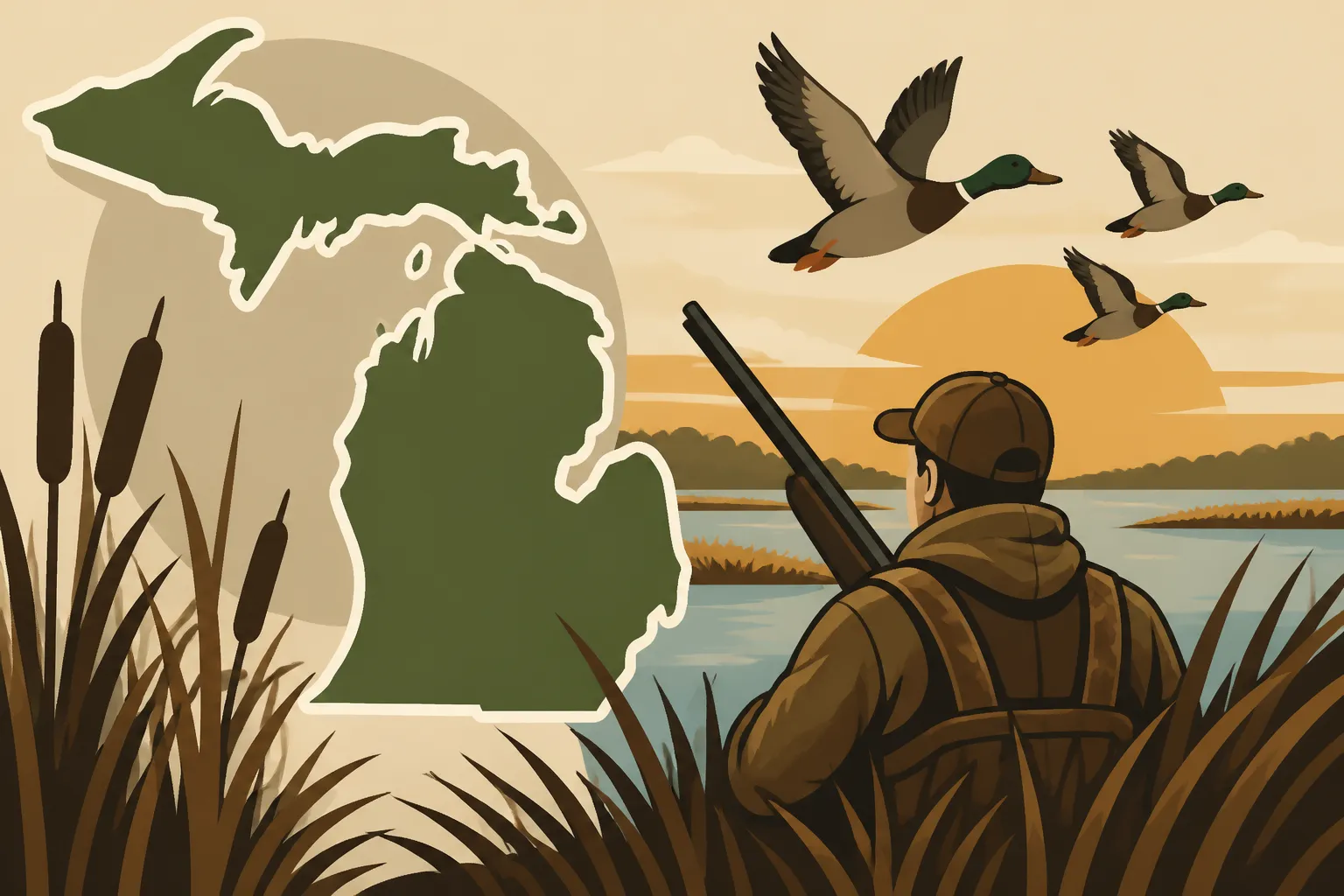
Few things are as frustrating as having a perfectly planned waterfowl hunt ruined by crowded public access or private land restrictions. For Michigan duck and goose hunters yearning for consistent action and quality habitat, the Michigan Department of Natural Resources (DNR) managed waterfowl areas offer a beacon of hope – but understanding their unique draw system is absolutely critical to getting in on the action. This guide will walk you through the ins and outs of Michigan's managed waterfowl area draws, from application to execution, helping you navigate this competitive yet rewarding facet of waterfowling.
The Allure of Michigan's Managed Waterfowl Areas
Michigan is blessed with incredible waterfowl resources, from the Great Lakes shoreline to vast inland marshes. However, much of the prime habitat is either privately owned or incredibly difficult to access. This is where the managed waterfowl areas shine. These are dedicated parcels of land, often large and meticulously managed by the DNR, specifically for waterfowl habitat and hunting. They provide critical breeding grounds, staging areas, and migratory stopovers for a huge variety of ducks and geese, making them magnets for birds throughout the season.
The very existence of these managed areas is a testament to dedicated conservation efforts. They ensure that even with increasing development and habitat loss, there are still places where waterfowl can thrive and hunters can pursue them. By controlling access through a draw system, the DNR can manage hunting pressure, prevent overharvest, and ensure a quality experience for those who are drawn. It’s a carefully balanced act to maintain both healthy bird populations and hunter opportunity.
Why Managed Areas Draw Such a Crowd
Let's be honest, the biggest reason these managed areas are so popular is simple: they hold birds, and hunters have a legitimate chance at success. Unlike many other public lands where you might spend hours scouting and still find yourself competing with a dozen other groups, the draw system means that if you get a spot, you're usually in a prime location with a reasonable expectation of seeing ducks or geese. The managed habitat, often flooded agricultural fields or carefully maintained wetlands, is designed to attract and hold waterfowl.
For many hunters, especially those without access to private leases or the specialized equipment required for Great Lakes diver hunting, these areas represent their best, and sometimes only, shot at a consistent waterfowl hunt. It levels the playing field somewhat, offering a structured opportunity that minimizes the chaos often associated with "open" public land hunting. Plus, the sheer anticipation of the draw, whether for a reserved hunt or a daily walk-in, adds an exciting layer to the entire experience, much like the anticipation of the Michigan Bear Licence Drawing.
The controlled environment also contributes to better success rates. With limits on the number of hunters and parties, birds aren't pressured constantly from every direction. This can lead to more predictable flight patterns and opportunities. While there's no guarantee of a limit, the odds are generally much better than simply driving around looking for open water on state land. It's a system designed to concentrate both birds and opportunity, and hunters flock to it for good reason.
Spotlight on Key Michigan Waterfowl Destinations
Michigan boasts several premier managed waterfowl areas, each with its own character and specialties. On the east side of the state, in the Lake Erie watershed, you have the venerable Pointe Mouillee State Game Area. This massive complex is famous for its diverse hunting opportunities, from marsh hunting for puddle ducks to layout blinds in agricultural fields for geese. It's a classic Michigan waterfowling experience.
Moving north, along Saginaw Bay, are Nayanquing Point and Fish Point State Wildlife Areas. These areas are renowned for their abundant puddle duck populations, including mallards, wood ducks, and teal, as well as significant numbers of Canada geese. The shallow, fertile waters and extensive marshlands make them incredibly attractive to migrating birds. Just a bit further inland, the Shiawassee River State Game Area also provides excellent hunting for ducks and geese, particularly in its flooded impoundments. If you're looking into hunting these areas, understanding the Michigan Duck Daily Bag Limit and Michigan Goose Seasons and Units is essential.
Then there's the legendary Harsens Island State Game Area, nestled in the St. Clair Flats. This unique island is a waterfowl paradise, offering diverse hunting experiences in its extensive marshlands. It's a special place that has drawn generations of hunters. Other notable areas include the Fennville Farm Unit and Tobico Marsh. Each of these managed areas presents its own set of challenges and rewards, but they all share the common thread of providing exceptional habitat and structured hunting opportunities.
Demystifying the Michigan Waterfowl Draw System
The idea of a "draw" can sound intimidating, but it's really just a system to fairly allocate limited hunting opportunities. For Michigan's managed waterfowl areas, there are generally two main types of draws: the reserved hunt application period and the daily walk-in draw. Understanding how both work is crucial, as they cater to different hunting styles and schedules. This isn't like applying for a Michigan elk tag where preference points accumulate; waterfowl draws are typically a lottery system.
The DNR's goal with these draws is twofold: to provide a quality hunting experience by limiting pressure and to gather important biological data. When you check in for a hunt, whether reserved or walk-in, you're usually required to report your harvest at the end of the day. This data helps biologists track waterfowl populations, migration patterns, and the effectiveness of their management strategies. It's a partnership between hunters and the DNR that benefits everyone.
The Online Application and Important Deadlines
For many of Michigan's managed waterfowl areas, especially during the early portions of the season, there are specific reserved hunt periods that require an online application. These applications typically open in late summer, often in August, and have a strict deadline. You'll usually apply as a party, indicating your preferred hunt dates and the specific managed area. It's vital to mark these dates on your calendar, as missing the window means missing out on the best opportunities. Many hunters find platforms like GoHunt invaluable for keeping track of Michigan's complex hunting regulations and draw dates.
When applying, you'll be asked to choose specific dates and sometimes even specific units or zones within a managed area. It's a lottery, pure and simple, so there are no preference points built up over time for waterfowl draws. Every applicant has an equal chance in the drawing for each hunt period. The results are usually announced a few weeks before the season opens, and if you're lucky enough to draw a reserved spot, you'll receive notification, often via email. This process ensures an equitable distribution of the most desirable hunting dates, allowing many hunters to experience a Michigan Managed Waterfowl Area Draw.
It's also worth noting that if you don't draw a reserved hunt, or if you prefer a more spontaneous approach, many areas also offer daily walk-in draws. These are typically held an hour or two before legal shooting light on hunt days and don't require pre-application. You simply show up, put your name in the hat (or on the digital list), and hope your number is called. This flexibility allows hunters to hit the marshes when conditions are right, or to pick up hunts leftover from reserved spots. The Michigan DNR Hunt Fish App can be a helpful tool for checking available spots or applying directly.
The Day-Of Draw Experience and How it Works
So, you've either drawn a reserved hunt or decided to try your luck at a daily walk-in draw. What happens next? The day-of experience is a unique part of hunting a managed area. You'll need to arrive well before legal shooting light, often in the dark, at the designated check station. This can mean a very early start, especially if you're traveling a distance to a place like Pointe Mouillee or Nayanquing Point. Be prepared for a crowd, especially on opening weekend or prime migration days.
Once at the check station, you'll verify your party, show your licenses (don't forget your Michigan Federal Duck Stamp Rules and Michigan HIP Certification for Bird Hunters!), and receive a number for the draw. For reserved hunts, your party might be assigned a specific hunting zone or blind. For walk-ins, all parties present will be entered into a lottery for the remaining spots. The actual draw is usually done publicly, with numbers called out in sequence. As your number is called, your party gets to choose an available hunting zone or blind, usually based on a map. This is where scouting really pays off – knowing which zones are productive under certain conditions is invaluable.
The choice of hunting zone is crucial. Some zones might be better for ducks, others for geese. Some might be timber, others open water, or flooded fields. Knowing what kind of hunting you prefer and what conditions (wind, temperature) favor which areas can make or break your hunt. After selecting your zone, you'll receive a permit and instructions, then you're off to prepare for the hunt. This whole process, from check-in to heading to your spot, adds to the ritual and camaraderie of Hunting a Marsh After the Morning Draw.
Strategies for Success in Michigan's Waterfowl Hunts
Securing a spot through a managed waterfowl area draw is only half the battle. To have a truly successful hunt, you need to combine smart draw strategies with effective in-the-field tactics. These areas, while managed, are still wild places, and the birds are still wild birds. They respond to pressure, weather, and food sources just like anywhere else. Being prepared and adaptable will greatly increase your chances of bringing home some ducks or geese.
One of the biggest advantages of managed areas is the consistency of habitat and the predictable nature of the draws. Unlike sprawling public lands where you might spend hours just finding decent access, these areas streamline the process, allowing you to focus more on the actual hunting. However, don't let the "managed" aspect fool you into complacency; the birds here can still be incredibly wary, especially after the first few weeks of the season.
Boosting Your Odds in the Draw Lottery
While the reserved hunt draws are purely random, there are still ways to strategically play the game to improve your chances of getting access, or at least a hunt. First, apply with a full party. Most areas allow a certain number of hunters per party (often up to four). Applying with fewer people means if you draw, you're leaving potential spots unfilled in your party. While this doesn't directly increase your odds of being drawn, it means if you are drawn, you're maximizing the opportunity for your group.
Consider hunting during weekdays. Weekend draws are almost always more competitive. If your schedule allows, applying for or showing up for a weekday hunt can significantly increase your chances of drawing a spot, especially for walk-in draws. The crowds are simply smaller, and competition is less fierce. Also, don't overlook late-season hunts. While the weather can be brutal, the hunting can be phenomenal as new migrations push birds south, and many fair-weather hunters have packed it in. Using tools like GoHunt to analyze draw statistics from previous years, if available, can also give you insights into which dates or areas might be less competitive.
Another strategy, particularly for walk-in draws, is to be flexible. Don't go in with your heart set on one specific zone. Look at the maps provided at the check station and be ready to adapt to what's available. Sometimes, a "less desirable" zone might still offer fantastic hunting depending on wind direction, time of day, or recent bird movements. Speaking of which, don't be afraid to try different managed areas. If Pointe Mouillee is always packed, consider a trip to Nayanquing Point or Fish Point. Each area has its own draw dynamics, and spreading your applications can increase your overall success rate for getting a hunt.
Tactics for a Productive Hunt After You Draw
Once you've drawn your zone, the real work begins. If you were smart, you've done some pre-season scouting, either by visiting the area during non-hunting hours or by using aerial maps. Understanding the layout, typical water depths, and potential blind locations within your assigned zone is invaluable. If you're new to an area, arrive early enough to walk into your zone and do a quick scout before setting up. Look for fresh sign, preferred feed, and natural cover.
Decoy placement is crucial. For puddle ducks in shallow marshes or flooded fields, a realistic spread of mallards, pintails, and teal, with a few active motion decoys like spinning wing models, can be very effective. Remember to space them out naturally; ducks don't land in a tight clump. If you're targeting geese in a field, a spread of full-body Canada goose decoys, again, naturally spaced with family groups, will be key. For hunting divers, consider long lines of decoys mimicking rafts of scaup or canvasbacks, as discussed in Layout Hunting Michigan Big Water.
Your calling strategy needs to match the birds and the pressure they've been under. Early in the season, enthusiastic calling can work wonders. As the season progresses and birds become call-shy, more subtle calling, or even no calling at all, might be more effective. Learn to read the birds' reactions; if they shy away from loud calls, back off. Wind direction is everything in waterfowl hunting. Set up so birds are working into the wind over your decoys, giving you ideal shot opportunities. Be prepared for the conditions; layered clothing, waterproof Waders and Boats for Michigan Marshes, and plenty of hot coffee are essential for a long sit in a Michigan marsh.
| Managed Waterfowl Area | Primary Location | Key Species | Typical Habitat | Draw System Notes |
|---|---|---|---|---|
| Pointe Mouillee | Lake Erie (Southeast MI) | Ducks, Geese | Marsh, Flooded Fields | Reserved & Daily Walk-in |
| Nayanquing Point | Saginaw Bay | Ducks, Geese | Shallow Marsh, Impoundments | Reserved & Daily Walk-in |
| Fish Point | Saginaw Bay | Ducks, Geese | Shallow Marsh, Flooded Fields | Reserved & Daily Walk-in |
| Harsens Island | St. Clair Flats | Ducks, Geese | Extensive Marsh | Reserved & Daily Walk-in |
| Shiawassee River | Central Lower Peninsula | Ducks, Geese | Riverine Marsh, Impoundments | Reserved & Daily Walk-in |
Disclaimer
Always consult the most current Michigan DNR hunting regulations and managed area specific rules before planning any hunt. Seasons, bag limits, and draw procedures are subject to change annually.