Elk Viewing in Michigan
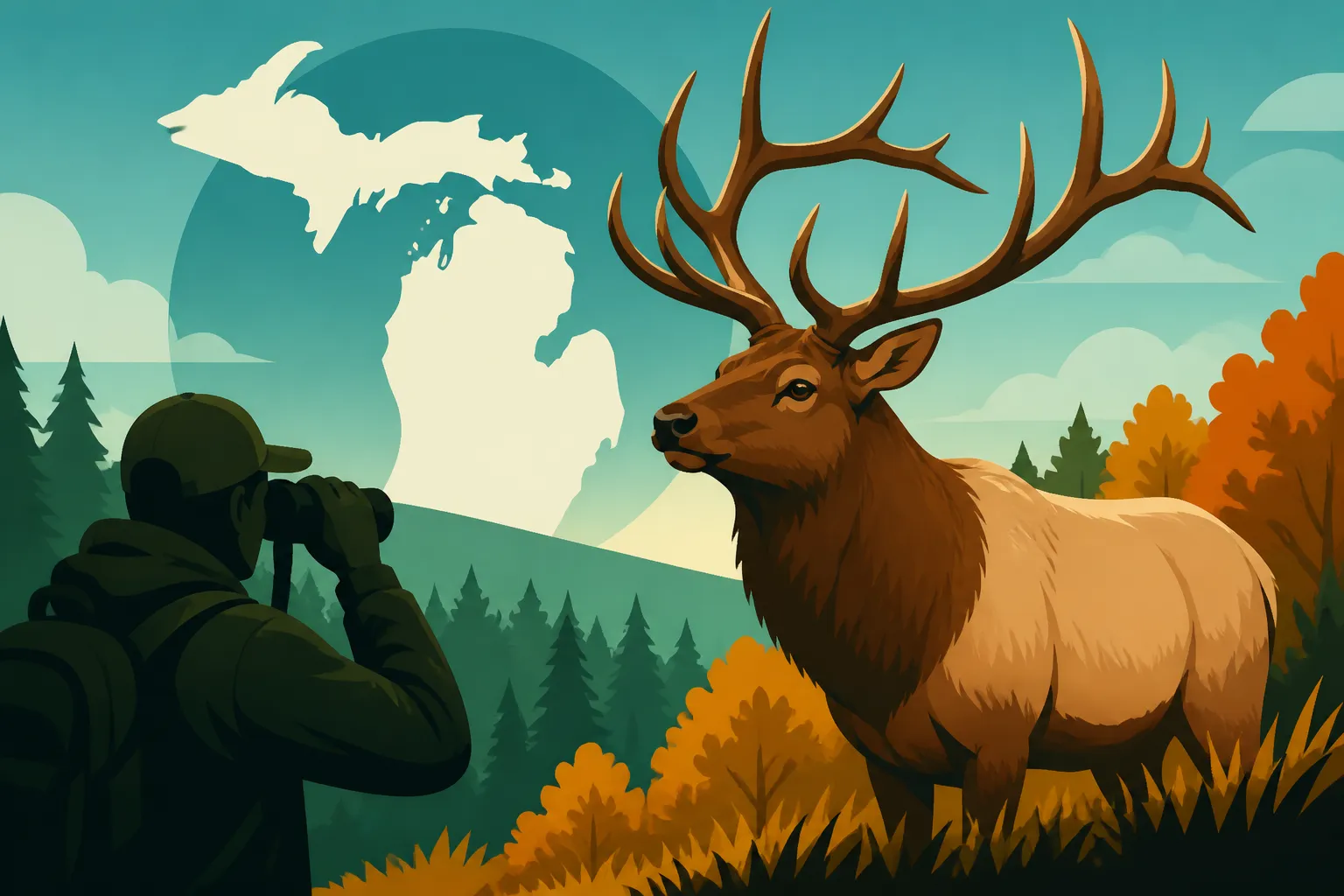
There's something truly awe-inspiring about catching a glimpse of a wild elk, especially in our beautiful state of Michigan. Many folks dream of witnessing these majestic creatures, but often feel frustrated, driving for hours without so much as a flash of brown through the trees. It’s tough knowing they're out there but not knowing where or when to look. This comprehensive guide is here to help you unlock the secrets to successful elk viewing in Michigan, ensuring you not only find them but also have a meaningful and respectful experience with these magnificent animals.
Understanding Michigan's Elk Herd and Where They Roam
Michigan's elk herd is a true conservation success story, a testament to dedicated efforts to bring back a magnificent species that once vanished from our state. For anyone hoping to catch a glimpse of these majestic animals, understanding their history, population, and preferred habitat is the first crucial step. Without this foundational knowledge, you might find yourself wandering aimlessly through the vast northern woods, missing out on precious viewing opportunities.
A Brief History of Michigan's Elk Restoration
It's hard to imagine, but Michigan's native elk population was completely extirpated by the late 1800s, primarily due to unregulated hunting and habitat destruction. They were gone, a distant memory in our wild landscapes. However, in a visionary move in 1918, a small group of seven elk from Yellowstone National Park was released near Wolverine, Michigan, in what would become the initial spark for our current herd. These pioneers faced immense challenges, adapting to a new environment and slowly beginning to reproduce.
Over the decades, through careful management by the Michigan Department of Natural Resources (DNR) and the support of conservation groups and sportsmen, the herd slowly grew and expanded its range. It wasn't always an easy road, with challenges like habitat fragmentation and occasional disease outbreaks. Today, the Michigan elk population is estimated to be around 1,000 to 1,200 animals, a healthy and thriving herd concentrated in the northern Lower Peninsula. Their resilience and the dedicated stewardship of our natural resources make every sighting feel a little more special, a living connection to a wilder past and a hopeful future.
The Heart of Elk Country: Primary Range and Habitat
Michigan's elk primarily inhabit the northern Lower Peninsula, a region often affectionately referred to as "elk country." This vast area, encompassing parts of Cheboygan, Otsego, Montmorency, and Presque Isle counties, offers a mosaic of ideal habitats that sustain these large ungulates. They are creatures of diverse landscapes, thriving where they can find a mix of dense cover for bedding and open areas for feeding.
Their preferred habitat includes sprawling mixed hardwood forests, particularly those with plenty of oaks for acorns, interspersed with thick conifer swamps offering thermal cover and shelter during harsh winters. Open clearings, old farm fields, and even active agricultural fields are also critical, providing rich forage. Understanding these preferences is key to predicting where you might find them. For instance, in winter, elk often congregate in larger herds near specific food sources or in areas where they can easily access supplemental feed plots managed by the DNR. This core area is precisely where you’ll find most of the Elk in Michigan's Pigeon River Country, which is without a doubt the epicenter of Michigan's elk viewing opportunities. The state's careful management of these Michigan Elk Management Unit Boundaries ensures their continued health and provides hunters and viewers with dedicated zones for interaction.
Prime Locations and Zones for Your Elk Viewing Adventure
Knowing that elk exist in Michigan is one thing; knowing precisely where to point your binoculars is another. Michigan’s elk range isn't a single, easily accessible park; it's a sprawling wild area that requires a bit of local knowledge and strategic planning. But with the right information, you can significantly increase your chances of a successful and memorable elk encounter.
The Pigeon River Country State Forest
If there's one location synonymous with elk viewing in Michigan, it's the Pigeon River Country State Forest. This vast tract of public land, covering over 100,000 acres, is not just the heart of Michigan's elk range but also a place of immense natural beauty and quiet solitude. It's here that the initial elk reintroductions took place, and it remains the primary stomping ground for a significant portion of the herd. Many people come specifically to experience Elk Viewing at Pigeon River Country.
Within Pigeon River, certain areas are renowned for more frequent sightings. Spots around Hardwood Lake and Grass Lake, with their open marshy edges and surrounding forest, often draw elk for feeding and watering, especially during dawn and dusk. The network of forest roads, while sometimes challenging to navigate, provides access to expansive public lands where elk frequently graze in clearings or transition areas between dense timber and more open spaces. The DNR operates a visitor center within the forest, which can be an excellent resource for up-to-date information on recent sightings and good viewing spots. Utilizing detailed mapping tools, such as those offered by GoHunt, can be incredibly beneficial here. These maps help you pinpoint clearings, water sources, and areas with favorable topography, allowing you to navigate the complex forest road system and maximize your scouting efforts.
Beyond Pigeon River: Exploring Other Hotspots
While Pigeon River Country State Forest is undeniably the prime location, it's not the only place to find Michigan elk. The herd has expanded, and smaller pockets or transient groups can be found in other areas within the broader elk management units. Towns like Atlanta, Lewiston, Gaylord, and Onaway are all situated within or very close to elk range, meaning that surrounding public lands and even some private agricultural fields can offer viewing opportunities.
These secondary hotspots often see less pressure from viewers, which can translate to more natural elk behavior for those willing to do a bit more legwork. Scouting maps are invaluable for identifying state land parcels, forest openings, or less-traveled two-tracks that might lead you to a secluded viewing spot. Checking the Michigan DNR website or even local community forums can sometimes provide insights into recent sightings or known travel corridors outside the immediate Pigeon River area. Remember that much of this elk range is also fantastic for Hunting the Northern Lower Peninsula for other game, so being aware of various seasons and rules is always a good idea. Looking for areas with recent timber cuts or managed clearings can also be a smart strategy, as elk are often drawn to the fresh browse and new growth these areas provide.
Timing Your Visit for Optimal Elk Encounters
Seeing elk isn't just about being in the right place; it's also about being there at the right time. Elk, like most wildlife, have distinct seasonal patterns and daily rhythms that influence their visibility and behavior. Understanding these patterns is critical for maximizing your chances of a memorable encounter.
Seasonal Movements and Prime Viewing Seasons
The changing seasons in Michigan profoundly impact elk behavior and, consequently, your viewing success. Each season offers unique opportunities and challenges.
Spring (April-May): As snow melts and green shoots emerge, elk begin to spread out from their wintering grounds. Cows are preparing for calving, which typically occurs in late May to early June. While it's exciting to think about seeing calves, it's crucial to give cows ample space during this sensitive time to avoid stressing them. Viewing opportunities might involve seeing elk grazing in open fields, taking advantage of the new growth.
Summer (June-August): During the warmer summer months, elk tend to seek out thicker cover during the heat of the day, making them harder to spot. They are often found in shaded forest interiors or near cool water sources. Early mornings and late evenings might offer glimpses as they move to and from feeding areas, but generally, summer is a quieter time for viewing.
Fall (September-October): This is, without a doubt, the prime viewing season, particularly during the rut. The elk rut, which typically peaks in late September and early October, is a spectacular display of nature's power. Bull elk are at their most active and vocal, bugling loudly to attract cows and challenge rival bulls. Witnessing a bull elk bugle, spar, or herd his cows is an unforgettable experience. The cooler temperatures also mean elk are more active throughout the day. If you want to hear When Michigan Elk Bugle, this is your window. The energy of the forest during the rut is palpable, and the sheer volume of sound can be astonishing.
Winter (November-March): With the arrival of snow, elk begin to congregate in larger herds, often seeking out specific winter food sources or areas with good thermal cover. This can make them easier to spot, especially against a white backdrop. Look for them in areas where supplemental feeding might occur (managed by the DNR) or in agricultural fields adjacent to their core habitat. They become more visible as they gather to conserve energy and find sustenance, though access can be challenging due to snow and icy roads.
Daily Rhythms: Best Times of Day to Spot Elk
Just like deer, elk are crepuscular, meaning they are most active during dawn and dusk. This holds true regardless of the season and is the universal golden rule for spotting nearly any large wild animal.
Dawn: The period just before and after sunrise is when elk are often finishing their nighttime feeding or moving from their bedding areas to new foraging grounds. The low light and quiet of the early morning make it an ideal time to catch them in open fields, clearings, or along forest edges. They are less wary before human activity picks up, and the chance of seeing a large herd move through a foggy clearing is truly magical.
Dusk: Similarly, the hours leading up to and just after sunset are prime time. Elk will begin to move out of their daytime bedding cover to feed. As the light fades, their activity increases. During the fall rut, this is when the bugling often intensifies, making it easier to locate them by sound. Midday hours are generally the toughest; elk are typically bedded down in dense cover, conserving energy, and are far less likely to be seen unless you happen upon a group resting in a very visible spot. Patience during these peak times is your most valuable asset.
Here's a quick reference table to help you plan your elk viewing trip:
| Season | Best Time of Day | Key Behavior to Observe | Viewing Tips |
|---|---|---|---|
| Spring (Apr-May) | Early morning, late afternoon | Calving (from a distance), green-up feeding | Look for cows with newborn calves; stay very far away |
| Summer (Jun-Aug) | Early morning, evening | Grazing in fields, seeking shade/water | Hotter weather means less movement, focus on water sources |
| Fall (Sep-Oct) | Dawn, dusk, throughout day during rut | Bugling, sparring, herding, breeding | The most active and vocal period; use calls to locate from afar |
| Winter (Nov-Mar) | Mid-morning, late afternoon | Large herd congregating on food sources | Easier to spot against snow; look for agricultural fields |
Essential Strategies for a Responsible and Rewarding Experience
Spotting elk in Michigan is an incredible privilege, and ensuring that your viewing experience is both successful and ethical is paramount. It’s not just about what gear you bring, but how you conduct yourself in the field, respecting both the animals and the environment. Failing to prepare or acting irresponsibly can spoil the experience for you and others, and more importantly, negatively impact the elk themselves.
Gear Up for Success: Optics, Maps, and Quiet Movement
Preparation is key to any successful wildlife outing. You wouldn't go out for Michigan Black Bear Hunting without the right gear, and elk viewing is no different. First and foremost, good optics are non-negotiable. A quality pair of binoculars, like an 8×42 or 10×42, are absolutely essential for scanning distant fields and forest edges. These magnifications, similar to what's recommended for Binocular Choice for Michigan Whitetails, offer a good balance of field of view and magnification for timbered terrain. If you're planning on viewing from a significant distance, a spotting scope on a sturdy tripod will take your experience to the next level, allowing you to observe intricate details without disturbing the animals.
Next, navigational tools are critical, especially in vast areas like the Pigeon River Country State Forest. While physical maps are always a good backup, digital mapping apps are incredibly useful. Features available in apps like GoHunt allow you to layer land ownership, topography, and satellite imagery, helping you identify potential elk hot spots, locate water sources, and understand the lay of the land. Knowing where you are and where you're going also contributes significantly to safe travel in remote areas. Finally, consider your attire: dress in quiet, earth-toned layers that won't rustle loudly as you move. Bright colors can spook wildlife, though if you're out during a firearm hunting season (such as Michigan's November Firearm Deer Season), wearing hunter orange for safety is paramount and legally required. The goal is to blend in and move as quietly and unobtrusively as possible.
Ethics and Safety: Respecting the Elk and the Land
Your conduct in elk country is just as important as your gear. The primary rule is simple: maintain a respectful distance. Elk are wild animals, and getting too close can stress them, alter their natural behavior, and potentially habituate them to humans, which can lead to dangerous situations for both elk and people. Use your binoculars and spotting scope to observe them, not your feet. A general guideline is to stay at least 100 yards away, and even further if the elk appear agitated or aware of your presence. Never attempt to feed elk; it’s detrimental to their health and can make them aggressive.
Stay on designated trails, roads, or within clearly marked public land boundaries. Always be mindful of Michigan Safety Zone Rules around homes and buildings, and respect private property signage. Before you venture out, especially if you're scouting new areas, it's a great idea to do some Scouting Michigan Public Land Before Season to understand access points and property lines. The Michigan DNR works hard to manage these magnificent animals, and harassing them, chasing them, or interfering with their natural movements is not only unethical but often illegal. Remember to practice Leave No Trace principles: pack out everything you pack in, including all trash and food scraps. Finally, be aware of the limited elk hunting season, like Michigan's Limited Elk Hunt, and wear appropriate safety colors during these times, even if you are only viewing. Responsible viewing means ensuring future generations can enjoy the same incredible experiences.
Deepening Your Appreciation for Michigan's Elk
Successfully viewing elk is more than just catching a glimpse; it's about understanding their world and appreciating their intricate behaviors and their place in Michigan's ecosystem. By learning to interpret their actions and understanding the challenges they face, you can transform a simple sighting into a profound connection with the wild.
Interpreting Elk Behavior and Sign
Once you're out in elk country, knowing what to look for and how to interpret it can greatly enhance your experience. Elk leave plenty of "sign" of their presence. Large, hoof-shaped tracks in mud or snow, distinct droppings (scat), and rub lines on trees (where bulls scrape their antlers, particularly during the rut) are all clues that elk are in the area. During the fall, you might also find wallows – muddy depressions where bulls roll to coat themselves in urine and mud, both to cool down and to spread their scent to attract cows.
Observing their behavior can be fascinating. You might see them grazing peacefully in a field, browsing on shrubs, or bedding down to rest. During the rut, the sounds are unmistakable: the resonant, high-pitched bugle of a bull challenging rivals or calling to cows, often followed by lower growls or mews from cows and calves. Watch for sparring between young bulls, a display of dominance and practice for more serious contests. Knowing how to differentiate between a massive antlered bull, a smaller spike bull, a cow, or a spotted calf will deepen your understanding of the herd's dynamics. Each interaction tells a story, and the more you learn, the richer your viewing experience becomes.
Conservation and the Future of Michigan's Elk
Michigan's elk herd is a treasured resource, and its continued health relies on ongoing conservation efforts. The Michigan DNR plays a crucial role in managing the herd through habitat improvement projects, disease monitoring, and regulating limited hunting permits. While some may see hunting and viewing as separate activities, regulated hunting seasons, like the highly sought-after Michigan's Limited Elk Hunt, contribute significant funds and data essential for the herd's overall well-being. These hunts are carefully structured to manage herd size, ensure genetic diversity, and prevent overpopulation which could lead to habitat degradation or increased disease transmission.
Despite the success of their restoration, Michigan's elk still face challenges. Habitat fragmentation due to development, the spread of diseases (though Chronic Wasting Disease is not currently prevalent in Michigan elk as it is in deer, vigilance is always present), and vehicle collisions are ongoing concerns. As outdoor enthusiasts, our responsible viewing habits contribute directly to their long-term health. By respecting their space, adhering to regulations, and supporting conservation initiatives, we help ensure that Michigan Elk Herd Size and History remains a success story and that future generations will also have the opportunity to marvel at these magnificent creatures. Even utilizing modern tools like GoHunt maps for careful scouting and adherence to land use policies helps to foster a deeper connection and respect for these wild places, supporting broader conservation goals.
Disclaimer
Please remember that wildlife viewing carries inherent risks. Always prioritize your safety and the well-being of the animals. Follow all Michigan Department of Natural Resources regulations and guidelines when in the field.