Why Michigan Hares Turn White
It's a question many of us who spend time in Michigan's wild places have pondered, especially as the seasons shift: why do some of our furry residents change color with the snow? If you've ever been out late in the fall or early winter, you might have spotted a snowshoe hare, still stubbornly brown against a dusting of white, or conversely, a pure white one darting across a bare, brown forest floor, looking hilariously out of place. This article is going to delve deep into the fascinating biological process behind why Michigan's snowshoe hares turn white, exploring the science, the timing, and the crucial survival implications of this incredible adaptation, and what it means for these iconic small game animals in our ever-changing environment.
The Annual Wardrobe Change: Understanding the Snowshoe Hare's Winter Coat
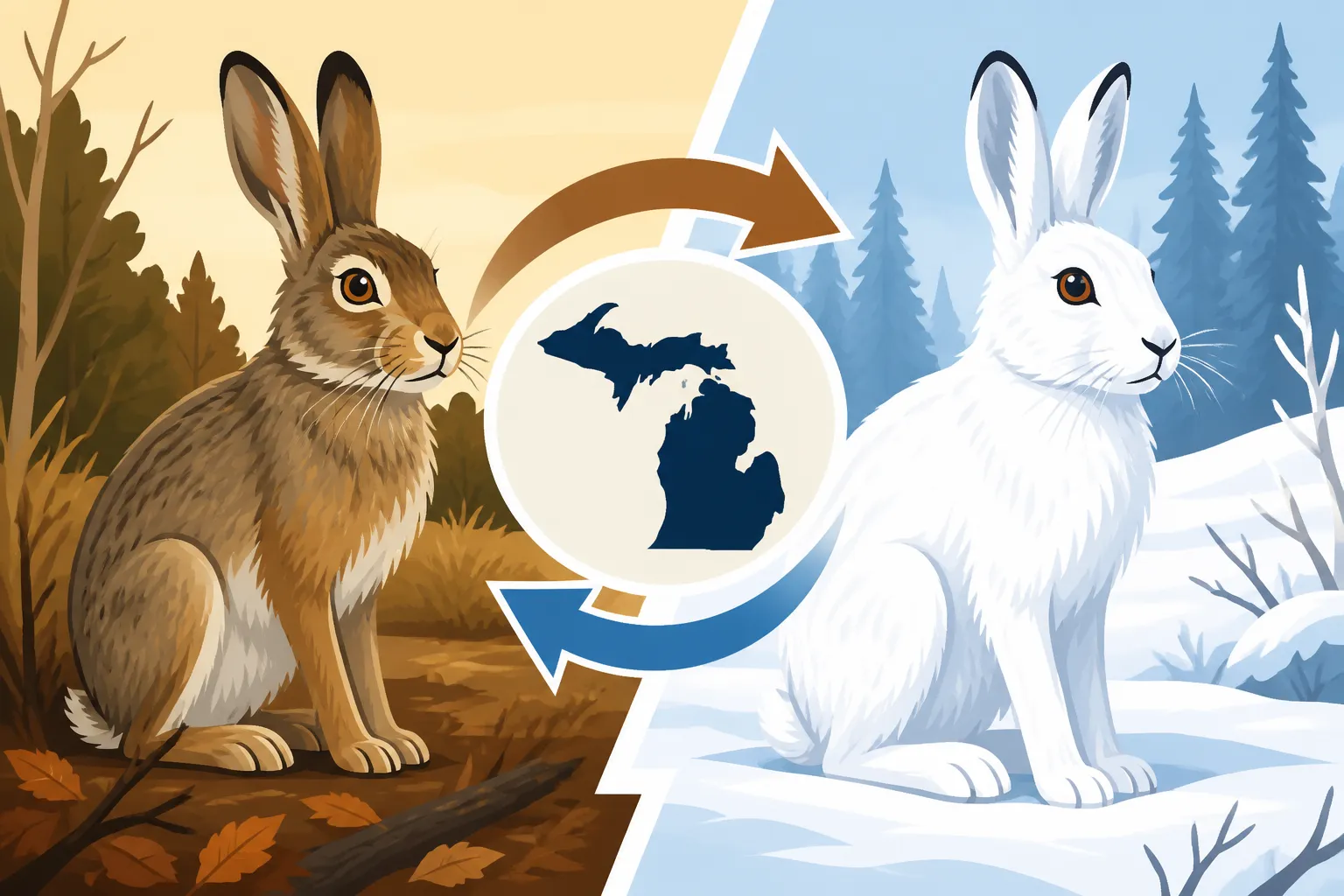
The transformation of the snowshoe hare from its earthy summer brown to its brilliant winter white is one of nature's most impressive magic tricks, playing out across Michigan's forests every year. It’s not just a cute quirk; it’s a matter of life and death for these animals, an evolutionary imperative that has allowed them to thrive in snowy environments for millennia. This isn't something they decide to do; it's an ingrained biological response to the changing world around them, honed over countless generations.
More Than Just a Camouflage Trick: Evolutionary Adaptations
Think about it from a predator's perspective. In a landscape blanketed by snow, a brown rabbit stands out like a sore thumb. But a white one? It virtually disappears. The snowshoe hare's ability to change its coat color is a prime example of evolutionary adaptation, a trait developed over vast stretches of time to increase its chances of survival and reproduction. This isn't just about blending in; it's about making itself invisible to a host of keen-eyed and sharp-clawed predators that share its Michigan habitat. Whether it's a sharp-shinned hawk circling overhead or a coyote slinking through the underbrush, the hares' camouflage is their first, and often best, line of defense. Without this ability, their numbers would likely plummet, leaving many a Coyote Calling in Michigan Winter enthusiast with fewer targets.
This genetic programming means that even if a hare was born and raised in a zoo without ever seeing snow, its body would still initiate this color change based on the internal clock triggered by light cues. It’s a powerful testament to the deep-seated nature of these survival mechanisms. For us hunters, it’s a constant reminder of the incredible adaptations game species possess, making them formidable opponents in the wild.
The Science Behind the Switch: Photoperiodism and Hormones
So, how exactly does a hare know it’s time to change its coat? It's not checking the weather forecast or looking at a calendar. The primary driver for this remarkable transformation is something called photoperiodism – the physiological reaction of organisms to the length of day or night. As the days grow shorter in the fall, the snowshoe hare's brain registers this decrease in daylight. This signal then triggers a complex cascade of hormonal changes within the hare's body.
Specifically, the pineal gland, often called the "third eye" in some animals, responds to the reduced light exposure by increasing the production of melatonin. This melatonin surge, a hormone more commonly associated with sleep cycles in humans, acts as the internal signal for the hare to begin its molting process. The brown fur starts to fall out, and new white fur grows in its place. This isn't just a shedding of old hair; it's a complete replacement, meticulously timed by nature. This same photoperiodic trigger influences many other animals too, including deer, which adapt their metabolism and antler growth based on daylight hours. Understanding these natural triggers can even help us plan our Scouting Michigan Public Land Before Season efforts, knowing when animals are likely to be shifting their patterns.
The actual color of the fur is determined by pigments, primarily melanin. In summer, the hares produce more melanin, resulting in brown and reddish hues. In winter, this production significantly decreases or ceases in the new fur, leading to the growth of white hairs that lack pigment. These white hairs are not only colorless but also often have air pockets within them, which can even provide a bit of extra insulation, though camouflage remains the dominant function.
Timing is Everything: When and How the Change Occurs
The beauty and sometimes the challenge of this adaptation lie in its precise timing. While perfectly coordinated with the average arrival of snow over millennia, our changing climate can sometimes throw a wrench in the works, leaving hares either conspicuously white on brown ground or vice versa. This transition is not instantaneous; it’s a gradual process that unfolds over several weeks, demonstrating nature's patient hand at work.
The Gradual Transformation: From Brown to White
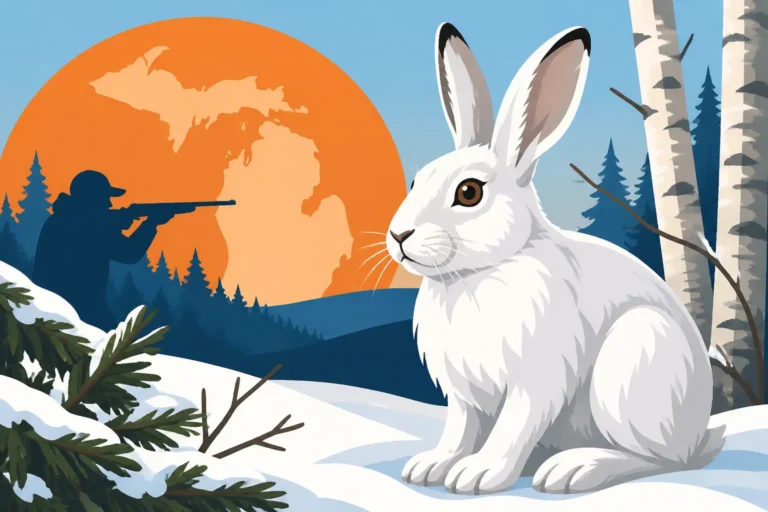
The change from brown to white isn't like flipping a switch; it's more like a slow, deliberate painting process. Typically, snowshoe hares begin their transformation in late September or early October in Michigan, as the days noticeably shorten. The molt usually starts around their ears and face, then spreads down their back and sides, eventually reaching their legs and belly. You'll often see hares in a patchy, mottled state during this period, with streaks of brown still clinging to their bodies while new white fur emerges.
This transition usually takes about 10 weeks to complete, though individual hares and environmental conditions can cause slight variations. By late November or early December, most hares in Michigan's northern forests, especially those in the Upper Peninsula, are fully white. This coincides perfectly with the typical arrival and persistence of significant snow cover, especially in areas like the Upper Peninsula Deer Yarding and Winter Movement zones where deep snow is a given. For small game hunters, catching a hare in its "calico" phase can be a real treat, offering a unique glimpse into this natural spectacle.
Environmental Cues: The Role of Snow and Temperature (or Lack Thereof)
While photoperiodism is the primary trigger, telling the hare's body when to start the change, external factors like temperature and the actual presence of snow can have a minor, secondary influence on the rate or completion of the molt, though they don't initiate it. For instance, an unusually warm fall might slightly slow down the growth of the new fur, or a sudden cold snap might accelerate it. However, the fundamental biological clock set by daylight length remains dominant.
This is where the real-world frustration, and sometimes danger, for the hares comes in. Imagine a Michigan winter where the snow arrives late, or melts early, or simply never accumulates as expected. A brilliant white hare hopping across a forest floor covered in brown leaves and dark soil is glaringly obvious to any predator. Conversely, a hare still sporting its brown coat when the first significant snowfall arrives is equally vulnerable. This mismatch, unfortunately, is becoming a more common sight with unpredictable weather patterns, highlighting the delicate balance these animals rely on. Hunters using tools like GoHunt to understand seasonal weather patterns might notice these discrepancies and consider how they impact prey availability and visibility.
Survival of the Whitest: Why This Adaptation is Crucial for Michigan Hares
The stakes are incredibly high for the snowshoe hare. Their environment is teeming with predators, and blending into their surroundings is paramount for survival. The white winter coat isn't just a fashion statement; it's a life-saving cloak that allows them to evade detection in a harsh, unforgiving landscape. Without it, their chances against the keen senses of Michigan's top predators would drastically diminish.
Blending into the Winter Landscape: Predator Evasion
In the snowy expanse of Michigan's winter forests, the white coat provides unparalleled camouflage. Whether a Michigan Black Bear Hunting from its den or a red fox on the prowl, predators rely heavily on sight to locate prey. The hare's white fur reflects the ambient light of the snow-covered ground, effectively breaking up its outline and making it incredibly difficult to spot. This is especially true when the hare remains motionless, relying on its stillness and coloration to disappear into the background.
Consider a bobcat stalking through a cedar swamp. Its eyes are constantly scanning for any movement or irregular shape. A brown hare in a snowy Hunting Michigan Cedar Swamps environment would be an easy target, but a white hare pressed against a snowdrift is practically invisible until it bolts. This camouflage gives the hare those crucial extra seconds to react, to bolt, and to find cover, tipping the odds, however slightly, in its favor. Even raptors like great horned owls and goshawks, hunting from above, struggle to pick out a perfectly camouflaged hare against the white backdrop. For those interested in the broader ecosystem, it's a constant battle of adaptation and counter-adaptation between predator and prey.
The Perils of a Mismatched Coat: Climate Change Concerns
Here’s where the empathy for these little creatures truly kicks in. The snowshoe hare's survival strategy is perfectly tuned to historical patterns of snowfall. However, as global temperatures rise and weather patterns become more erratic, the timing of snow cover is no longer as predictable. We're seeing more instances where Michigan experiences warm spells deep into winter, or early thaws, leaving a stark contrast between a fully white hare and bare ground.
This mismatch is devastating for the hares. When their coat color doesn't align with the environment, their survival rates plummet dramatically. Studies have shown that hares with mismatched coats are significantly more vulnerable to predation, with some estimates suggesting their mortality risk can be as much as 7% higher for every week they are mismatched. This isn't just a minor inconvenience; it's a serious threat to their populations in the long term, potentially affecting Snowshoe Hare Numbers in Michigan. It's a stark reminder that even seemingly small shifts in climate can have profound impacts on wildlife, disrupting adaptations honed over millennia.
| Season | Coat Color | Primary Purpose | Timing (Michigan) | Mismatched Risk Factors |
|---|---|---|---|---|
| Summer | Brown/Red-brown | Camouflage in vegetation | April – September | Snowfall in spring or late fall |
| Fall | Mottled | Transition phase | October – November | Early heavy snow or prolonged bare ground |
| Winter | White | Camouflage in snow | December – March | Late arrival of snow or early thaw, bare ground |
| Spring | Mottled | Transition phase | March – April | Persistent deep snow or early melt with brown areas |
Beyond the Color: Other Adaptations for Michigan Winters
While their spectacular color change is what often catches our eye, snowshoe hares possess a suite of other remarkable adaptations that allow them to not just survive, but thrive, in Michigan's often brutal winter conditions. These are true winter warriors, built from the ground up for cold, deep snow, and scarcity.
The "Snowshoes" Themselves: Feet Built for Deep Snow
The name "snowshoe hare" isn't just a catchy moniker; it's a precise description of their most distinctive physical trait: their feet. Unlike many other rabbits or hares, the snowshoe hare has exceptionally large hind feet, covered in dense, stiff fur. These specialized feet act exactly like snowshoes, distributing the hare's weight over a wider surface area. This allows them to "float" on top of deep, soft snow, whereas other animals might sink in and struggle.
This ability to move effortlessly across deep snow gives them a significant advantage when escaping predators or foraging for food. Imagine a coyote, a formidable predator, having to trudge through knee-deep snow, while the hare skims across the surface. This physical adaptation is just as crucial as their camouflage, ensuring mobility when other creatures are hampered. It allows them to access areas of thick cover, such as dense cedar swamps or conifer stands, where predators might hesitate to follow due to the deep snow and tangled undergrowth. When you're thinking about Michigan Small Game and Furbearer Seasons, these adaptations highlight why hares can be such challenging but rewarding quarry.
Diet and Behavior in the Cold: Surviving Scarcity
Winter in Michigan means scarcity for many herbivores. Lush green vegetation disappears, replaced by bare branches and frozen ground. Snowshoe hares adapt their diet and behavior to this challenge. In summer, they feast on clover, grasses, and other herbaceous plants. Come winter, their menu shifts dramatically to woody vegetation. They browse on twigs, bark, buds, and conifer needles, often showing a preference for aspen, birch, and willow. They can even dig through shallow snow to access ground vegetation or fallen leaves.
Their behavior also changes. While they are primarily nocturnal year-round, winter might see them more active during twilight hours to maximize foraging time while still minimizing exposure to predators. They often create extensive tunnel systems under the snow (subnivean tunnels) which provide insulation from extreme cold and a hidden network for travel, keeping them safe from overhead raptors and ground predators. These tunnels connect feeding areas with protective cover. For hunters utilizing platforms like GoHunt to analyze habitat, identifying areas with dense young growth of aspen or cedar, often called "early successional forests," can point to prime snowshoe hare territory where these feeding and travel patterns are common.
Michigan's wild places are full of incredible stories of survival and adaptation, and the snowshoe hare's annual transformation is undoubtedly one of the most visible and compelling.
Disclaimer
This article is for general informational purposes only and does not constitute professional advice. Laws, prices and regulations vary by location and change over time. Consult a qualified professional for guidance on your specific situation.