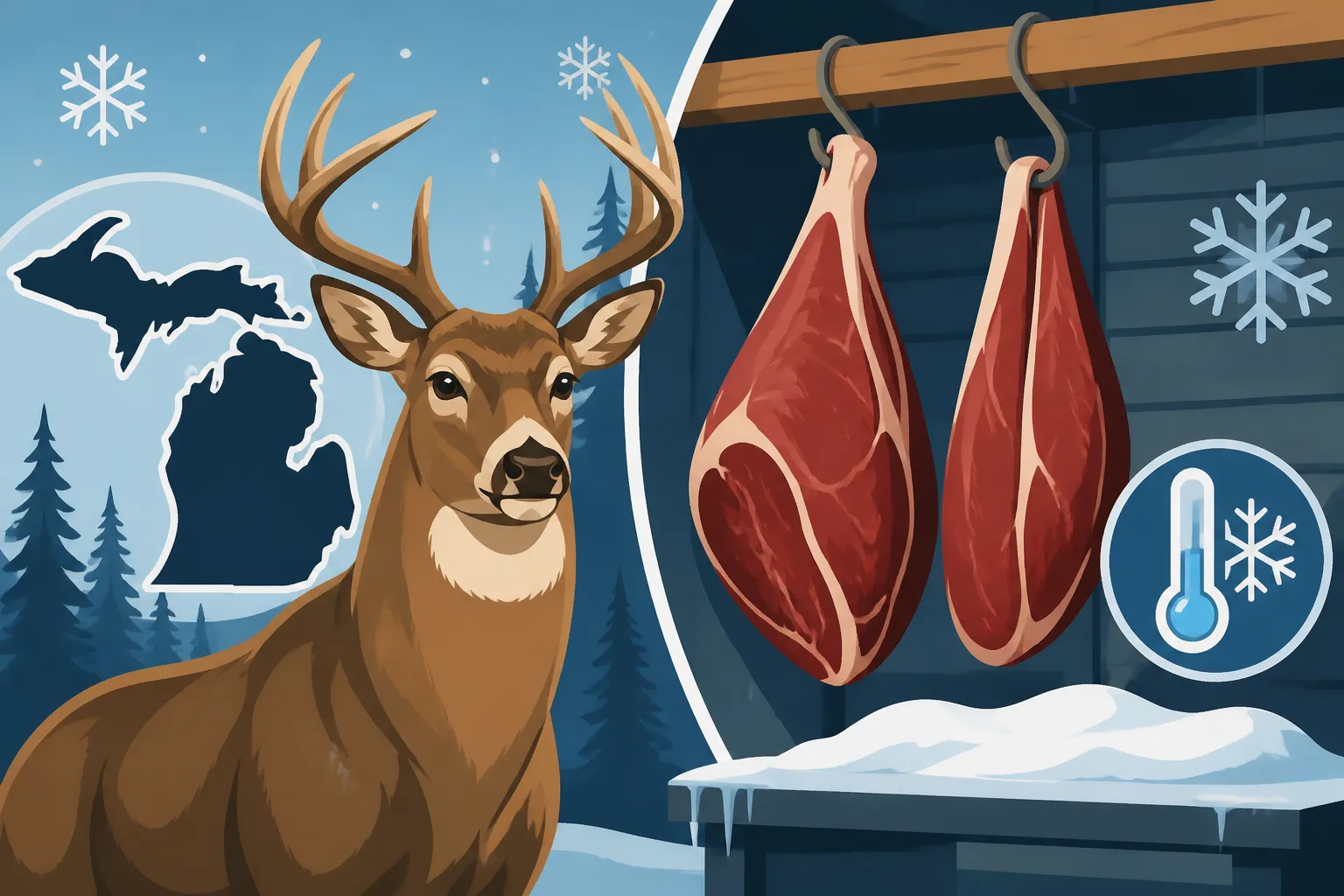
Aging Venison in Cold Weather
Dealing with a freshly harvested deer is a truly rewarding part of the Michigan hunting experience, but ensuring the meat is as tender and flavorful as possible requires a bit of know-how, especially when the crisp, cold air of late fall or early winter sets in. Many hunters worry about spoilage or don't quite understand the science behind aging, missing out on the best possible venison. This guide is here to walk you through the practical steps and considerations for properly aging your venison in cold weather conditions, helping you achieve prime table fare from your hard-earned buck or doe.
The Magic of Aging Venison: Why It Matters
You've put in the scouting, the early mornings, the long waits, and finally, your tag is filled. Now comes the critical next step in ensuring that all that effort translates into delicious meals. Aging venison isn't just an old wives' tale or something only commercial butchers do; it's a fundamental process that significantly improves the quality of your deer meat. Without proper aging, even the most prime cuts can be tough and less flavorful.
What Happens During the Aging Process?
When a deer is harvested, its muscles are immediately tough. This is due to a natural process called rigor mortis, where the muscles stiffen. If you were to butcher and cook the deer immediately after rigor sets in, you'd likely end up with chewy meat, no matter how perfectly you cooked it. Aging allows natural enzymes within the muscle tissue to start breaking down these tough connective tissues and muscle fibers. Think of it as a tenderizing marathon happening slowly and naturally.
As these enzymes work their magic, the meat becomes noticeably more tender. Beyond tenderness, aging also allows for subtle flavor development. Moisture loss occurs during aging, which concentrates the flavor, and the enzymatic breakdown contributes to a richer, more complex taste profile. It’s a bit like dry-aging a prime beef steak, but on a more rustic, Michigan deer camp scale. The goal isn't to rot the meat; it's to enhance it through controlled decomposition.
The Trade-Offs: Tenderness Versus Spoilage
There’s a delicate balance to strike when aging venison, especially in Michigan's variable climate. You want enough time for the enzymes to work, but not so much that bacteria begin to spoil the meat. The primary factor influencing this balance is temperature. Colder temperatures slow down bacterial growth, giving the enzymes more time to tenderize without the risk of spoilage. This is where cold weather becomes your best friend. In warmer conditions, aging is either impossible or requires refrigeration, but a crisp Michigan November or December day can be perfect.
However, too cold, and the enzymatic activity slows to a crawl, meaning the meat won't tenderize much. Too warm, and you risk rapid bacterial growth, leading to sour or spoiled meat. Humidity also plays a role; extremely dry conditions can lead to excessive moisture loss and a hardened outer layer (case hardening), while very high humidity can encourage mold growth. Finding that sweet spot is key, and it often means carefully monitoring the weather.
Ideal Conditions for Cold Weather Aging
When Michigan's thermometer dips just right, it creates prime conditions for aging venison outdoors or in an unheated space. This is often during the late archery season, parts of the firearm season, or the muzzleloader hunt when temperatures are reliably cool.
The "Sweet Spot" Temperature Range
For most home hunters, the ideal temperature range for aging venison is consistently between 34°F and 40°F (1°C and 4°C). This range is cold enough to significantly inhibit the growth of spoilage bacteria but warm enough to allow those natural enzymes to actively tenderize the meat. If temperatures drop much below freezing, the process essentially halts, and while the meat won't spoil, it also won't tenderize further. If it climbs above 40°F, even for short periods, the risk of bacterial growth increases exponentially, particularly in conjunction with high humidity.
Consider a typical November firearm season morning in Michigan. You get your deer early, and the forecast predicts highs in the mid-30s and lows around 25°F for the next week. These are fantastic conditions for hanging your deer. However, if a warm front rolls through and brings days in the high 40s or 50s, you'll need to adjust your plans immediately. Checking the extended forecast with tools, perhaps even a hunting app like GoHunt to check weather patterns as part of your overall hunt planning, can give you a heads-up on potential temperature swings.
Airflow and Humidity Control
Beyond temperature, good airflow is crucial. Stagnant air allows moisture to build up on the surface of the meat, creating a perfect breeding ground for bacteria and mold. A gentle breeze, or even a small fan in an enclosed space, helps to dry the surface of the meat, forming a protective "crust" that inhibits bacterial growth while allowing the internal enzymatic process to continue.
Humidity also needs to be managed. An ideal relative humidity for aging is typically between 70% and 85%. Too low, and the meat can "case harden" – meaning the outside dries out too quickly, forming a leathery shell that prevents proper moisture loss and tenderization within. Too high, and you increase the risk of mold and bacterial issues. In Michigan, especially in open air, humidity is often less of a concern than temperature, but it's still something to be aware of. If you're aging in a garage, a dehumidifier might be useful if the air feels particularly damp.
Practical Steps for Aging Deer in a Michigan Climate
Now that we understand the 'why' and the 'what,' let's get into the 'how' for aging your venison successfully when Michigan's cold weather cooperates. This isn't just about hanging it; it's about preparation and vigilance.
Proper Field Dressing and Cleaning
The aging process truly begins the moment your deer hits the ground. Thorough and immediate field dressing is paramount. Remove the guts quickly to allow the carcass to cool down as fast as possible. Any lingering internal heat will accelerate bacterial growth and can lead to sour meat, especially in the hindquarters. Once the deer is field dressed, consider splitting the sternum and pelvic bone to further open the cavity for maximum airflow and cooling.
After field dressing, wipe out the cavity thoroughly with clean paper towels or a dry cloth to remove any blood or debris. Some hunters rinse the cavity with cold water, but if you do, make sure to dry it completely afterward to prevent bacterial growth. A little vinegar solution can help sanitize the cavity if you're concerned. Hang the deer, ideally by the hind legs, in a clean, shaded, and well-ventilated area. This allows gravity to help drain any remaining fluids and keeps the body cavity open. For a detailed guide on this crucial first step, refer to Field Dressing a Deer in Cold Weather.
Hanging Your Deer Safely and Effectively
Choosing the right spot to hang your deer is almost as important as the temperature itself. You need a place that is sheltered from direct sunlight, rain, and snow, but also open enough for good airflow. A covered porch, an unheated garage, a shed, or even a sturdy tree limb in a secluded, shaded area can work. Make sure the area is secure from scavengers like coyotes, dogs, or even curious raccoons and squirrels.
Use a gambrel or sturdy rope to hang the deer. Hanging by the hind legs is generally preferred as it allows the internal muscles to stretch, aiding in tenderization. However, some prefer to hang by the head/neck for easier skinning later. Whichever method you choose, ensure the deer is off the ground and can swing freely. You might need to place a bucket or tarp underneath to catch any drips. If you're using a shed or garage, consider placing a fan on a low setting to ensure constant air movement around the carcass. This continuous gentle breeze is your friend against moisture and bacteria.
| Factor | Ideal Conditions | Less Ideal (Michigan Common) | Actionable Tip |
|---|---|---|---|
| Temperature | 34-40°F (1-4°C) consistently | Fluctuating (freezing nights, warm days), above 40°F | Monitor forecast hourly. Bring indoors/refrigerate if temps rise above 40°F for long. |
| Airflow | Gentle, constant breeze | Stagnant, humid air | Use a fan in an enclosed space. Ensure open outdoor area. |
| Humidity | 70-85% relative humidity | Very dry (case hardening risk) or very humid (mold risk) | Outdoors: generally okay. Indoors: consider humidifier/dehumidifier if extremes. |
| Cleanliness | Spotlessly clean carcass and environment | Dirt, blood, insect activity | Field dress meticulously. Wipe cavity dry. Protect from insects/scavengers. |
| Protection | Covered from sun, rain, snow, scavengers | Exposed to elements, accessible to animals | Hang in shed/garage or under sturdy tarp. Use game bags. Secure area. |
The Right Duration for Aging
How long should you age your venison? This is where personal preference and conditions really come into play. A general rule of thumb for optimal tenderization in ideal conditions (34-40°F) is anywhere from 5 to 10 days. Some hunters prefer longer, up to 14 days, but this increases the risk if conditions aren't perfect.
- 3-5 days: This is a good minimum for noticeable tenderization, especially if your temperatures are on the warmer end of the ideal range, or if you're nervous about pushing it. It's better to get some aging than none at all.
- 7-10 days: This is often considered the sweet spot for most deer, offering excellent tenderization and flavor development without excessive risk. If you have stable temperatures in the mid-30s, this is a great target.
- 10-14 days: For those with very consistent cold temperatures and a high degree of confidence in their setup, pushing to 10-14 days can yield exceptionally tender meat. Beyond 14 days, the benefits often diminish while the risks escalate.
The thickness of the fat layer on your deer also matters. A thicker fat layer can protect the meat, allowing for a slightly longer hang time. Remember, the goal is dry aging, not wet aging. You'll notice the outer layer of the meat becoming darker and drier – this is a good sign. When you start to butcher, you'll trim away this outer crust.
When Conditions Aren't Perfect: Troubleshooting and Alternatives
Michigan weather, as we all know, can be fickle. You might start your aging process with perfect temperatures, only for an unseasonable warm-up or a deep freeze to surprise you. Being prepared for these changes is part of successful meat care.
Dealing with Fluctuating Temperatures
This is perhaps the biggest challenge for aging deer outdoors in Michigan.
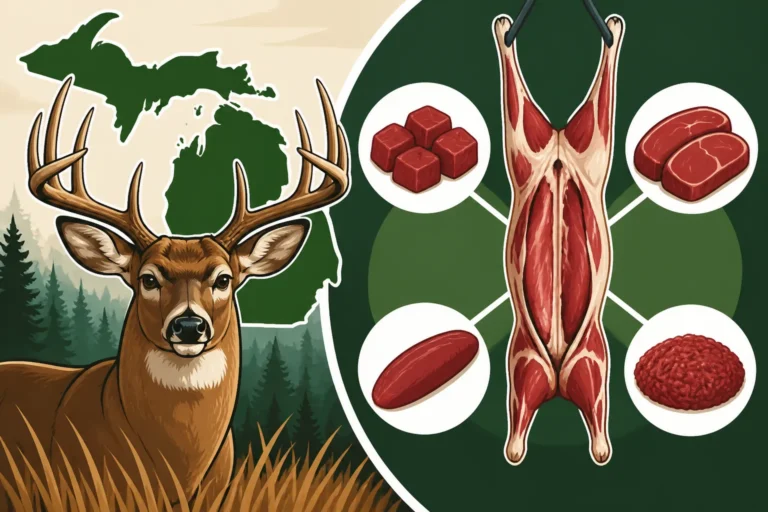
- If temperatures unexpectedly rise above 40°F: You need to act fast. If it's just for a few hours, you might be okay, but anything longer than half a day can be problematic. Your best bet is to immediately skin and break down the deer into primal cuts (quarters, loins, etc.). Get these cuts into a large cooler with ice, or straight into a refrigerator if you have the space. The aging process will largely stop, but you'll have saved your meat from spoilage. You can still salvage some tenderness by wet-aging the cuts in vacuum-sealed bags in a fridge. For more on breaking down your deer, check out Butchering a Deer at Camp.
- If temperatures consistently drop below freezing (32°F): The aging process will effectively pause. While your meat is safe from spoilage, it won't be tenderizing. If this happens early in your planned aging period, and you have a consistent cold snap, you can skin and butcher the deer, then either freeze it or proceed with other preservation methods. Alternatively, if you have access to a controlled, unheated space that stays above freezing, you can move the carcass there. Sometimes, in deep winter, the only option is to process and freeze.
Protecting Against Insects and Scavengers
Even in cold weather, flies can sometimes be an issue, especially if there's a warm spell. Game bags are your best friend here. Heavy-duty cloth game bags, or even cheesecloth, can be draped over the entire carcass once it's hung. This allows for airflow but keeps flies, birds, and other pests off the meat. You want a good quality bag that breathes, not a plastic tarp that will trap moisture. Keep an eye out for any holes or tears in the bags.
For larger scavengers, your hanging location is the primary defense. A locked shed or garage is ideal. If hanging outdoors, ensure it's high enough that dogs or coyotes can't reach, and consider a temporary fence or deterrents if you're in an area known for bold wildlife. Remember, a deer hanging can be a powerful attractant.
When Aging Isn't an Option
Sometimes, conditions simply don't allow for proper aging. This could be due to unexpectedly warm weather, a lack of suitable hanging space, or simply personal preference for immediate processing. If aging isn't feasible:
- Process Immediately: Skin, butcher, and package your deer as soon as possible after cooling. While the meat won't have the benefit of enzymatic tenderization, quick and clean processing will still yield good meat. Using sharp Knives and Saws Worth Carrying will make this task much easier.
- Mechanical Tenderization: You can compensate for lack of aging with mechanical tenderizers (like a Jaccard), marinades, or by slow-cooking tougher cuts. Grinding meat for burgers or sausage is also an excellent option for non-aged venison.
- Wet Aging: Once butchered, you can vacuum seal individual cuts and "wet age" them in your refrigerator for a few days to a week. While not as effective as dry aging for flavor development, it does allow for some tenderization. Make sure the bags are perfectly sealed.
- Freezing: If you need to preserve the meat for the long term, freezing is always an option. For tips on this, see Freezing and Shipping Game Meat.
Aging venison in cold weather is a skill that takes practice and observation, but the payoff in superior meat quality is absolutely worth it. Pay attention to the forecast, keep things clean, and be prepared to adapt, and you'll be enjoying incredibly tender and flavorful venison throughout the year.
Disclaimer
This article is for general informational purposes only and does not constitute professional advice. Laws, prices and regulations vary by location and change over time. Consult a qualified professional for guidance on your specific situation.