Best Michigan Ground for Public Land Bears
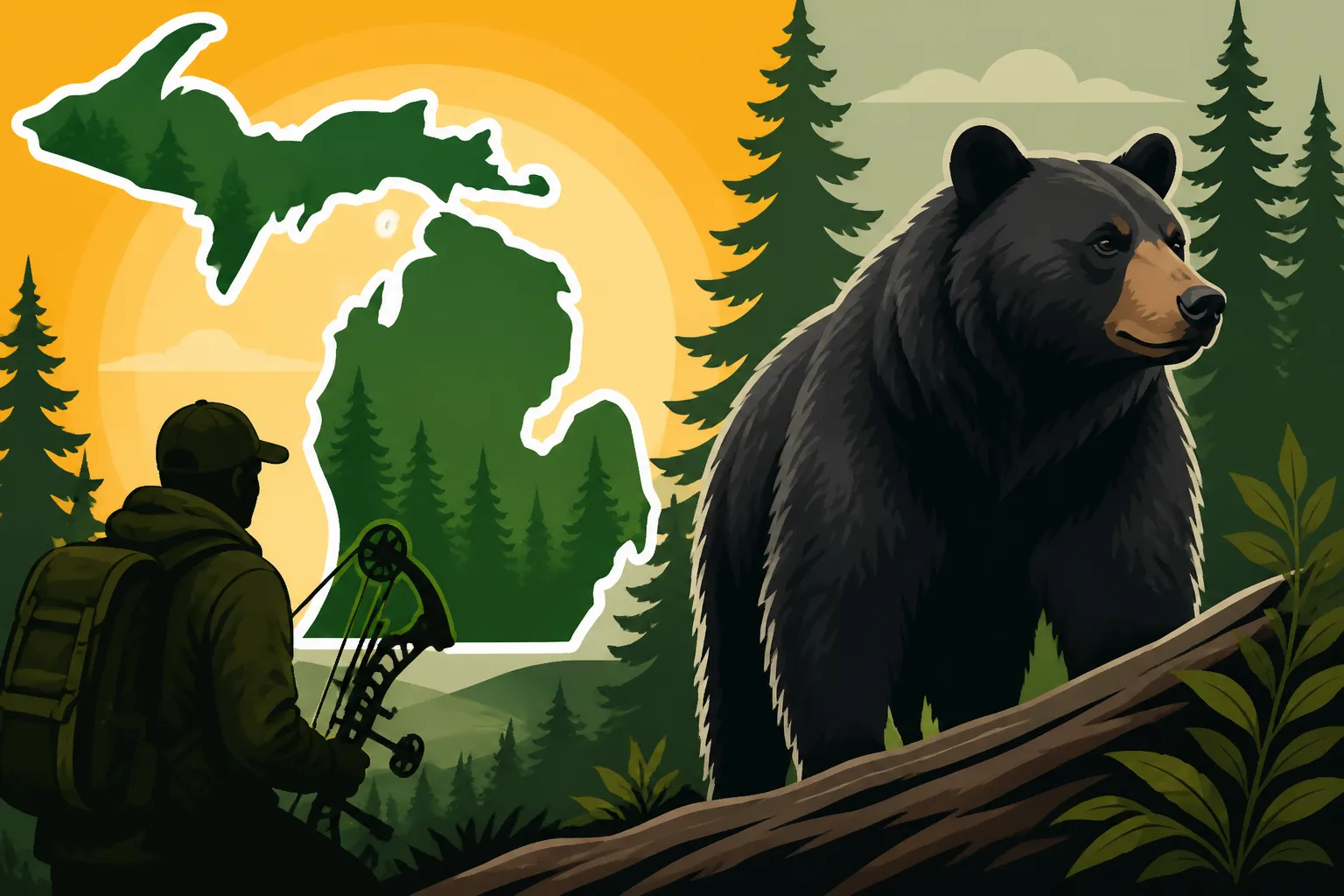
Michigan's black bear population offers an incredible hunting opportunity, but for many, the vastness of public land and the elusive nature of bears can make finding prime spots feel like an impossible puzzle. It's easy to get lost in the sheer acreage, wondering where to even begin. This guide aims to clear up that confusion, helping you identify and understand the best public land available for chasing bears across our beautiful state.
Understanding Michigan's Bear Landscape and Public Access
Before we dive into specific locations, it's crucial to grasp how Michigan manages its bear population and the types of public land available. Bears aren't everywhere, and their distribution dictates where you'll find hunting opportunities.
Bear Management Units and Population Density
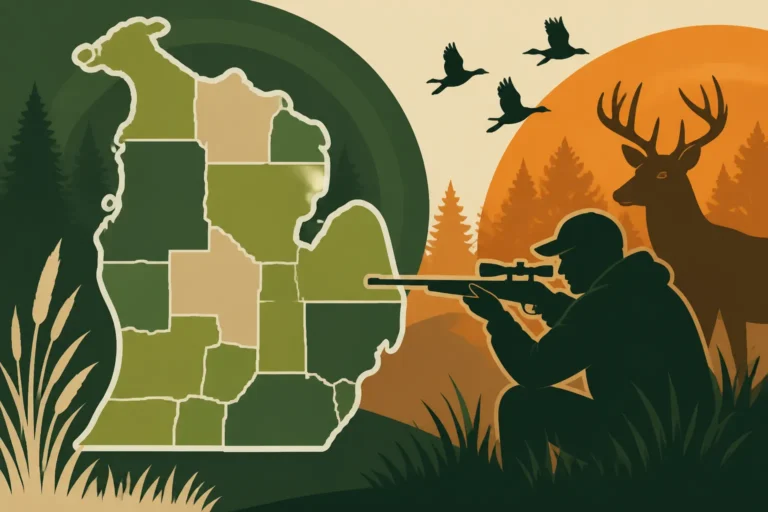
Michigan manages its bear population through a system of Bear Management Units (BMUs). These units are essentially geographical zones, each with its own specific quota for bear harvest, designed to maintain healthy populations. The Upper Peninsula (U.P.) generally holds the highest bear densities, followed by the northern Lower Peninsula (NLP). You can find detailed information on these units and their boundaries in resources like Michigan Bear Management Units. Knowing your BMU is the first step, as it determines your application and hunting options.
While the U.P. boasts more bears per square mile, this also means more hunters often apply for U.P. tags. The northern Lower Peninsula, while having lower densities, can sometimes offer a less crowded experience if you draw a tag for one of its units. It's a trade-off many hunters consider, weighing higher bear numbers against potentially more competition. Understanding How Many Michigan Black Bears There Are and Where Michigan Bears Range can significantly influence your permit application strategy.
Types of Public Land Available
Michigan is blessed with an abundance of public land, which is fantastic news for bear hunters. However, not all public land is created equal when it comes to bear habitat and access.
- State Forests: These are vast tracts of timberland managed by the state, often encompassing diverse habitats like dense conifer swamps, aspen cuts, and mixed hardwoods. Bears thrive in these areas, particularly where there's a good mix of cover, water, and food sources like berries or acorns. State forests offer extensive opportunities for Michigan State Forest Hunting.
- National Forests: Michigan is home to three National Forests: the Ottawa, Hiawatha, and Huron-Manistee. These offer immense, unbroken blocks of timber, especially in the U.P. and northern Lower Peninsula, that are ideal for wide-ranging animals like bears. These lands are generally open to public hunting, similar to state forests, and provide true wilderness experiences.
- State Game Areas (SGAs): While some SGAs, especially in the northern parts of the state, can hold bears, they are often smaller and more fragmented than state or national forests. They are typically managed for various game species, and while bears might pass through, they might not offer the consistent, large-scale habitat that a dedicated bear hunter seeks. You're more likely to find bears in SGAs that abut larger forest systems.
When planning, keep in mind that vast, remote sections of state and national forests will be your primary focus. Using mapping tools like onX Hunt is invaluable for identifying these expansive public tracts and understanding their boundaries and access points. These tools can highlight ownership and also show topography, which is a key element for scouting.
Top Public Land Regions for Michigan Bear Hunting
Michigan's bear hunting opportunities are generally concentrated in two main geographic regions, each with its own character and challenges for public land hunters.
The Upper Peninsula: Bear Country Supreme
The Upper Peninsula is, without a doubt, Michigan's premier bear hunting destination. The sheer volume of contiguous public land, combined with high bear densities, makes it a top choice for many.
- Vast Wilderness: The U.P. offers enormous blocks of state and national forest, particularly in counties like Marquette, Baraga, Iron, Gogebic, and Ontonagon. These areas are characterized by extensive timber, remote swamps, and minimal human disturbance, all factors that contribute to a thriving bear population. Look for areas with a mosaic of young aspen, mature hardwoods, and thick conifer swamps. These diverse habitats provide food, cover, and denning sites. Hunting the Michigan Upper Peninsula for Deer shares insights that are also useful for bear, as both species often utilize similar cover in these big woods.
- Food Sources and Habitat: Bears in the U.P. rely heavily on natural food sources like wild berries (blueberries, raspberries, blackberries), acorns, and various plant matter. Focus your scouting efforts around areas known for these foods, especially during late summer and early fall when bears are actively feeding to pack on weight for winter. Rivers and creeks often provide natural travel corridors and areas of moist soil where food plants thrive.
- Remote Access: The flip side of vast wilderness is often remote access. Many prime bear spots require significant hiking, or access via two-tracks that might be challenging for standard vehicles. This can be a blessing in disguise, as it naturally limits hunting pressure. Be prepared for longer walks and consider using an ATV or UTV where legally allowed on designated trails to get deeper into public lands. Mapping apps like onX Hunt are essential here for navigating forest roads and identifying potential staging areas.
Northern Lower Peninsula: Hidden Opportunities
While the U.P. gets most of the attention, the northern Lower Peninsula still offers excellent public land bear hunting, often with slightly different characteristics and pressures.
- Large Forest Blocks: Similar to the U.P., the NLP boasts considerable state and national forest lands, particularly in the northern tier of counties. The Huron-Manistee National Forest is a prime example, offering vast tracts across counties like Oscoda, Montmorency, Crawford, and Roscommon. Other large state forest blocks exist in areas surrounding Traverse City, Gaylord, and Lewiston. These areas feature rolling hills, pine barrens, mixed hardwoods, and substantial cedar swamps. Bears in the Northern Lower Peninsula often utilize these forest types, making them excellent places to focus your efforts.
- Proximity to Agriculture (Sometimes): While largely forested, some NLP bear units might be closer to agricultural areas, offering bears additional food sources like corn or oats. This can draw bears out of their more secluded forest haunts, especially in the late season. However, most public land will be concentrated in the deeper woods, so scouting for these transition zones is key.
- Pressure and Access: Compared to the U.P., some NLP areas might experience slightly higher hunting pressure due to their closer proximity to population centers. However, there are still plenty of remote corners to be found if you're willing to put in the effort. Access is generally good via a network of forest roads, but the key is often to get beyond the easy-access spots that everyone else hits.
Key Habitat Features and Scouting Public Bear Ground
Finding bears on public land, especially without bait, hinges on understanding their habitat preferences and thorough scouting. It's all about putting in the legwork long before your hunt begins.
Identifying Prime Bear Habitat
Bears are creatures of opportunity and cover. They need food, water, and security, and the best public land for them offers a healthy combination of these elements.
- Dense Cover: Bears are notoriously reclusive. Look for thick, impenetrable cover like cedar swamps, dense conifer stands, and regenerating clearcuts. These areas provide bedding, escape cover, and a sense of security. Swamps, especially those with standing water, are critical for cooling off and finding certain food sources.
- Food Sources: As opportunistic omnivores, bears will eat almost anything, but certain foods are high on their list.
- Soft Mast: Blueberries, raspberries, blackberries, wild cherries – if you find these, you'll find bears. Scout berry patches heavily in late summer.
- Hard Mast: Acorns (especially from red oaks), beechnuts, and hazelnuts are crucial in the fall. Focus on oak ridges and mixed hardwood stands.
- Agricultural Fields: If public land borders private agricultural fields (corn, oats, apples), bears will often visit these at night. Identify these transition areas.
- Water Sources: Bears need water daily. Look for areas with plentiful creeks, beaver ponds, and wetlands. These not only provide water but also host lush vegetation that bears feed on.
- Topography and Funnels: Even in relatively flat Michigan, subtle changes in elevation, ridges, or natural funnels created by wetlands or dense timber can concentrate bear movement. Bear trails can be surprisingly distinct in these areas.
Utilizing Mapping Tools for Public Land Recon
Modern mapping applications are game-changers for public land bear hunters. Brands like onX Hunt and GoHunt offer invaluable features that streamline your scouting efforts.
- Public/Private Land Layers: The most critical feature is the ability to clearly identify public land boundaries. This prevents trespassing and helps you focus your efforts. onX Hunt excels at this, showing land ownership in detail.
- Satellite Imagery and Topo Maps: High-resolution satellite imagery helps you identify potential food sources (like clearcuts that might be growing berries, or oak stands), thick cover, and travel corridors. Topographic maps reveal elevation changes, even subtle ones, that can influence bear movement and offer strategic vantage points.
- Waypoints and Notes: Drop pins (waypoints) for potential bedding areas, food sources, water, or fresh sign like tracks and scat. Add notes about what you observed and when. This creates a digital diary that helps you piece together bear patterns. Many hunters rely on these tools for Scouting Michigan Public Land Before Season.
- Offline Maps: Bear country often means no cell service. Ensure your app allows you to download maps for offline use before heading into remote areas.
| Habitat Feature | Bear Significance | Scouting Indicators |
|---|---|---|
| Dense Cover | Bedding, security, escape routes | Cedar swamps, thick conifer, young clearcuts |
| Soft Mast (Summer) | Primary food source, crucial for pre-denning fat | Blueberry/raspberry patches, wild cherry trees |
| Hard Mast (Fall) | Critical high-energy food before hibernation | Oak ridges, beech stands, areas with acorns/beechnuts |
| Water Sources | Daily hydration, lush vegetation | Creeks, beaver ponds, wetlands, springs |
| Transition Zones | Travel corridors, feeding opportunities | Edge of thick cover next to food plots/agriculture |
| Rub Lines/Scratches | Sign of bear presence, territorial marking | Trees (often pine or cedar) with claw marks and rubs |
Strategies for Hunting Public Land Bears
Once you've identified promising public land, the next step is developing a sound hunting strategy. Public land bear hunting, especially without bait, is often a game of patience, persistence, and strategic movement.
Still-Hunting and Spot-and-Stalk Approaches
These methods are particularly effective on public land where baiting may be restricted or where you prefer a more traditional hunting experience.
- Still-Hunting: This involves moving slowly and deliberately through bear habitat, pausing frequently to observe, listen, and glass. You're not just walking; you're hunting every step of the way. Focus on areas with a good mix of cover and food, such as the edges of swamps, dense transition lines, or oak ridges. Pay close attention to the wind, as a bear's nose is its primary defense. Still-hunting is demanding but incredibly rewarding, allowing you to cover ground and find fresh sign. Consider tactics used in Still-Hunting Michigan Cedar Swamps which can be adapted for bear.
- Spot-and-Stalk: This method works best in more open, broken timber, or areas with clearcuts and large openings where you can glass a wide area. Find a high vantage point, such as a ridge or a large hill (if available), and use good optics to scan for feeding bears, especially during morning and evening hours. Once a bear is spotted, plan a careful stalk, always staying downwind and using available cover. This can be challenging in Michigan's typically dense forests but can be effective in certain areas.
- Focus on Timing: Bears are often most active during the early morning and late evening, but they can move any time, especially during periods of heavy feeding. In the U.P., where temperatures cool faster, midday movement can also occur. Be in your chosen hunting area well before first light and stay until after dark.
Considerations for Hunting Without Bait or Hounds
Many public land bear hunters choose to pursue bears without the aid of bait or hounds, either by choice or due to regulatory restrictions. This makes the hunt even more about tracking and habitat knowledge. Hunting Bear Without Bait or Dogs is a different challenge entirely, focusing on natural movement.
- Understanding Natural Movement: Without bait, you're relying on a bear's natural movements between bedding areas, food sources, and water. This is where your pre-season scouting truly pays off. Look for consistent travel corridors, fresh tracks along muddy trails or creek banks, and claw marks on trees.
- Patience and Persistence: These hunts can be long and require immense patience. Don't get discouraged if you don't see a bear right away. Keep pushing into areas you've scouted, and trust your instincts. Public land bears are often nomadic, so what was there yesterday might be miles away today.
- Utilize Hunting Blinds: If you've identified a consistently used travel corridor or a productive food source, setting up a ground blind or treestand can be an effective ambush strategy. Ensure your setup provides good concealment and an ethical shot opportunity. Always check regulations regarding permanent structures on public land.
- Reading Sign: Become a master at reading bear sign. Tracks, scat, disturbed ground where they've dug for roots, overturned logs, and rubs on trees (often marked with claw marks and sometimes hair) all tell a story. Fresh sign means a bear is or recently was in the area. This is where meticulous attention to detail can lead you to success.
- Legal Firearms and Archery: Ensure you are familiar with Legal Firearms for Michigan Deer and Bow Setups for Michigan Whitetails as they often overlap with bear hunting regulations. Always confirm specific legal weapon types for bear in your chosen BMU.
Ultimately, successfully hunting public land bears in Michigan boils down to thorough research, extensive scouting, and the willingness to put in the time and effort. The rewards of harvesting a bear from our incredible public lands are truly unforgettable.
Disclaimer
This article is for general informational purposes only and does not constitute professional advice. Laws, prices and regulations vary by location and change over time. Consult a qualified professional for guidance on your specific situation.