Scouting Michigan Public Land Before Season
Pre-season scouting strategies help hunters locate productive deer areas and avoid heavy crowds on Michigan public land.
Close the distance.
Archery, muzzleloader, and firearm techniques — calling, stand placement, still-hunting, spot-and-stalk, and the weapon rules that change at the state line.
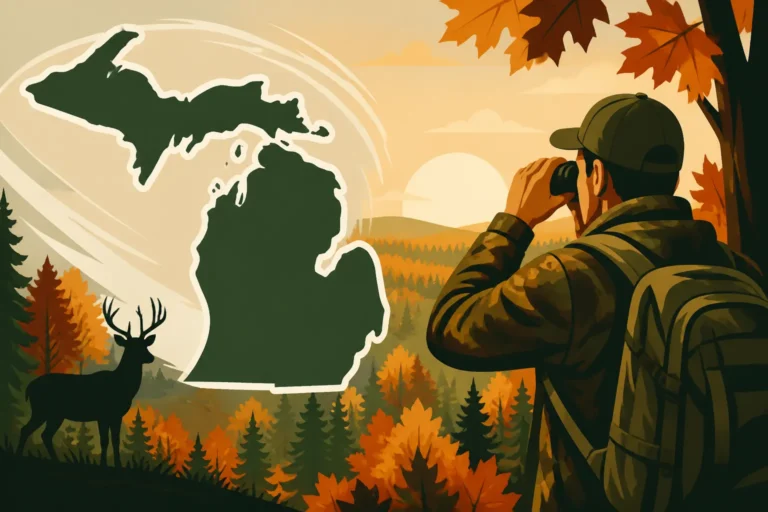
Pre-season scouting strategies help hunters locate productive deer areas and avoid heavy crowds on Michigan public land.
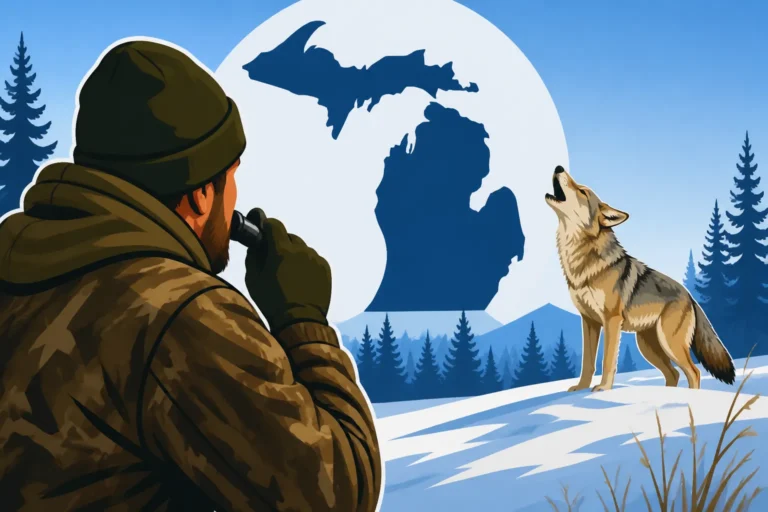
Coyote calling in Michigan winter requires strategies for tracking behavior, selecting gear, and finding prime habitats.
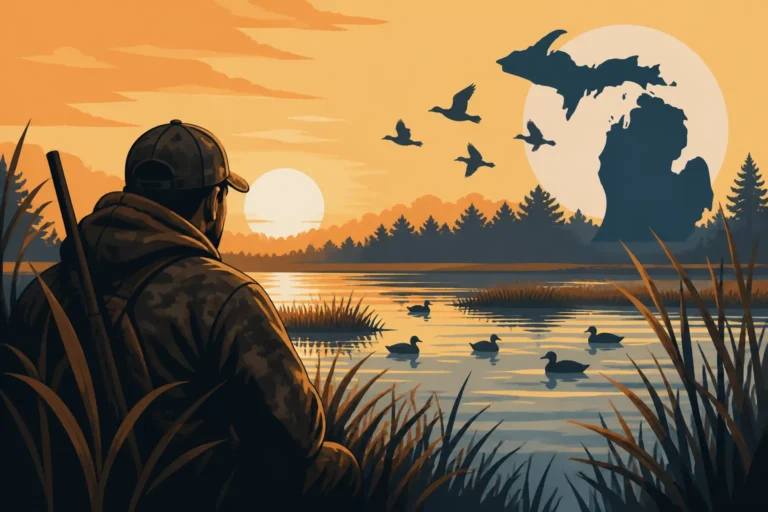
Michigan waterfowl hunters missing prime managed draw spots at locations like Pointe Mouillee can target pressured ducks.
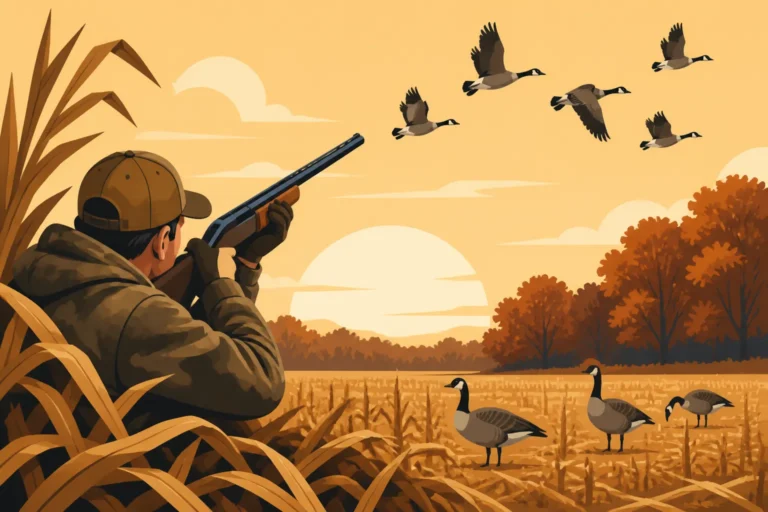
Canada goose hunting in southern Michigan farm country requires understanding resident and migratory flock behaviors and preferred foraging fields.
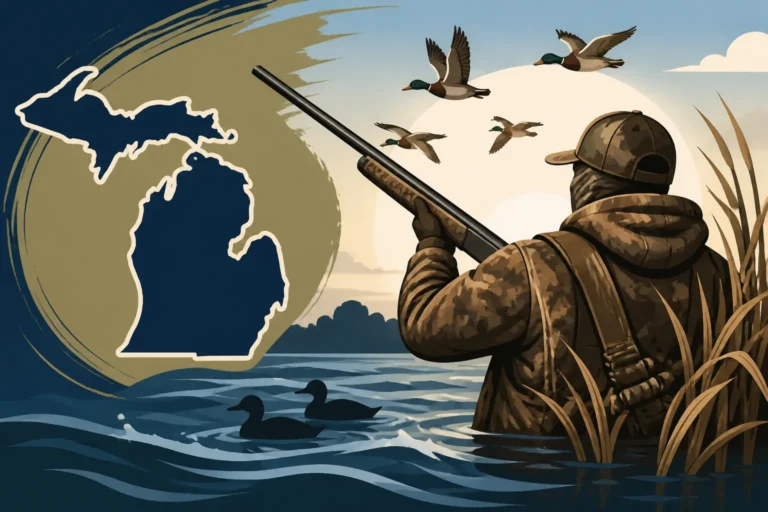
Layout hunting Michigan big water involves tracking diver ducks across massive Great Lakes locations using specialized equipment and safety gear.
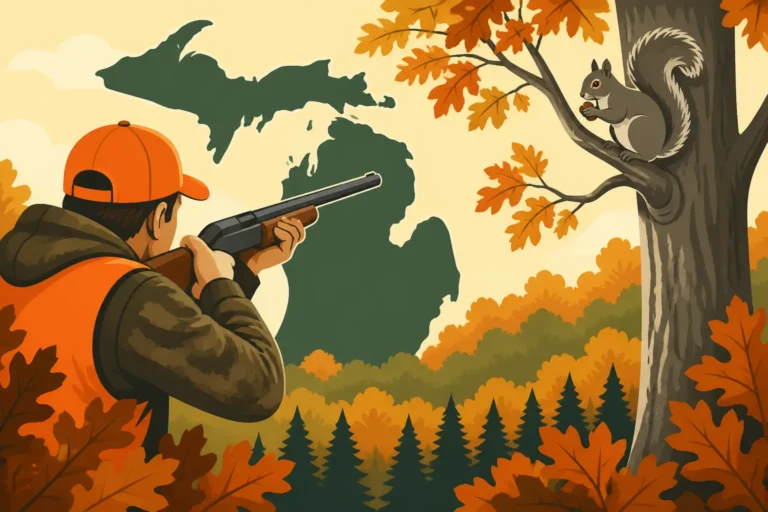
Squirrel hunting in Michigan hardwood forests requires minimal gear and offers delicious table fare, public land access, and fundamental small game skills.
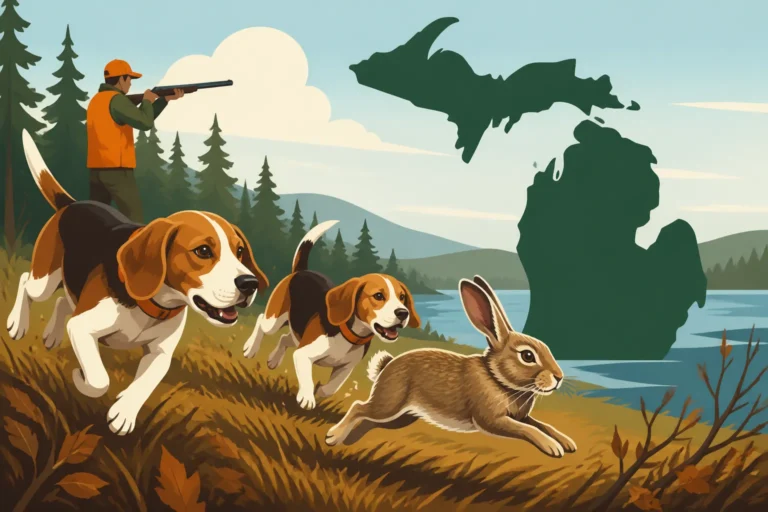
Michigan rabbit hunting with beagles explains cottontails, snowshoe hares, habitats, behaviors, and seasonal population trends across the state.
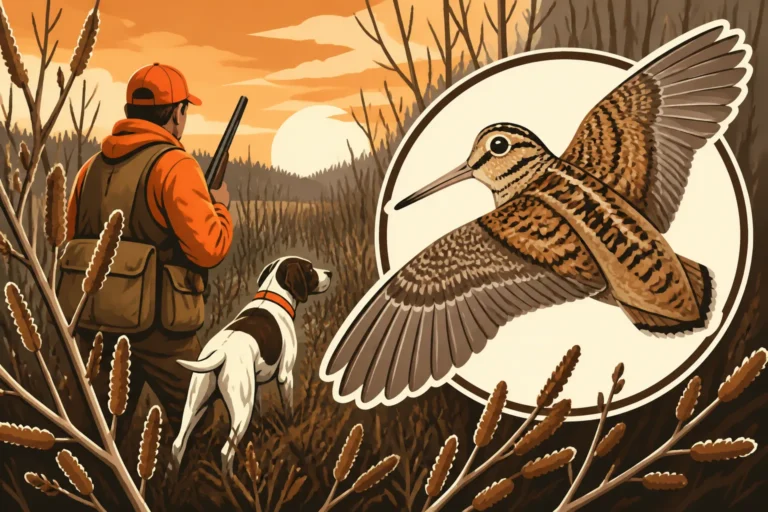
Alder thickets give woodcock, called timberdoodles, dense cover from hawks and owls and moist soil full of the earthworms they feed on almost exclusively.
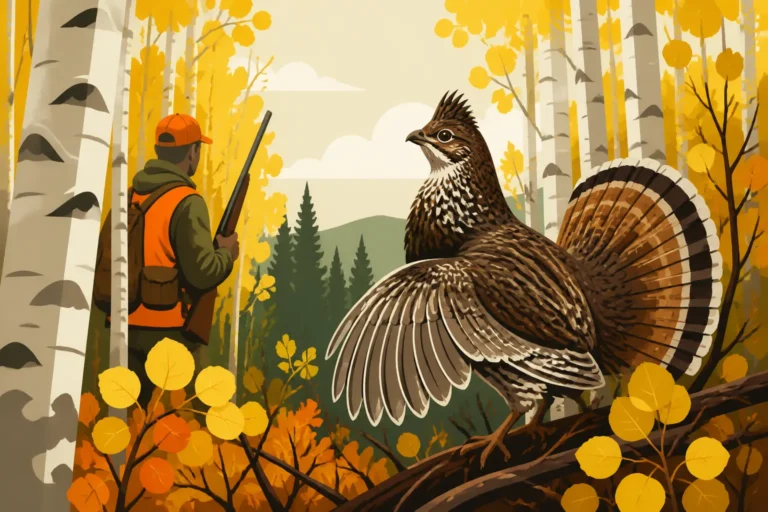
Michigan ruffed grouse hunting in young aspen stands explains habitat selection, forest age classes, and predator protection.
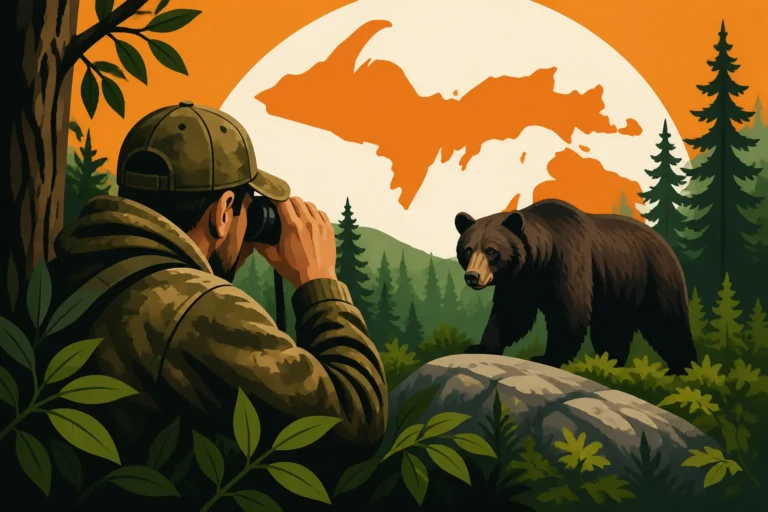
Spot-and-stalk bear hunting in Michigan’s Upper Peninsula explains black bear habits, habitats, and seasonal food sources for hunters.