Hunting After an Acorn Failure
Michigan deer hunting strategies during an acorn failure help hunters find food sources when oak trees produce zero nuts.
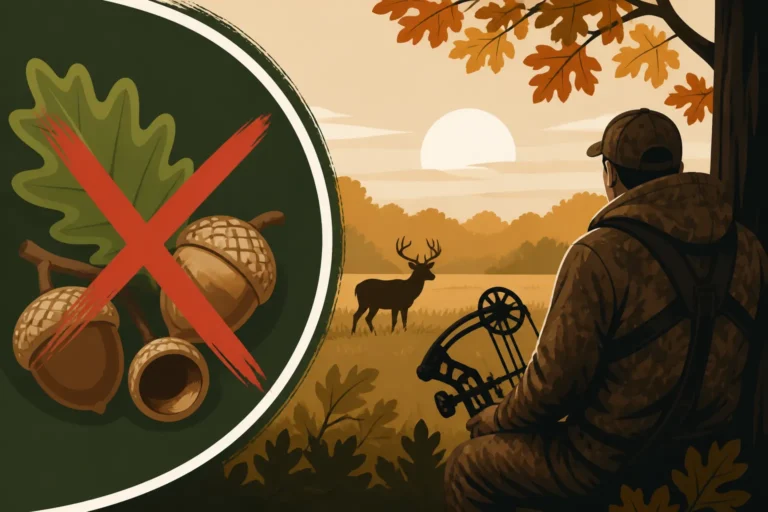
Michigan deer hunting strategies during an acorn failure help hunters find food sources when oak trees produce zero nuts.

Michigan deer hunters learn how to interpret two-track scrape lines and hunt state land whitetails effectively without spooking bucks.

Effective grunt call strategies help hunters navigate sound barriers and lure wary whitetails through dense Michigan timber.

Michigan deer rattling volume adjustments help hunters overcome sound absorption and vegetation obstacles in dense cedar swamps and clearcuts.
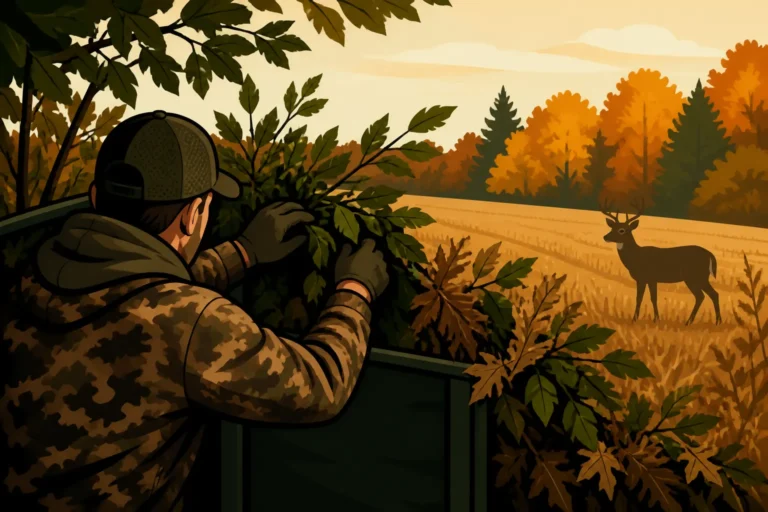
Michigan ground blind brushing techniques prevent deer detection by blending field edge shelters into natural landscapes.
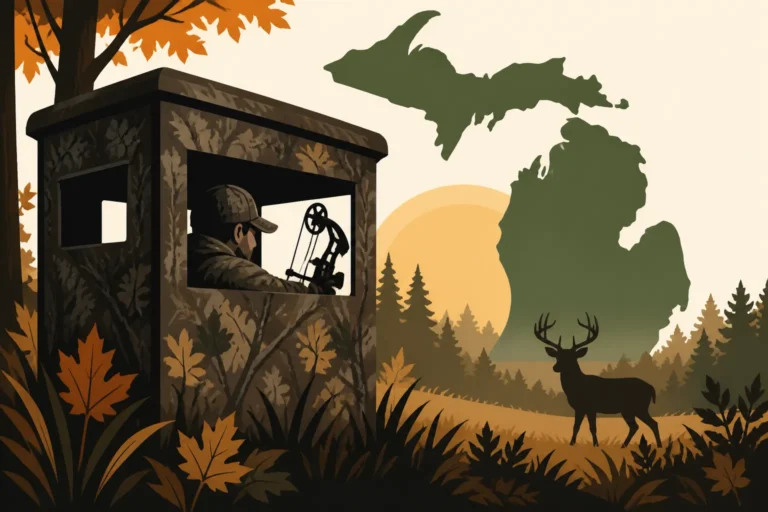
Ground blinds on Michigan state land provide hunters complete concealment and weather protection during long deer hunts.

Wind and thermals on Michigan ridges influence whitetail deer hunting by moving scent upslope in morning updrafts and downslope in evening downdrafts.

Standing corn in Michigan’s Thumb offers whitetails carbohydrate-rich food and dense cover through the season, alongside soybeans and sugar beet fields.
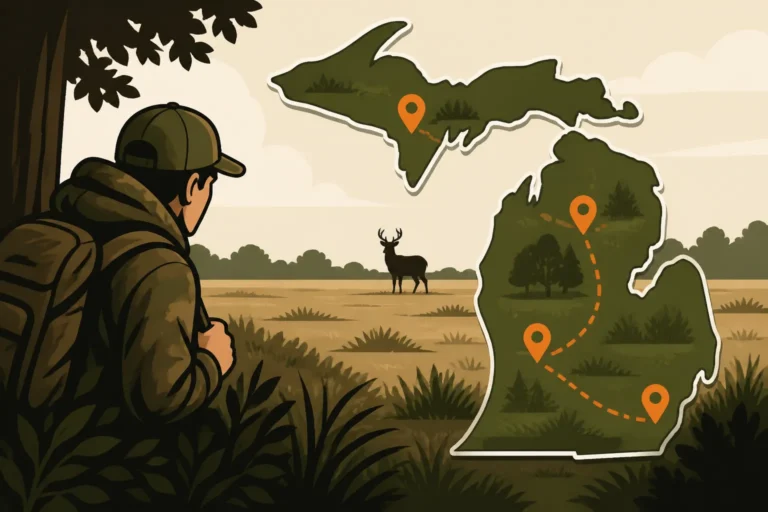
Effective entry routes for flat Michigan ground deer hunting help hunters reach stands without alerting local whitetails.

Michigan big woods buck bedding locations, featuring cedar swamps, oak ridges, elevation changes, water sources, and conifer stands.