Lake St. Clair Waterfowl Access
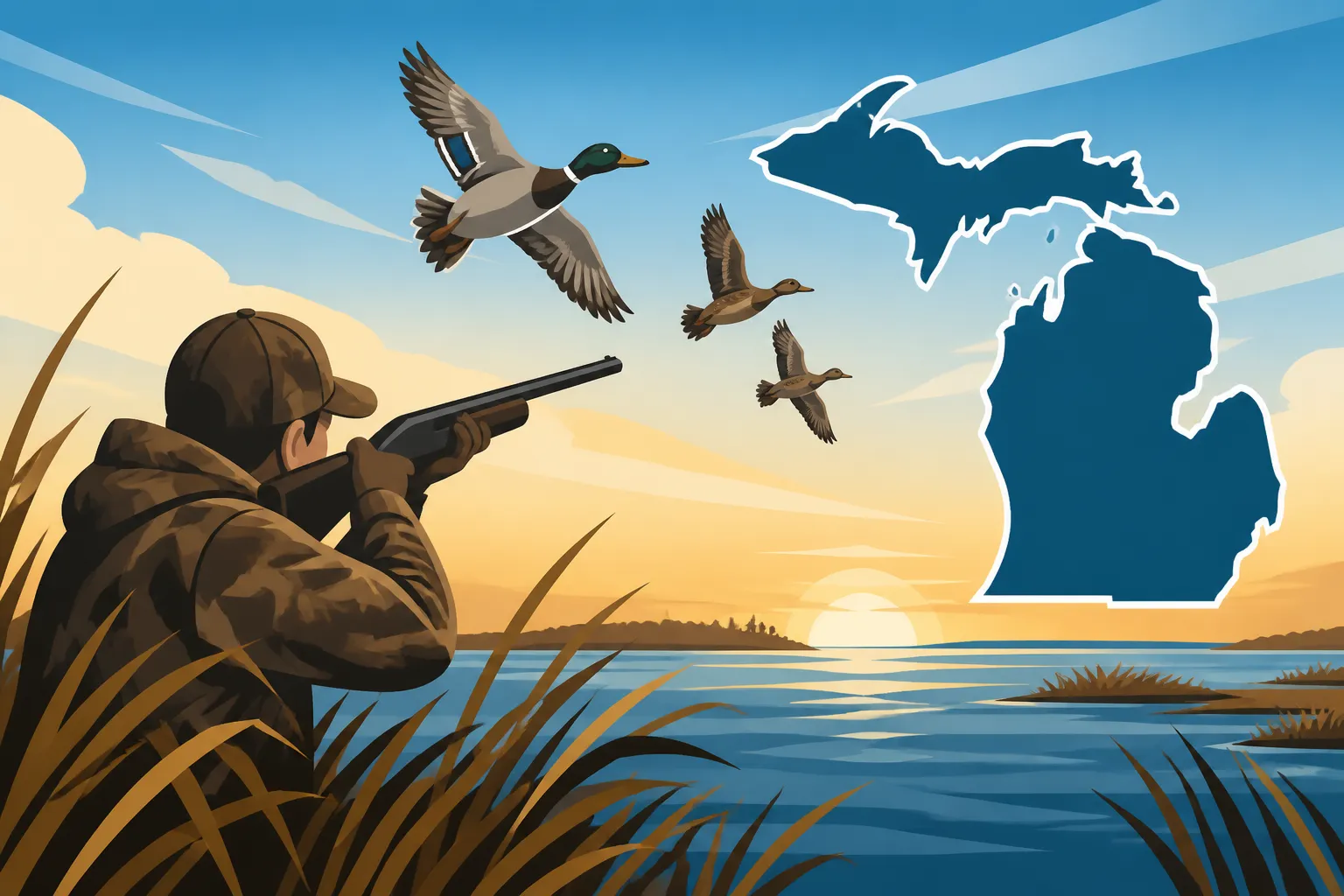
For many Michigan waterfowl hunters, the thought of hitting the open water of Lake St. Clair can be incredibly exciting, but also pretty daunting. It’s a massive body of water, and figuring out where to go, what you can do, and how to stay safe can feel like trying to decipher an ancient map. This guide is here to break down the complexities of accessing and hunting Lake St. Clair for ducks and geese, giving you the insights you need to confidently plan your next hunt on this incredible waterway.
Understanding Lake St. Clair's Waterfowl Landscape
Lake St. Clair isn't just a big pond; it's a globally recognized gem for waterfowl. Its unique characteristics create an irresistible magnet for migratory birds, making it a prime destination for hunters willing to put in the effort. But understanding why it's so good, and what makes it tick, is the first step to unlocking its secrets.
The Unique Character of Lake St. Clair for Ducks and Geese
Imagine a vast, shallow bowl teeming with aquatic vegetation. That's essentially Lake St. Clair. Unlike the deep, cold waters of the Great Lakes themselves, St. Clair is remarkably shallow, with an average depth of only about 10 feet. This shallow nature means sunlight can penetrate to the bottom across wide expanses, fueling an explosion of submerged aquatic plants like wild celery, sago pondweed, and various milfoils. These plants are essentially a duck buffet, providing a rich, abundant food source that birds absolutely crave, especially during their arduous migration.
Furthermore, the lake acts as a massive staging area and migratory funnel. Situated between Lake Huron and Lake Erie, it's a crucial stopover point on the Atlantic and Mississippi flyways. When the winds blow right and the cold fronts start pushing south, ducks and geese from across Canada and the northern U.S. converge on this basin. The combination of abundant food, relatively calm waters (compared to the Great Lakes proper), and expansive marshlands provides everything a migrating bird needs to rest and refuel. This constant influx of birds, particularly divers like Canvasbacks, Redheads, and Bluebills, makes it a truly special place for waterfowl enthusiasts. You'll also find plenty of puddle ducks like Mallards, Wood Ducks, and Gadwall utilizing the sheltered bays and marsh edges. For more on how these birds move, check out Michigan Waterfowl Migration Timing.
Primary Waterfowl Species and Their Habits
Lake St. Clair is renowned for its incredible diversity of waterfowl, each with its own preferred habitats and feeding strategies. Knowing what birds you're likely to encounter, and where, can greatly increase your chances of success.
Divers, like the majestic Canvasbacks, the striking Redheads, and the fast-flying Bluebills (Lesser and Greater Scaup), are arguably the stars of the show on the main lake. These birds are built for open water. They dive deep to pull up those nutritious submerged aquatic plants and often congregate in massive rafts on the open lake, especially during colder weather. They prefer the deeper, clearer sections of the lake where their preferred food sources thrive. Targeting divers often means hunting from specialized layout boats or large, stable rigs capable of handling the open water. You'll often find them feeding far from shore, necessitating a good boat and ample decoys to draw them in.
Puddle ducks, on the other hand, such as Mallards, Black Ducks, Gadwall, Wigeon, and Teal, stick to the shallower, more protected areas. They don't dive; instead, they "tip up" or dabble on the surface to feed on seeds, insects, and vegetation in the shallow water. The extensive marsh systems, river mouths, and sheltered bays of Lake St. Clair provide ideal habitat for these birds. You'll find them along the edges of the St. Clair Flats, in the many small embayments, and around any flooded timber or emergent vegetation. Hunting puddle ducks often involves traditional marsh setups, hidden blinds, and smaller spreads of decoys in relatively calmer waters. Geese, primarily Canada Geese, are also abundant, often using the adjacent agricultural fields for feeding and resting on the lake or larger marsh ponds. Understanding their daily flights from field to water is key to targeting them.
Public Access Points for Waterfowl Hunters
One of the biggest questions for any hunter new to Lake St. Clair is, "Where can I actually go?" The good news is that Michigan offers a significant amount of public access, but it's often segmented and comes with its own set of rules and challenges. Navigating these options is crucial for a productive and legal hunt.
Managed Waterfowl Areas and Their Permit Systems
Michigan has done an excellent job of setting aside and managing specific areas on Lake St. Clair to provide controlled hunting opportunities. These managed areas are incredibly popular, and for good reason: they offer some of the most consistent hunting, often in prime habitat. However, access is typically granted through a lottery or draw system, meaning you can't just show up and expect to hunt.
The most prominent examples on Lake St. Clair are Pointe Mouillee State Game Area and the St. Clair Flats State Wildlife Area (Harsens Island). These areas operate on a daily or seasonal draw system where hunters apply for permits to access designated hunting zones or blinds. The application processes and deadlines vary, so it's essential to check the Michigan DNR website well in advance of the season. You'll typically need to be present at a designated check station before dawn, and if your party's number is drawn, you get to select a hunting unit. The competition can be fierce, especially for prime spots, but the rewards can be incredible. These managed areas often have dedicated staff, maintained infrastructure, and detailed rules to ensure safety and fairness. For detailed information on these opportunities, you can explore resources like Pointe Mouillee Managed Waterfowl Hunts and Harsens Island and St. Clair Flats. It's a fantastic way to experience top-tier Michigan waterfowl hunting, even if it requires a bit of luck in the draw.
General Public Access and Boat Launches
Beyond the managed draws, there are numerous general public access points around Lake St. Clair that allow hunters to launch their boats and explore the vast open water and adjacent public marshes. These access points typically consist of state or county boat launches that provide direct entry to the lake. From these launches, hunters can motor out to public waters, which include much of the main lake body and many of the channels and larger bays.
However, hunting the "general public" areas comes with its own set of considerations. Firstly, it requires a robust boat capable of handling Lake St. Clair's sometimes unpredictable weather and chop. A small johnboat might be fine for a calm morning in a sheltered bay, but if you venture onto the main lake, you'll want something more substantial. Secondly, identifying productive public hunting spots takes significant scouting. There are no designated blinds or units; you're responsible for finding areas where birds are feeding or resting, setting up your own decoys, and deploying a blind. This often means utilizing portable blinds, layout boats, or creating natural blinds from marsh vegetation. The sheer size of the lake can make finding unpressured birds a challenge, and you'll need to be mindful of private property lines, which can sometimes be hard to discern without good mapping tools. Investing in reliable navigation and mapping apps like onX Hunt or GoHunt is almost a necessity for safely and legally navigating the extensive waterways and distinguishing public from private ground.
Navigating the St. Clair Flats and Delta
The St. Clair Flats, often referred to as "The Flats," is an iconic waterfowl hunting destination, not just in Michigan but across North America. It's a unique delta system where the St. Clair River empties into Lake St. Clair, creating an intricate maze of channels, islands, and vast marshes. Understanding its geography and regulations is key to successfully hunting this legendary area.
The St. Clair Flats State Wildlife Area
The St. Clair Flats State Wildlife Area encompasses a massive portion of the delta, particularly on Harsens Island and the surrounding marsh. This area is a mosaic of public and private lands, and the water itself is mostly shallow, making it ideal for many waterfowl species. The state-managed portions, particularly on Harsens Island, are accessed primarily through the draw system mentioned earlier. These areas provide regulated hunting opportunities within designated zones, where habitat is actively managed to attract and hold birds.
However, beyond the managed units, the broader St. Clair Flats ecosystem offers extensive public water hunting opportunities. This means that if you can get your boat into a specific area within the legal public waters, you can hunt it. But this isn't easy access. The Flats are incredibly complex; countless narrow channels, shallow mudflats, and dense stands of emergent vegetation like cattails and phragmites make navigation a real challenge. A flat-bottomed boat with a mud motor or an outboard equipped with a jack plate is often preferred to navigate the extremely shallow water. Deep-V boats can be problematic in many areas. You'll need to be very aware of your surroundings, water depths, and weather conditions, as a sudden change in wind can drop water levels or make navigating the labyrinthine channels hazardous. The rewards, however, can be substantial, as this vast wilderness offers relatively unpressured pockets of birds if you're willing to go deep.
Understanding Permitted and Unpermitted Zones
Hunting the St. Clair Flats requires a sharp understanding of what's allowed where. It's not a free-for-all, and trespassing is a serious offense. The "permitted zones" primarily refer to the specific hunting units within the managed draw areas, like those on Harsens Island. When you draw a permit for one of these units, you are granted exclusive (or shared, depending on the rules) access to that designated area for your hunt. These zones have clear boundaries, and hunting outside of them is prohibited.
"Unpermitted zones" generally refer to the vast stretches of public water and submerged lands that are open to general hunting, outside of the specific managed unit boundaries. While you don't need a special draw permit for these areas, you still need to adhere to all state and federal waterfowl hunting regulations, including season dates, bag limits, and ethical hunting practices. The biggest challenge here is distinguishing between public water and private property that may be adjacent to or even within the delta. Many private clubs and landowners have frontage on the Flats, and their property extends to the low-water mark, or sometimes even includes submerged land. Using detailed mapping applications like onX Hunt is absolutely crucial here. These apps overlay property lines onto satellite imagery, allowing you to clearly see public vs. private land, even when you're floating on the water. Without such tools, it's incredibly easy to inadvertently stray into private hunting grounds or safety zones, which can lead to legal trouble and friction with other hunters. Respecting these boundaries, whether marked by signs or identified via mapping tech, is paramount for responsible hunting. Michigan Trespass and Permission Law outlines the general expectations for hunters on public and private lands.
Essential Gear and Tactics for Lake St. Clair
Hunting Lake St. Clair is a specialized endeavor that often demands specialized gear. The open water, unpredictable weather, and specific habits of the birds require a different approach than hunting small ponds or agricultural fields. Investing in the right equipment and understanding effective tactics can make all the difference.
Boats, Blinds, and Decoys for Big Water
When it comes to boats, safety and capability are paramount on Lake St. Clair. For open-water diver hunting, layout boats are a popular choice. These low-profile vessels allow hunters to lie nearly flat, camouflaged by the boat itself, as divers work the decoy spread. They are incredibly effective for diver hunting but require a larger tender boat to ferry hunters and gear, set decoys, and act as a safe haven. The tender boat should be substantial enough to handle rough water and should have enough power to quickly retrieve the layout boat and hunters if conditions change. Layout Boats and Big Water Safety is a must-read if you're considering this method.
For those targeting puddle ducks in the marshes or hunting closer to shore, stable johnboats or shallow-draft mud boats are more suitable. These can be brushed in with natural vegetation or paired with pop-up boat blinds. Regardless of your boat type, it needs to be reliable and equipped with all necessary safety gear.
Decoys are another critical component. For divers on open water, you'll need large spreads—often hundreds of decoys—to be truly effective. Long lines with multiple decoys are common, mimicking large rafts of feeding birds. The bigger the water, the more decoys you typically need to grab the attention of high-flying birds. For puddle ducks in the marshes, a more traditional spread of a few dozen decoys, including some motion decoys, will often suffice. Check out Diver Decoy Spreads and Long Lines for more specific techniques on setting up those big water spreads.
Layering and Safety in Unpredictable Weather
Michigan weather, especially in the fall and winter, is famously fickle, and Lake St. Clair amplifies those changes. What starts as a calm, crisp morning can quickly turn into a windy, white-capped ordeal. Proper clothing and safety equipment are non-negotiable for any Lake St. Clair waterfowl hunt.
Layering is the golden rule for staying warm and dry. Start with a moisture-wicking base layer to manage sweat, add insulating mid-layers like fleece or wool, and top it with a waterproof and windproof outer shell. Wool is an excellent choice for insulation because it retains its warmth even when damp. Consider heavy-duty insulated waders for marsh hunting, or specialized cold-weather flotation suits for layout boat hunting. Remember, you'll often be sitting still for long periods, exposed to wind and spray, so over-dressing is better than under-dressing. For general cold-weather advice, you might find useful tips in Layering for a Michigan Deer Stand, which shares similar principles for staying warm during long sits.
Safety gear includes essential items beyond just warm clothing. Every person on board any boat must have an easily accessible life jacket. On big water, particularly with layout boats, wearing your life jacket at all times is highly recommended. Other crucial items include a marine radio or reliable cell phone (in a waterproof case), a GPS unit or mapping app (like onX Hunt or GoHunt) with downloaded maps, an anchor with plenty of line, paddles or oars, a first-aid kit, and a throw cushion or ring. Letting someone know your float plan—where you're going and when you expect to return—is also a fundamental safety practice. The lake can become dangerous very quickly, and preparedness can literally be a lifesaver. Ensure your boat is well-maintained and fueled up, and always keep an eye on weather forecasts, with a healthy respect for the power of Lake St. Clair. Don't forget, Life Jackets for Layout Hunting should be a primary consideration.
Rules, Regulations, and Ethical Considerations
Waterfowl hunting in Michigan, especially on a large, shared resource like Lake St. Clair, comes with a comprehensive set of rules and unwritten codes of conduct. Adhering to these is not just about legality; it's about ensuring a safe, enjoyable experience for everyone and preserving the resource for future generations.
Michigan Waterfowl Season Dates and Bag Limits
Michigan's waterfowl seasons are complex, divided into zones (which includes the Lake St. Clair area) and specific periods for different species. It's absolutely critical to consult the most current Michigan Waterfowl Hunting Guide, published annually by the DNR, before every season. This guide will provide the precise opening and closing dates for various duck species (Mallards, Wood Ducks, Teal, Canvasbacks, etc.), geese, and other migratory birds. It will also detail the daily bag limits and possession limits for each species, which can change from year to year based on population surveys and management objectives.
For example, while you might be able to take a certain number of Mallards, the limit for Canvasbacks or Black Ducks might be much lower due to conservation concerns. There are also specific rules about shooting hours (typically 30 minutes before sunrise to sunset), and federal requirements like purchasing a Federal Duck Stamp and registering for the Harvest Information Program (HIP). Ignorance of the law is never an excuse, so thorough review of the regulations is your first step. Remember to check Michigan Duck Season Dates by Zone and Michigan Duck Daily Bag Limit for the overarching frameworks.
Navigating Public/Private Boundaries and Hunter Etiquette
The vastness of Lake St. Clair and its surrounding marshlands often means hunters are operating in close proximity to one another, as well as to private property. This makes understanding boundaries and practicing good etiquette more important than ever. As discussed, using a GPS mapping app like onX Hunt or GoHunt is invaluable for pinpointing public and private land boundaries, especially in areas where visual markers are scarce. This prevents accidental trespassing onto private hunting clubs or residential properties, which can lead to legal issues and give hunters a bad name.
Beyond property lines, there's the unwritten code of hunter etiquette. This includes giving other hunters ample space. Setting up too close to another party's spread is generally frowned upon and can spoil both hunts. A common courtesy is to maintain a significant distance, often several hundred yards, from established setups. If you arrive at a spot and see another hunter already there, move on and find another area. Also, be mindful of boat wakes in shallow marsh areas, which can disturb birds and other hunters. When passing other hunters, slow down. Respect for the resource also means being efficient with your shots, retrieving downed birds quickly (and legally), and picking up all your spent shells and trash. Leaving a clean camp and a respectful impression ensures that future generations can enjoy these incredible resources.
Scouting and Planning Your Lake St. Clair Hunt
Successful waterfowl hunting on Lake St. Clair, especially in the general public access areas, is rarely a matter of pure luck. It's the result of diligent scouting and meticulous planning. Showing up on opening day without having done your homework is a recipe for frustration.
Utilizing Aerial Maps and Online Resources
In today's digital age, powerful tools are available right at your fingertips that can drastically improve your scouting efficiency. Aerial maps, readily available through apps like onX Hunt, are a waterfowl hunter's best friend. These satellite images allow you to "fly over" the entire Lake St. Clair delta and surrounding areas from the comfort of your home.
You can identify potential hunting spots by looking for key features:
- Marsh Edges and Pockets: Look for areas where dense marsh grass transitions to open water, creating natural pockets or bottlenecks where ducks might feed or rest.
- Channels and Cuts: Identify deeper channels that might provide boat access into shallow backwaters, or smaller cuts that funnel birds between larger bodies of water.
- Submerged Vegetation: While satellite imagery doesn't always show underwater growth perfectly, you can often discern patterns or lighter areas that suggest shallower water and potential food sources. Some mapping apps even have aquatic vegetation layers.
- Access Points: Pinpoint public boat launches and parking areas, and plan your routes to potential hunting spots.
- Private Property Boundaries: As mentioned, onX Hunt is excellent for showing property lines, allowing you to plan your hunt strictly within public zones.
Use these maps to mark potential spots, plan your boat routes, and even identify contingency plans if your primary spot is taken or conditions change. This virtual scouting saves countless hours and gallons of gas.
On-the-Water Reconnaissance
While digital scouting is powerful, nothing replaces actual on-the-water reconnaissance. Before the season opens, take your boat out and explore the areas you've identified on your maps. This pre-season trip serves several vital purposes:
- Verify Depths and Access: What looks like a navigable channel on a map might be too shallow or choked with weeds in reality. Physically checking water depths and boat access points ensures you don't get stuck on opening day.
- Locate Food Sources: Observe the water for signs of submerged aquatic vegetation, which is a primary food source for many ducks. Look for coot activity, as coots often feed on the same vegetation that attracts ducks.
- Identify Roosting and Feeding Areas: Watch where birds are actively flying, feeding, and resting. Early morning and late evening scouting can reveal common flight paths and preferred areas.
- Assess Hunting Pressure: Observe where other boats are going, or where permanent blinds are located. This can give you an idea of areas that might be heavily pressured versus those that see fewer hunters.
- Practice Navigation: Get familiar with the complex channels and open water of Lake St. Clair. Knowing your way around in daylight will make navigating in the dark before shooting hours much safer.
During your scouting trips, avoid disturbing the birds too much. Observe from a distance, and resist the urge to blast through prime areas. The goal is to gather information without pushing birds out of the area before the season even begins. A well-scouted area can mean the difference between seeing a few distant birds and having an unforgettable hunt. For tips on setting up in a marsh, particularly after a draw, you might find Hunting a Marsh After the Morning Draw useful for general tactics that can apply to any well-scouted marsh.
Disclaimer
This article is for general informational purposes only and does not constitute professional advice. Laws, prices and regulations vary by location and change over time. Consult a qualified professional for guidance on your specific situation.