Elk Viewing at Pigeon River Country
Trying to catch a glimpse of Michigan's majestic elk can feel like searching for a needle in a haystack, especially if you're not sure where to start or how to approach such incredible animals. It’s not like they're grazing in a city park! This guide is here to walk you through everything you need to know to plan a successful, respectful, and unforgettable elk viewing trip to the legendary Pigeon River Country.
Welcome to the Heart of Michigan's Elk Country
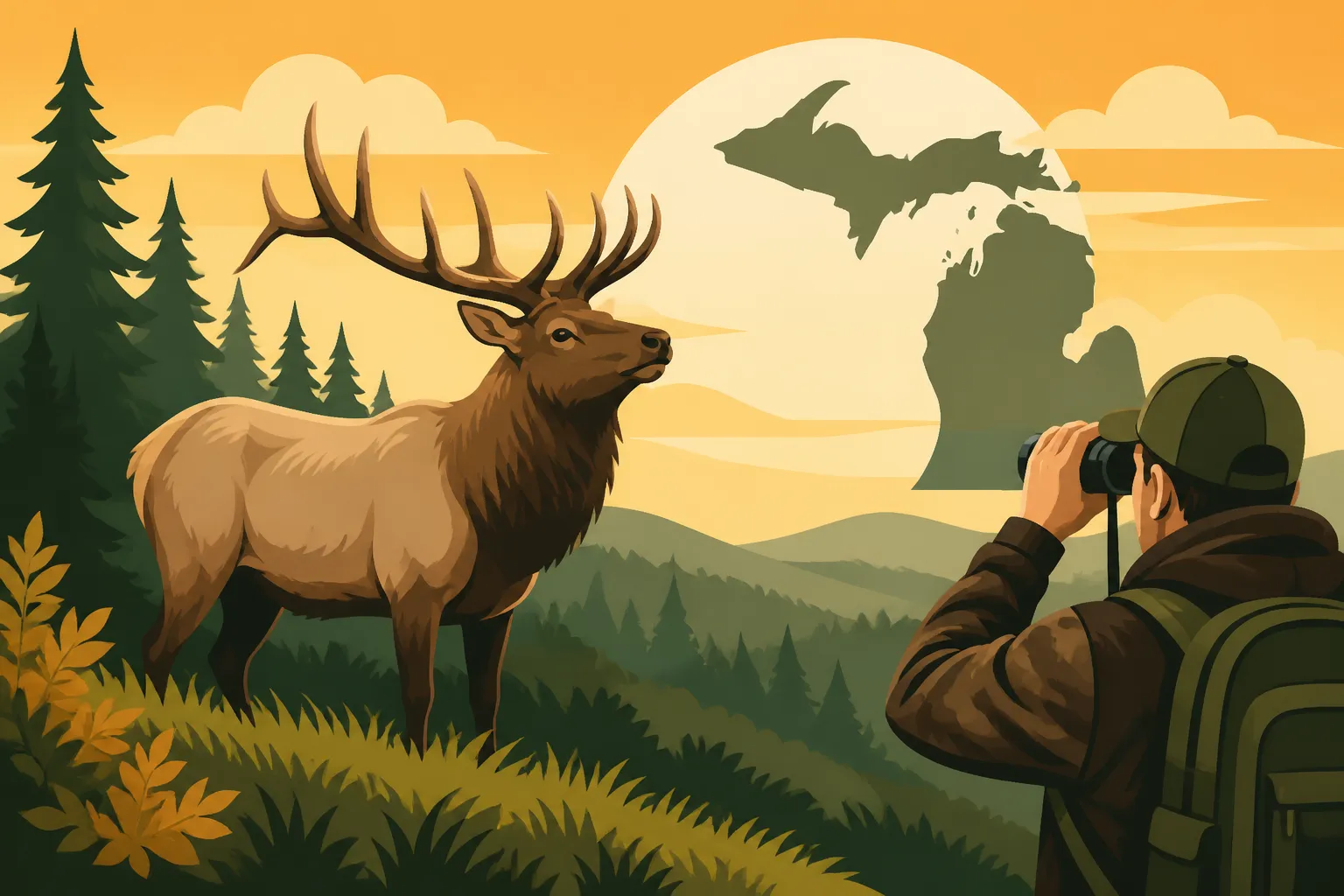
There's something truly magical about Michigan's elk herd, a testament to conservation efforts and the wild spirit that still thrives in our state. For many, seeing one of these magnificent animals in person is a bucket-list item, a chance to connect with a piece of wild Michigan history. And when it comes to elk, one place stands head and shoulders above the rest: the sprawling, rugged beauty of Pigeon River Country.
Why Pigeon River Country Is So Special for Elk
Pigeon River Country State Forest, nestled in the northern Lower Peninsula, isn't just a big block of woods; it's the heart and soul of Michigan's elk range. This isn't by accident. The area's diverse habitat, a mix of dense cedar swamps, mature hardwoods, open clearings, and rolling hills, provides everything an elk needs to thrive. It's a vast mosaic of food, water, and cover, all crucial components for a healthy, growing herd. This is where Elk in Michigan's Pigeon River Country truly comes alive.
Imagine walking through a quiet forest, the crunch of leaves underfoot, and suddenly, you hear the unmistakable bugle of a bull elk echoing through the trees. That's the kind of experience Pigeon River Country offers. The sheer size of this area, combined with thoughtful management practices, creates an environment where elk can roam relatively undisturbed, exhibiting their natural behaviors. It’s their sanctuary, and we are privileged to visit it. The commitment to maintaining this unique ecosystem is what makes it such a vital stronghold for Michigan's elk.
The Inspiring Story of Michigan's Elk Comeback
It's easy to take Michigan's elk for granted today, but their presence is a true conservation success story. Our original elk population was completely wiped out by the late 1800s due to unregulated hunting and habitat loss. It's a sobering reminder of how quickly things can change without careful stewardship. Fortunately, efforts began in the early 20th century to reintroduce elk to the state.
The initial reintroduction in 1918 saw The Seven Elk Released in 1918 brought from the western states and released right here in the Pigeon River area. From that small start, through decades of careful management, habitat improvements, and regulated hunting, the herd slowly but surely rebounded. It's a powerful example of what dedicated conservationists and responsible hunters can achieve together. Understanding Michigan's Elk Herd Size and History really makes you appreciate every sighting even more. It’s not just an animal you’re seeing; it’s a living monument to perseverance and dedication.
Timing Your Visit for Unforgettable Elk Sightings
Knowing when to go is almost as important as knowing where to go when it comes to elk viewing. Elk aren't always out in the open, and their activity levels change dramatically with the seasons and even the time of day. Planning your trip around their natural rhythms will significantly increase your chances of a memorable encounter.
Seasonal Hotspots: When and Where to Look
Each season offers unique opportunities to observe elk, along with its own challenges.
-
Late Summer/Early Fall (Mid-August to Early October): The Rut
This is, without a doubt, the most exciting time to view elk. The annual rut, or breeding season, sees bull elk become incredibly vocal and active, bugling to attract cows and challenge rival bulls. This is when you're most likely to hear the iconic bugle and potentially witness sparring matches. They are more visible in open fields and clearings at dawn and dusk. However, this is also hunting season for some, so be aware of hunter presence and wear hunter orange for safety if you venture into the woods. If you want to know When Michigan Elk Bugle, this is your window. -
Winter (December to March): Yard Up
Once heavy snow blankets the forest, elk tend to "yard up" in specific areas, often in dense cedar swamps or areas with good thermal cover, to conserve energy. This can make them easier to locate, as they concentrate in smaller, more predictable locations. However, access can be challenging due to snow, and disturbing them during this critical period can be very detrimental to their survival. Always keep your distance and never stress wintering animals. This is especially true in the northern parts of the Where Michigan Elk Live range. -
Spring (April to May): Green-Up
As the snow melts and new green growth emerges, elk start to disperse from their wintering areas. They will be actively foraging on fresh grasses and forbs in open areas. Cows will soon be preparing to calve, so it's a sensitive time. While they might be visible, caution is key to avoid disturbing calving grounds. -
Summer (June to Mid-August): Sparse Sightings
During the summer months, elk generally disperse into deeper cover to escape insects and raise their calves. Bulls are growing their new antlers, and the herd becomes much more reclusive. Sightings are less common, and they will be harder to find, typically only visible very early or very late in the day.
When considering "where," remember that elk are creatures of habit. They often move between feeding grounds, bedding areas, and water sources. Look for large clearings, old farm fields within the forest, edges of swamps, and areas near water bodies. These are natural congregation points.
| Season | Prime Viewing Opportunity | Elk Behavior & Notes |
|---|---|---|
| Late Summer/Early Fall | The Rut (Mid-August – Early October) | Bulls are highly active and vocal (bugling), competing for cows. Increased visibility in open areas at dawn/dusk. Requires extreme caution due to hunting seasons. |
| Winter | Winter Yard-Up (Dec – Mar) | Elk congregate in sheltered areas (cedar swamps) to conserve energy. Easier to locate but access can be difficult. Critical not to disturb them; keep significant distance. |
| Spring | Green-Up (April – May) | Elk disperse to forage on new growth in open areas. Cows are preparing for calving. Be mindful of sensitive calving grounds and keep disturbances minimal. |
| Summer | Antler Growth (June – Mid-August) | Elk are more dispersed and reclusive, seeking dense cover. Bulls are growing antlers. Sightings are less common, often limited to very early morning or late evening. |
Understanding Elk Behavior for Better Viewing
Elk are most active during the twilight hours – dawn and dusk. They spend the midday hours bedding down in thick cover, conserving energy. If you're out looking at noon, your chances of seeing anything are slim. Plan your trips to be in prime viewing areas well before sunrise or in the late afternoon, staying until after sunset. Be patient; these animals are wild, and there are no guarantees.
Wind direction is also critical. Elk have an incredible sense of smell. Always approach from downwind to keep your scent from carrying to them. A sudden whiff of human scent will send them crashing through the timber long before you ever see them. Quiet movement is paramount. Don't be afraid to sit and wait in a likely spot. Sometimes, just settling down and letting the woods come alive around you is the best tactic. It’s all about blending in and being a respectful observer in their domain.
Your Essential Guide to a Responsible Elk Viewing Experience
Elk viewing is a privilege, and with that comes a responsibility to the animals and their habitat. Going unprepared or acting carelessly can not only ruin your experience but also potentially harm the elk or other wildlife. Let's make sure your adventure is both exciting and ethical.
Gear Up: What to Bring for Success
To truly maximize your elk viewing experience, you'll want to come prepared. It's not just about seeing an elk; it's about seeing it well and comfortably.
-
Optics: A good pair of binoculars is non-negotiable. An 8x or 10x magnification will allow you to scan distant fields and pick out elk in the timber without disturbing them. Consider something like Binocular Choice for Michigan Whitetails for advice, as the principles are similar. Spotting scopes, while bulkier, can offer incredible detail for long-distance viewing. If you're on a budget, even a decent pair of entry-level binoculars is better than nothing. You might also find a Rangefinders in Thick Cover useful for determining distance, although for viewing, it's more about knowing how far away you are not to disturb them.
-
Mapping Apps: This vast forest can be confusing. Digital mapping apps like onX Hunt or even exploring resources on GoHunt can be invaluable. These apps allow you to see property boundaries, forest roads, trails, and topographical features, helping you navigate and identify potential viewing spots without getting lost. They can also help you understand the Michigan Elk Management Unit Boundaries, though for viewing purposes, you're mostly concerned with general elk range.
-
Comfortable, Quiet Clothing: You'll be doing a fair bit of walking and possibly sitting for extended periods. Dress in layers, as Michigan weather can change quickly. Choose quiet fabrics that won't rustle loudly with every movement. Earth tones are always a good idea to help you blend into the environment. And don't forget waterproof gear – a sudden Michigan shower can dampen spirits fast.
-
Water, Snacks, and First Aid: Always carry enough water, especially if you plan on hiking. High-energy snacks are great for keeping your focus. A small first aid kit for minor scrapes or blisters is also a smart addition. You're often in remote areas, so self-sufficiency is key.
Rules of the Road: Ethical Viewing and Safety
Your presence in the Pigeon River Country State Forest should be as unobtrusive as possible. Remember, this is the elk's home first and foremost.
-
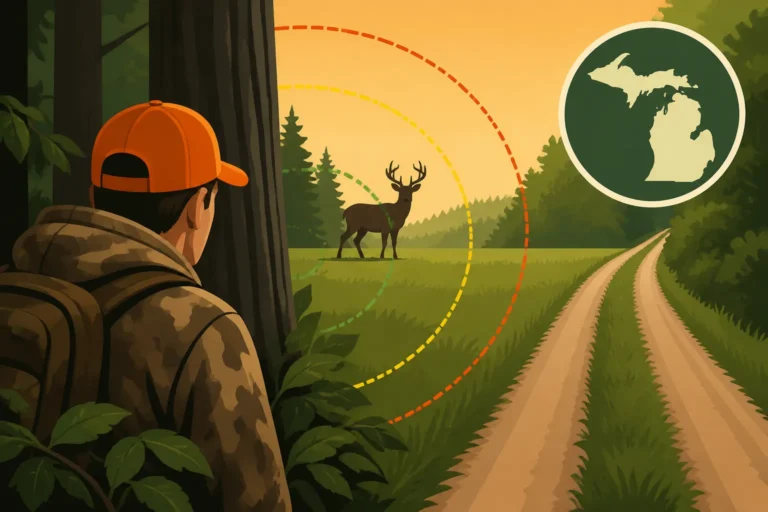
Maintain Distance: This is the golden rule. Never approach elk closely. Use your binoculars and spotting scope to enjoy them from a respectful distance – at least a quarter-mile is a good starting point, and often further, depending on the terrain and the animals' behavior. If the elk react to your presence by stopping feeding, lifting their heads, or moving away, you're too close. Always give them space, especially during the rut or when cows have calves.
-
Stay on Roads and Designated Trails: While it can be tempting to venture off-trail for a closer look, resist the urge. Staying on established paths minimizes your impact on the habitat and reduces the likelihood of disturbing sensitive areas or stumbling upon a bedded animal. Also, this helps avoid accidental trespass on private parcels within or adjacent to the public land.
-
Never Feed Wildlife: This cannot be stressed enough. Feeding elk or any wild animal can habituate them to humans, leading to aggressive behavior, increased vehicle collisions, and the spread of disease. It also alters their natural foraging patterns. Keep wildlife wild. This is directly related to the Michigan Baiting and Feeding Rules you should be aware of.
-
Be Mindful of Hunters: Pigeon River Country is also a popular hunting ground, especially during the fall. If you're out during hunting seasons, wear hunter orange (at least 50% of your outermost clothing above the waist) to be visible to hunters. While elk viewing and hunting can coexist, awareness and safety are paramount. Familiarize yourself with Pigeon River Country Deer Hunting to understand the landscape from a hunter's perspective too.
-
Pack It In, Pack It Out: Leave no trace. Everything you bring into the forest should leave with you. This includes all trash, food wrappers, and anything else you might have. This simple act helps keep the natural environment pristine for both the wildlife and other visitors.
-
Respect Quiet Hours: Elk are most active during early morning and late evening. During these times, keep noise to a minimum. Loud talking, slamming car doors, or blaring music will scare off any nearby wildlife.
Beyond the Bugle: Exploring the Pigeon River Country State Forest
While the majestic elk might be your primary draw, Pigeon River Country is a treasure trove of natural beauty and recreational opportunities far beyond just elk viewing. Spending time here allows you to immerse yourself fully in Michigan's wild north.
More Than Just Elk: Diverse Wildlife and Scenery
Beyond the elk, the Pigeon River Country State Forest is teeming with other incredible wildlife. You might spot black bears, coyotes, bobcats, or even a pine marten if you're lucky. The area is also fantastic for birdwatching, with numerous species of raptors, owls, and songbirds. Keep an eye out for a variety of small game as well, from squirrels to snowshoe hares.
The forest itself is a diverse ecosystem. Majestic white pine and red pine stands reach for the sky, while vast expanses of northern hardwoods burst with color in the fall. The crystal-clear Pigeon River, a designated "Natural River," meanders through the landscape, offering excellent opportunities for fishing for brook trout or quiet paddling. It's a place where you can truly appreciate the intricate balance of a healthy northern forest.
Protecting This Treasure for Future Generations
The Pigeon River Country State Forest is managed not only for its wildlife but also for its wilderness character and recreational value. This means visitors play a crucial role in its preservation. When you visit, remember that your actions contribute to the ongoing health of this unique area.
Consider incorporating other activities into your visit, such as hiking one of the many trails, enjoying a picnic at a scenic overlook, or even Camping on Michigan State Land within the forest. There are designated campsites and dispersed camping opportunities available. Every visitor who respects the land, follows the rules, and educates others helps ensure that future generations will also have the chance to experience the awe-inspiring presence of Michigan's elk and the wild beauty of Pigeon River Country. This land is a gift, and it's up to all of us to treat it with the reverence it deserves.
Disclaimer
This article is for general informational purposes only and does not constitute professional advice. Laws, prices and regulations vary by location and change over time. Consult a qualified professional for guidance on your specific situation.